
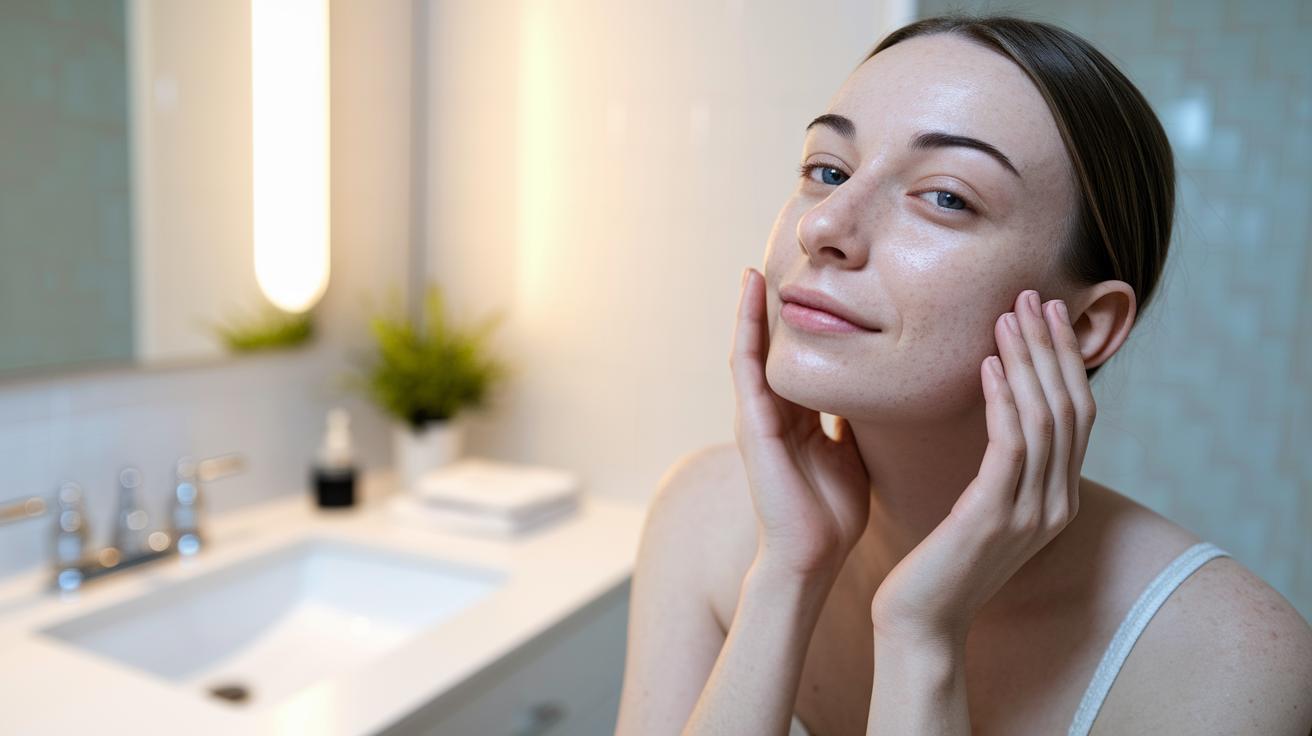

Quick Take: Skin redness and bumps after waxing are common signs of irritation, but seek help if you experience severe pain or signs of infection.
If you have any severe pain, burning, swelling, or blisters, call emergency services now.
Waxing pulls hair out from the root and tugs on your skin. This gentle tug can make your skin red and bumpy. While this reaction is normal, it can feel unsettling if the redness lasts or the bumps become more noticeable.
Here's what you can do to care for your skin after waxing:
• Gently cool the area with a soft, damp cloth.
• Avoid hot showers and scrubbing the area.
• Use a mild, fragrance-free moisturizer to soothe your skin.
• Keep the area clean to help prevent any infection.
Watch your skin for any changes. If the irritation worsens or you notice signs like increased pain or swelling over several days, seek advice from a clinician.
Understanding Why Skin Irritation Occurs After Waxing
Quick take: Waxing can hurt your skin a little, causing red bumps and irritation.
If you see any of these signs, get help:
- Redness or bumps lasting more than 2 days
- Signs of infection like pus or severe pain
Waxing pulls out hair from the root. It also tugs at the top layer of your skin, breaking the natural barrier that keeps moisture in. This slight damage leads your body to create inflammation (swelling and redness) to help repair the area.
A few mild bumps or redness after waxing are normal. But if you notice a more lasting reaction, try to care for your skin better or ask a professional for advice.
Things that can make irritation worse:
- Sensitive skin that gives a strong reaction
- Dry skin that has a weaker barrier
- Wax that is too hot, causing extra damage
- Improper technique that pulls too hard
For example, using very hot wax on sensitive skin can feel like touching hot metal, leaving your skin even more irritated. Recognizing these factors can help you take better care of your skin after waxing.
Common Types of Skin Irritation After Waxing

Quick take: Waxing can cause mild skin reactions that usually clear up with simple home care.
If you see any of these signs getting worse, such as increasing pain, swelling, or signs of infection (pus, fever), call your healthcare provider now.
After waxing, you may notice mild redness and tiny bumps. This is a normal reaction as your skin gets used to hair removal. A cool compress can help calm the area, and the light pink color should fade soon.
You might also spot ingrown hairs. This happens when a hair grows back into the skin instead of outward. Ingrown hairs can form small, sometimes painful bumps. Gently exfoliating your skin and using the right waxing method can reduce the chance of ingrown hairs.
Another possible reaction is folliculitis. This means the hair follicles become inflamed and can show clusters of red bumps with tiny white spots. Keeping the area clean and applying a mild antiseptic cream may help prevent the inflammation from worsening. Good hygiene after waxing is very important.
Lastly, some people experience a histamine reaction. This is when you get itchy hives or welts as your body responds to the stress of hair extraction. Noticing these signs early can help you adjust your aftercare routine or speak with your esthetician about your concerns.
Preventing Skin Irritation Before Your Waxing Session
Quick take: Set up a simple skin routine, test a small area, and choose gentle products to avoid irritation.
If you experience any severe redness, burning, or pain during your patch test, stop and call your doctor immediately.
Common causes of irritation include using harsh cleansers, skipping daily moisturizing, or trying new wax types without testing. Here’s what you can do now:
- Clean your face or body day to day with a gentle cleanser. Moisturize daily to help your skin stay strong.
- Exfoliate gently 2–3 times per week with a mild scrub. This removes dead skin cells and cuts the risk of ingrown hairs.
- Do a patch test by applying a small bit of wax on the inside of your arm 24–48 hours before your waxing session. If your skin stays calm, you’re ready.
- Choose wax that fits your skin type. For sensitive skin, sugar paste at a moderate temperature may work better than hot soft wax.
- Make sure your esthetician uses clean tools and hypoallergenic products, and follows strict sanitary rules.
Remember:
- Build a daily skincare habit.
- Test a small area before waxing.
- Pick the right wax for your skin.
- Confirm that your professional keeps everything clean.
Taking these steps can help you enjoy a smoother waxing experience with less irritation.
Essential Post-Waxing Aftercare to Minimize Irritation

Quick take: After waxing, simple steps like cooling, avoiding heat, gentle washing, and soothing lotion help your skin recover.
If you notice severe redness, swelling, or persistent pain, seek medical advice.
• Immediately after waxing, press a cool, damp washcloth on your skin for 5–10 minutes. This cooling step eases swelling and calms irritation.
• For 24–48 hours, steer clear of hot showers, saunas, and sunbathing. Instead, use lukewarm water to gently clean the waxed area. This minimizes extra irritation.
• Wear loose, soft clothing. This reduces friction and gives your skin room to breathe, which helps prevent red bumps.
• Cleanse the area twice daily with a gentle, alcohol-free cleanser. A mild wash helps remove any dirt while keeping your skin’s natural moisture intact.
• After washing, gently pat your skin dry. Then, apply an alcohol-free lotion enriched with soothing ingredients like shea butter, jojoba oil, or calendula. These help restore hydration and strengthen your skin’s natural barrier.
Key steps to remember:
- Cool compress immediately post-waxing.
- Avoid heat and wear loose clothing.
- Cleanse gently and hydrate with a soothing, alcohol-free lotion.
Natural and DIY Remedies to Soothe Post-Waxing Skin
After waxing, if your skin feels red or irritated, try these simple, natural remedies to soothe it.
A quick solution is aloe vera gel. Gently dab a thin layer on the red or tender spots. Aloe helps calm your skin much like a cooling gel eases a mild burn.
Carrier oils such as jojoba, coconut, or calendula oil work well too. They create a light barrier that locks in moisture. After you cleanse your skin, apply a few drops to keep your skin soft and hydrated, just like a gentle lotion.
For a bit of extra care, you can use tea tree oil. Its antibacterial properties may help lower the risk of infection and ease any itching. Always mix tea tree oil with a carrier oil until it reaches a 5% strength, similar to how you might add a drop of essential oil to water for a mild, homemade cleaner.
Another easy remedy is a cool compress. Brew a cup of chamomile or green tea, let it cool down, and then wrap a clean cloth in the tea. Place the cloth gently on your skin to help reduce redness and soothe any discomfort.
Tips to try now:
- Dab aloe vera gel on irritated areas.
- Massage a few drops of diluted tea tree oil where it's needed.
- Apply carrier oils like jojoba after cleansing to lock in moisture.
- Hold a cooled chamomile or green tea cloth on your skin to ease redness and itching.
Recognizing Severe Irritation and When to Seek Help

If you notice red skin, pus, strong pain, or hives that last more than 48 hours, your reaction may be more serious than normal. For minor folliculitis (small infected bumps), you can try an over-the-counter antibiotic ointment if your symptoms are very mild. However, if the irritation gets worse or spreads, please see a dermatologist.
Do not scratch or pop your bumps because doing so can make the irritation worse and lead to more scarring. Keep a record of your symptoms by noting when they begin, how severe they are, and any changes you see. For example, you could write, "At 3 PM, I felt a sharp pain and noticed more redness that has not improved over the last 48 hours."
Final Words
In the action, this guide walked you through why skin irritation after waxing happens, common reactions you might see, and smart steps to prevent or soothe the discomfort. You learned how to prep your skin before waxing, ease post-care irritation, and use home remedies like aloe or diluted tea tree oil for relief. It also explained when a change in symptoms means it's time to seek medical advice. Stay proactive, follow the steps, and remember that simple care can help keep your skin calm and healthy.
FAQ
How to get rid of skin irritation after waxing?
Getting rid of skin irritation after waxing means starting with a cold compress, gentle cleansing with an alcohol-free cleanser, and applying a soothing gel like aloe vera. Avoid heat and tight clothing to support healing.
How do you get rid of folliculitis after waxing?
Managing folliculitis after waxing involves applying an over-the-counter antiseptic cream, keeping the area clean and dry, and using gentle skincare. If pus or pain worsens, it may be wise to seek professional advice.
How do you treat histamine bumps after waxing?
Treating histamine bumps after waxing means cooling the skin with a cold compress and using a soothing aloe vera gel or diluted tea tree oil. This helps lower itchiness and calm inflammation.
What are home remedies for skin irritation after waxing?
Home remedies include using a cold compress, applying aloe vera gel, trying chamomile tea compresses, and gently cleansing the area. These steps help soothe irritated skin and reduce redness.
How do you manage white pus bumps after a Brazilian wax or a waxing rash on the face?
White pus bumps or a facial wax rash may signal folliculitis or infection. Cleanse the area gently, avoid harsh products, and use a cool compress. If symptoms continue past 48 hours, consult a clinician.
What does a wax rash look like?
A wax rash typically appears as red, swollen skin with small bumps or welts in the waxed areas. It may also feature slight warmth or irritation where the hair was removed.
How long does post-wax irritation last?
Post-wax irritation usually lasts between 1-2 days. If the redness, bumps, or discomfort persist beyond this period, it could indicate a deeper issue that requires medical evaluation.
What is the 48 hour rule for waxing?
The 48-hour rule for waxing means avoiding heat, sun exposure, and harsh skincare products for two days after waxing. This pause allows your skin to heal and minimizes further irritation.