

Quick Take: Natural methods may ease mild gout pain fast.
Triage Box:
• If your pain becomes severe or spreads, call your doctor.
• Seek urgent care if you develop fever, chills, or have trouble moving the joint.
• If symptoms worsen, stop home care and get professional advice.
Gout pain can hit suddenly, making your joints feel like they're rebelling with burning discomfort and swelling. When this happens, simple home treatments might help you feel better quickly. Try drinking more water to stay well hydrated, using a cold pack on the painful area, or sipping cherry juice. These steps can help lower swelling and ease that burning pain. Remember to keep a close watch on your symptoms and act now if you see any red flags.
Quick-Acting Gout Home Remedies with Dosage and Timing
Quick take: Acting fast can ease pain, lower swelling, and help prevent more joint damage.
Triage Box:
• If you experience extreme pain, severe swelling, or sudden changes in your condition, call emergency services now.
• If your pain worsens or does not improve, seek same-day medical attention.
• For mild symptoms, follow these self-care steps and monitor your condition.
When a gout flare-up strikes, these simple remedies can help you feel better quickly.
• Drink at least 64 oz of water each day. Spread your water intake throughout the day to help your kidneys flush out extra uric acid.
• Use a cold compress on the painful joint for 15 to 20 minutes. Repeat as needed to ease swelling.
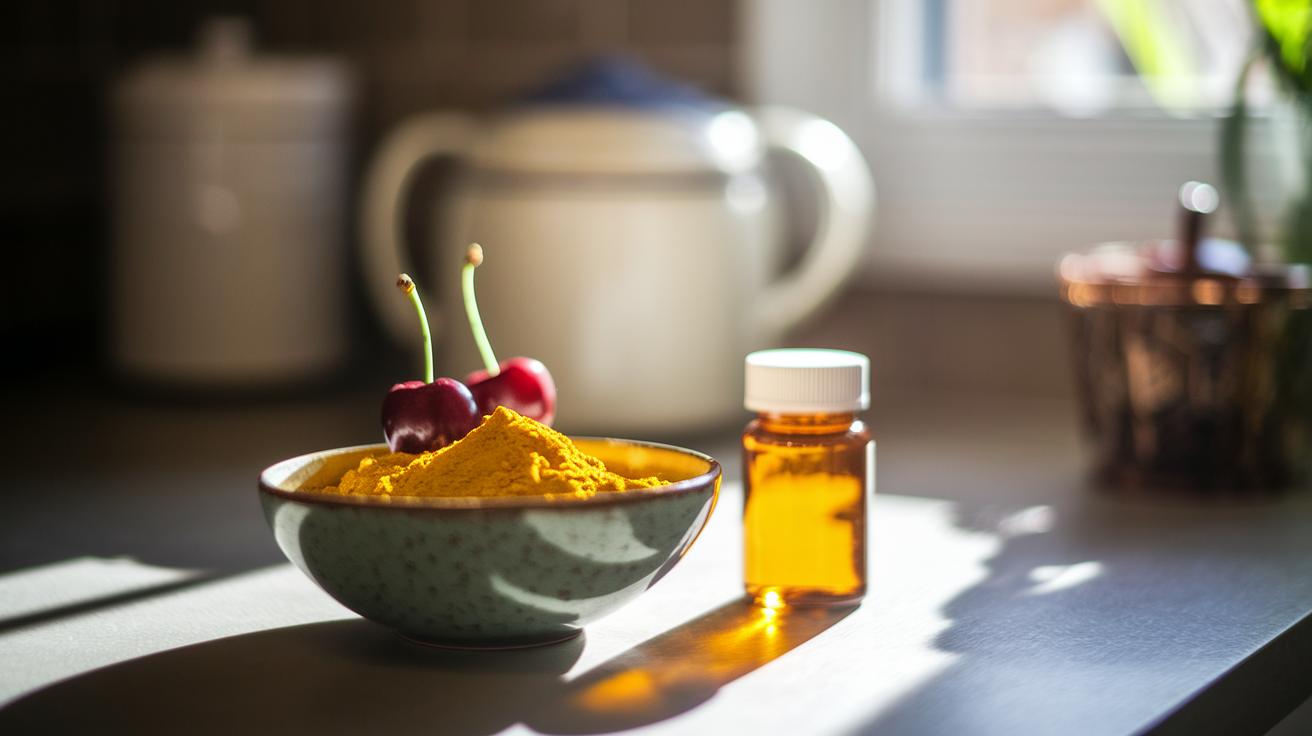
• Enjoy 6 to 8 oz of pure, unsweetened cherry juice or eat 20 to 30 cherries twice a day. These cherries supply natural antioxidants that may help lower uric acid.
• Mix 1/2 tsp of baking soda in 8 oz of water. You can drink this up to 3 times a day, but do not exceed a total of 1.5 tsp daily. This may help balance your body’s pH.
• Stir 1 to 2 Tbsp of apple cider vinegar into 8 oz water and take it twice daily before meals. Diluting it can help prevent any irritation.
• Sip 1 to 2 cups of herbal tea with anti-inflammatory herbs such as ginger or turmeric. Steep the tea for 10 minutes and enjoy between meals.
• When resting, raise the affected joint above heart level using pillows. This helps reduce blood flow to the area and can lower inflammation.
Hydration and Joint Care
Drinking plenty of water helps dilute uric acid, while a cold compress soothes the swollen area for about 15 to 20 minutes at a time. Keeping your joint elevated, like resting your foot on pillows, may lessen inflammation and pain during flare-ups. Try to sip water all day, apply the compress when pain peaks, and keep the joint raised when sitting or lying down.
Cherry and Baking Soda Treatments
Unsweetened cherry juice or whole cherries are natural sources of antioxidants that might lower uric acid. Make sure the juice is 100% pure. Similarly, mixing 1/2 tsp of baking soda in water up to 3 times a day helps keep your body’s pH balanced. These easy measures aim to reduce acid levels and ease gout symptoms.
Apple Cider Vinegar and Herbal Tea Protocols
Taking apple cider vinegar in a diluted form (1 to 2 Tbsp in 8 oz water) before meals twice daily may support digestion and help maintain a healthy pH balance. In addition, drinking a cup or two of herbal tea made with ginger or turmeric can add extra anti-inflammatory benefits. Allow the tea to steep for about 10 minutes to fully release its helpful properties.
Dietary and Hydration Adjustments for Gout Home Remedy
Quick take: Changing your diet and drinking enough water can help ease your gout symptoms.
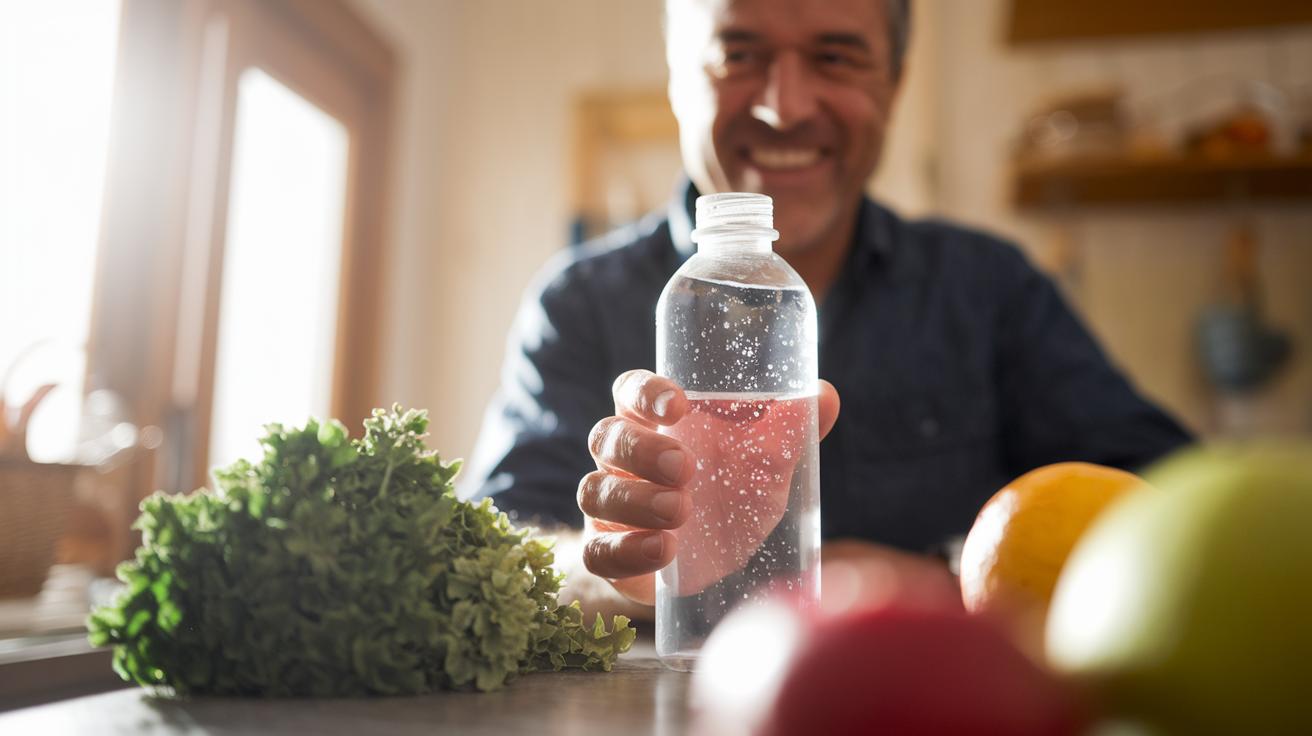
Eating the right foods plays a big role in keeping gout under control. Foods high in purines (substances that raise uric acid) can trigger flare-ups. Drinking 64–80 oz (about 2–2.4 liters) of water daily helps your kidneys flush out extra acid.
You can also help prevent attacks by choosing foods that make your body less acidic. Try to steer clear of red meat, game meat, turkey, some seafood, alcohol, high-fructose corn syrup, caffeine, and sugar-sweetened drinks. Instead, focus on dark leafy greens, fruits, vegetables, legumes (beans and lentils), seeds, some nuts, and low-fat dairy in moderation.
Use this simple guide to plan your meals and drinks. These changes might offer a natural way to lower uric acid levels and reduce painful gout attacks.
| Foods to Avoid | Foods to Include |
|---|---|
| Red Meat | Dark Leafy Greens |
| Game Meat | Fruits |
| Turkey | Vegetables |
| Certain Seafood | Legumes (Beans and Lentils) |
| Alcohol | Seeds |
| High-Fructose Corn Syrup | Some Nuts |
| Caffeine | Moderate Low-Fat Dairy |
| Sugar-Sweetened Beverages | Water (64-80 oz Daily) |
Home-Based Lifestyle and Self-Care Strategies for Gout Relief
Quick take: Rest and elevate your joint during a gout attack, and use simple, low-impact steps to ease pain and swelling.
If you have any of these emergency signs, call emergency services now:
- Joint pain that is unbearable or rapidly worsening
- The affected area becomes very red, warm, or spreads swelling
- You develop a fever or chills
When a gout attack hits, give your joint a break by resting it and avoiding weight-bearing activities. Use a pillow to elevate the painful limb to help lower the swelling. This approach is like pausing during a busy day, it helps your body recover naturally.
When you’re not in the middle of an attack, build gentle habits to lower your risk of future flare-ups. Activities like slow walking or swimming let you move without stressing your joints. Deep breaths or a brief walk can help relieve tension that might trigger pain. Keeping a daily log of your symptoms can show you if certain activities or meals make your pain worse, so you can adjust your routine accordingly.
Things to do:
- Rest the painful joint and avoid putting weight on it.
- Elevate the affected area with pillows to reduce swelling.
- Choose low-impact exercises like walking or swimming.
- Practice stress-relief techniques such as deep breathing.
- Record your symptoms daily to spot any triggers.
Monitoring Gout Home Remedies and Recognizing Red Flags

Keep a detailed diary of your gout symptoms. Write down the date, pain level, meals eaten (for example, "4/15: 7/10 pain after spicy dinner"), water you drank, and any exercise you did. This simple log can help you spot patterns or triggers that weren’t obvious before.
Use your diary to show your healthcare provider extra details. These notes can help them tweak your treatment plan for better results.
Final Words
In the action, this guide brought together fast steps for easing gout flare-ups. You learned how to use hydration, a cold compress, and natural treatments like cherry juice. We also reviewed smart diet choices and daily self-care to help lower uric acid. Keeping a symptom log and watching for red flags puts you in control. This gout home remedy approach offers practical measures to ease pain and help you act safely. Stay positive and trust these steps to guide you toward relief.
FAQ
What is the fastest way to get rid of gout?
The fastest way to ease gout involves using immediate home remedies such as drinking at least 64 oz of water, applying a cold compress on the affected joint for 15–20 minutes, and sipping anti-inflammatory herbal teas.
What can I drink to flush gout?
What you can drink to flush gout includes water (at least 64 oz daily), pure cherry juice (6–8 oz twice daily) without added sugar, and anti-inflammatory herbal tea steeped for about 10 minutes.
How do you treat gout in 10 minutes?
How you treat gout in 10 minutes may involve starting with a cold compress on the painful joint and drinking hydrating fluids to help lower inflammation, although full relief usually requires additional home remedies.
What are the 10 foods that trigger gout?
What triggers gout includes high-purine foods like red meat, game meat, turkey, certain seafood (anchovies, sardines, mussels, scallops), organ meats (liver, kidneys), alcohol, and foods high in fructose such as sugary drinks or corn syrup.