

Quick Take: Home remedies may ease mild hemorrhoid discomfort. If you experience heavy bleeding, fever, or severe pain, seek help immediately.
If you’re dealing with constant discomfort and itching from hemorrhoids, you’re not alone. Many people find that simple, at-home remedies can bring quick relief. You can try using witch hazel pads to calm irritation, aloe vera gel to soothe burning, and gentle temperature treatments to lessen swelling.
These natural methods often provide comfort as your body heals. Still, be sure to watch your symptoms closely. If you notice worsening pain, bleeding, or signs of an infection, it’s important to call your doctor right away.
Take note of any changes. Write down when and how severe your symptoms are so you can share the details with your clinician if needed. Your safety is key, so trust your instincts and act now if red flags appear.
Immediate At-At-Home Relief for Hemorrhoids
Quick take: Simple at-home care can ease your discomfort, but seek help if severe symptoms occur.
If you have any of these emergency signs, call emergency services now:
- Heavy bleeding
- Intense, unrelenting pain
- Fever, chills, or other signs of infection
If your symptoms worsen or last more than a few days, contact your doctor.
About 75% of adults experience hemorrhoids. They can lead to itching, pain, swelling, or even bleeding. This guide offers easy steps you can take at home to reduce irritation and swelling. These tips help you feel better while your body works on healing, though they do not cure the condition.
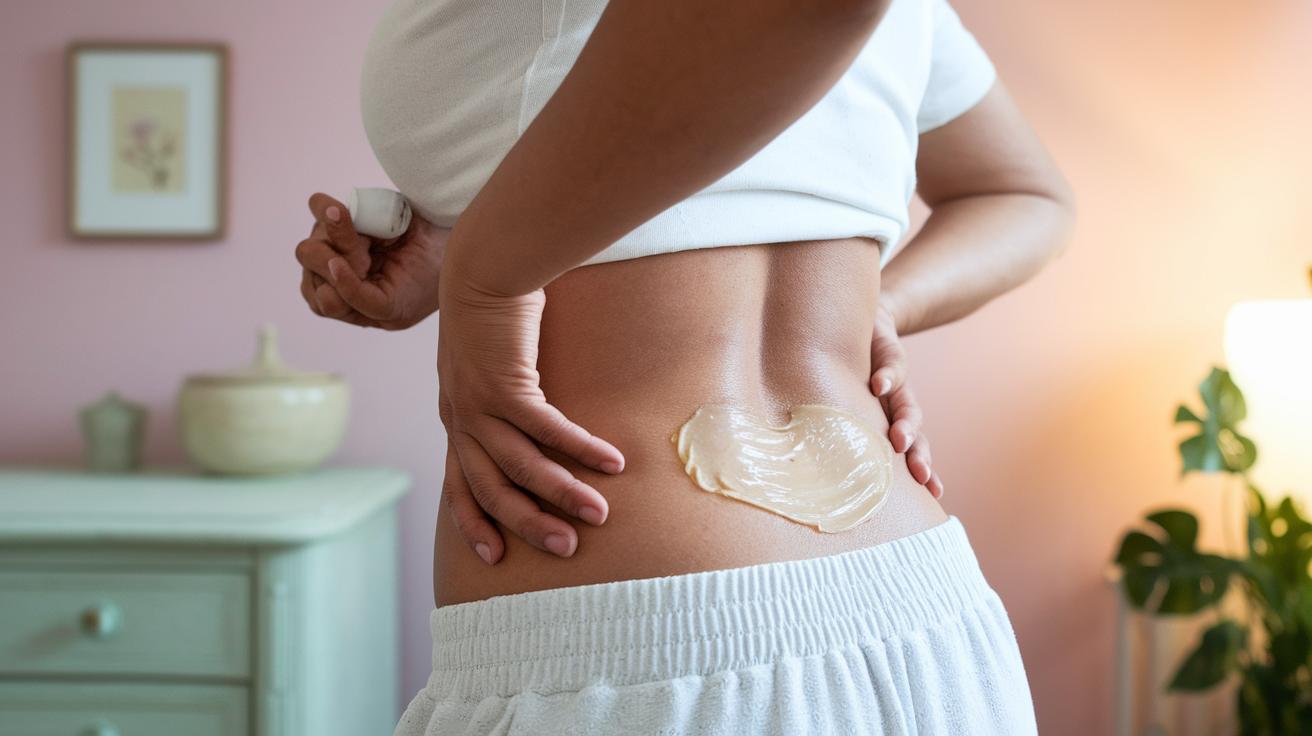
For quick relief, treat the affected area directly and try temperature-based methods. Over-the-counter hydrocortisone cream (a mild steroid cream) or witch hazel pads can lessen irritation. Aloe vera gel or coconut oil also helps soothe the skin.
A warm sitz bath with water between 100°F and 102°F for 15–20 minutes, taken 2–3 times a day, can reduce swelling. Adding 1–2 tablespoons of Epsom salt or extra witch hazel to the bath may boost the benefit. Additionally, a cold compress wrapped in a clean cloth for 5–10 minutes every 1–2 hours can numb the pain and shrink swollen veins.
- Apply witch hazel pads or a thin layer of hydrocortisone cream as directed.
- Soak in a sitz bath (water at 100°F–102°F) for 15–20 minutes, 2–3 times daily; add Epsom salt or witch hazel if available.
- Use a cold compress wrapped in a cloth for 5–10 minutes; repeat every 1–2 hours.
- Gently apply aloe vera gel or coconut oil to ease irritation.
- Keep the area clean by washing with warm water and mild soap, then pat dry.
By using these techniques, you should notice relief from mild to moderate symptoms within a few days. If your discomfort doesn’t improve or gets worse, be sure to reach out to your healthcare provider.
Dietary and Hydration Adjustments to Ease Hemorrhoid Pain
Quick take: Eating fiber-rich foods and drinking enough water can ease your hemorrhoid pain by making your stool softer and reducing straining.
Triage Box:
• Red flags: If you experience heavy bleeding, severe pain, or a fever, seek urgent medical care.
• Urgent concerns: If your pain worsens or you start to feel lightheaded, contact your clinician.
• Basic self-care: Follow these dietary tips and monitor your symptoms closely.
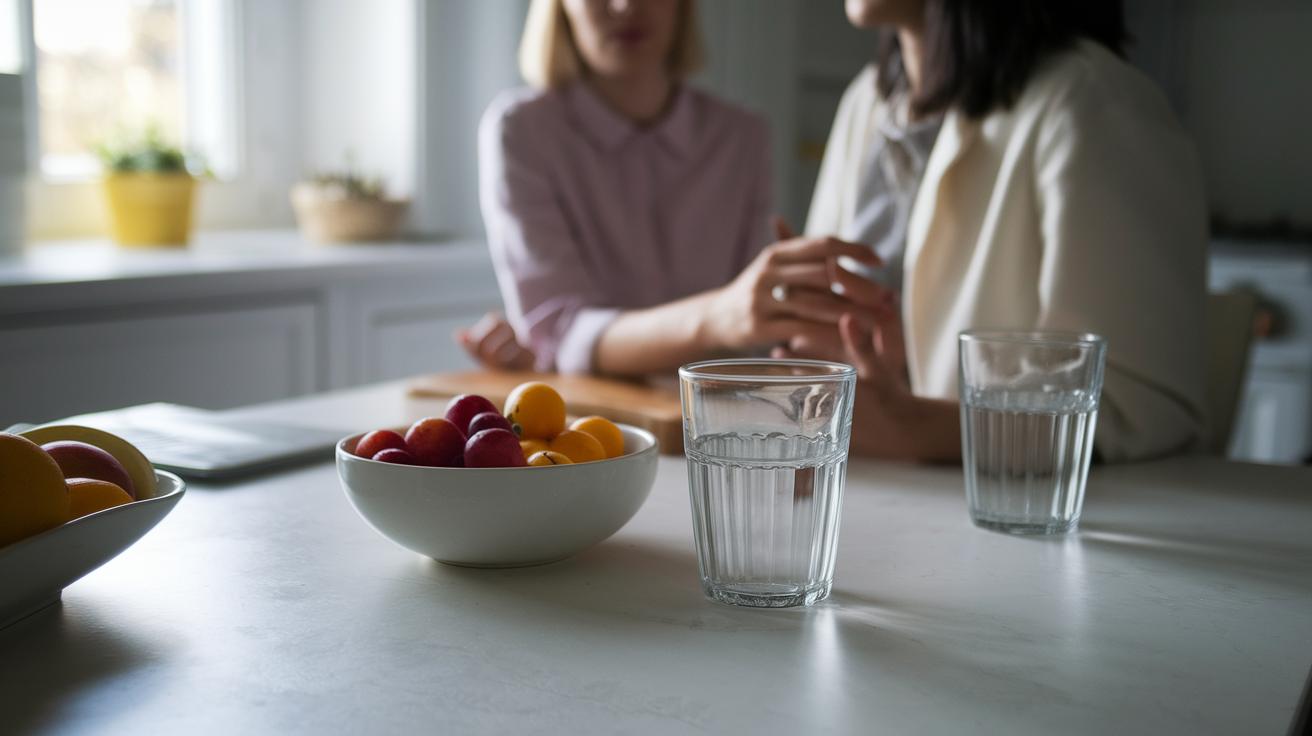
A high-fiber diet is a simple and effective way to reduce irritation. Aim for 25–30 g of fiber each day by eating fruits, vegetables, whole grains, and legumes. This fiber softens your stool, so you don’t strain during bowel movements. For example, try starting your day with a bowl of oatmeal, topped with berries and a banana. This meal can boost your fiber intake and help ease discomfort.
Staying hydrated is equally important. Drink at least 8 glasses (64 oz) of water a day. When your stool is soft, you avoid excessive pushing and pressure that can worsen burning and irritation. Sip water throughout the day and consider adding a slice of lemon for extra flavor. This step supports smoother digestion and a gentle stool transit.
If you find that dietary changes do not fully relieve constipation, over-the-counter stool softeners such as docusate sodium can be used for a short time. Start with a low dose as the package directs and watch how your body reacts. Always check with your doctor before using these products regularly. Continue your fiber and hydration routine to help keep your symptoms under control.
Herbal Treatments and DIY Packs for Hemorrhoid Relief
Herbal options can add extra relief to your basic home care. Some herbs have been used for many years because they help lower swelling and ease discomfort. For example, calendula is known for its strong anti-inflammatory (swelling reduction) benefits.
These natural treatments may calm irritation, support vein strength, and reduce inflammation. Always do a patch test on a small area first, and follow label directions to keep your skin safe.
| Herb/Ingredient | Benefits | Preparation | Usage |
|---|---|---|---|
| Calendula | Fights inflammation and germs | Mix diluted calendula oil or make a tea with dried petals | Apply a thin layer up to 3 times a day; test for sensitivity first |
| Horse Chestnut Extract | Lessens swelling and boosts circulation | Use a ready-made extract following package directions | Apply topically twice daily; avoid if you have kidney issues or are pregnant |
| Butcher’s Broom | Strengthens veins and eases inflammation | Choose a cream or gel and follow label instructions | Apply once or twice daily as directed |
Use these herbal options as part of a gentle, overall care routine. Keep the area clean and avoid any harsh treatments to reduce the risk of irritation.
Lifestyle Strategies and Self-Care Practices to Prevent Hemorrhoid Flare-Ups
Building a steady daily routine can ease the pressure on your veins and help protect the skin around your bottom. Don’t push too hard when you use the bathroom. Try to go on a regular schedule. When you feel the need, sit back, relax, and let your body work naturally instead of forcing a bowel movement.
Proper Bowel Habits
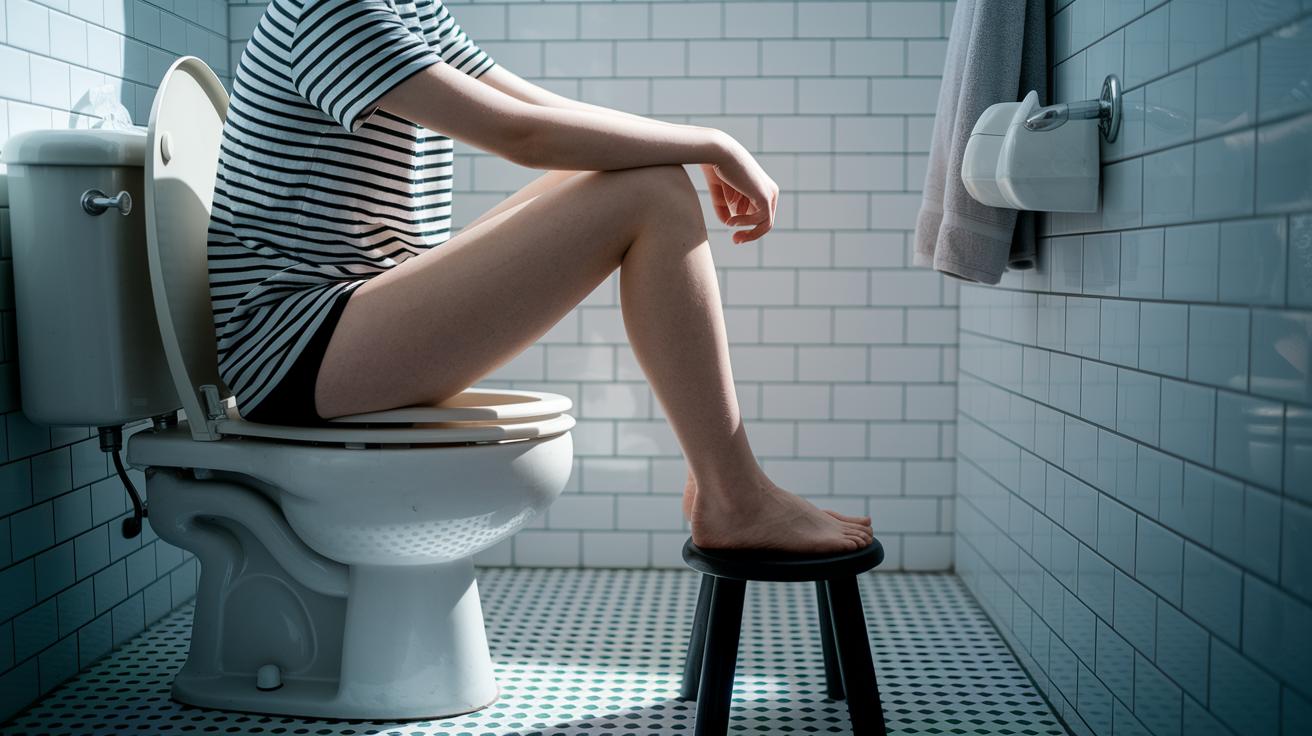
When you are on the toilet, sit calmly with your back straight. Place your feet flat on the floor or on a small stool to mimic a squatting position. Let your stomach relax and take a few deep breaths. This simple way of sitting reduces pressure inside and helps prevent irritation.
Hygiene and Skin Care
After each bathroom visit, wash the area gently using warm water and a mild soap that has no fragrance. Avoid scrubbing hard; instead, use your hands or a soft cloth. Then, pat the area dry with a soft towel. This gentle care keeps your skin in good shape and helps prevent flare-ups and extra discomfort.
Postpartum and Pregnancy-Specific Hemorrhoid Remedies
Quick take: Simple home steps can ease hemorrhoid pain during pregnancy and after delivery.
If you notice any of these signs, call emergency services immediately:
- Severe pain or heavy bleeding
- Fever or signs of infection (red, warm skin)
- Increased swelling that stops getting better
What to do now:
- Take a warm sitz bath with water between 100°F and 102°F. This helps soften tissues and ease pain.
- Add a small amount of witch hazel or use a perineal spray in the water to cool and soothe irritation.
- Do gentle pelvic floor exercises (Kegels) to boost blood flow and reduce swelling.
- After childbirth, use a stool softener for a short time. This helps you have easier bowel movements and less strain.
- Sit on supportive cushions or specially designed pillows to lower pressure on your pelvic area.
Track your progress:
- Note the time and duration of your sitz baths.
- Record any changes in pain level and swelling.
- Jot down if stool softeners help reduce discomfort.
Keep using these steps consistently. If your symptoms do not improve or get worse, contact your healthcare provider for the next steps.
Warning Signs and When to Seek Medical Advice for Hemorrhoids

Quick take: Some signs mean your hemorrhoids may need extra care.
If you see any of these, call your healthcare provider:
- Bright red blood that lasts over 7 days or comes in large amounts.
- Pain or swelling that does not get better with home care.
- Other symptoms such as fever, dizziness, or changes in your bowel habits.
For example, if your pain gets worse during bowel movements and the swelling increases, reach out to a clinician right away.
Final Words
In the action of easing bothersome hemorrhoid symptoms, we covered key at-home techniques. We reviewed quick steps like sitz baths, cold compresses, and soothing topical treatments. We also highlighted diet, hydration, herbal packs, and gentle hygiene practices as ways to lower discomfort.
Each tip offers a practical home remedy for hemorrhoids designed to give you quick relief. Try these steps and stay alert for any red flags that call for further care. Stay positive and keep moving toward comfort.
FAQ
What are fast and effective ways to treat and shrink hemorrhoids at home?
The home methods to quickly ease hemorrhoid symptoms include taking warm sitz baths (100–102°F with Epsom salt or witch hazel), using cold compresses for 5–10 minutes, and applying topical treatments such as hydrocortisone cream, witch hazel pads, or aloe vera gel. Additionally, a high-fiber diet and plenty of water help reduce straining.
Is vaseline good for hemorrhoids?
Vaseline can offer temporary moisture by forming a protective layer, but it does not reduce swelling or inflammation. Instead, options like hydrocortisone cream, witch hazel, or aloe vera gel provide more effective relief.