

Quick Take: Feeling extra tired or dizzy while pregnant might mean low iron, which can affect you and your baby.
Triage Box:
• If you have chest pain, severe shortness of breath, or feel like you might faint, call emergency services now.
• If your symptoms are less severe, contact your doctor today.
Sometimes extra fatigue or dizziness during pregnancy is more than normal tiredness. Low iron (not enough iron to help your blood carry oxygen) can cause these feelings. In this post, we point out common signs of anemia (a condition where you don’t have enough red blood cells) and provide simple steps to track your symptoms. Recognizing these signs early means you can work with your doctor to keep both you and your baby safe.
Identifying Anemia Pregnancy Symptoms and Warning Signs
Quick take: During pregnancy, low iron can lead to anemia, which may leave you feeling unusually tired or dizzy.
Triage Box:
If you experience any of these emergency signs, call emergency services now:
- Severe shortness of breath
- Fainting spells
- Chest pain
- A very rapid heartbeat
Urgent: If your symptoms get worse, seek same-day medical care.
When you're pregnant, your body makes extra blood to help your baby grow. That extra blood can lower your iron levels, causing a drop in hemoglobin (the protein that carries oxygen). Without enough oxygen reaching your tissues, you might notice changes in how you feel. Even if you mostly feel okay, your body could be working hard behind the scenes. That's why doctors check your blood levels at each prenatal visit.
Common signs you might see include:
- Persistent fatigue (extreme tiredness)
- Pale or yellowish skin
- Dizziness or lightheadedness
- Shortness of breath when active
- Heart palpitations (a racing or irregular heartbeat)
- Cold hands or feet
Notice these symptoms early and note how you feel each day. Write down the date, what symptoms you experience, how strong they feel (mild, moderate, or severe), and if anything seems to help or worsen them. This simple record can help your healthcare provider decide if you need treatment sooner.
If you have any of these symptoms, it’s important to talk with your doctor. Acting quickly can keep both you and your baby safe.
Anemia Pregnancy Symptom: Hopeful Signs for Moms
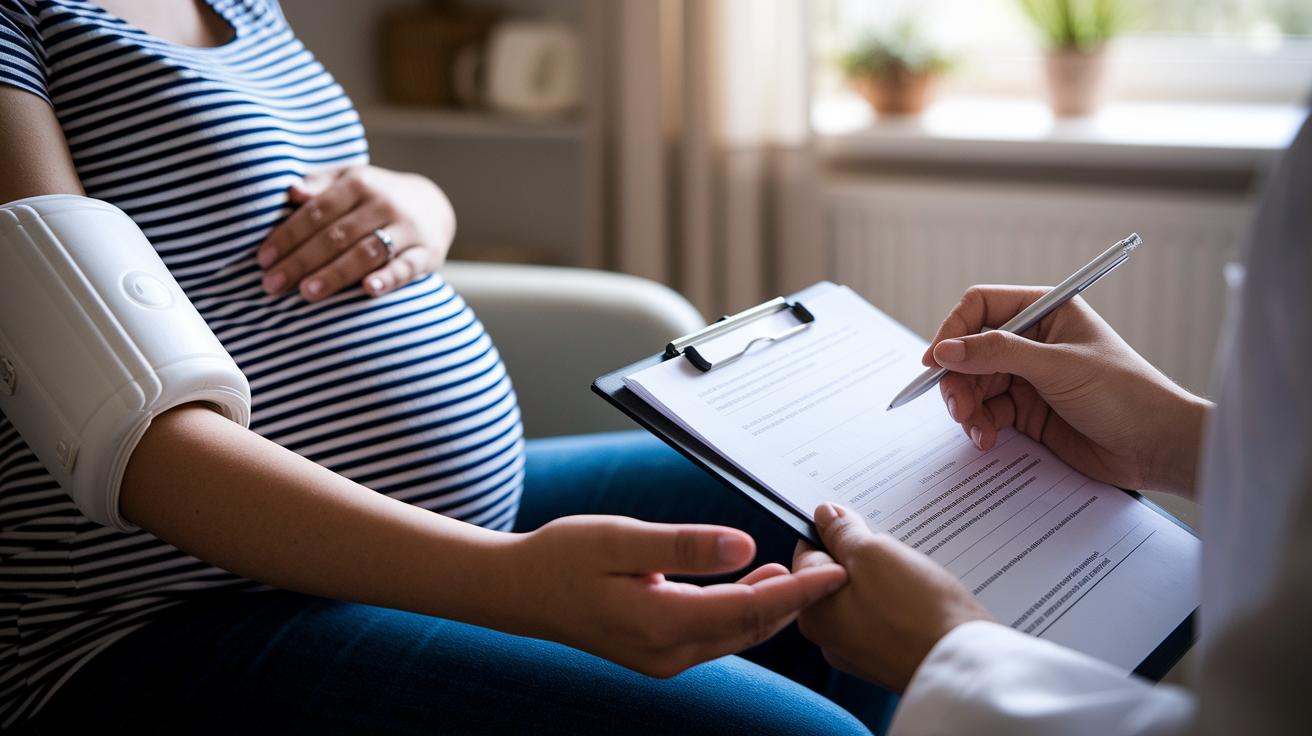
Quick take: Your routine blood tests help make sure you and your baby are getting enough oxygen.
During pregnancy, your doctor checks hemoglobin (the protein in red blood cells that carries oxygen) and hematocrit (the percent of your blood made up of red blood cells) to see if your blood is strong enough for you and your growing baby. You get a complete blood count (CBC) at your first prenatal visit and then again each trimester to catch any drops early.
| Trimester | Normal Hemoglobin | Normal Hematocrit | Concern Threshold |
|---|---|---|---|
| First | ≥11.0 g/dL | 33–39% | Below 11.0 g/dL |
| Second | ≥10.5 g/dL | 32–37% | Below 10.5 g/dL |
| Third | ≥11.0 g/dL | 33–39% | Below 11.0 g/dL; severe if Hb <7.0 g/dL |
If you notice symptoms like fatigue, dizziness, or shortness of breath, it’s important to check your numbers again. Low levels may lead your healthcare provider to order more tests or start treatment to protect you and your baby.
Risk Factors and Causes of Prenatal Anemia Pregnancy
During pregnancy, your body makes extra blood to support your baby. This extra blood can lower the concentration of iron in your system, much like adding water to your coffee makes it weaker. As a result, your iron levels may drop below what is needed for healthy function.
Low levels of folate (a B vitamin needed to make healthy blood cells) or vitamin B12 (another key nutrient for blood cell creation) can also lower your hemoglobin (the protein in blood that carries oxygen). Close pregnancies or carrying more than one baby can put extra strain on your body, further reducing your iron reserves.
Your diet and overall health are important, too. A poor diet, having heavy periods before pregnancy, or trouble absorbing nutrients can leave you with low iron stores. Conditions such as gastrointestinal issues or financial struggles in getting a balanced diet may mean you begin your pregnancy with insufficient iron, increasing your risk for prenatal anemia.
Maternal and Fetal Complications of Anemia in Pregnancy
Quick take: Low iron during pregnancy can put both you and your baby at risk.
Triage Box:
- If you have chest pain, severe shortness of breath, or heavy bleeding, call emergency services now.
- If you feel extreme dizziness or deep weakness, seek same-day care.
- For milder symptoms, monitor how you feel and talk to your clinician soon.
When you have untreated anemia, you may feel very tired and weak. Low iron can make daily tasks feel even harder. It also weakens your immune system, meaning you might catch infections more easily. Some women feel more depressed after childbirth when anemia is present. Anemia can also stress your heart, which may raise the risk of high blood pressure during pregnancy (pre-eclampsia) or heavy blood loss during and after delivery. When there isn’t enough oxygen carried to the placenta because of low hemoglobin, it affects your body’s ability to support both you and your baby.
Babies born to mothers with low iron can also face serious problems. They may be born too early or weigh less than expected, which can slow down their overall growth. Their brains might not get enough oxygen during important growth times, and this can delay their development. In some rare cases, low iron levels can lead to very serious complications, even around the time of birth.
Remember, catching and treating anemia early is key. Keeping your iron levels in a healthy range helps protect both you and your baby.
Treatment Strategies for Managing Anemia During Pregnancy
If you’re pregnant and have anemia, the goal is to raise your body’s iron levels so that you and your baby get enough hemoglobin (the protein in red blood cells that carries oxygen). Make sure to talk with your healthcare provider if your symptoms worsen.
A few common strategies can help:
• Eat iron-rich foods and pair them with vitamin C sources to boost absorption.
- Add lean red meat, fortified cereals, beans, or dark leafy greens to your meals.
- Enjoy fruits like oranges, strawberries, or bell peppers with these foods to help your body use the iron better.
• Many clinicians first suggest oral iron supplements.
- You might be prescribed ferrous sulfate or ferrous gluconate with about 30–60 mg of iron each day.
- It’s best to take these between meals or with a light snack. This helps lower side effects like nausea or constipation.
- A vitamin C drink while taking your supplement can improve absorption.
• In some cases, if you can’t tolerate pills or if your hemoglobin falls below 8 g/dL, your doctor may use intravenous iron.
- IV iron is given as an infusion, which lets a higher dose of iron enter your bloodstream quickly.
- Your clinician will watch you closely during the infusion to prevent complications.
Also, regular blood tests are key to seeing how well the treatment works. By checking your hemoglobin and iron levels, your provider can adjust your treatment as needed to keep you and your baby well throughout pregnancy.
Natural Prevention Tips for Anemia in Pregnancy

Plan your meals to include iron-rich plant foods like spinach or beans along with vitamin C sources such as oranges or bell peppers. This pairing helps your body absorb iron better and naturally raises your hemoglobin (the protein in blood that carries oxygen). For example, try a spinach salad with orange slices.
Avoid drinking tea or coffee during meals because these drinks can block iron absorption. You can also boost your iron intake by using cast-iron cookware when you cook.
Stick to a routine of eating fresh fruits, vegetables, and whole grains to help your body use iron effectively. If you decide to try herbal teas like nettle or dandelion, talk with your doctor first. Keeping a regular meal schedule with nutrient-rich foods can slowly improve your hemoglobin and help protect both you and your baby during pregnancy.
Monitoring and Follow-Up for Pregnant Women with Anemia
Once you are diagnosed, make sure to repeat your complete blood count (CBC) every 4 to 6 weeks. This simple test checks your hemoglobin and iron levels to keep things on track during your pregnancy. Your doctor will review your results each trimester to ensure your levels stay safe and steady. Watching these numbers closely helps catch any changes early so your treatment can be adjusted quickly.
If your hemoglobin stays below 9.0 g/dL even with treatment, call an obstetrician right away. At that point, working with a nutritionist can help you adjust your diet and supplements. This teamwork is key to protecting both your health and your baby’s well-being.
Final Words
In the action, the guide reviews key signs like fatigue, pallor, dizziness, and shortness of breath, and explains why these occur during pregnancy. You learn about the importance of blood tests in checking hemoglobin and hematocrit levels and get practical advice on iron supplements, dietary shifts, and natural prevention. It also highlights when to seek help quickly and the need for follow-ups.
Stay proactive about any anemia pregnancy symptom and work closely with your clinician to ensure well-being for both you and your baby.
FAQ
Frequently Asked Questions About Anemia in Pregnancy
What is considered severe anemia in pregnancy?
Severe anemia in pregnancy is defined by a hemoglobin level below 7.0 g/dL. This very low level indicates a significant reduction in red blood cells, which can pose serious risks for both mother and baby.
Can iron deficiency in pregnancy affect baby growth?
Iron deficiency during pregnancy reduces oxygen delivery to the baby, which can slow growth and may lead to risks such as low birth weight and preterm delivery.
What are complications of anemia in pregnancy?
Anemia in pregnancy can lead to extreme fatigue, increased infection risk, and complications like preterm birth, low birth weight, and even postpartum depression or increased bleeding during delivery.
How is anemia treated during pregnancy?
Anemia during pregnancy is managed with oral iron supplements, dietary adjustments to include iron-rich foods, and for severe cases, intravenous iron may be used under close medical supervision.
What types of anemia occur during pregnancy?
Types of anemia in pregnancy include iron deficiency anemia, folate (vitamin B9) deficiency anemia, and, less commonly, vitamin B12 deficiency or hemolytic anemia, each related to different nutrient shortages or blood cell issues.
Where can I get an Anemia in Pregnancy PDF?
You can find an Anemia in Pregnancy PDF through trusted health organization websites or by asking your healthcare provider for reliable patient education resources.
Is anemia a symptom of early pregnancy?
Anemia may show up early in pregnancy due to increased blood volume and higher iron needs, but it often becomes more noticeable in later trimesters when symptoms like fatigue and dizziness are more common.
Can anemia cause headaches during pregnancy?
Anemia in pregnancy can cause headaches because low hemoglobin levels decrease oxygen delivery to the brain, though other factors might also contribute to headache symptoms.
What are five warning signs of a possible problem during pregnancy related to anemia?
Warning signs include extreme fatigue, noticeably pale skin, frequent dizziness, shortness of breath on mild exertion, and heart palpitations, all of which may indicate underlying anemia or other issues.
How can I boost iron during pregnancy?
Boost your iron by eating iron-rich foods like lean red meat, fortified cereals, legumes, and green vegetables, and pair them with vitamin C sources. Follow your healthcare provider’s advice on iron supplements for best results.