
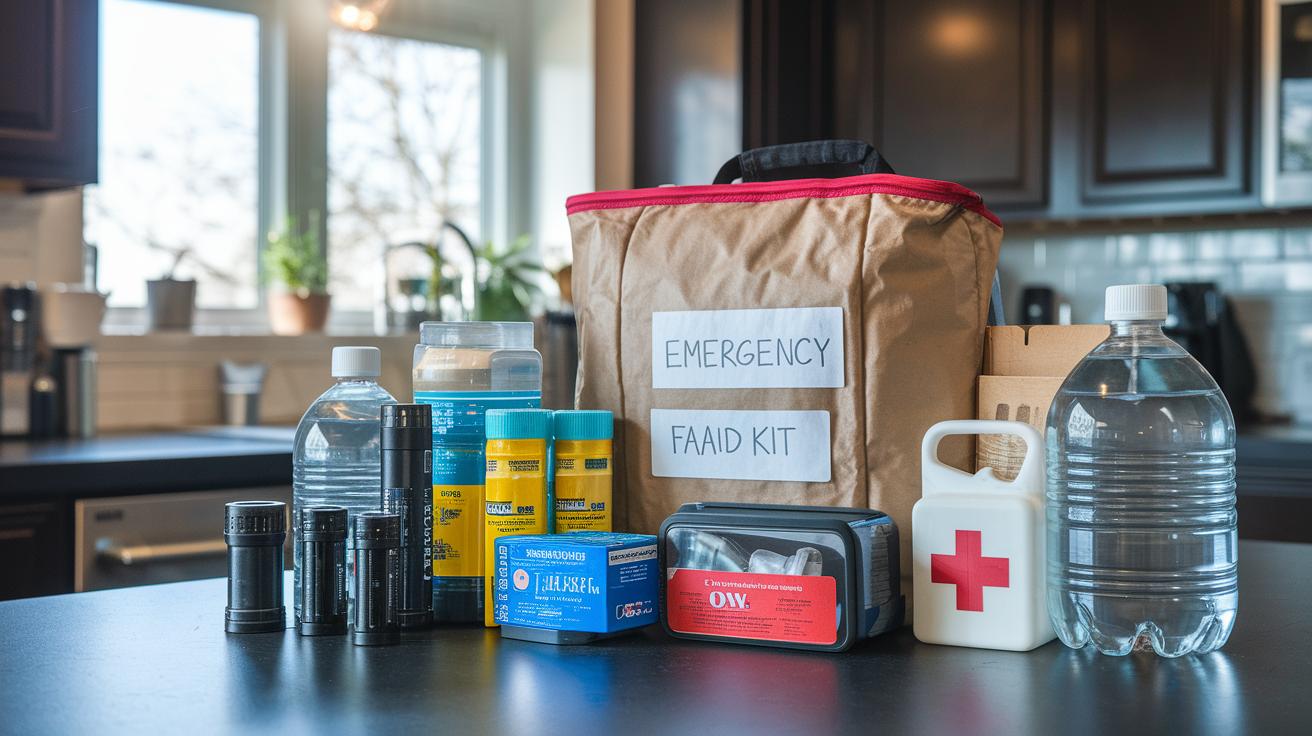

Quick take: In an emergency, a ready kit with essentials can protect your family when every minute counts.
If you notice danger or feel unprepared, follow these steps:
• Check your supplies now.
• Gather clean water, non-perishable food, first aid items, and pet essentials.
• Aim to cover at least 72 hours.
• Act soon, when disaster strikes, every minute matters.
Have you ever wondered how you’d manage if a disaster hit? It’s not a luxury to have an emergency kit, it’s a must. This guide helps you put together a simple kit to keep your home ready for crisis. With so many people caught off guard, now is the perfect time to gather these supplies and ensure your family’s safety.
Everything You Need in Your Complete Emergency Supplies Checklist
Quick Take: Make sure your emergency kit supports everyone in your home, including pets, for at least 72 hours.
Immediate Steps:
- Check you have enough water (2 liters per person per day) and non-perishable food like canned vegetables, energy bars, and ready-to-eat meals.
- Ensure your first aid kit is stocked to handle minor injuries and common emergencies.
- Gather a two-week supply of any daily prescription medications plus over-the-counter drugs.
- Add key tools such as flashlights with extra batteries, a multi-tool, blankets, and extra clothing.
- Include personal items such as hygiene products, important documents, and a small amount of cash.
Remember to review your supplies every six months. Check expiration dates on food, medications, and other perishable items, and replace them as needed. Also, pack specific pet supplies like food, water, medications, and comfort items to cover your furry companions.
Following these steps will help you maintain a reliable kit that reduces stress during unexpected events.
Water and Food Items for Your Emergency Supplies List
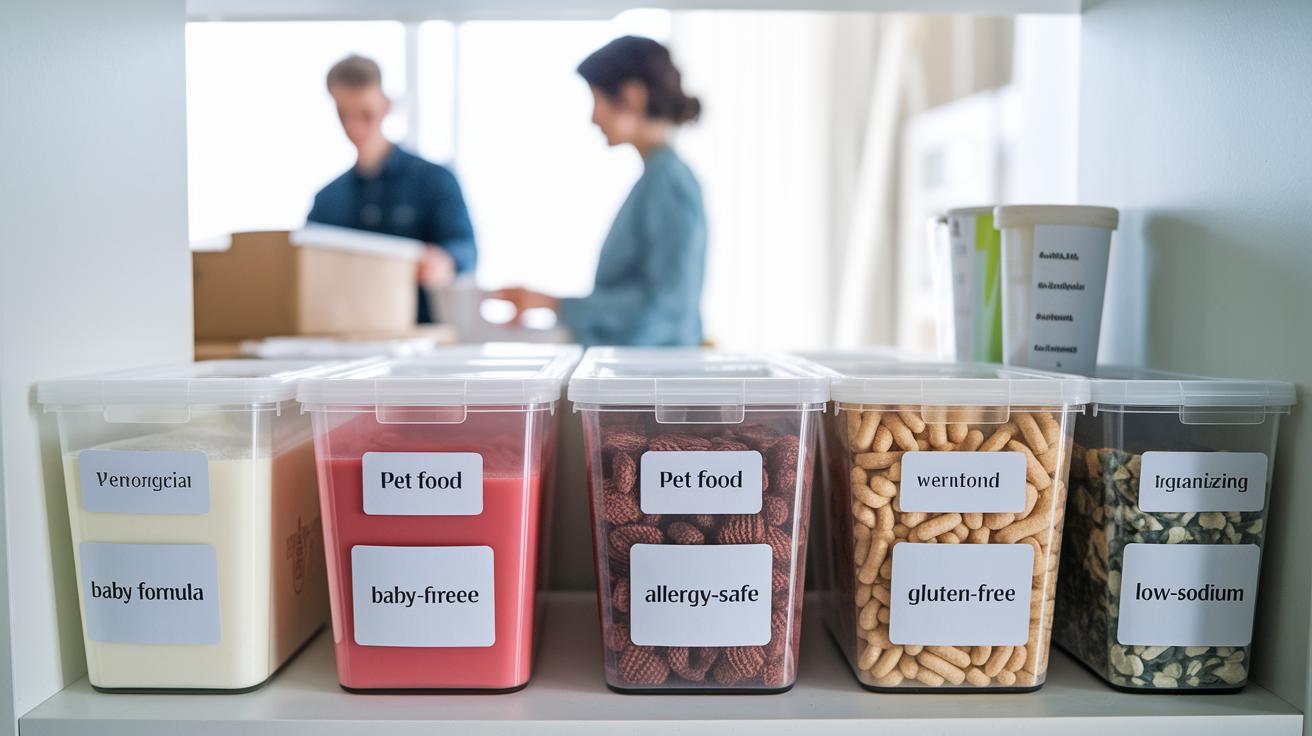
Quick take: When an emergency strikes, remember to include extra food and water items that meet special diet needs.
Extras to consider:
- Use baby formula for infants.
- Set aside pet food for your animal friends.
- Keep allergy-safe snacks on hand for anyone with food sensitivities.
- Include options for gluten-free or low-sodium diets if needed.
Store these items in strong, clearly labeled containers. Check them regularly for expiration dates and replace them as needed to keep your supplies fresh and safe.
Medical and First Aid Supplies on Your Emergency Supplies List
Quick tip: Keep your medications up to date so you’re always ready when every minute counts.
Make sure your kit has a two-week supply of both your prescription drugs and common over-the-counter medicines. You want to rotate these supplies often to keep them effective. For example, check pain relievers or allergy pills every 6 months. Replace them early if you see an expiration date. This small step can be life-saving in an emergency.
Your kit should include the meds your doctor prescribed plus everyday drugs you might need for minor injuries or sudden symptoms like fever or headaches. Good choices are ibuprofen, acetaminophen, and antihistamines. Also add basic first aid items such as antiseptic wipes, bandages, and burn cream. This balanced mix helps you manage short-term care until you can get professional help.
Remember to tailor the kit for everyone in your home. If you have infants, seniors, people with disabilities, or allergies, include any specific medicines or dosages needed, for example, liquid medications for children or lower doses for sensitive adults. Check and update your supplies regularly to keep your kit ready and reliable when emergencies happen.
Specialty Emergency Supplies: Cooking, Sanitation, Safety, Pet & Car Kits
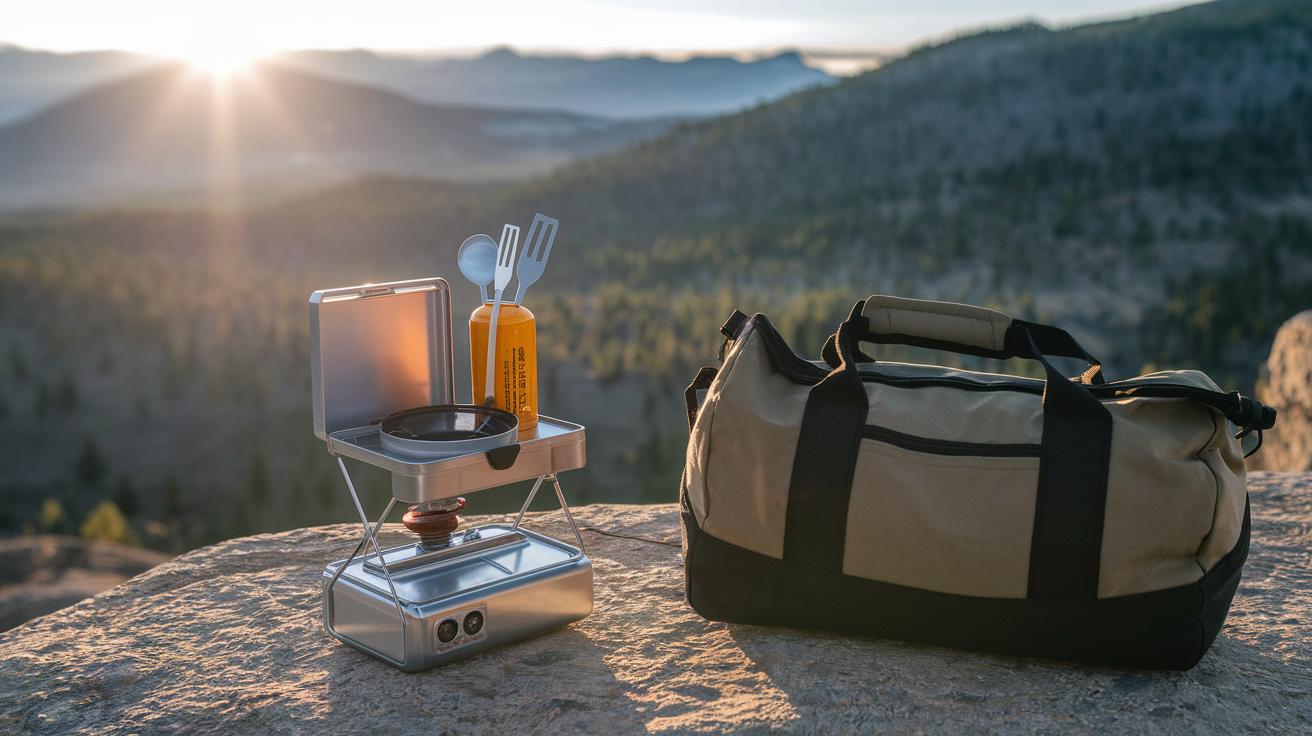
Cooking Supplies
When an emergency strikes, you might need to cook on the go. Pack a small, portable stove, some fuel, and basic utensils to help you make meals quickly. Choose light items that fit easily into a suitcase, duffle bag, or sturdy bin. For example, a foldable stove with a fuel canister and a few essential cooking tools can make a big difference.
Sanitation Supplies
Staying clean is important, especially during an emergency. Bring hand sanitizer, disinfecting wipes, and waste bags to help keep infections at bay. Store these supplies in a waterproof pouch so you can maintain basic hygiene even when regular facilities aren’t available.
Safety Supplies
Your safety matters most. Include a strong flashlight with extra batteries, a multi-tool (a single tool that performs multiple tasks), and a whistle. These items help you navigate dark areas and handle unexpected problems. Keep them handy in your emergency bag for quick access.
Pet Supplies
Your pets count on you during tough times. Pack enough pet food, a secure leash, and copies of vaccination records to keep them safe. Organize these items in a separate, clearly labeled container so you can grab them quickly when needed.
Car Emergency Supplies
A good roadside kit can turn your car into a safe spot in an emergency. Keep jumper cables, flares, and a basic roadside repair kit in a compact, sturdy bag. This way, you’ll have the tools you need right when you need them during a roadside emergency.
| Category | Example Items |
|---|---|
| Cooking | Portable stove, fuel canister, utensils |
| Sanitation | Hand sanitizer, disinfecting wipes, waste bags |
| Safety | Flashlight, extra batteries, multi-tool |
| Pet | Pet food, leash, vaccination records |
| Car | Jumper cables, flares, roadside repair kit |
Determining Quantities and Maintenance for Your Emergency Supplies Inventory
Check your emergency supplies often. Make sure each item is fresh and clearly labeled with the purchase and expiration dates. For example, write "Buy: 03/15, Use by: 09/15" on a container. This simple step helps you replace items on time and stops waste.
Pick storage options that are strong and easy to move. Use suitcases, duffle bags, or covered boxes to keep your kit organized and ready. Arrange your backup supplies so you can grab them quickly during an emergency.
Customizing Your Family Emergency Supplies List

Start by writing down each family member's needs. Use a simple checklist to note special diets, medications, and favorite comfort items. For example, write each name with any food restrictions or allergies. This approach helps you see exactly what supplies everyone needs.
Next, make lists for different ages and health needs. Include items for kids, seniors, and those with disabilities. For instance, you might write: "Child – nut-free snacks" or "Senior – blister pack medicines." This keeps your list clear and avoids repeating information.
Finally, check your list often. Update it after moves, health changes, or when buying new items. Write down purchase dates and expiry details. Keeping your list current ensures your family’s emergency supplies are always ready when needed.
Resources and Alerts to Finalize Your Emergency Supplies List
Sign up for alerts on your phone using mobile apps and social media like CodeRED, Twitter, and Facebook. These alerts send you important warnings and easy, step-by-step instructions during an emergency. Check out official guides from FEMA and your state emergency center to learn how to build a kit that fits your local needs. Using these trusted sources helps you stay informed and ready when things change fast.
Download free checklist templates from community preparedness programs and government agencies. These PDFs help you list emergency items like food, water, medications, and personal care supplies. They give clear setup instructions and practical tips that you can update as your family’s needs change.
Final Words
In the action, your emergency kit is more than a storage unit, it’s a lifeline during stressful events. We explored the 72-hour rule, essential food, water, medications, and supplies for both people and pets. Clear steps for proper rotation and storage make your kit effective and worry-free. A complete emergency supplies list empowers you to act promptly and safely. Remember, being prepared not only brings peace of mind but also builds a steady path through any crisis.
FAQ
What are essential items for an emergency kit?
The essential items for an emergency kit include water (2 liters per person per day), non-perishable food, first aid supplies, flashlights, batteries, basic medications, sanitation items, multi‑tools, copies of important documents, and pet supplies.
What does a 14‑day emergency kit list include?
A 14‑day emergency kit list builds on the basic 72‑hour rule by adding extra non‑perishable food, additional water, extended medication supplies, expanded sanitation items, and other comforts needed for longer events, while rotating supplies for freshness.
How can I access FEMA emergency supply lists and emergency go‑bag checklists?
The FEMA emergency supply lists and emergency go‑bag checklists are available as downloadable PDFs on FEMA’s official website and through local emergency management offices, helping you confirm that your kit is complete.
What items should I stockpile for an emergency?
Stockpiling for an emergency means gathering water, food, medications, first aid supplies, sanitation essentials, personal documents, and any needed items for pets while following the 72‑hour minimum rule for every family member.