
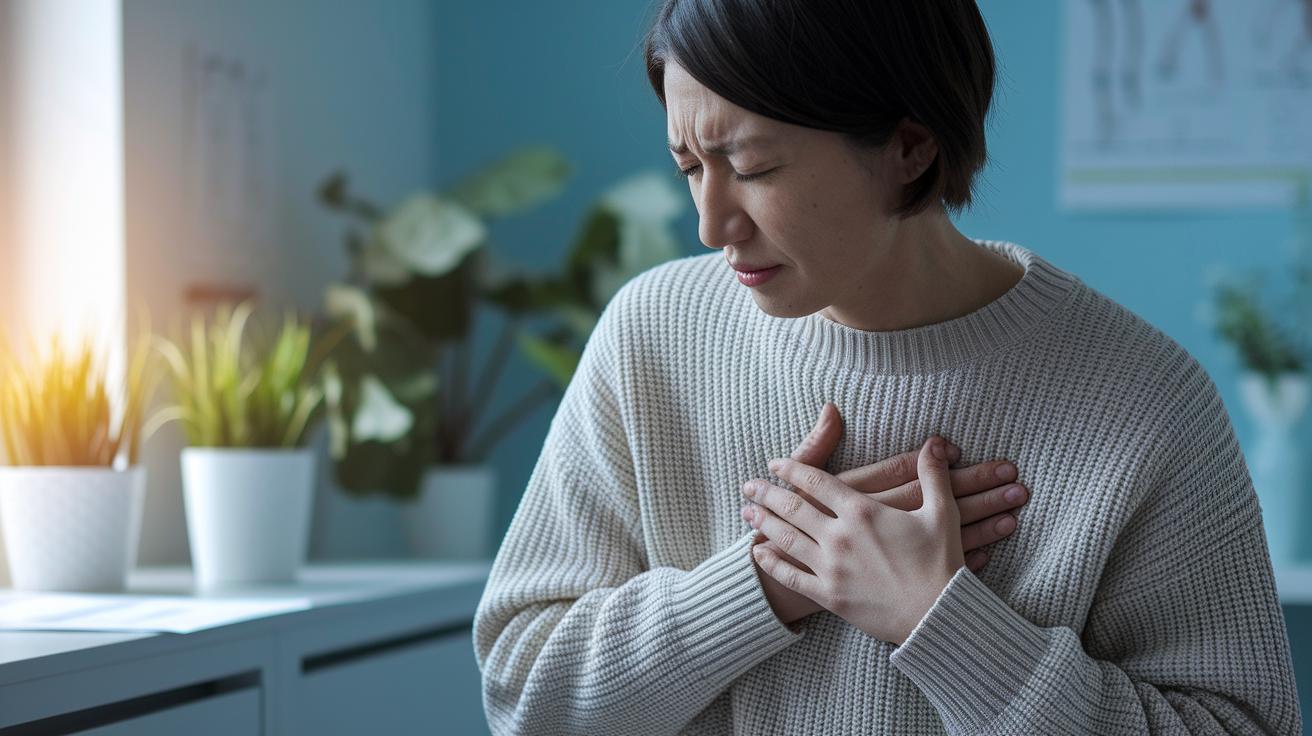

Quick Take: Stress can make your chest feel tight, but severe pain or other warning signs call for immediate help.
Triage Box:
• If you have severe chest pressure, pain that spreads to your arm, jaw, or neck, trouble breathing, or fainting, call emergency services now.
• If the tightness lasts more than 10 minutes or gets worse, seek same-day medical care.
• If the symptoms are mild and seem linked to stress, try relaxation techniques and keep track of your signs.
When stress hits, you might feel like your chest is being squeezed. This happens because your body releases hormones like adrenaline (a hormone that makes your heart beat fast), which can cause the muscles in your chest to tighten.
Stress-related chest tightness usually comes and goes as your emotions change. But if the pressure feels sharp or does not go away, it might be more than just stress.
Take a moment to notice what you feel and when it happens. This information can help you and your doctor decide if the symptoms are due to stress or something else.
Relaxing techniques like deep breathing, resting, or doing a quiet activity might help calm both your body and mind. If your symptoms change or you feel more uncomfortable, remember to get in touch with a clinician right away.
Stress and Chest Tightness: Why Stress Can Cause Chest Discomfort
Quick take: Stress can squeeze your chest causing tightness, but if you have severe pain or trouble breathing, call emergency services now.
If you have any of these emergency signs, call emergency services now:
- Severe chest pain that does not go away
- Pain that spreads to your arm, jaw, or back
- Trouble breathing or feeling faint
If your symptoms worsen or you're very worried, seek same-day medical care.
For now, try deep breaths and simple stress-relief steps to help your body relax.
Stress sets off your body's fight or flight response by releasing hormones like adrenaline and cortisol. These hormones speed up your heart and make your chest muscles tense. That tension can feel like a tight grip or heavy weight pressing on your chest, as if you suddenly felt a squeeze when you were anxious.
Along with muscle tension, stress can cause a warming, almost burning sensation in your chest. You might feel both a tight pressure and a slight heat, showing that worry and physical discomfort are linked. These signs are real and show how your body handles overwhelming emotions.
Studies tell us that about 30-40% of emergency room visits for chest pain come from anxiety rather than heart problems. Panic attacks, which are extreme stress responses, often peak in 10 minutes and fade within 30. This fast onset is different from heart-related pain, which usually builds slowly and gets worse over time.
Understanding these differences can help you see why stress causes chest tightness and why it’s important to manage stress to take care of both your heart and mind.
Distinguishing Stress-Induced Chest Tightness from Heart Attack Chest Pain
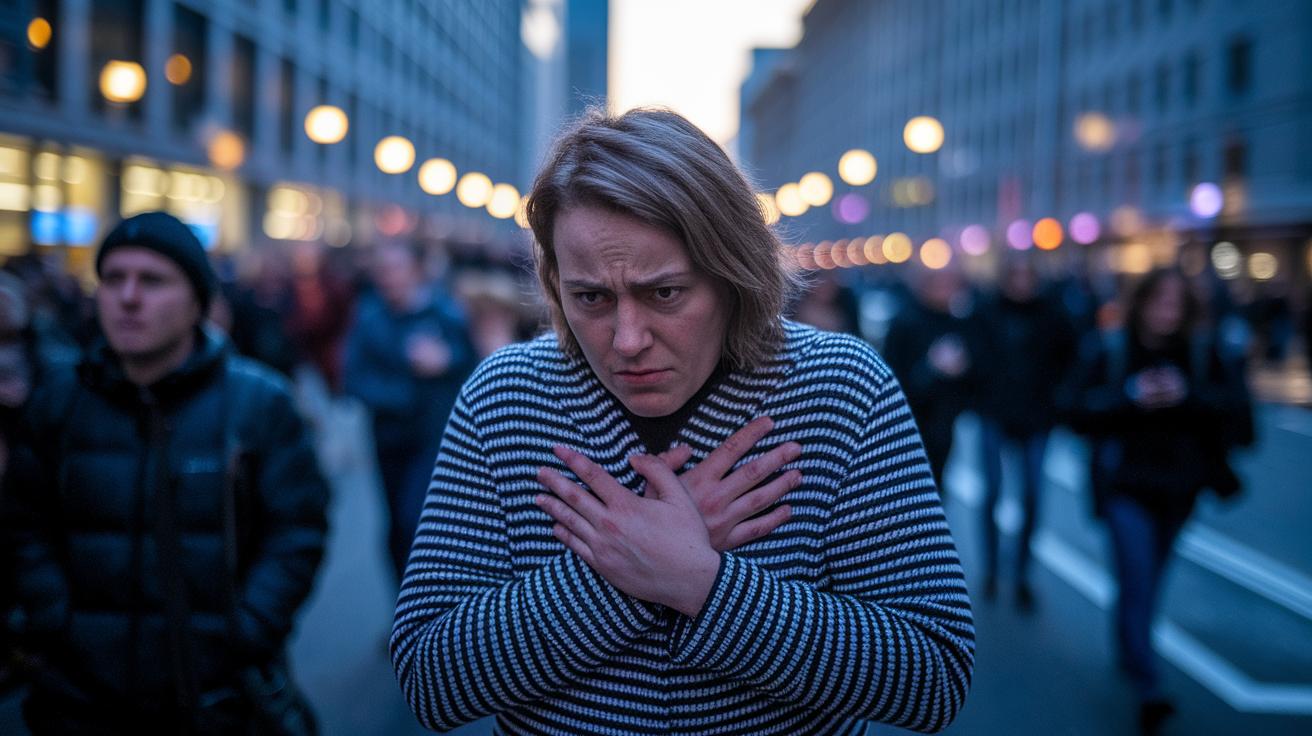
Quick take: Stress can cause a short, tight chest feeling, but heart attack pain builds slowly and may spread.
If you have any of these emergency signs, call emergency services now:
• Crushing pain that spreads to your jaw, shoulders, or arms
• Nausea or breaking out in a sweat
• Pain that does not fade with rest
Stress can make your chest feel tight very quickly. You might feel a quick squeeze that reaches its peak in about 10 minutes and then fades as you relax. This pain stays in your chest and comes with a racing heart.
Heart attack pain, however, builds more slowly. It starts gently, then feels heavy or crushing and may spread to your jaw, shoulders, or arms. If you also feel nauseous, break out in a sweat, or notice pain moving beyond your chest, please get medical help immediately.
| Feature | Stress-Related Chest Tightness | Heart Attack Chest Pain |
|---|---|---|
| Onset | Starts suddenly and peaks in 10 minutes | Begins slowly |
| Duration | Ends within 30 minutes | Lasts longer and grows worse |
| Pain quality & location | Feels tight and stays in the chest | Feels crushing and may spread |
| Associated symptoms | Racing heart and anxiety | Nausea and sweating |
| Red flags | Improves with rest | Needs immediate medical help |
Recognizing Other Physical Signs of Stress and Chest Tightness
Quick take: Stress can trigger sudden body reactions even when there's no true threat.
If you have any of these warning signs, call emergency services now:
- Severe, crushing chest pain
- Sharp, sudden difficulty breathing
- Pain spreading to your arm, neck, or jaw
- Fainting or unusually fast heartbeat
When stress hits, you might notice your breathing becomes hard. You may feel short of breath, as if you're racing to catch up with your body. This happens because your body is setting off a fight or flight response (your natural way to prepare for danger) even though no real danger exists.
Your heart might start to race, making you feel like it’s working too hard or beating unevenly. This fast pulse is your body’s way of sending extra energy to help you react quickly.
Stress can also lead to other symptoms. You might break into a sweat, feel a bit sick, or get lightheaded. These signs are common when anxiety takes over, even if you haven’t been active. They show that your body is releasing extra stress hormones.
Ongoing worry can make your chest muscles feel tight over time. This constant pressure reminds you that stress affects both your mind and body. If these symptoms keep coming or get worse, see a healthcare professional for tips on easing tension and feeling calmer.
When Stress and Chest Tightness Demand Professional Care

Quick take: Chest pain with red flag signs can be serious, act now if you notice these warnings.
Triage Box:
- If you feel chest pain spreading to your jaw, arms, or shoulders
- If the pain lasts more than 30 minutes
- If you experience nausea or sweating with the pain
- If the pain does not improve with stress-management steps
If any of these occur, call 911 immediately.
Sometimes a panic attack can feel like a heavy pressure with short, intense bursts of breathlessness. In contrast, heart attack pain usually starts slowly, builds up, and lingers. After a proper evaluation, your doctor may use tests like an electrocardiogram (EKG, which records your heart’s rhythm) or blood tests to check for heart damage markers. For example, your doctor might explain, "Based on your EKG and blood test results, let’s go over lifestyle changes and medicines to keep your heart safe."
Follow your doctor’s care plan closely and note any new or changing symptoms to share at your next visit.
Techniques to Relieve Stress and Chest Tightness
Stress can make your chest feel tight. Simple, calming methods can help your body relax. Deep breathing and mindful practices slow your heart rate and ease muscle tension. Focusing on your breath tells your body it can calm down, even when things feel hard.
- Box breathing
- Pursed-lip breathing
- Progressive muscle relaxation
- Journaling to process anxiety
- Mindfulness meditation
- Gentle yoga or stretching
- Sleep hygiene practices
Try adding one of these methods into your day. Start small by spending a few quiet minutes practicing box breathing or writing down your thoughts. As you feel more at ease, you might add gentle yoga or mindfulness meditation to your routine. Keeping a regular sleep schedule also helps your body manage stress better. Experiment with different techniques until you find the ones that work best for you.
stress and chest tightness: Embrace Health Today

Quick take: Simple therapies, mindful exercises, and lifestyle changes can ease a tight chest caused by stress. Make sure to act immediately if your symptoms worsen.
If you have any of these signs, call emergency services now:
- Severe chest pain or pressure
- Trouble breathing or shortness of breath
- Fainting or feeling very lightheaded
If your symptoms last more than 3 days or worsen gradually, seek same-day medical attention.
Talk therapies like cognitive behavioral therapy help you spot and change negative thoughts that add to chest tension. Working with a trusted therapist may let you say, "I feel a tight weight on my chest when worries add up." Over time, these sessions give you useful tools to lower stress and ease muscle tension.
Mind–body practices such as yoga and meditation offer calm through gentle movement and deep breathing. Regular practice can help relax your chest muscles and reduce that heavy, constant pressure. Even a few minutes of guided meditation each week can help reset your stress response.
Making small changes in your daily routine can bring lasting chest comfort. A balanced diet, regular exercise, and a consistent sleep schedule help lower stress overall. Daily calming practices, even short ones, can stop stress from building up and causing muscle aches.
Final Words
In the action, we reviewed how stress triggers chest discomfort through the fight-or-flight response. You learned to spot red flags and tell apart stress-related chest pain from heart issues. We covered immediate relief tips like deep breathing and highlighted long-term strategies to ease stress and chest tightness. Tracking symptoms and knowing when to seek care can keep you safe. Keep using these practical steps to calm your body and mind, and know that managing stress is a process that can lead to a brighter, healthier tomorrow.
FAQ
How do you relieve chest tightness and pain from anxiety or stress?
The answer is that deep breathing, relaxation exercises, journaling, and regular physical activity can ease chest tightness. Using these techniques may help lower stress and reduce muscle tension.
Can anxiety cause chest pain every day?
The answer is that anxiety can trigger frequent chest pain. The pressure can feel heavy and mimic heart discomfort, so managing anxiety and discussing symptoms with a professional is important.
What does chest pain from stress feel like?
The answer is that chest pain from stress often feels like a heavy pressure or tightness in the chest. This sensation may come with rapid heart rate and difficulty breathing.
Can stress cause tightness in the chest?
The answer is that stress activates your body’s fight-or-flight response, releasing hormones that can tense chest muscles, leading to a tight feeling that mimics other heart-related issues.
How can I tell if my chest pain is heart-related or from stress?
The answer is that stress-related chest pain tends to be localized and improves with relaxation, whereas heart-related pain often radiates to the jaw, shoulders, or arms and includes symptoms like sweating or nausea.
How do I get rid of chest tightness safely?
The answer is that using controlled breathing, gentle stretching, mindfulness practices, and seeking prompt medical attention for prolonged symptoms are effective ways to relieve chest tightness.
What does musculoskeletal chest pain due to anxiety mean?
The answer is that this type of pain is caused by muscle tension in the chest from ongoing anxiety. It usually improves with relaxation techniques and reducing overall stress.