


Quick take: A smart emergency plan can stop chaos and keep your team safe.
If you notice any gaps in your plan, act now to review and update it. It’s normal to wonder if your current steps are enough when disaster strikes. In a crisis, every second counts. A clear plan with simple steps and honest risk checks can really save lives and limit disruption.
Here’s how you can get started:
• Review your plan for any missing details.
• Check that each team member knows what to do.
• Identify your key assets and be clear on how to protect them.
This guide shows you proven methods and real-life examples that help you act fast and secure what matters most. By putting smart planning into action, you turn worry into control and stress into clear steps.
Emergency Response Plan Fundamentals
A quick take: This plan gives you clear steps to act fast when emergencies strike.
In any urgent event like a fire or an armed threat, every second counts. This plan lays out what you need to do to protect lives and keep your operations running smoothly. For example, if your business loses power, the plan tells you how to safely evacuate and secure key items.
Remember, this is not the same as a disaster response plan or an incident response plan. A disaster plan focuses on long-term recovery, while an emergency response plan is your first line of defense. Its main goal is simple: save lives and stabilize the situation immediately.
FEMA’s guides help set up these steps with proven methods. Their templates let you add specific contact details and account for the hazards unique to your operation.
Your plan must meet regulatory standards. Using regular audits and scheduled reviews ensures your plan is always up-to-date and ready to use.
Key benefits of a strong emergency response plan:
- Save lives
- Reduce disruption
- Protect vital assets
- Keep your team safe
- Maintain clear, compliant procedures
Stay ready and act fast when needed.
Risk Assessment and Hazard Identification in Emergency Response Plans

Start with a careful risk assessment. This step is key to being ready when it matters. Begin by looking closely at hazards in your community. Think about risks like floods, storms, power outages, or acts that can cause harm. Also, plan for any family member who might need extra help during an emergency.
A systematic review helps you list and sort risks by how likely they are and what impact they might have. Use a planning toolkit to guide you. This toolkit can help you build an emergency fund, get the right insurance, and set up quick service agreements with local helpers, such as repair services.
Plan by using real-life scenarios. Practice what you would do in cases like fires, accidental separation, or when you need to leave home quickly. Create checklists to mark safe exit routes and decide on meeting points, like a friend’s house that is far enough away to be safe.
Don’t forget that clear money and logistics plans go hand in hand with physical safety. This organized approach helps you use risk assessments to protect lives and minimize damage during emergencies.
Start small: review one risk at a time. When planning for a fire, remember that every minute counts. Being prepared can truly save lives.
Emergency response plan: Energizing Crisis Readiness
Quick Take: A clear, practiced plan with set roles saves lives during a crisis.
Triage Box:
• If you see life-threatening danger (fire, gas leak, or structural issues), call emergency services immediately.
• If the situation feels urgent, follow your designated leader’s instructions right away.
• For safe evacuation, listen to your route guides and building safety manager.
A strong emergency plan starts with clear roles. You need an incident commander to lead and make fast decisions. A communication lead will share important updates during the crisis. A building utilities manager will check that the facility stays safe, and route guides will help people leave safely.
Train your team regularly. Practice drills and simulations so everyone knows the chain of command and their part when things get serious. When every second counts, these clear steps help ensure a rapid and coordinated response.
Emergency response plan: Energizing Crisis Readiness
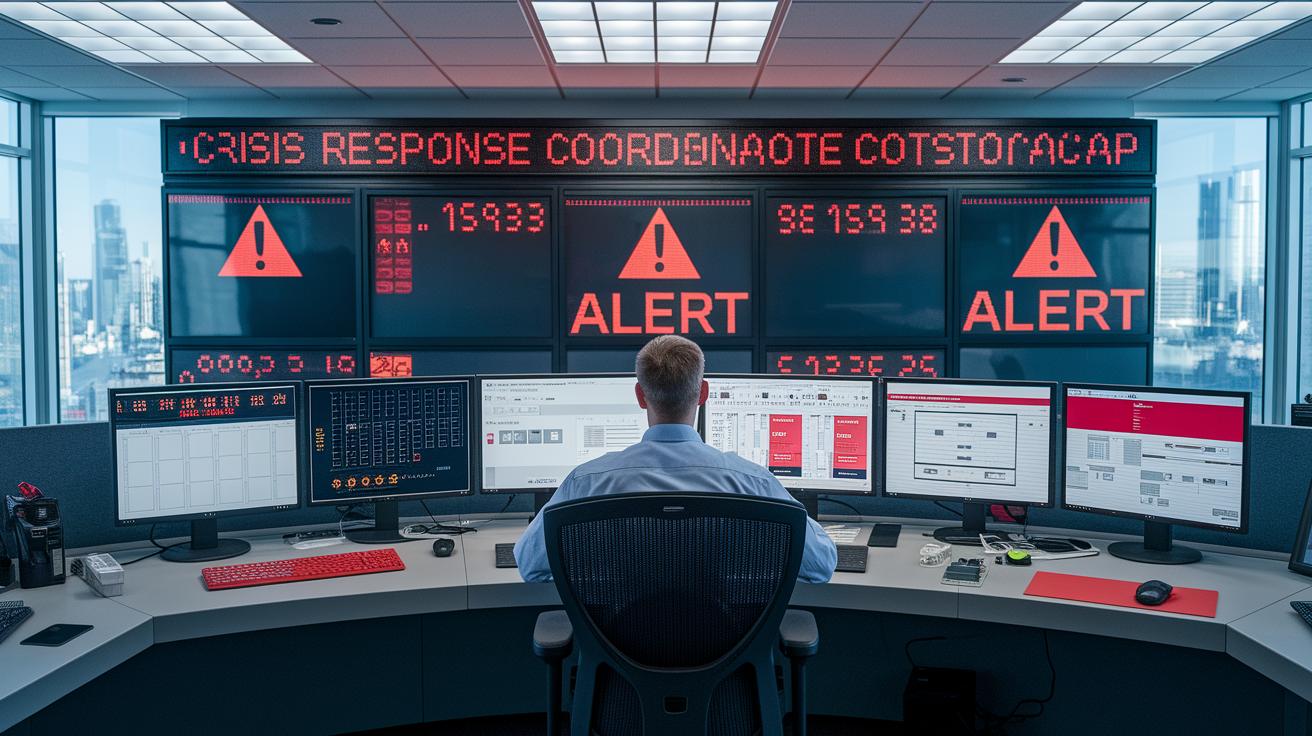
When a crisis hits, clear and fast communication saves lives. Assign one person to alert everyone immediately using reliable methods like PA systems, text messages, or mass-notification apps. If your alert goes unacknowledged within 1 minute, follow up with a phone call or a second text to make sure no one misses the message.
Make sure your plan works with emergency services. Keep your phone trees current and have mutual aid agreements with your local fire, police, and EMS. That way, first responders are contacted without any delay.
A simple crisis communication plan helps everyone know what to do. Create clear message templates and update your alert lists often so every team member is on the same page. Designate a spokesperson to handle media questions and share the same accurate message with everyone.
- Update alert lists and protocols regularly
- Test communication systems often
- Train team members on notification steps
- Maintain current agreements with local emergency services
These steps bring clear roles, quick escalation rules, and regular updates together to boost your crisis readiness during critical moments.
Emergency response plan: Energizing Crisis Readiness
Plan ahead to keep everyone safe and your operations running during an emergency. Use backup power tools like generators or UPS systems to stay on even during outages. Build strong ties with repair vendors now so you can fix problems quickly later.
Start by making a list of all your safety gear. List items such as first aid kits, fire extinguishers, and fire alarms. Create a simple checklist that shows when to inspect and maintain each item. This step-by-step plan helps you know that every tool will work when you need it most.
Assign a team member to check each item on your list. For example, fire extinguishers should be refilled every 10 years (or replaced every 12 years if they are disposable) and get a quick monthly check. Fire alarms need a full inspection once a year and a test every 2 months. First aid kits should be reviewed every 3 months, and their supplies should last 3 to 5 years. Backup generators should be load-tested every month, serviced annually, and have fuel checked often.
| Equipment | Inspection Frequency | Expiration | Notes |
|---|---|---|---|
| Fire extinguisher | Refill every 10 years; replace disposable every 12 years | N/A | Monthly visual checks by staff |
| Fire alarm | Annual inspections; tests every 2 months | N/A | Logs maintained by utilities |
| First aid kit | Quarterly inspections | 3-5 years | Restock based on usage logs |
| Backup generator | Monthly load-test; annual service | N/A | Fuel reserves checked monthly |
Following these steps helps ensure all critical equipment is ready and reliable when a crisis hits.
Emergency response plan: Energizing Crisis Readiness
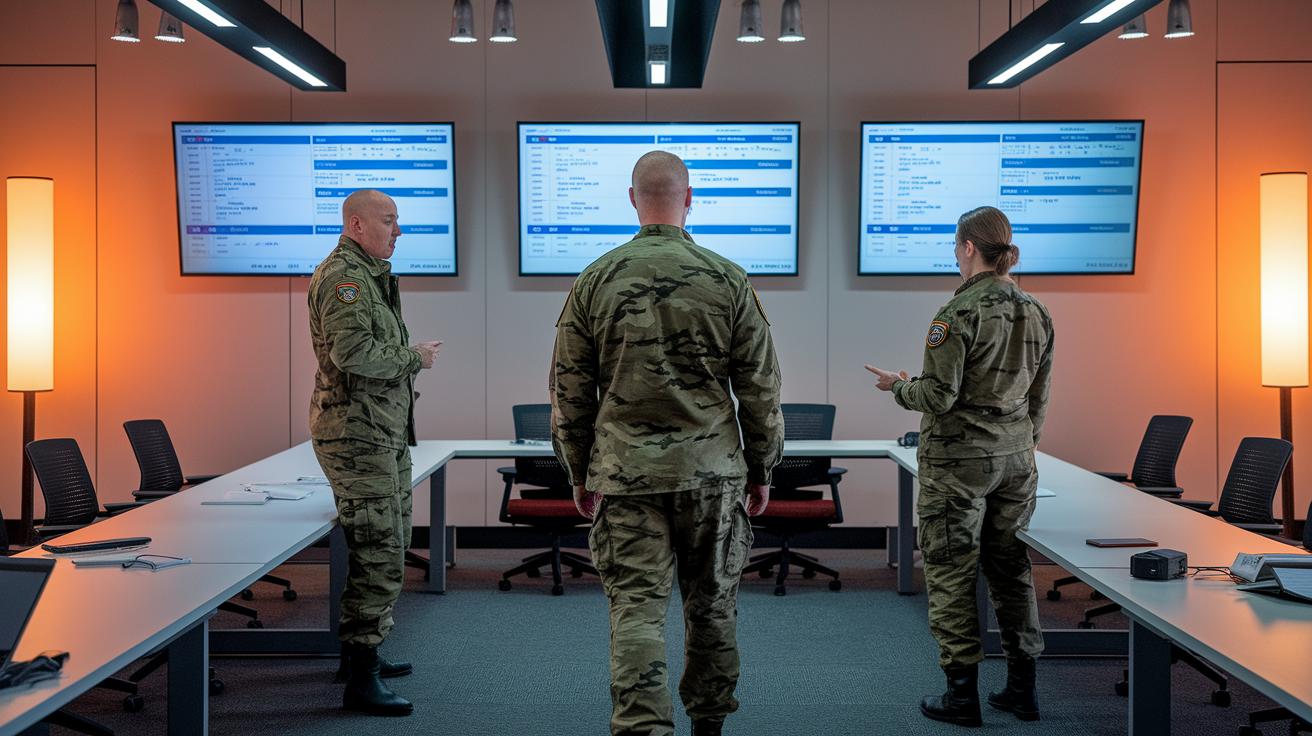
Quick tip: Regular drills help spot gaps and build your team’s readiness.
If you see any of these warning signs, act immediately:
- Slow response times during drills.
- Confusing or delayed communications.
- Poor resource use in exercises.
Drills are the heart of a strong emergency plan. Running regular exercises shows you what works and what needs fixing. Try different drills like walkthroughs, tabletop sessions, functional tests, and full-scale simulations to check every part of your plan.
Use a disaster simulation framework to see how fast your team reacts, how clear your messages are, and how well your tools function. A simulation can reveal delays or missteps before a real crisis happens. After each drill, take a moment to discuss what occurred and note any gaps. This review helps update your plan so your team is ready when every second counts.
Keep your skills sharp by scheduling drills regularly. For example, run a tabletop drill every 3 months to walk through scenarios, a functional drill every 6 months for realistic practice, and a full-scale simulation once a year to test your whole plan.
- Run walkthroughs for visual and practical review
- Hold tabletop sessions to practice quick decision-making
- Do functional drills to check resource use
After every exercise, record your team’s response times and check how well you communicated. Then, adjust your strategy based on what you learned. These steps build a cycle of improvement that keeps your team ready for any crisis.
Integrating Business Continuity and Recovery in Emergency Response Plans
Quick take: Combine your emergency steps with business continuity plans so you can bounce back fast.
Make sure your emergency response and recovery plans go hand in hand. This way, if a crisis hits, you can cut downtime and get back to work sooner. Set up a recovery team whose job is to restore operations quickly.
Write down clear recovery steps for every part of your plan. For example, include simple IT instructions that explain how to stop an issue, find out what caused it, and put your systems back on track.
Plan for backups by choosing alternate work locations. If one place is unsafe, your team should be ready to work somewhere else. Also, back up your data regularly so your critical information stays safe no matter what happens.
Set clear goals with measurable targets. Write down specific numbers, like when systems must be restored (for example, “Restore backup systems within 2 hours to resume key functions”). Keep these details in an easy-to-read guide everyone can follow.
Break your recovery steps into simple tasks. Assign each key person their responsibility, and test your IT plans often. Regular testing and updates help you stay ready for any new challenge. This approach not only saves time during a crisis but also reduces the financial hit by keeping your operations running smoothly.
Mixing immediate emergency actions with long-term recovery plans protects your business and keeps it steady when every minute counts. For instance, if a power outage forces your office to close, having a pre-planned guide ensures an alternate site is ready, your data is secure, and your recovery steps are clear.
Regulatory Compliance and Auditing for Emergency Response Plans

Keep your emergency plan in line with OSHA, NFPA, FEMA, and your local rules by saving clear records. Record every update, training session, and inspection so you always meet legal standards and are ready for any incident.
Use compliance management software to make your work easier. It sets reminders, tracks changes, and builds audit trails to help you spot outdated or missing details fast. This kind of software creates a solid checklist that covers all required standards.
Each year, do a full preparedness audit. Check that your plan is complete, roles are clear, supplies are on hand, and drill outcomes are noted. Make sure every emergency step follows current guidelines and that all training and safety checks are documented. Update your plan based on what you find to stay in step with changing rules.
- Review compliance against OSHA, NFPA, and FEMA guidelines
- Keep current records of training and inspections
- Use software to automate compliance checks
Following these steps keeps your emergency plan up to date, safe, and ready for any incident.
Final Words
In the action, this article shows how to build an emergency response plan to keep your organization safe during a crisis. It reviews risk assessment and hazard identification, clear command roles, and solid communication and alert protocols. It also covers resource management, hands-on training drills, and business continuity methods, all while meeting regulatory rules. Each step helps you respond quickly and safely during tough times. Prepare now by organizing these essential components so that when emergencies arise, you know what to do. Stay ready and safe.
FAQ
What formats are emergency response plan templates available in?
The emergency response plan templates are available in formats such as PDF and Word. These sample templates offer ready-made structures that you can customize to meet your organization’s specific safety and regulatory needs.
What does emergency response plan training involve?
The emergency response plan training covers how to execute the plan’s procedures, clarify roles, use communication protocols, and practice drills. This training ensures every team member knows how to act swiftly during critical events.
What is an emergency response plan in safety?
An emergency response plan in safety outlines clear procedures for responding to incidents like fires or active shooter events. It is designed to protect lives and reduce damage by providing structured steps for immediate action.
What are the 5 elements of an emergency response plan?
The five elements typically include risk assessment, clear procedures, defined roles, effective communication protocols, and regular review. These components work together to ensure prompt and coordinated action during emergencies.
What are the 5 basic emergency responses?
The five basic emergency responses are to alert authorities, assess the situation, evacuate if necessary, provide first aid, and account for everyone. These steps help keep you and your team safe during urgent incidents.
What does an emergency response plan include?
An emergency response plan includes procedures for risk identification, defined roles, communication methods, resource allocation, and recovery steps. It serves as a complete guide to manage crises and protect people and assets.