
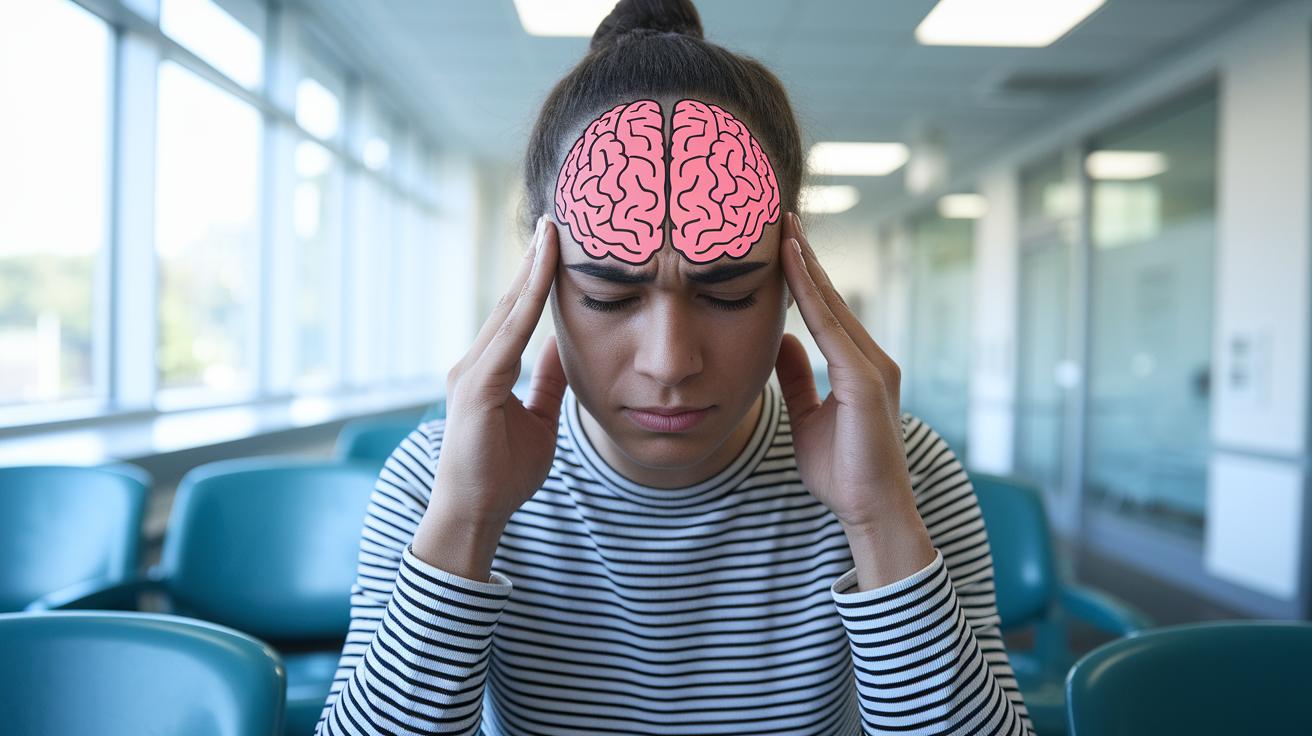

Quick take: Headaches can feel very different. You might experience a pounding, one-sided migraine or a dull, all-over tension headache.
Triage:
• If you have a sudden, severe headache or notice vision changes, confusion, or fever, call emergency services now.
• If your headache feels different from what you usually experience, seek urgent care.
• Otherwise, keep an eye on your symptoms, rest, and stay hydrated.
Have you ever had a headache that pounded on one side, while another left your whole head feeling tight and dull? It can be confusing trying to tell them apart. Migraines usually bring strong pain on one side of your head and may include extra signs like feeling sick, sensitivity to light, or sound. Tension headaches, on the other hand, give you a steady, dull pressure that feels like a band around your head.
In this post, we explain the main differences between these two common headache types. By understanding your symptoms better, you can take the right steps to relieve your pain and feel more confident in managing your health.
migraine vs tension type headache: Clarity & Relief
Quick take: If you have a pounding headache on one side with nausea or visual changes (aura), it is likely a migraine. A dull, tight headache on both sides usually indicates a tension-type headache.
If you experience any new warning signs such as a sudden, very strong headache, confusion, trouble speaking, weakness, or vision loss, call emergency services right away.
Migraines often hit hard. They bring severe, throbbing pain that can stop you from doing your normal activities. You might feel sick to your stomach or find bright lights and loud sounds hard to bear. Some people even see wavy lines or bright spots (aura) before the headache starts.
Tension-type headaches feel different. They cause a steady, dull ache that spreads across both sides of your head. You usually won’t feel sick or be bothered by light and sound with this type.
Knowing these differences can help you decide what to do next and if you should reach out to a doctor.
| Feature | Migraine | Tension-Type Headache |
|---|---|---|
| Pain Quality | Throbbing and pounding | Steady and pressing |
| Intensity | Moderate to very bad | Mild to moderate |
| Location | Often one side | Usually both sides |
| Extra Symptoms | Nausea, light and sound sensitivity, aura (visual changes) | No nausea or sensitivity |
| Duration | 4 to 72 hours per attack | 30 minutes to several days |
Recognizing these signs will help you choose the right treatment and know when to ask for help.
Diagnostic Criteria for Migraine vs Tension-Type Headache

Quick take: Migraines usually hit one side with a throbbing pulse and upset stomach, while tension headaches feel like a tight band around your head.
Triage:
- If you notice a sudden change in your headache pattern or new symptoms like weakness, call emergency services now.
- If your symptoms worsen or you feel confused, seek same-day care.
- Track your headache episodes and discuss them with your clinician if they become frequent.
Migraine Diagnosis:
• You need at least 5 separate attacks.
• Each attack lasts between 4 and 72 hours.
• The pain usually hits one side of your head and feels pulsing.
• The pain is moderate to severe.
• Routine activities like walking or climbing stairs often make it worse.
• You might also experience nausea or become sensitive to light or sound.
Tension-Type Headache Diagnosis:
• You need 10 or more episodes.
• Each headache lasts from 30 minutes up to 7 days.
• The pain is felt on both sides of the head.
• It feels pressing or tightening.
• The intensity is mild to moderate and does not worsen with everyday activities.
• Nausea and sensitivity to light or sound are usually not present.
When you are unsure of your diagnosis or if your symptoms change, consider getting advanced tests like an MRI or CT scan and see a specialist.
Symptom Profiles: Pain, Aura, and Neurological Signs in Migraine vs Tension
Quick take: Migraines bring one-sided, pounding pain with possible flashing lights, while tension headaches give a steady, band-like ache with tight neck and shoulder muscles.
If you experience any of these emergency signs, call emergency services now:
- Sudden, very severe headache
- New vision loss or confusion
- Trouble speaking or weakness
If your symptoms are less severe but concerning, seek same-day medical care. Otherwise, you can monitor your pain and try self-care measures like resting and tracking how you feel.
Migraines usually cause a strong, pulsing pain on one side of your head. About 25% of people with migraine notice visual disturbances such as flashing lights or zigzag patterns. You may also feel dizzy or have unusual sensations.
Tension headaches, on the other hand, result in a constant, dull ache that feels like a band around either side of your head. They are often linked to tight muscles in your neck and shoulders.
Quick reference summary:
- Pain: Migraine pain is pulsing and typically on one side; tension headache pain is steady and affects both sides.
- Visual and neurological signs: Migraines can come with flashing lights and changes in feeling; these do not occur with tension headaches.
- Muscle tension: Neck and shoulder stiffness often happens with tension headaches, unlike with migraines.
Common Triggers and Risk Factors for Migraine vs Tension Headache

Quick take: Migraines and tension headaches come from different triggers, and knowing them can help you adjust your daily habits.
Migraines are often linked to your hormones and what you eat or drink. Many people find that missing sleep, having caffeine, or eating foods like aged cheese can start a migraine attack. Not drinking enough water or sudden changes in sleep can also trigger one. Stress, whether from feelings or physical strain, adds to the risk, especially if migraines run in your family.
Tension headaches usually come from different factors. They are mostly caused by stress that builds up tightness in your neck and shoulder muscles. Sitting too long at a computer, having poor posture, or straining your muscles can cause a band-like ache across your head. Tension headaches rarely cause nausea or sensitivity to light, but they can become a constant bother if you don’t get proper rest or adjust your work habits.
Migraine Triggers:
- Experience hormonal changes
- Consume certain foods or drinks (like caffeine or aged cheese)
- Suffer from dehydration or sleep disruptions
- Endure high stress levels
- Have a family history of migraines
Tension Headache Triggers:
- Face emotional stress
- Sit with poor posture
- Spend long hours on screens
- Develop neck or back muscle tension
- Deal with physical fatigue
Pharmacological Treatments: Migraine vs Tension-Type Headache
Migraines and tension headaches need different medicine plans. If you have migraines, you may feel one-sided, strong, throbbing pain with nausea (feeling sick) and light sensitivity. For a mild migraine, over-the-counter pain relievers like ibuprofen might help. But for worse attacks, many people use triptans (medicines that reduce migraine pain). You might also take anti-nausea medications. And if your migraines happen often and disrupt your life, your doctor may suggest preventive medications such as beta-blockers or antidepressants to lower the number of attacks. Sometimes, if pills aren’t enough, doctors use IV treatments (medicines given through a vein).
Tension headaches usually bring steady, dull pain that spans both sides of your head along with muscle tightness. Over-the-counter pain relievers like NSAIDs (nonsteroidal anti-inflammatory drugs) and simple pain relievers are common choices. In some cases, muscle relaxants are added to ease neck and shoulder stiffness. Because tension headaches are simpler, most people take these medicines right when the pain starts.
Below is a quick reference table that summarizes the types of medications, when to use them, how often to take them, and their common side effects:
| Feature | Migraine | Tension-Type Headache |
|---|---|---|
| Medication Classes | OTC pain relievers, triptans, anti-nausea meds, preventive meds (beta-blockers, antidepressants), IV treatments | NSAIDs, simple pain relievers, muscle relaxants |
| Indications | Severe, throbbing pain with nausea and light sensitivity | Dull pain with muscle tightness |
| Dosing Frequency | Per attack or on a set schedule for prevention | As needed for pain relief |
| Side Effects | Nausea, dizziness, fast heart rate | Upset stomach, sometimes muscle weakness |
Choosing the right treatment means matching your medicine to your symptoms and how severe your headache is. If you’re unsure, talk with your doctor about what works best for you.
Non-Drug Strategies and Lifestyle Modifications for Migraine vs Tension

Quick take: Simple lifestyle changes may ease headache pain and cut down on attacks.
Triage Box:
• If you have a sudden, very strong headache or notice changes in vision, speech, or weakness, call emergency services now.
• If your headache is worsening or is very different from usual, seek help.
• Otherwise, try these steps to manage your symptoms at home.
For migraine headaches, these self-care tips may help:
- Ease stress by trying therapy like cognitive behavioral therapy (CBT) or using biofeedback (techniques to help you control body responses). Set aside about 15 minutes each day for deep breathing.
- Add mindfulness exercises such as yoga or meditation. Even a short session each day can lower your stress.
- Consider acupuncture (using thin needles at specific points) as a way to lessen your migraine pain.
- Keep well hydrated and stick to a regular sleep schedule. A headache diary can help you spot triggers like missed meals or poor sleep.
- Write down each headache episode with the date, time, how bad the pain was, and any possible triggers. This log can help you see patterns and make better choices about your habits.
For tension headaches, these steps might bring relief:
• Keep a good posture during the day to ease muscle strain.
• Try gentle stretching or physical therapy that focuses on your neck and shoulders.
• Practice simple relaxation techniques, such as progressive muscle relaxation (tensing and then relaxing muscles) to ease bundled-up tension.
• A trigger-point massage (focused massage on tight spots) might help relieve muscle tightness in your neck and shoulders.
Using these non-drug tips can boost your overall well-being and help lower the frequency and strength of your headaches. Keep tracking your symptoms and adjusting your habits, and if your headaches change or worsen, reach out to a health professional.
Red Flags and When to Seek Emergency Care in Migraine vs Tension Headache
Quick take: Certain headache signs mean you may need emergency help.
If you notice any of these warning signs, call 9-1-1 immediately:
- A sudden headache that feels like the worst headache ever.
- New weakness, numbness, or trouble speaking.
- A fever paired with a very stiff neck.
- Confusion or changes in alertness.
- Stroke-like signs such as sudden vision loss or severe balance problems.
These indicators may show complications beyond a typical migraine or tension headache. If your headaches keep coming and do not improve with usual treatment but you don't see these emergency signs, follow up with a neurologist for further advice.
Final Words
In the action, we compared pain quality, duration, and triggers to help you see the clear differences between migraines and tension headaches. We explored key symptoms and treatment options, from medication to lifestyle modifications, while keeping emergency signs front and center.
This guide on migraine vs tension type headache aims to empower you with quick, clear steps for effective self-care and prompt care when needed. Stay positive and proactive about your health.
FAQ
What is the difference between migraine vs cluster headache vs tension headache?
The migraine vs cluster headache vs tension headache comparison shows migraine often causes throbbing, one-sided pain with nausea and visual changes, tension headache causes a steady bilateral ache without extra signs, and cluster headache produces sudden, severe pain around the eye.
Can I experience migraine and tension headache symptoms at the same time?
The presentation of migraine and tension headache at the same time indicates overlapping symptoms, with migraine showing throbbing, one-sided pain plus nausea, and tension headache presenting as a steady, band-like ache across the head.
Does a migraine or tension headache quiz really help distinguish between headache types?
The migraine or tension headache quiz helps you understand differences by comparing pain quality, location, and accompanying symptoms, guiding you toward appropriate treatments while emphasizing the need for a clinician’s diagnosis.
How do treatments differ between tension headaches and migraines?
The differences in treatments highlight that migraine management often uses triptans, antiemetics, or preventive medications for severe pain and nausea, while tension headaches typically respond to NSAIDs, simple analgesics, and relaxation techniques.
How can I tell if my tension headache is a brain tumor?
The tension headache vs brain tumor comparison shows that tension headaches cause a steady, bilateral ache without neurological deficits, whereas brain tumors often present with persistent, worsening pain and additional symptoms such as focal deficits.
How do the ICD-10 codes distinguish between migraine and tension headache, and what are the key differences?
The ICD-10 criteria separate migraine and tension headaches by symptoms: migraine involves unilateral, pulsating pain with nausea or light sensitivity, while tension headache involves bilateral, pressing pain without nausea, helping clinicians assign the proper diagnosis.
What is the recommended treatment for a migraine headache in kids?
The treatment for migraine headache in kids includes rest, hydration, and age-appropriate pain relievers, always paired with a pediatrician’s guidance to confirm safe dosages and specific recommendations.
How can I relieve a tension headache during pregnancy?
The strategy to relieve tension headache while pregnant involves gentle rest, using warm compresses, and practicing relaxation techniques, along with consulting your clinician to ensure safety during pregnancy.
Can a migraine cause a swollen face?
The idea that migraine can cause a swollen face is generally uncommon; however, some people may experience facial puffiness related to inflammation, so it is wise to discuss any unusual symptoms with your clinician.