


Quick Take: Natural remedies can ease eczema flare-ups, but watch for signs of infection.
Triage Box:
• If you notice fever, pus, or red streaks on your skin, seek medical help immediately.
• If your eczema suddenly worsens or spreads quickly, contact your clinician today.
• Use gentle home care if symptoms are mild and stable.
Eczema can leave your skin raw, itchy, and red. Many people find that simple home remedies help soothe irritation and lock in moisture. For example, an oatmeal bath gently calms raw, irritated skin, and virgin coconut oil can ease dryness by forming a protective barrier.
Try these steps to help ease your flare-ups:
- Soak in a warm oatmeal bath for about 10 minutes.
- After your bath, gently pat your skin dry.
- Apply virgin coconut oil while your skin is still slightly damp to lock in moisture.
If your symptoms worsen or you see red flags like signs of infection, don’t wait, reach out to your healthcare provider. We’re here to help guide you through these steps and remind you to track any changes in your skin. Write down your symptoms, note when they change, and share this information with your clinician.
This guide is meant to offer clear, practical steps to help you feel more comfortable each day. Stay safe and take care.
Top Natural Home Remedies for Eczema Relief
Quick take: Natural remedies may help soothe your eczema and ease irritation.
Triage:
If your skin becomes very red, swollen, or painful, or if you notice signs of infection like pus, fever, or worsening cracks, seek urgent care.
• Call emergency services now if you have severe bleeding or rapidly spreading inflammation.
• Seek same-day care if the affected area shows extreme warmth, swelling, or pain.
• For mild symptoms, try these remedies while keeping a close eye on your skin.
Eczema causes raw, itchy patches when your immune system overreacts. This can leave your skin feeling irritated and uncomfortable. Natural home remedies work to ease the itch, calm inflammation, and strengthen your skin’s barrier.
At-home care lets you use nature’s healing ingredients to tackle dryness and flare-ups.
Always test a small patch of skin first to check for any reaction. Follow proper dilution guidelines when needed. By using these remedies safely, you can harness nature’s benefits to complement your regular skin care routine.
Aloe Vera as a Skin Soother in Natural Eczema Care
Quick take: Aloe vera can help calm eczema flare-ups when used properly.
Triage Box:
• If you notice increased swelling, severe burning, or signs of infection (such as oozing or pus), seek urgent care.
• If you have a known allergy to aloe, stop using it immediately.
• For mild symptoms, follow these self-care steps with aloe gel.
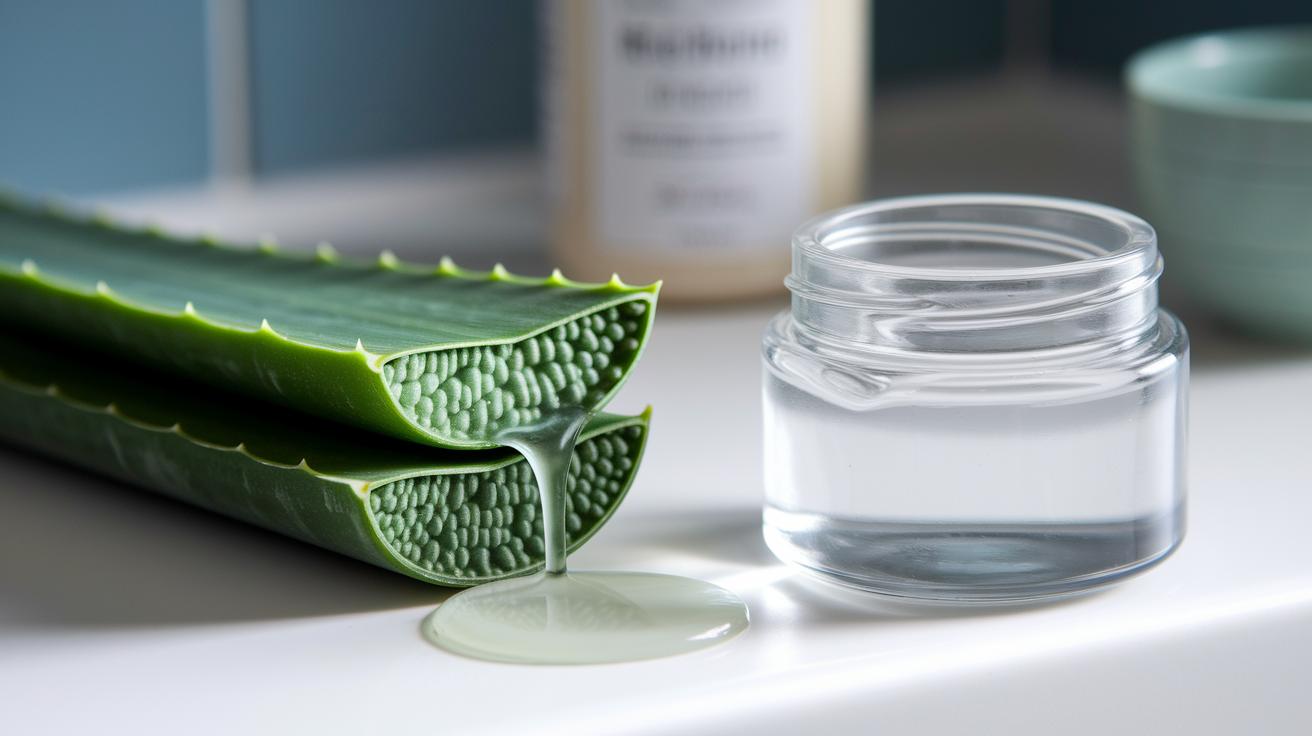
Pure aloe vera gel is a trusted natural remedy for soothing eczema. You can use a high-quality, 100% pure store-bought gel without additives or squeeze the fresh gel directly from an aloe leaf for extra benefits. Fresh aloe sometimes has stronger anti-inflammatory properties, which help ease redness and calm flare-ups.
For best results, apply the gel to damp skin 2-3 times a day. If you are using a fresh aloe leaf, choose a mature leaf, squeeze out the gel, and gently spread it over the red or irritated patches. Use smooth, even strokes. One person said, "After extracting fresh gel from my aloe leaf at home, I dabbed it over my damp skin and felt immediate cooling relief."
Before using aloe regularly, perform a patch test on a small, hidden area and wait 24 hours to check for any adverse reaction. This simple step makes sure the aloe treatment is safe for your sensitive skin.
Coconut Oil for Barrier Support in Eczema Management
Quick take: Coconut oil may ease mild to moderate eczema by locking in moisture and soothing irritation.
Triage:
- If you notice severe redness, swelling, or intense burning, seek medical advice immediately.
- If your symptoms worsen after using coconut oil, stop and consult your clinician.
Virgin coconut oil is full of lauric acid (a natural ingredient that fights bacteria and reduces inflammation). It forms a protective layer on your skin that traps moisture and keeps out germs. This natural barrier helps your skin repair itself, easing dryness and irritation.
After a shower, gently pat your skin until it is damp. Then, apply a light layer of coconut oil right away. This method seals in moisture and covers the affected areas with a smooth, protective coat. Use the oil two to three times daily, or as your skin needs, for regular relief.
Before you add coconut oil to your routine, do a patch test. Apply a small bit on one part of your skin. If you see redness, itching, or feel discomfort, stop using it immediately. This small step ensures you can safely enjoy the soothing benefits of coconut oil.
Oatmeal Baths to Calm Eczema-Prone Dermis
Quick take: This oatmeal bath helps soothe itching, ease inflammation, and keep moisture in your skin.
Triage Checklist:
- If you notice increased redness, swelling, or pain, call your clinician.
- If you develop fever or signs of infection, seek urgent care.
- If irritation worsens after the bath, stop use and check with a healthcare provider.
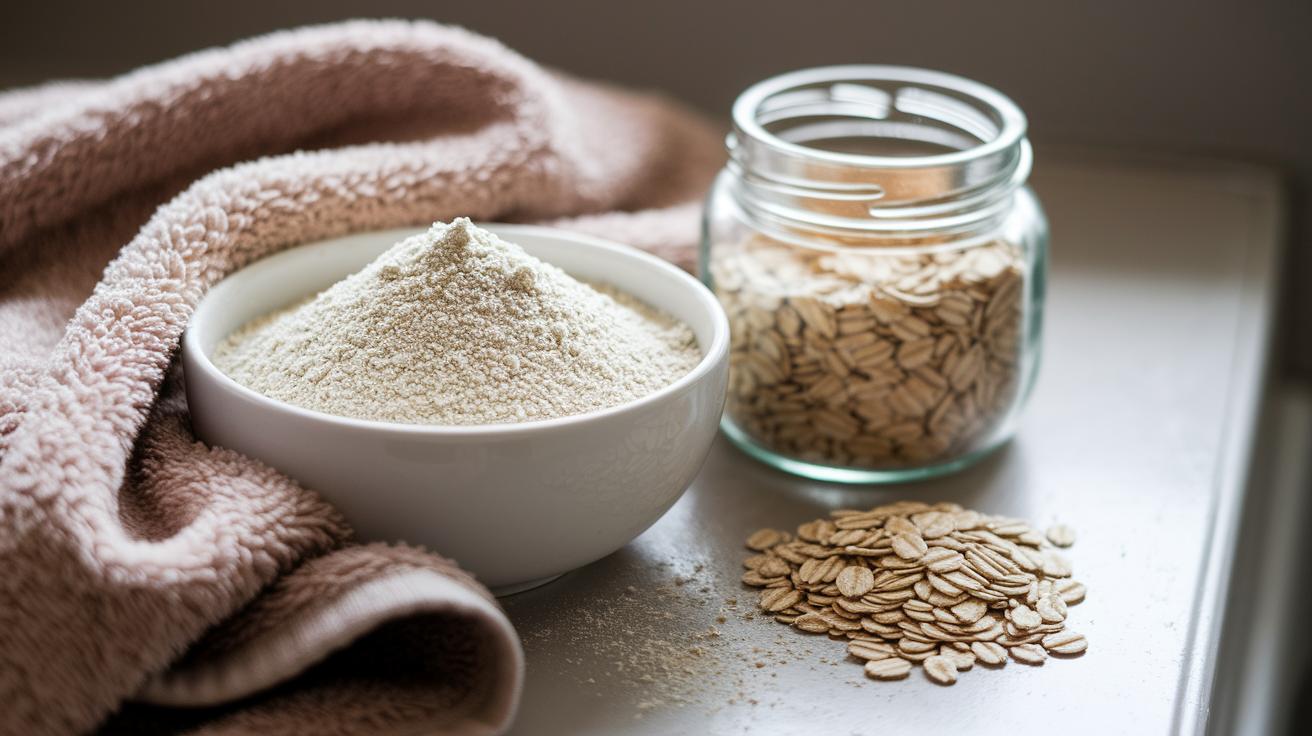
Finely ground oatmeal is a simple, natural remedy for eczema. It calms itching and helps reduce inflammation while locking in your skin’s moisture. For best results, grind whole oats into a fine powder right before use. This fresh powder releases natural compounds (avenanthramides and beta-glucans) that soothe irritated skin.
Here’s how to start:
- Fill your tub with warm water. Make sure it is not too hot.
- Add 1 cup of your finely ground oatmeal.
- Swirl the water slowly to mix the powder evenly.
- Soak for 15 to 20 minutes so your skin can absorb the soothing benefits.
After your bath, rinse with lukewarm water and gently pat your skin dry with a soft towel. This gentle drying helps keep the moisture in. You can use this remedy twice a week during eczema flare-ups for natural relief.
Herbal Soothing Remedies for Eczema: Tea Tree Oil, Calendula, and Chamomile
Quick take: Natural herbal remedies may help ease eczema symptoms when used with care.
Triage Box:
• Red Flags: If you notice burning, severe swelling, or worsening irritation, stop immediately and contact your clinician.
• Urgent: If redness spreads or you suspect an infection, seek same-day medical care.
• Self-Care: Test each remedy on a small skin patch before full use.
Tea tree oil can help reduce itchiness when it is properly diluted. Mix 1% tea tree oil with a carrier oil such as coconut or olive oil. Then, dab a small amount on the affected skin area 2 to 3 times a day. One person said the itch calmed down noticeably with the right mix. This simple dilution helps lessen irritation and gives antiseptic benefits (it helps keep germs away).
Calendula oil is made by soaking dried calendula flowers in a neutral oil for a few weeks. This oil can help reduce redness and speed up healing. Always do a patch test first to check for any allergic reaction. Many users find that calendula oil feels gentle while it eases skin inflammation and promotes skin repair.
Chamomile offers soothing relief, too. Brew a strong cup of chamomile tea and let it cool completely. Then, soak a clean cloth in the tea, and apply it as a compress on inflamed areas for about 10 minutes. One person shared that the cooling compress eased their flare-up almost immediately.
You can also blend these herbal extracts for extra soothing effects. For example, add a few drops of diluted tea tree oil to your calendula oil, then use that blend before placing a chamomile compress on your skin. This step-by-step approach combines each extract’s benefits to calm itchiness, reduce redness, and safely soothe inflamed skin.
Dietary and Nutritional Strategies for Eczema Relief
Quick take: A good diet may ease eczema by calming your immune response and reducing skin inflammation.
If you have any of these emergency signs, call emergency services now:
- Severe swelling or intense pain
- Difficulty breathing or tightness in the chest
- Rapid worsening of skin symptoms with fever
Common causes of eczema flare-ups include immune overreactions and gut imbalances. Research shows that eating a balanced diet can help keep your gut bacteria in check and lower skin inflammation.
You can try these steps:
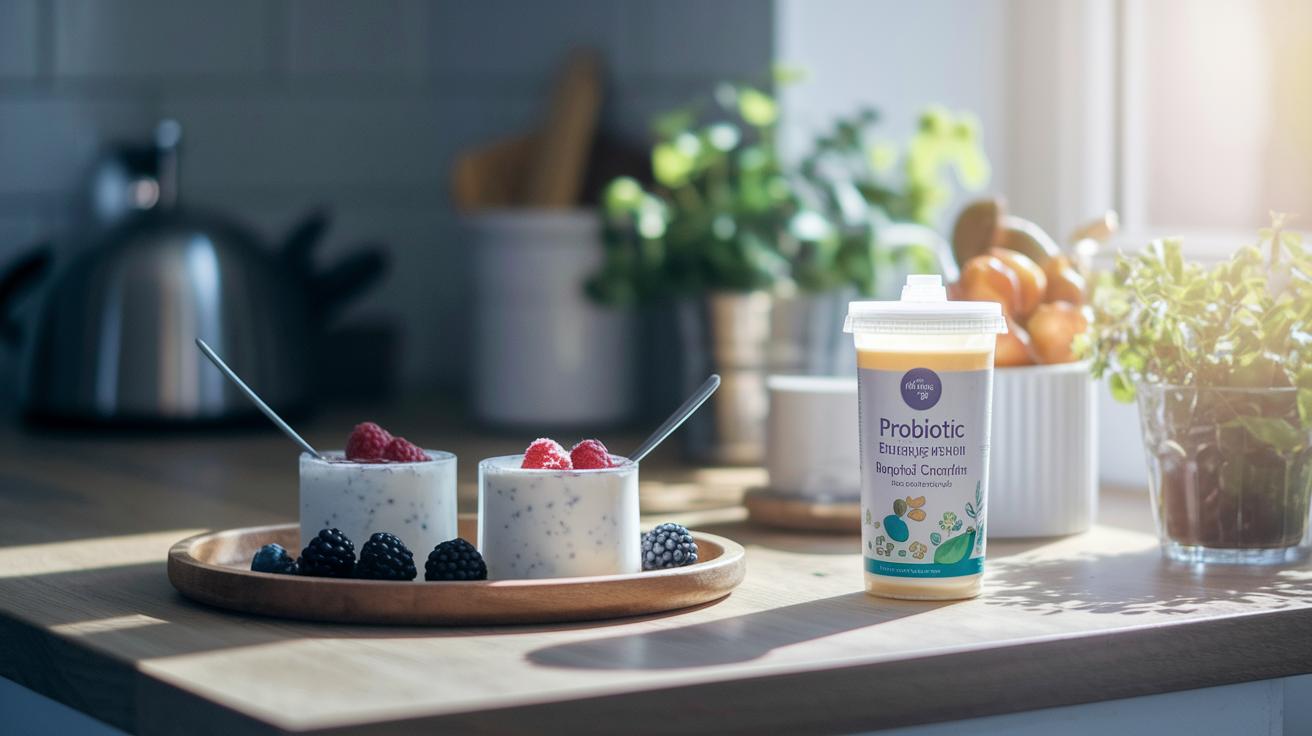
• Eat a serving of probiotic-rich yogurt or have a probiotic drink each day.
• Add a handful of berries to your meals for their antioxidants.
• Include a tablespoon of flaxseed or a serving of fatty fish several times a week to boost omega-3, which helps support the skin barrier.
• Talk to your healthcare provider before using supplements like evening primrose oil to balance omega-6.
• Keep a food diary. Record what you eat, the timing of meals, and any changes in your skin. This can help you notice patterns and share useful details with your clinician.
| Food | Nutrient | Benefit |
|---|---|---|
| Yogurt | Probiotics | Helps manage the immune response |
| Flaxseed | Omega-3 | Supports the skin barrier |
| Berries | Antioxidants | Aids cell repair |
| Fatty fish | Omega-3 | Reduces inflammation |
Lifestyle Adjustments to Prevent Eczema Flare-ups
Sometimes stress can raise cortisol (a stress hormone) and make eczema worse. Try setting aside 10 minutes each day for meditation, deep breathing, or gentle yoga. Even a short walk can calm your mind and soothe your body. One person said they felt much calmer after beginning a simple morning breathing routine.
Getting enough sleep is key. Going to bed at the same time every night in a cool, dark room helps your body rest and rebuild. A calming routine before sleep, like a warm shower or a bit of quiet reading, can improve your sleep and may reduce flare-ups.
Your daily environment also affects your skin. In dry weather, use a humidifier to keep your skin moist. Choose laundry detergents that are gentle and free of strong chemicals. These small changes help reduce irritation and protect your skin barrier, making your daily routine more comfortable.
DIY Recipes and Safety Tips for Eczema Home Remedies
Quick take: Simple home remedies made from everyday ingredients can help soothe eczema, but always test a small patch of skin first.
If you notice any of these signs, seek medical help immediately:
- Red, oozing, or infected skin
- Severe pain or swelling
- Trouble breathing or swelling of your face, lips, or tongue
Here are two easy recipes you can try at home:
DIY Oatmeal and Honey Remedy:
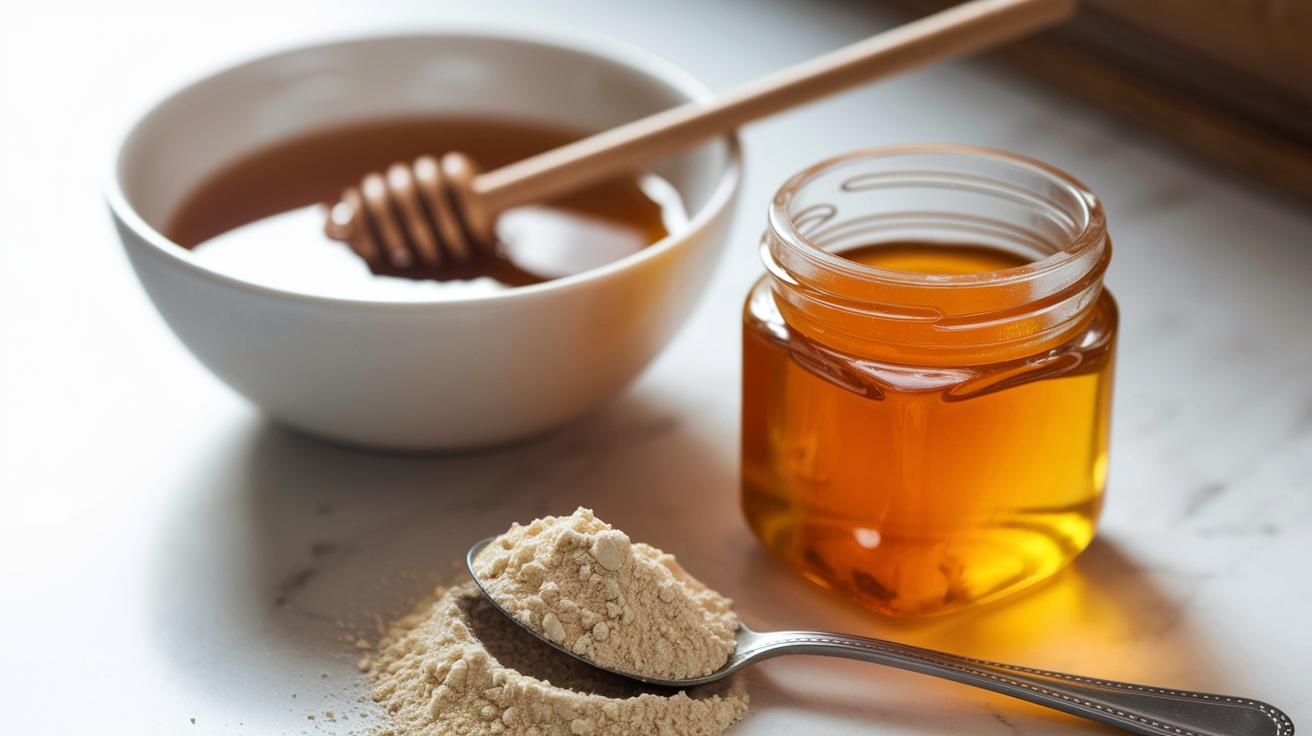
- Mix 2 tbsp of finely ground oatmeal (oats ground to a powder, also known as colloidal oatmeal) with 1 tbsp of raw honey.
- Stir well until you get a smooth paste.
- Apply the paste to your irritated skin.
- Let it sit for about 10 minutes so it can help calm inflammation.
- Rinse gently with lukewarm water.
Homemade Coconut Oil Salve:
- In a double boiler, melt 1/4 cup of coconut oil with 1 tbsp of beeswax.
- Stir constantly until everything is fully combined.
- Pour the warm mixture into a clean glass jar and let it cool.
- This salve helps lock in moisture and protect your skin.
Safety Tips:
- Always do a patch test: Apply a small amount on a hidden area and wait 24 hours. If you see redness or feel burning, do not use the remedy.
- Keep your mixtures in a cool, dark place to extend their shelf life.
- Stop using these remedies if your symptoms worsen and consult your clinician.
Final Words
In the action, you've explored several natural approaches to soothe eczema. You learned how ingredients like aloe vera and coconut oil help ease inflammation and protect your skin. Tips ranged from oatmeal baths to herbal remedies and DIY recipes.
Simple changes in your diet, stress routines, and overall care can boost skin healing. Use these eczema natural home remedy ideas safely and monitor your progress. Stay positive and remember that steady, gentle care can make a real difference.
FAQ
What heals eczema quickly?
The answer highlights that quick relief may come from natural remedies like colloidal oatmeal baths, pure aloe vera gel, and virgin coconut oil. These help soothe inflammation and strengthen your skin’s barrier.
What is the 3 minute rule for eczema?
The answer explains that the 3 minute rule advises waiting three minutes after bathing before applying moisturizer, allowing your skin to absorb water and lock in hydration, which may ease eczema symptoms.
What foods trigger eczema?
The answer states that foods like dairy, eggs, and nuts can trigger eczema flare-ups for some. Keeping a food diary can help you spot which foods worsen your symptoms.
Does coconut oil get rid of eczema?
The answer clarifies that coconut oil can help soothe eczema by locking in moisture and reducing bacteria, but it is not a cure. It should be used as part of a broader eczema management plan.