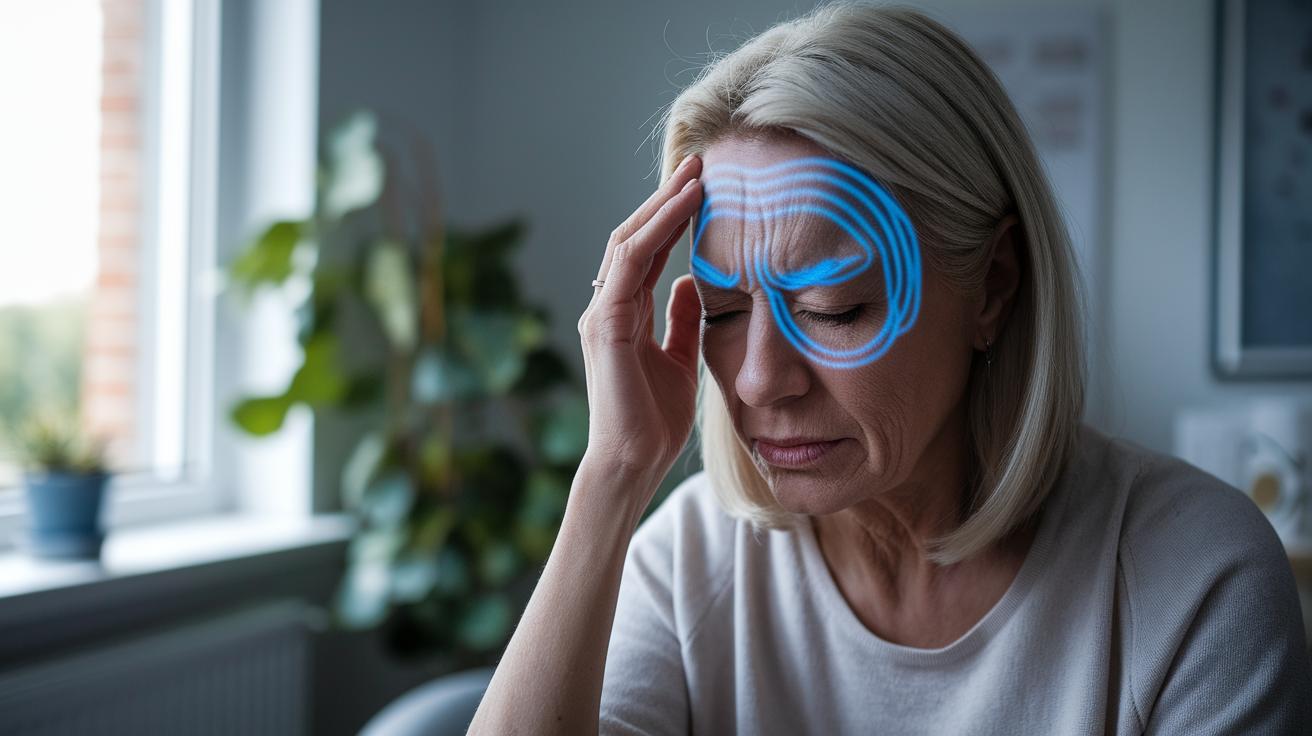
Quick Take: Early signals like mood swings, tiredness, or blurry vision might mean a migraine is coming.
Ever feel like your body is giving you a quiet warning before a migraine strikes? Many people notice changes, like a shift in mood, sudden drowsiness, or altered vision hours before the headache begins. These early signs are clues that you might want to rest or find a quiet, dim spot. When you detect an aura or extra sensitivity to light and sound, it could be your body’s way of asking for a break. Trust these signals to help you get ready and possibly ease the severity of your migraine.
Identifying Early Signs of Migraine Headaches
Quick take: Early changes in mood, energy, and vision can warn you that a migraine may be coming.
Triage Box:
• If you notice new signs like sudden weakness, slurred speech, or confusion along with these changes, call emergency services now.
• If your headache worsens rapidly or you experience unusual neurological changes, seek same-day medical attention.
• Otherwise, monitor your symptoms, rest in a quiet dark room, and consider tracking your signs.
You may sense a migraine is coming long before the pain hits. Many people notice changes in mood, severe tiredness, or sudden food cravings up to 48 hours beforehand. These early signals are your body’s way of warning you that a migraine may be on its way.
Sometimes, you might see an aura before you feel any head pain. An aura can mean brief flashes of light, dancing spots, or a moment of blurry vision. These visual signs help you know to act early.
Other early hints include feeling sick or finding that normal lights and sounds seem too strong. Even soft light might feel harsh, and everyday sounds can seem overwhelming. Recognizing these signals gives you a chance to rest and reduce stress on your brain. Later on, the migraine pain often comes as a pounding or throbbing sensation, usually on one side, and can last for several hours up to 72 hours.
If these early signs happen often, try keeping a headache diary. Write down when you feel an aura, nausea, or other changes. Over time, this record can help you and your clinician spot patterns and better manage your migraine attacks.
Recognizing Prodrome Indicators and Aura Symptoms in Early Migraine Phase

Quick take: Your body can send early signals that help you act before a migraine fully develops.
Triage:
- If you notice a sudden, severe headache, confusion, or trouble speaking, call emergency services immediately.
- If you experience rapid changes in vision, such as double vision or major blind spots, seek urgent care.
- Otherwise, track these early signs so you can share them with your healthcare provider.
Before your headache starts, you might feel small changes in mood and your body. You could be more easily irritated, have trouble concentrating, feel a stiff neck, or even yawn a lot unexpectedly. You may also notice that everyday sounds and smells feel much stronger than normal. These early signs can start up to 2 days before any pain appears.
About 1 in 4 people also experience visual changes called auras. With an aura, you might see zigzag lines, spots in your vision, or tunnel vision. Some even report a brief loss of vision, slight numbness on one side, or minor speech issues. Recognizing these early warnings is important. When you see these signs, jot them down to help you and your doctor find out what might be triggering your migraine and plan a better treatment.
Early Sensory Disturbances in Migraine: Light and Sound Sensitivity Onset
Quick take: When your migraine starts, light and sound may feel too strong, so adjusting your surroundings can help.
Triage Box:
• Emergency: If you suddenly experience a very severe headache, new vision changes, confusion, or difficulty speaking, call emergency services now.
• Urgent: If your symptoms get much worse or you feel very unwell, seek same-day medical help.
• Self-care: Rest in a quiet, dark room and take note of any triggers.
At the start of a migraine, even gentle light and soft sounds can feel almost painful. This extra sensitivity to light (photophobia, which means light sensitivity) and sound (phonophobia, which means sound sensitivity) can add to feelings of nausea. Many people find that dimming the lights as soon as they feel discomfort helps ease symptoms.
To help manage these early signs, try adjusting your environment. Rest in a dark, calm room by turning off harsh lights or closing blackout curtains. When you’re out, wearing sunglasses or a wide-brimmed hat and using earplugs can reduce noise and bright light. Keeping a headache diary where you record these changes can help you spot triggers and plan your next steps better.
Tracking Early Discomfort: Physical and Emotional Cues Before Migraine Headaches

Watch for small changes in your body and mood as early hints that a migraine might start. You might feel neck stiffness or muscle tightness, or notice mood shifts like irritability or sudden tiredness.
Keep a headache diary. Write down what you feel, the time you notice it, and any triggers (like skipping a meal or not getting enough sleep). This record helps you see patterns and guide your talks with your provider about how to ease or prevent future migraines.
Common early signs include:
| Physical and Emotional Cues |
|---|
| Neck stiffness |
| Yawning or sudden tiredness |
| Food cravings |
| Mood swings or irritability |
| Increased thirst |
| Muscle tightness |
Differentiating the Initial Migraine Headache Phase from Other Headache Types
Quick Take: Headaches can feel very different. Recognizing the type helps you know what to do next.
Triage Box:
- Call emergency services now if you have a sudden, very severe headache with confusion or weakness.
- Seek same-day care if your headache gets worse or if you have trouble seeing.
- Track your symptoms carefully. Write down the time, pain level, and any extra signs.
Migraines often hit with a strong, pulsing pain on one side of your head. This pain can last from 4 to 72 hours and may be joined by feelings of nausea, bright light sensitivity, or flashing lights (called aura).
Tension headaches tend to bring a steady, dull pressure on both sides of your head. They rarely come with nausea or changes in vision.
Cluster headaches bring sharp, piercing pain, often near one eye. They strike in short bursts and may cause your eye to water or your nose to run.
Keeping a headache diary is a great way to spot patterns. Note when your headache starts, how long it lasts, and any extra symptoms. This info can be very helpful for your healthcare provider.
| Type of Headache | Pain Quality | Typical Duration | Associated Symptoms |
|---|---|---|---|
| Migraine | Pulsing; moderate to severe | 4 to 72 hours | Nausea, aura, light sensitivity |
| Tension | Dull; steady pressure | Varies; usually milder | No nausea or aura |
| Cluster | Sharp; piercing | Short bursts
Early Migraine Detection Tips: Monitoring and Recording Pre-attack Signals
Keep a headache diary. Write down the date, time, and any early signs you notice. Note feelings like mood changes, neck stiffness, food cravings, sleep changes, or stress. Tracking these details helps you spot patterns over time. Follow these steps:
If you see a clear pattern or if these early signs become more disruptive, share your diary with your healthcare provider. For severe migraines, call a neurologist at 1-800-436-7936 for specialized advice. Early Intervention Strategies for Migraine: Self-care and Home RemediesQuick take: Act early at the first sign of a migraine to help ease your pain. Triage Box:
When you feel a migraine coming on, move to a dark, quiet room. This simple step can help reduce the light and sound that may be making your headache worse. Place a cold compress on your forehead or neck. The cool feeling can relax tense muscles and slow the pain signals from your brain, giving you some relief. If you choose to use medicine, try an over-the-counter pain reliever like ibuprofen at the first sign of pain. Taking it early may help reduce inflammation and the intensity of your headache. Drink plenty of water to stay hydrated. Also, avoid foods that you know have triggered a migraine in the past. To help lower stress, try deep breathing exercises or gentle stretching. Some people even try tools like the gammaCore device (a device that stimulates the vagus nerve to block pain signals), but check with your provider before using any new device. By taking these steps soon, you may find it easier to control your migraine and feel better faster. Final WordsIn the action of recognizing early signs of migraine headaches, we discussed cues like neck stiffness, sudden fatigue, food cravings, mood shifts, and more. You learned how prodrome indicators and auras warn you in advance and why tracking symptoms in a headache diary matters. This guide offers clear steps to distinguish migraine pain from other headache types and outlines practical tips for home care. Keep monitoring your signals and take simple steps to ease discomfort, staying proactive can make a big difference in managing your symptoms. FAQWhat causes migraines in females?The causes of migraines in females include hormonal changes, stress, and family history. These factors can trigger nerve irritation and changes in blood flow, leading to migraine episodes. Which stage of migraine is dangerous?The headache phase can be severe and may require urgent care if symptoms worsen, while other stages like aura mostly serve as a warning. Always monitor for red flags and seek help if needed. What are migraine symptoms?Migraine symptoms include throbbing pain on one side of the head, nausea, sensitivity to light and sound, and sometimes visual disturbances or an aura that warns of an impending attack. How do you cure migraine permanently?There is no proven permanent cure for migraines. Treatment focuses on reducing the frequency and severity of attacks through lifestyle changes, medication, and avoiding known triggers. What is migraine treatment?Migraine treatment includes over-the-counter or prescription medications, lifestyle adjustments, and self-care strategies such as resting in a dark, quiet room to ease symptoms and prevent further attacks. Is migraine dangerous?Migraines can be disabling and cause significant discomfort, but they are generally not life-threatening. Effective self-care and medical management help reduce risks and improve your quality of life. What is recommended for migraine treatment at home?Migraine treatment at home often involves resting in a quiet, dark room, applying a cold compress, staying hydrated, and taking over-the-counter pain relievers to alleviate early symptoms. What are the migraine stages and symptoms?Migraine stages typically start with an early warning phase (prodrome), may include an aura for some, followed by the headache phase, and finally a recovery phase. Recognizing these signs helps you take timely action. How do you know a migraine is starting?A migraine may start with early signs like mood changes, neck stiffness, or heightened sensitivity to light and sound. Noticing these signals early lets you begin self-care and avoid worsening symptoms. What are the 5 C’s of migraines?The term “5 C’s” is not a standard medical descriptor for migraines. It may refer to common migraine characteristics in some discussions, so clarification from a clinician is recommended. Can migraine cause earache?Migraines can cause pain that sometimes radiates to the ear area due to shared nerve pathways. If you experience earache during a migraine, it is wise to mention it during your medical consultation. Why do migraines cause vomiting?Migraines can trigger vomiting because they affect the brain areas that control nausea and digestion. This reaction is a common response to the severe pain and neurological changes during an attack. Subscribe Today GET EXCLUSIVE FULL ACCESS TO PREMIUM CONTENT SUPPORT NONPROFIT JOURNALISM EXPERT ANALYSIS OF AND EMERGING TRENDS IN CHILD WELFARE AND JUVENILE JUSTICE TOPICAL VIDEO WEBINARS Get unlimited access to our EXCLUSIVE Content and our archive of subscriber stories. Latest article |