
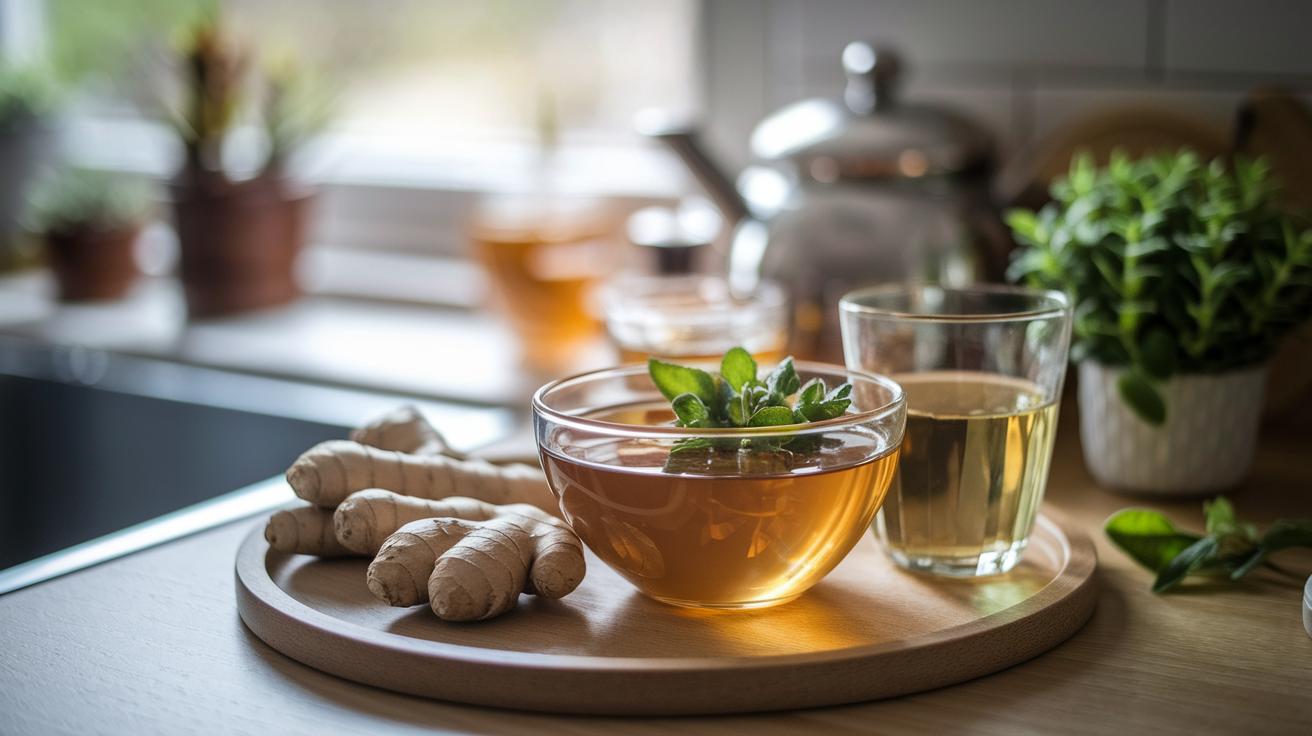

Quick take: Simple natural tips may ease gas and bloating quickly if no red flags are present.
If you have any of these emergency signs, call emergency services now:
• Unbearable or sharp abdominal pain
• High fever (102 F or above)
• Persistent vomiting
If your symptoms get worse or don’t improve in 3 days, seek same‐day medical attention.
Ever wonder why your stomach feels like it’s full of hot air? You might be dealing with gas and bloating. In this post, we share easy, natural methods to help ease your discomfort fast.
Here are a few simple tips you can try at home:
• Sip water slowly to help move gas through your system.
• Enjoy a cup of herbal tea (like peppermint or chamomile) to relax your belly.
• Try to rest and avoid foods that seem to make your bloating worse.
Each remedy is simple and practical. If you feel better after trying these methods, you can keep using them to help maintain your digestive comfort over time.
Remember, if your discomfort worsens or you experience new symptoms, follow the triage steps above and get help right away.
Take care and discover gentle, natural relief for your stomach today.
Effective Gas Remedy At Home: Quick Relief Strategies
Quick take: Simple, natural methods can ease your gas and bloating fast.
Triage:
If you have any of these emergency signs, call emergency services now:
- Severe, unrelenting stomach pain
- High fever (above 102 F)
- Continuous vomiting
- Sudden, sharp pain that worsens
Urgent: If your discomfort suddenly gets worse, seek same-day medical care.
Watch and self-manage: Use these home strategies and monitor your symptoms. If nothing improves in a few days, check in with your doctor.
Gas and bloating can feel really unsettling. Simple home remedies can help your belly relax and boost digestion.
What to do now:
- Sip water: Take small sips throughout the day. Water helps wash through your system and aids digestion.
- Enjoy peppermint tea: This warm tea calms belly muscles and can quickly ease gas.
- Try ginger tea: A cup of ginger tea can ease tummy spasms (sudden contractions) and mild swelling.
- Drink fennel or anise tea: These teas use old, trusted herbs that help push out trapped air.
- Eat small meals: Lighter meals are easier to digest and produce less gas.
- Add probiotics: Probiotics help balance your gut (digestive system) and support smooth digestion.
- Use activated charcoal: Sometimes, activated charcoal can bind excess gas. Check with a clinician before using it.
- Apple cider vinegar: Mix 1 tablespoon in water before meals to boost the stomach’s natural juices.
Track your progress by noting when symptoms occur, how severe the discomfort is, and which remedies help most. It’s normal to feel uneasy when you’re in discomfort. These methods can give you quick relief and help support long-term digestive health.
Reviewer: Dr. Jane Smith, Family Medicine, Last reviewed 10/2023.
Common Causes Of Gas And Bloating Before Home Treatment
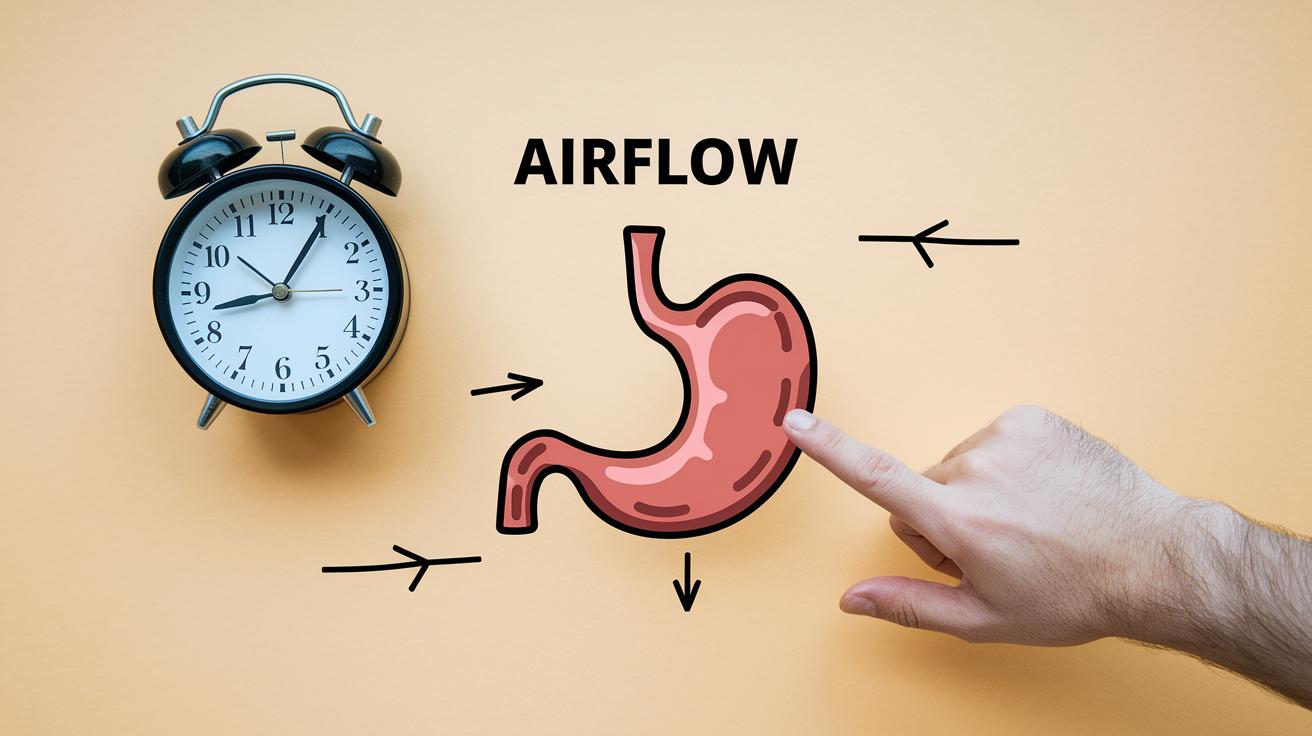
Quick take: Gas and bloating usually result from swallowed air and natural bacterial action.
Triage:
If you have any of these emergency signs, call emergency services now:
- Severe, sharp abdominal pain
- Sudden, intense bloating with nausea or fever
Urgent: Seek same-day care if symptoms rapidly worsen.
Self-Care: Eat slowly, chew well, and try gentle remedies like a warm tea or a short walk.
When you eat or drink quickly, you swallow extra air. This air builds up in your stomach, making you feel full and uncomfortable when it moves into your intestines.
After food reaches your large intestine, bacteria break down undigested bits. This natural process (called fermentation, which means breaking food down) releases gas. Foods high in fiber, such as beans and broccoli, may increase gas if you add them too fast to your meals. The gas produced, mainly methane and carbon dioxide, can lead to bloating and pressure in your belly.
Knowing these causes can help you ease the discomfort. Slow down when you eat and chew carefully to lower the amount of air you swallow. Add fiber gradually and try eating several small meals throughout the day. Simple home remedies like sipping water, enjoying a warm herbal tea, or taking a brisk walk can help manage both the swallowed air and the gas from digestion.
Herbal Teas And Kitchen Brews: Domestic Digestive Upset Remedy
Quick take: These herbal teas can ease mild tummy discomfort, but if you have severe pain or notice blood, seek care right away.
Triage:
• If you have intense abdominal pain, high fever (102 F or more), or see blood in your stool, call emergency services.
• If your symptoms worsen or don’t improve after a few days, get urgent medical advice.
• For mild gas, bloating, or a bit of discomfort, these teas may help you feel better.
Anise Tea
Anise tea can help your stomach move food along by gently boosting muscle contractions (peristalsis). It also eases gas and bloating so you feel less weighed down after a big meal.
Peppermint Tea
Peppermint tea works by relaxing the muscles of your gut. This calming effect lets trapped air pass more easily and helps reduce uncomfortable spasms.
Ginger Tea
Ginger tea is known to cut down on stomach cramps and inflammation. It works by soothing spasms and reducing swelling, which can mean less gas and a smoother digestion process.
Lemon Grass, Chamomile, Wild Celery, and Bay Leaf Overviews
Lemon grass tea can ease general stomach upset. Chamomile tea supports a healthy digestive process and might even help keep minor ulcers at bay. Wild celery tea nudges your stomach to release natural juices for better digestion. Bay leaf tea offers anti-inflammatory and antioxidant benefits that may cut back bloating and excess gas.
Apple Cider Vinegar Tonic
A tonic made from about 1 tablespoon of apple cider vinegar mixed with water, taken before meals, can give your digestion a helpful lift. It boosts natural digestive juices and helps balance your stomach’s pH, possibly reducing gas after eating.
Rotating these brews lets you tailor your approach. Try different teas or mix them up during the day to find the best relief for your symptoms.
gas remedy at home: Enjoy Natural Digestive Ease
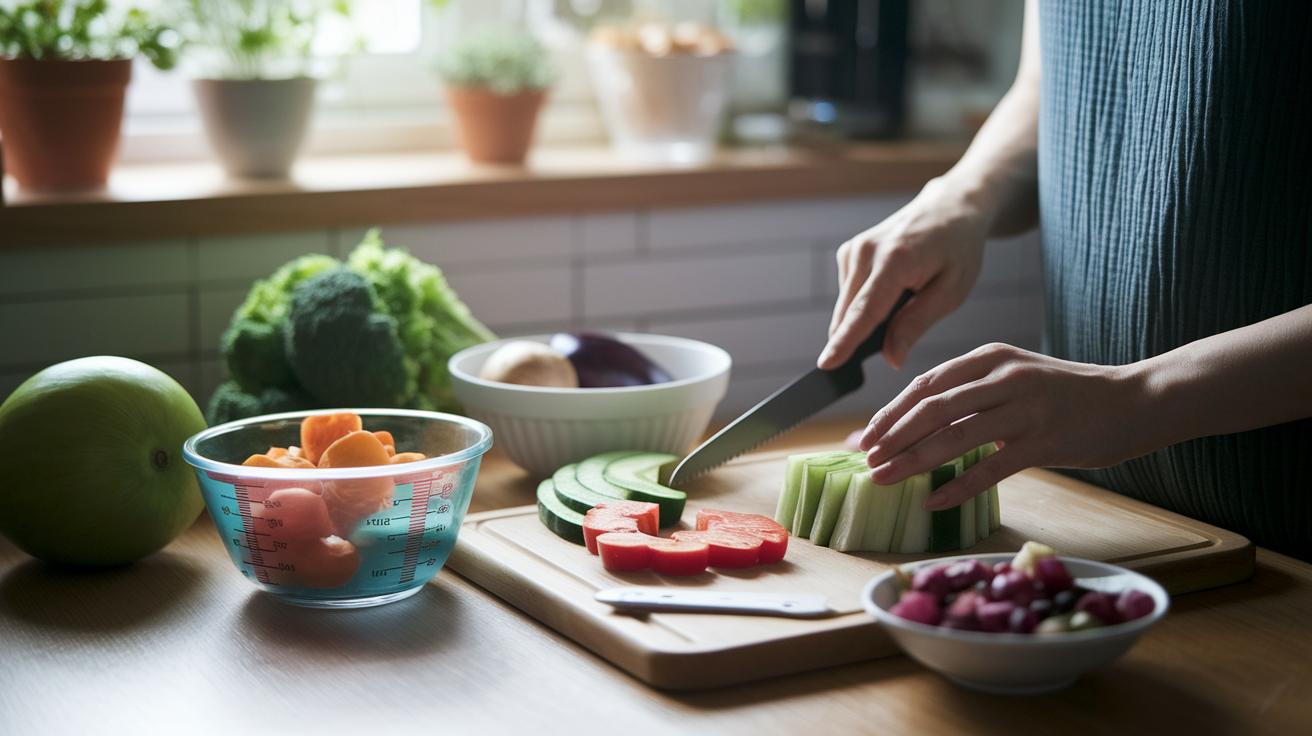
Eating mindfully and planning your meals well can lower gas and keep your gut happy over time. By chewing slowly and dividing your food into small portions, you swallow less air and help your body digest better. Try eating smaller meals more often to give your digestion a break.
Meal Size And Chewing
When you eat smaller portions, your work to break down food is easier. Chewing well breaks food into pieces that are simple for your body to handle. This also stops extra air from getting into your stomach and helps you absorb nutrients better.
Bean And Vegetable Preparation
Soak your beans and chop hard vegetables into small bits before cooking. These simple steps make them easier to digest and help stop gas from building up from tough fibers.
Spice-Infused Recipes
Add spices like ginger and fennel seeds to your meals. A splash of apple cider vinegar in your recipes can also boost your natural digestive juices. These ingredients help your stomach move food along smoothly and can ease any discomfort.
Probiotics And Enzymes
You might find it helpful to include probiotics by eating fermented foods or taking a supplement. Digestive enzymes such as lactase (an enzyme that helps break down dairy) can work well with meals that include dairy or other foods that are hard to digest. Adding these supports can help your body break down food more efficiently.
These simple cooking tips and mindful eating practices can lead to easier digestion, less bloating, and overall improved gut comfort.
At-Home Exercises And Abdominal Techniques To Release Wind
Quick take: Gentle movement can help clear trapped gas; if your pain worsens or you feel sharp discomfort, reach out to your doctor.
If you notice any red flags, do this:
- Sharp, severe pain that gets worse
- Trouble breathing or feeling very faint
- Persistent pain that does not ease with home care
Physical movement can boost your digestion. When you move, your gut muscles work better to push trapped air out. Even slow, gentle exercise can ease discomfort.
Try a 10-minute walk. It helps your intestines perform peristalsis (the wave-like muscle contractions that guide food and gas) to move gas through your system. Walk at a relaxed pace and let your body settle, especially after eating.
Another helpful move is the wind-relieving yoga pose named Pavanamuktasana. Start by lying on your back. Pull your knees up to your chest, then gently rock side to side. This motion massages your lower stomach and may let trapped gas escape.
You might also try a gentle tummy massage. Place your hand on your belly and slowly rub in a clockwise circle (following your colon’s path). This light massage helps break up gas pockets so your body can naturally let them out. Doing this for a few minutes a day supports your digestion.
Incorporate these simple exercises into your daily routine for ongoing comfort.
Safety Guidelines And When To Consult A Professional For Digestive Distress

Quick take: Deep belly pain, high fever, blood in stool or vomit, or ongoing bloating are red flags that need quick action.
Triage Box:
If you have any of these emergency signs, call emergency services now:
- Sharp or unrelenting abdominal pain
- Fever above 102 F
- Unexplained weight loss
- Blood in your stool or vomit
- Bloating that does not improve with home care
Urgent: If these problems occur, seek same-day medical help.
Self-care: If your symptoms are mild, you may try basic remedies but keep a close watch.
Please note: Natural treatments like activated charcoal or essential oils can interfere with your medications or make your symptoms worse. This is especially true if you are pregnant or have long-term health issues. Always check how these remedies might interact with your prescriptions before you use them.
If your symptoms remain or grow worse even after home care, please schedule an evaluation with a healthcare provider.
Final Words
In the action, you learned quick strategies to ease gas discomfort with friendly steps like warm herbal teas, smart dietary tweaks, and gentle exercises to help release trapped air. We discussed mindful eating, small meals, and the importance of safety when symptoms persist. A well-rounded approach including a simple gas remedy at home can bring rapid relief and boost comfort.
Keep using these easy ideas to support healthier digestion and reduce discomfort. Small changes can go a long way for lasting relief and better daily well-being.
FAQ
How to remove gas from stomach instantly?
The fastest gas relief comes from moving your body, sipping warm herbal tea, and gently massaging your abdomen. These actions help shift trapped gas so you feel relief quickly.
How can gas relief medicine help remove gas from the stomach instantly for adults?
Gas relief medicine like simethicone helps break up gas bubbles. Follow the label instructions and consult your clinician for safe use if symptoms continue or worsen.
Which positions help relieve gas?
Changing positions such as lying on your side or bringing your knees toward your chest can help shift gas. These simple positions may ease discomfort by promoting gas movement.
How does making yourself fart help relieve gas fast?
Encouraging a fart through gentle abdominal massage or targeted movement helps move trapped gas along your digestive tract, thereby quickly reducing discomfort.
What are effective gas and bloating home remedies?
Effective home remedies include drinking water, sipping warm herbal teas like peppermint or ginger, eating small meals, and engaging in light exercise. These steps improve digestion and ease gas buildup.
How can you relieve gas while pregnant?
During pregnancy, try gentle walking, warm herbal teas, and resting on your side to ease gas. Avoid carbonated drinks and heavy meals, and always check with your clinician before using new remedies.