


Quick take: Simple, natural steps can calm irritated skin and help you feel better fast.
If you have any of these signs, seek urgent care now:
• Severe swelling or pain
• Blistering or open sores
• Signs of infection like pus or fever
Your skin can sometimes send warning signals when it's irritated. You might notice a burning, itchy, or inflamed rash. These symptoms can be helped at home with common items.
Try these steps:
- Apply a cold compress (a clean washcloth soaked in cool water) to the irritated area for quick relief.
- Use pure aloe vera gel to soothe burning or redness. Aloe works like a natural cool treatment.
- Avoid using harsh chemicals or strong soaps on the irritated skin. Stick with gentle, fragrance-free products.
These tips are designed for minor skin irritation. If your discomfort worsens or spreads, please call your healthcare provider. Remember, you deserve comfort and clear skin.
Quick Steps to Get Rid of Skin Irritation Fast
Quick take: Soothe irritated skin fast with simple, natural steps.
If you have any of these emergency signs, call emergency services now: severe swelling, trouble breathing, or intense pain that does not ease.
• Use a cold compress. Soak a clean washcloth in cool water, wring it out, and gently press it on the painful area. This helps numb the itch and calm the skin.
• Take an oatmeal bath. Add 1 cup of regular oatmeal (or follow a commercial packet) to warm water. This can help soothe inflammation and lessen redness.
• Apply fresh aloe vera gel. After you pat your skin dry, put a thin layer of aloe vera on the irritated spot. Aloe vera helps heal minor skin wounds and reduces redness.
• Massage in coconut oil. Rub a little coconut oil on the spot. It moisturizes dry skin and has natural antibacterial and anti-inflammatory benefits.
• Use tea tree oil safely. Mix a few drops of tea tree oil with a carrier oil like coconut or olive oil before applying. Tea tree oil works as an antiseptic and can ease inflammation when diluted properly.
• Make a baking soda paste. Mix baking soda with water until it forms a paste. You can also add 1–2 cups of baking soda to a lukewarm bath to relieve itching.
• For atopic dermatitis, apply indigo naturalis ointment twice daily. This may help reduce flare-ups and calm irritated skin.
Understanding Common Causes of Skin Irritation
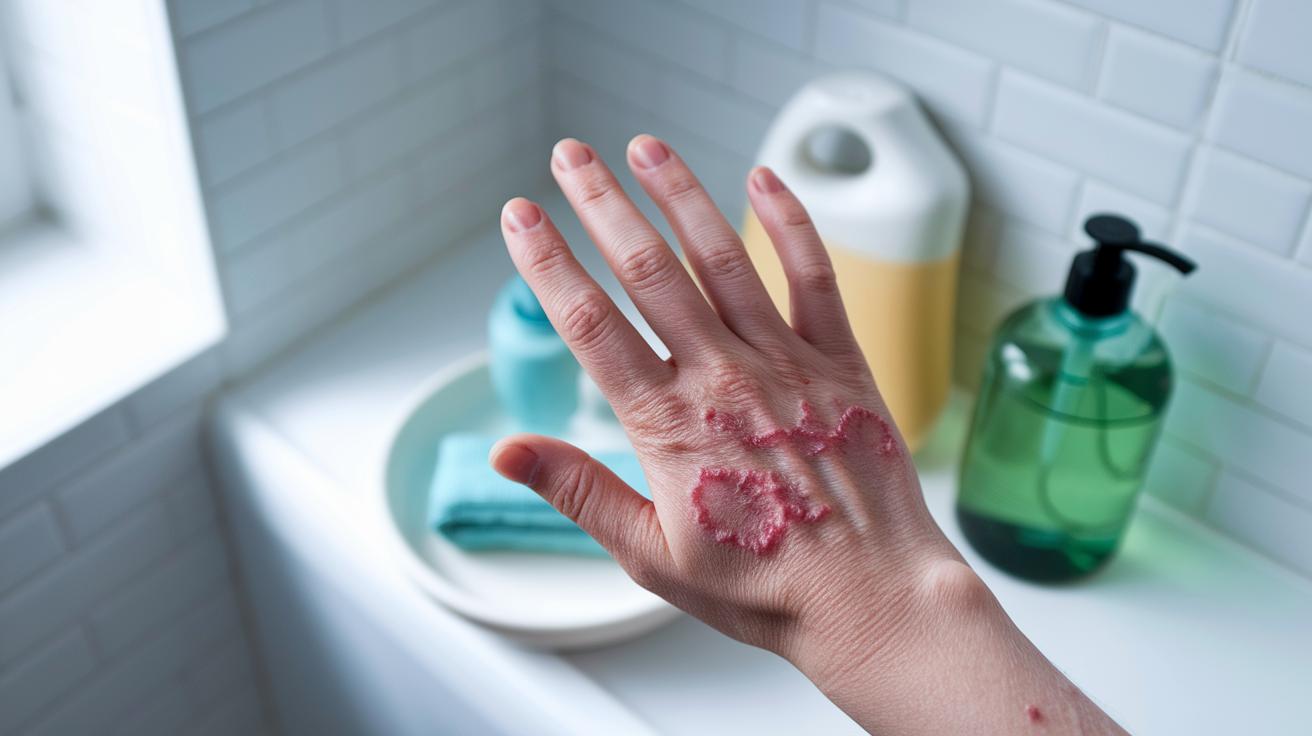
Irritation often happens when everyday products damage your skin's natural barrier. Many strong soaps, detergents, and chemicals weaken this protective layer. Without it, irritants can seep in and cause red, itchy patches. Allergens from laundry products, perfumes, or even pollen may trigger your immune system to release histamine (a chemical that causes swelling), leading to inflammation. For example, if you notice a rash after using a new detergent, it might be contact dermatitis (skin irritation from direct contact with an irritant).
• Cleaning agents and cosmetic products can harm your skin's barrier.
• Allergens may make your skin red and itchy by sparking an immune response.
• Autoimmune conditions might mistakenly attack healthy skin cells, causing long-term irritation.
• Infections from bacteria, viruses, fungi, or parasites can appear as red, painful spots.
• Insect bites can inject venom that causes local irritation and swelling.
In the UK, about 10 out of every 100 adults have eczema, while psoriasis affects roughly 2 out of every 100 adults between 20 and 60 years old. Knowing these causes can help you take steps to avoid further flare-ups. For example, switching to fragrance-free, gentle cleansers can support a healthier skin barrier and reduce irritation.
Home Remedies for Skin Irritation: Natural Treatments You Can DIY
If you're dealing with scalp irritation, try using apple cider vinegar. This natural remedy helps lower bacteria levels and balance your scalp’s pH. Mix one part apple cider vinegar with three parts water and gently dab it on your scalp using a cotton ball. Avoid applying the mixture to cracked or bleeding skin since it may sting.
Did you know that a simple blend of vinegar and water can naturally soothe your scalp?
- Prepare the diluted solution before you start.
- Try it on a small patch of skin to check for any reaction.
- Use only on healthy, intact skin to avoid discomfort.
| Remedy | Primary Benefit | Key Precaution |
|---|---|---|
| Apple Cider Vinegar | Balances pH and reduces bacteria | Do not use on cracked or bleeding skin |
| Other Home Remedies (Oatmeal, Aloe Vera, Coconut Oil, Baking Soda) | Soothes irritation and eases redness or itch | Use as directed to avoid overuse |
Effective Over-the-Counter Remedies for Skin Irritation
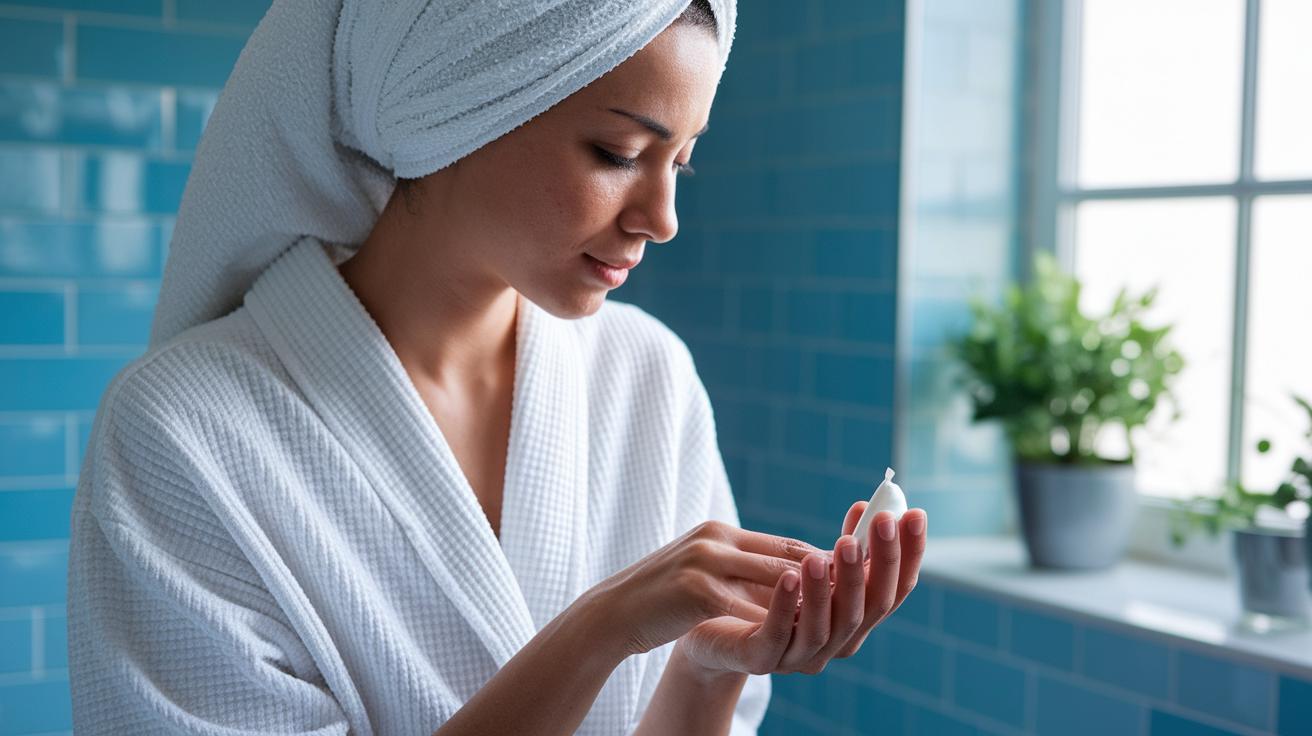
Quick take: These easy, non-prescription remedies can calm mild to moderate skin irritation when you use them correctly.
Calamine lotion has a cooling effect that eases itchy, red skin. Use clean fingers or a cotton swab to apply a thin layer, letting it dry to help reduce both itch and redness fast.
1% hydrocortisone cream works to lower inflammation and soothe itch. Gently rub a small amount onto unaffected skin up to twice a day. Do not use it on broken or infected areas.
Topical antihistamine creams block the histamine response (a chemical that triggers allergy symptoms) to relieve small, localized allergic flare-ups with minimal absorption into your body.
Soothing lotions with menthol or pramoxine create a numbing feel for rapid relief of flare-ups when you need quick comfort.
Remember:
- Read and follow each product’s instructions.
- Always use a clean applicator to prevent more irritation.
- Test a small patch of skin first to check for any adverse reaction.
When to See a Healthcare Professional for Skin Irritation
If you notice your rash is spreading, blisters are forming, your face or tongue is swelling, you develop a fever, or you feel warm areas with pus, call emergency services now. These warning signs may mean you have an infection or a more serious skin condition.
If home remedies aren’t helping or your irritation lasts more than 2 weeks, you should see a healthcare professional. Conditions like eczema or psoriasis may need a proper diagnosis and treatment that goes beyond self-care. A dermatologist can evaluate your symptoms and might prescribe stronger treatments like topical steroids, phototherapy (light treatment), or oral medications.
Keep these points in mind:
- Watch for any new or worsening symptoms.
- Note if the rash changes size or intensity.
- Record how long you’ve had the irritation.
Act now if you see these red flags to stop your condition from getting worse.
Preventing Skin Irritation: Daily Habits and Gentle Care Routines
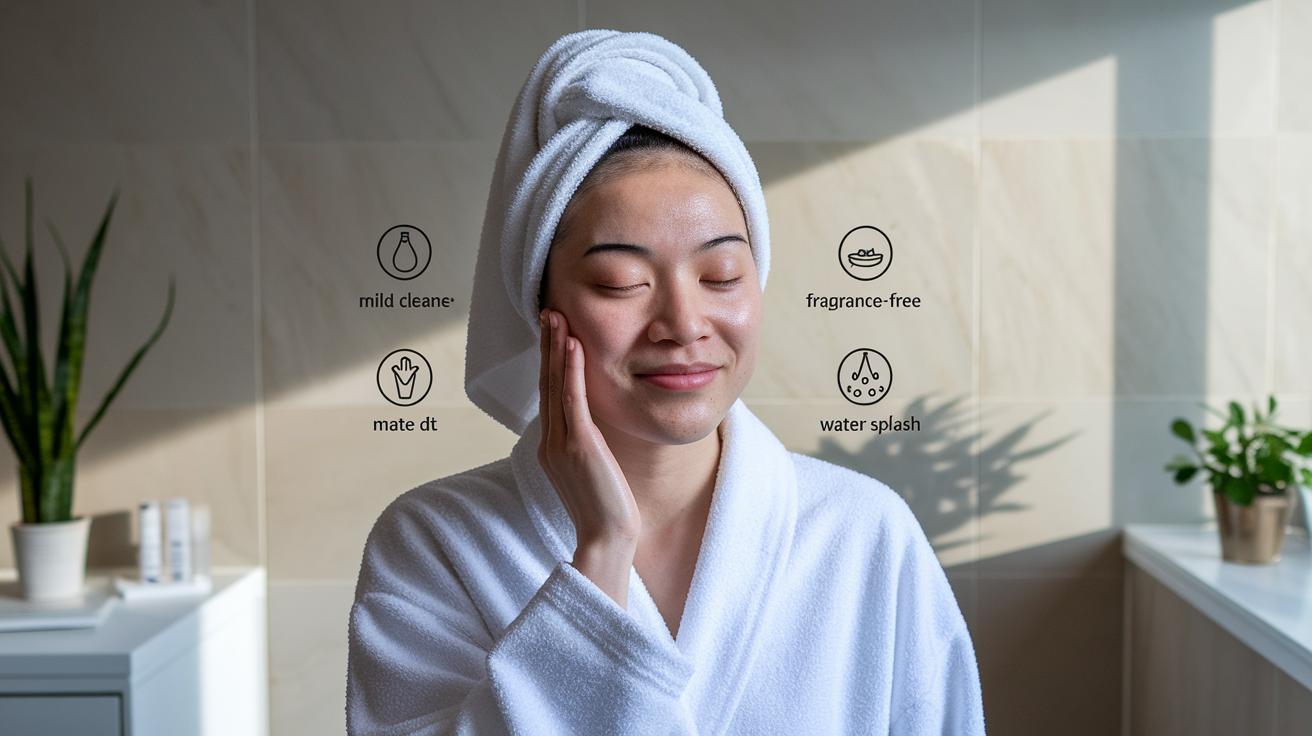
Quick take: Gentle care every day helps keep skin calm and prevents irritation.
If you see any of these warning signs, contact your clinician immediately:
- Severe burning or stinging pain
- Intense redness or swelling
- Persistent itch that worsens
Your daily choices matter. Using mild, fragrance-free cleansers helps protect your skin’s natural barrier. Even a simple change in shampoo or body wash can reduce irritation. Before trying any new soap, apply it to a small spot such as the inner wrist to check for any reaction.
Consider these easy habits:
- Use a gentle cleanser every day so you do not strip away natural oils.
- Patch-test new skincare or laundry products before using them fully.
- Wear gloves when handling strong detergents or cleaners to limit exposure to harsh chemicals.
- Apply broad-spectrum sunscreen every day to protect against UV rays.
- Keep your skin hydrated by using an emollient moisturizer twice daily on damp skin to lock in moisture.
For example, after washing your face, wait a few minutes while your skin is still slightly damp, then apply a moisturizer. These steps not only calm any current irritation but also build a routine that helps your delicate skin stay resilient over time.
Face-Focused Tips to Get Rid of Skin Irritation on Your Face
Quick take: Simple, gentle care can soothe your irritated face.
Triage Box:
• If you experience severe pain, increased swelling, or the irritation spreads, call your clinician right away.
Use a gentle, hypoallergenic face wash made for sensitive skin. Look for one with mild active ingredients. Wash your face with lukewarm water and a soft cloth. Wait about 20 minutes between washing and applying other products to avoid extra irritation.
Try an oatmeal paste mask made for the face. Apply the paste and leave it on for around 10 minutes using water that is slightly lukewarm. This brief treatment helps soothe delicate skin without causing extra dryness.
If you use aloe vera gel, choose a lighter version meant for the face. Gently dab it on red or irritated spots to cool and calm the area without overwhelming your skin.
Moisturize with a non-comedogenic, fragrance-free cream. Apply a thin layer and pat it on softly to keep your skin hydrated and your pores clear.
For quick cooling relief, make a chamomile tea compress. Soak a clean cloth in cooled chamomile tea and lightly dab it on inflamed areas. This technique adds extra relief as part of your soothing routine.
Final Words
In the action, you explored simple steps to calm skin irritation. You learned how a cold compress, oatmeal bath, and natural remedies like fresh aloe can provide quick relief. The guide explained when to opt for over-the-counter treatments and how to spot red flags that need professional care. You also discovered daily habits to shield your skin and gentle tips for face care. This clear, actionable advice helps you understand how to get rid of skin irritation safely while giving you confidence to care for your skin. Stay positive and proactive.
FAQ
What stops itching fast?
The inquiry about what stops itching fast means using a cool compress or topical remedies like aloe vera to numb inflamed areas and reduce irritation quickly.
How to get rid of a rash overnight?
The question on getting rid of a rash overnight highlights using cooling compresses, soothing oatmeal baths, and gentle topical treatments to reduce inflammation and itchiness by the next morning.
Pictures of skin rashes
The question referring to pictures of skin rashes points to visual examples that show forms such as red patches, bumps, or blistering, which can help in comparing and understanding potential causes.
Skin allergy types with pictures and treatment
The question on skin allergy types with pictures and treatment covers identifying allergic reactions like hives or eczema through images and following care steps such as gentle cleansers, moisturizers, and sometimes antihistamines post clinician advice.
What cancer can cause itchy skin?
The question about what cancer can cause itchy skin generally refers to lymphoma, which may trigger itchiness; persistent or severe symptoms should prompt a consultation with a healthcare professional.
Medicine and tablets for skin rashes and itching
The question discussing medicine and tablets for skin rashes and itching points to options like 1% hydrocortisone cream, calamine lotion, or oral antihistamines, which help reduce inflammation and itching when used as directed.
How to cure rashes on face naturally
The question on curing rashes on the face naturally suggests using pure aloe vera gel, oatmeal masks, and cool chamomile compresses to soothe inflammation and calm sensitive skin areas.
How do you make skin irritation go away and heal irritation fast?
The query on making skin irritation go away quickly points to remedies such as cold compresses, baking soda paste, and coconut oil, which can offer swift relief and support skin healing.
How to treat skin rashes in children?
The question on treating skin rashes in children underscores the need for gentle care like cool compresses and mild, clinician-approved treatments to safely soothe young, sensitive skin.
What causes skin to irritate?
The question on what causes skin to irritate shows that everyday triggers like harsh cleansers, allergens, insect bites, and infections can provoke inflammation, highlighting the importance of identifying and avoiding these irritants.