


Quick Take: DReSS can start like a mild flu but may quickly turn into a serious, body-threatening reaction.
If you have any of these emergency signs, call emergency services now:
• A painful, fast-spreading rash or skin peeling
• Trouble breathing or severe swelling
• Intense burning or sharp pain in your skin or organs
Urgent: Reach out to your doctor if you notice red flags or if your symptoms rapidly worsen.
Watch and Self-Manage:
• Keep a daily log of your symptoms, noting the date, time, and any changes
• Monitor signs like fever, cough, or unusual tiredness
• Rest, stay well hydrated, and avoid any new medications until your doctor advises you
Drug reaction with eosinophilia and systemic symptoms (DReSS) is a reaction to a drug that may seem like a common flu at first. However, it quickly moves beyond just feeling unwell. The reaction can hurt your skin as well as key organs like your liver or kidneys. Being aware of the warning signs and acting quickly can make all the difference in your care.
Remember: This information is to help you understand the symptoms and steps you can take now. Always follow the advice of your trusted healthcare professional if your symptoms get worse.
Comprehensive Overview of Drug Reaction with Eosinophilia and Systemic Symptoms
Quick take: DReSS is a delayed, serious drug allergy that can harm your skin, blood, and many organs.
If you have any of these emergency signs, call emergency services now:
- Trouble breathing or shortness of breath
- Intense skin pain or a widespread rash
- Confusion or a sudden drop in blood pressure
DReSS is an uncommon but complex reaction to a drug you take. It may hurt your skin, blood, and organs like the liver, kidneys, lungs, and heart. This reaction usually starts 2–8 weeks after a new drug. If you take that drug again, symptoms can show in just a few hours or days. Your genes, a reactivated virus, and your immune system all play a role in making this reaction happen.
Most often, DReSS is seen in people between 40 and 60 years old, though children can also be affected. Women might start showing signs sooner than men. Your risk can also depend on your ethnic background and the specific drug. For example, allopurinol is more likely to cause DReSS in people of Han-Chinese, Korean, Thai, or European descent. Dapsone cases are noted more in Chinese individuals, while carbamazepine tends to affect European, Chinese, Korean, and Japanese people more.
Because DReSS can involve many parts of your body, it may be hard to spot at first. Its symptoms might look like those of other conditions. In some cases, a single drug reaction can trigger an immune response that mistakenly attacks key organs. By knowing these risk factors and patterns, doctors can better pick out who might be affected early on and start the right treatment quickly.
Clinical Manifestations of Drug Reaction with Eosinophilia and Systemic Symptoms

Quick Take: This reaction begins like a bad flu but can soon affect your skin and organs.
If you have any of these emergency signs, call emergency services now:
- High fever (above 102°F)
- Severe facial swelling
- A very red, widespread rash
- Intense pain or confusion
- Signs of liver or kidney problems (such as dark urine or yellowing of the skin)
Many people start with symptoms that feel just like a flu. You might feel very tired, have a sore throat, a mild fever, and swollen glands. These early signs can make you feel really ill and might be mistaken for a simple viral infection. Soon after, a red rash appears, usually on your face and upper body. This rash often comes with noticeable swelling in your face, which is a strong signal of a bad reaction to a drug.
Here are common signs to look for:
- Fever higher than 38°C (100.4°F)
- Swollen face
- A red, measles-like rash across your body
- Swollen lymph nodes in your neck or under your arms
- A rise in a type of white blood cell called eosinophils (cells that increase with allergies)
- High levels of liver enzymes (ALT and AST) showing liver stress
- Problems with kidney function
As the reaction moves forward, these signs appear one after the other. Blood tests often show a high eosinophil count (more than 1.5×10^9/L) along with unusual white blood cells. Liver tests may be abnormal, which can mean your liver is affected, and tests for kidney function might also be off. These lab findings confirm that the reaction is impacting more than just your skin.
Sometimes, other organs such as your lungs or heart can start to show problems. For example, the reaction may lead to hepatitis (liver inflammation), nephritis (kidney inflammation), pneumonitis (lung inflammation), or even myocarditis (heart inflammation). Seeing a pattern where you move from flu-like symptoms to signs of organ issues means you need to get help right away. Fast action can help stop further damage and get you the care you need.
Pathophysiology and Risk Factors in Drug Reaction with Eosinophilia and Systemic Symptoms
DReSS happens when your immune system reacts too strongly to a medication. In this reaction, T cells (a type of white blood cell) start attacking the drug, treating it as a harmful invader.
When T cells become active, they release chemicals such as IL-5 and eotaxin. These chemicals tell your body to make more eosinophils (cells that normally help fight infections). When there are too many eosinophils, they can release substances that injure organs like your liver, kidneys, and heart.
Your genes can also play a role. Some people have specific markers, like the HLA-B*58:01 allele, which makes them more prone to reacting to certain drugs such as allopurinol (a medicine used to treat gout).
Another factor is viral reactivation. Viruses that usually lie inactive in your body, like HHV-6 (human herpesvirus 6) or EBV (Epstein-Barr virus), can wake up when your immune system is triggered by a drug. This reactivation can make your body’s reaction even stronger.
When these factors come together, they can create a cytokine storm (a sudden, large release of immune chemicals) that can hurt your cells and lead to damage in multiple organs.
In short, DReSS arises from a strong T-cell response, certain genetic markers, and reactivated viruses working together to increase eosinophils, which can then harm vital organs.
Diagnostic Criteria and Laboratory Assessment in Drug Reaction with Eosinophilia and Systemic Symptoms

Doctors use two main methods to diagnose DReSS. With the RegiSCAR method, they assign points based on signs like fever, swollen glands, a rash covering over 50% of your skin, high levels of a type of white blood cell (eosinophils), unusual white blood cells (atypical lymphocytes), and problems with internal organs. A score of 5 or more means the reaction is likely. The Japanese method needs all seven signs: a delay between taking the drug and feeling sick, a rash, fever, organ issues, high eosinophils, changes in lymphocytes, and reactivation of human herpesvirus-6 (HHV-6).
Lab tests are very important. Blood tests often show an eosinophil count above 1.5×10^9/L. Liver tests may show high ALT/AST levels, which means the liver could be stressed. Kidney tests and creatine kinase (CK) levels help check how your kidneys and muscles are doing. These tests help confirm the diagnosis and show how much the organs are affected.
| Criteria Set | Key Elements |
|---|---|
| RegiSCAR | Fever, rash over 50% of skin, high eosinophils, organ issues, swollen glands |
| Japanese Consensus | Delay after drug use, rash, fever, organ issues, high eosinophils, lymphocyte changes, HHV-6 reactivation |
It is important to tell DReSS apart from other problems like Stevens-Johnson syndrome/toxic epidermal necrolysis (SJS/TEN), viral rashes, serum sickness, and acute lupus. Doctors use your history, a physical exam, and lab tests to narrow down the cause. For example, one doctor explained, "Seeing high eosinophils with elevated liver enzymes made it clear we were dealing with DReSS, not a simple viral infection." This careful look makes sure you get the right treatment quickly.
Management and Treatment Protocols for Drug Reaction with Eosinophilia and Systemic Symptoms
Quick take: Stop the drug that triggered your reaction and start care quickly with fluids, steroids, and close monitoring.
Triage Box:
• If you have trouble breathing, severe chest pain, confusion, or feel like you might faint, call emergency services now.
• If your symptoms worsen fast or you notice a sudden change in how you feel, get urgent care.
• Monitor your fluids, nutrition, and overall symptoms carefully while you recover.
The first step is to stop taking the drug that started the reaction. This helps prevent further harm. It is important to drink plenty of fluids, eat well, and take steps to avoid infections while your body heals.
Systemic steroids (medications that calm your immune response) are the main treatment. Your doctor will likely prescribe prednisone at 0.5–1 mg per kilogram per day. This dose is kept steady at first and then slowly reduced over 4–6 weeks or sometimes longer to avoid a flare-up. When the reaction is very severe, doctors may use intravenous methylprednisolone to control the situation quickly. You can also use topical steroids on your skin to lower irritation.
If your symptoms do not get better with steroids or they come back, your doctor might add another medicine. Options such as cyclosporine or intravenous immunoglobulin (IVIG) can work when the first treatment is not enough.
Because this reaction can affect important organs, you will likely need to be in the hospital at first. In the hospital, doctors will closely check your organ function and run regular tests to see how you are doing. This careful monitoring helps decide if you should continue your treatment there or switch to outpatient care.
If tests show that HHV-6 (a type of virus) is active again, doctors will start antiviral treatment right away to lower further immune reactions and avoid more complications.
Remember these steps:
- Stop the causative drug.
- Begin supportive care with fluids, nutrition, and infection prevention.
- Start treatment with systemic steroids and adjust the dose as needed.
- Monitor your lab tests and organ function carefully.
- Consider extra treatments if symptoms do not improve.
- Use antiviral therapy if HHV-6 reactivation is confirmed.
Following these steps helps control the reaction promptly and lowers the risk of long-term organ damage.
Long-Term Monitoring and Outcomes in Drug Reaction with Eosinophilia and Systemic Symptoms
Recovery from DReSS usually takes 6–9 weeks, but you must keep a close watch on your health after that. Some people may face ongoing issues like thyroid problems, diabetes, or kidney trouble. Regular lab tests and check-ups are key.
Follow-up care usually includes:
- Get a complete blood count (CBC with differential) every 2–4 weeks to check your blood cells.
- Have liver and kidney tests every 2–4 weeks to see how your organs are doing.
- Watch for any new signs that might point to an autoimmune problem.
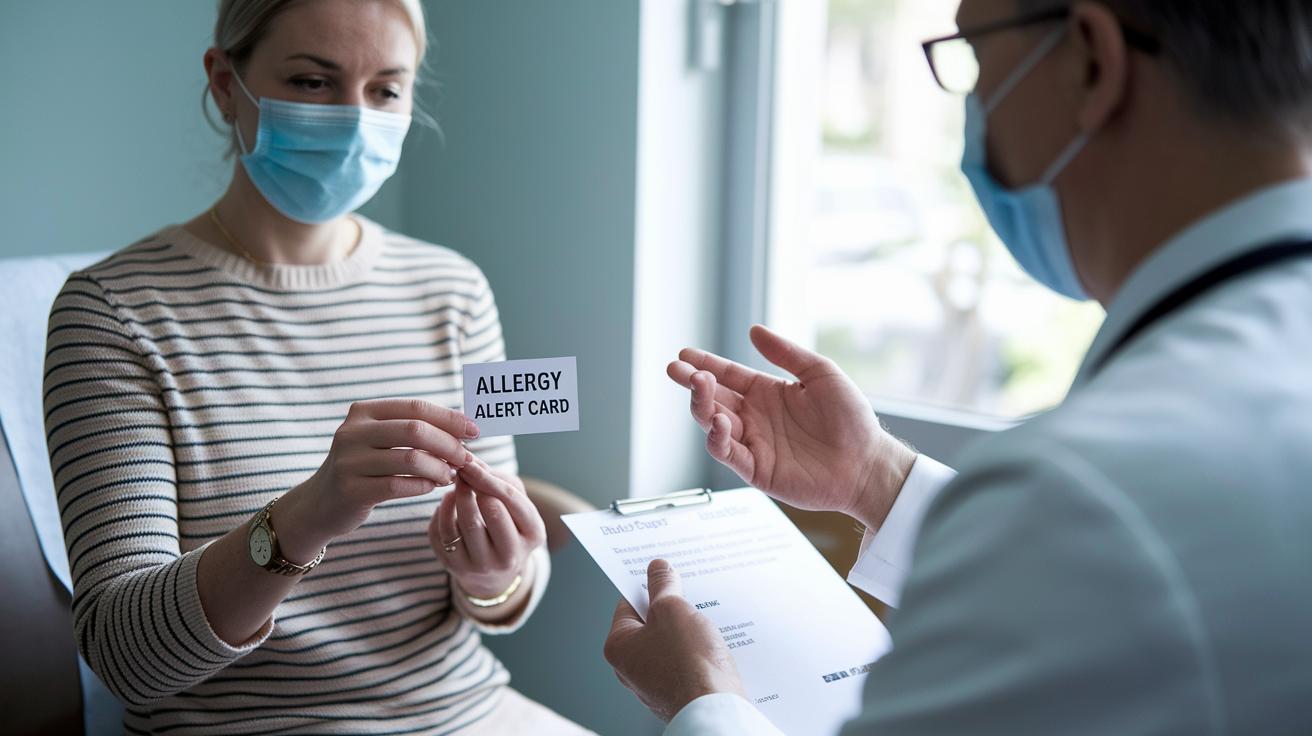
You should also avoid the drug that triggered your reaction. Carry an allergy alert card to let any emergency worker know about your condition. Your doctor may suggest a genetic test (such as for the HLA-B*58:01 marker) if your reaction was tied to a specific medicine.
For children, follow-up care needs extra care. Their treatment plan might include a carefully planned steroid taper and regular blood tests to monitor growth and check for lingering effects. Their plan covers both immediate needs and long-term development.
Stay in touch with your healthcare provider during your recovery and beyond. Regular check-ups help catch any late problems early, so your treatment can be adjusted before things worsen. Keep a record of any changes in your symptoms; this will help your doctor make the best decisions for your care.
Final Words
In the action, this article broke down how drug reaction with eosinophilia and systemic symptoms affects the skin, organs, and lab results. It explained key signs, risk factors, and how clinicians determine the cause using clear steps.
You now have a quick review of first-response actions, monitoring tips, and next steps for discussion with your clinician. Stay informed and safe as you move forward.
FAQ
What are the symptoms and first signs of DRESS syndrome?
The DRESS syndrome presents with fever, sore throat, and a red rash that begins on the face and upper body, often with swelling and high eosinophil counts leading to organ involvement.
How do you treat a drug reaction with eosinophilia and systemic symptoms?
The treatment involves stopping the triggering drug, providing supportive care, and starting systemic steroids such as prednisone, with adjustments made based on severity and organ involvement.
What drugs are associated with causing DRESS syndrome?
The drugs often linked include allopurinol, carbamazepine, dapsone, and some anticonvulsants and antibiotics, as these can trigger eosinophil reactions in vulnerable individuals.
What is the ICD-10 code for drug reaction with eosinophilia and systemic symptoms?
The ICD-10 code for DRESS syndrome may vary; clinical coders typically refer to the latest coding guidelines or consult with a specialist for the most accurate classification.
Where can I find a comprehensive PDF on drug reaction with eosinophilia and systemic symptoms?
Comprehensive PDFs on DRESS syndrome can be found via peer-reviewed medical resources and clinical organization websites, offering detailed guidelines on diagnosis and management.
What insights does NEJM offer on drug reaction with eosinophilia and systemic symptoms?
The NEJM review provides detailed clinical insights into the diagnosis, management, and outcomes of DRESS syndrome, helping clinicians understand complex cases better.
What does StatPearls say about drug reaction with eosinophilia and systemic symptoms?
StatPearls offers an accessible overview of DRESS syndrome, covering key aspects such as diagnosis, pathophysiology, and treatment protocols for effective clinical management.
How does Kroshinsky describe drug reaction with eosinophilia and systemic symptoms?
Kroshinsky outlines DRESS syndrome by emphasizing its multifaceted presentation, diagnostic challenges, and the importance of prompt drug cessation and supportive treatment.
How does DRESS syndrome affect children compared to adults?
In children, DRESS syndrome presents similarly to adults but requires tailored management, including careful steroid tapering and monitoring of growth and development during recovery.
semaglutida efeitos colaterais
semaglutida efeitos colaterais
proscar hair growth serum reviews
proscar hair growth serum reviews
doxycycline for acne long term
doxycycline for acne long term
doxycycline monohydrate for back acne
doxycycline monohydrate for back acne
doxycycline used to treat pneumonia
doxycycline used to treat pneumonia
minoxidil foam directions
minoxidil foam directions
terbinafine nail fungus treatment insights
terbinafine nail fungus treatment insights
toradol for strong pain
toradol for strong pain
minoxidil foam vs liquid comparison
minoxidil foam vs liquid comparison
sildenafil packaging integrity
sildenafil packaging integrity
vardenafil 20 mg dose information
vardenafil 20 mg dose information
vardenafil minimal dose
vardenafil minimal dose
avanafil adverse event details
avanafil adverse event details
vardenafil time‑to‑effect
vardenafil time‑to‑effect
amoxicillin antibiotic information
amoxicillin antibiotic information
penicillin allergy breathing issues
penicillin allergy breathing issues
Alcohol Interaction Mechanisms
Alcohol Interaction Mechanisms
which works faster sildenafil or tadalafil
which works faster sildenafil or tadalafil
tadalafil for treating erectile dysfunction
tadalafil for treating erectile dysfunction
comparing cephalexin with other antibiotics
comparing cephalexin with other antibiotics