
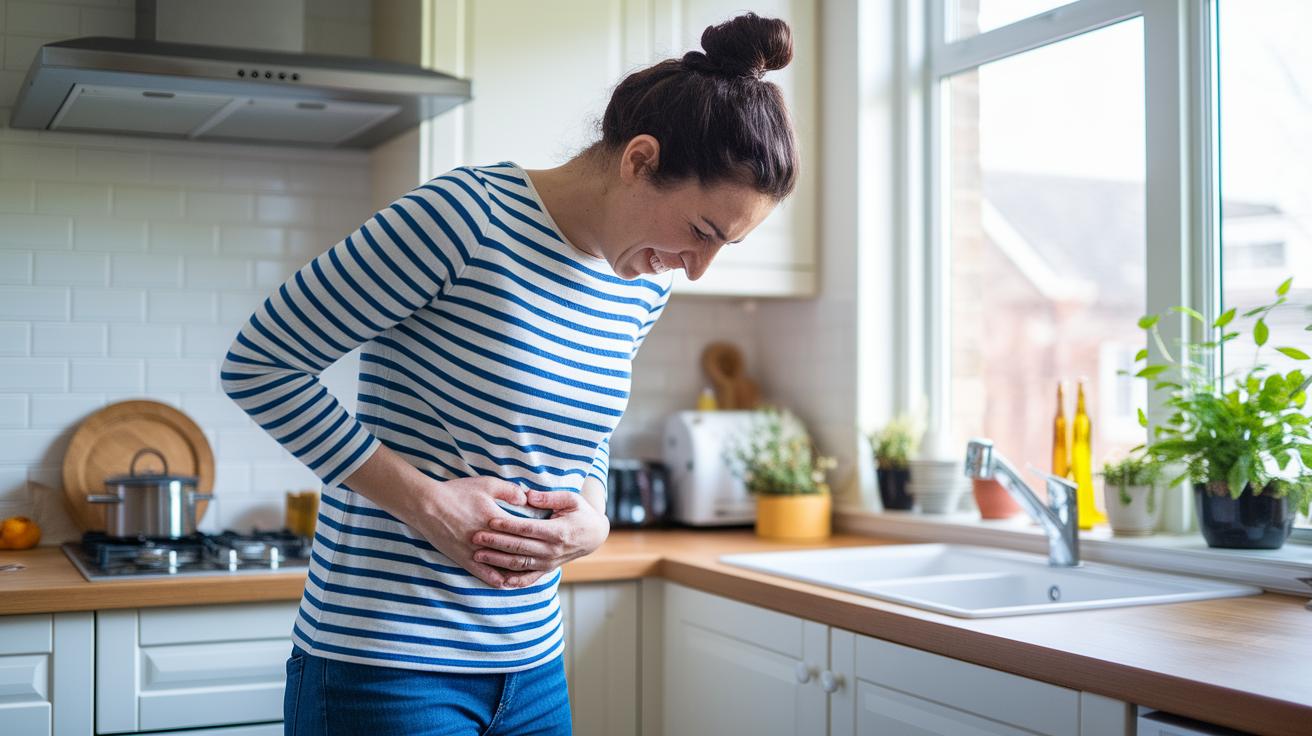

Quick take: Abdominal bloating is usually caused by gas buildup, gut bacteria, or stress, but watch for severe signs.
■ Triage
• Call emergency services if you have sharp, severe pain, a high fever (above 102°F), or see blood in your stool.
• If you have worsening discomfort or suddenly feel very ill, get urgent care.
• Otherwise, try self-care and track your symptoms.
Many of us feel like our stomach gets heavy and swollen after a meal. This bloating can come from simple gas buildup when you swallow air or from normal gut bacteria working. Sometimes, everyday stress and habits make it even worse.
Here’s what you can do today:
- Notice if certain foods or habits trigger the bloating.
- Try relaxing techniques to ease stress.
- Keep a simple diary noting when the bloating happens, how long it lasts, and any other symptoms you experience.
If your symptoms change or you notice any warning signs from the triage list above, seek help right away. This way, you can work with a trusted clinician to get some relief and feel lighter sooner.
What Causes Abdominal Bloating: Feel Lighter Today
Quick take: Bloating usually comes from extra gas in your belly.
Triage Box:
• If you have severe, sharp pain, high fever, or persistent vomiting, call emergency services now.
• If the discomfort gets worse or new symptoms appear, seek same-day medical attention.
• Otherwise, monitor your symptoms and consider changing habits to help reduce bloating.
Bloating is when your belly feels full, tight, or pressured because of trapped gas. This often happens when you swallow air while eating, drinking, or even talking fast. Your gut's natural bacteria also make gas (air and other gases) as they break down certain carbohydrates.
Stress can make this feeling worse. When you're anxious, the connection between your gut and brain can heighten the discomfort. Many people, especially those with irritable bowel syndrome (IBS), notice more bloating during stressful times.
Certain habits can increase gas in your digestive system. You might feel bloated after a big meal or when you drink fizzy drinks. Eating quickly or gulping air also adds to the pressure. Recognizing these triggers can help you adjust your eating and breathing habits so you feel lighter today.
Dietary Factors Contributing to Abdominal Bloating

Quick take: Bloating can happen when your body struggles with certain foods. Most cases are mild, but call your doctor if you have severe pain or other serious symptoms.
If you have any of these emergency signs, call emergency services now:
- Severe, unrelenting stomach pain
- High fever (over 102 F)
- Frequent vomiting or dizziness
- Blood in your stool
If you notice these and feel very unwell, seek urgent care. Otherwise, try these self-care steps:
- Write down what you eat and how you feel
- Stick to simple, gentle foods until you feel better
Many people feel discomfort when their body can’t digest certain foods well. For example, if you are sensitive to lactose (milk sugar), your body may not break it down fully. The leftover lactose ferments in your colon and produces extra gas, leading to a feeling of fullness. Even a glass of milk or foods like ice cream and soft cheeses can make you feel bloated if you lack enough lactase (the enzyme needed to digest lactose).
Gluten is another common trigger. People with celiac disease or gluten sensitivity may react when they eat wheat products. Your immune system can cause mild gut inflammation, which leads to swelling and discomfort. It’s surprising, but just a small slice of bread might cause this reaction if your body doesn’t handle gluten well.
Changing your fiber intake too quickly can also cause bloating. Fiber is important for your health, but a sudden increase can give extra fuel for bacteria in your colon. This process creates more gas and makes your belly feel overly full. Slowly increasing your fiber lets your system adjust more easily.
Fizzy drinks work similarly by bringing extra air into your gut, which can cause your belly to feel and look swollen. In the same way, large, high-fat meals slow your stomach’s emptying. With food staying longer in your belly, there is more time for gas to build up, which makes you feel even more bloated.
• Reduce foods high in lactose.
• Experiment with gluten-free options if you’re sensitive.
• Add fiber to your diet gradually.
• Choose non-carbonated beverages.
• Go for balanced meals with less fat.
Did you know? A sudden switch to a high-fiber diet can lead to extra gas production as your gut adapts.
Gastrointestinal Disorders Driving Abdominal Bloating
Quick Take: Digestive issues can make your belly feel swollen.
Triage Box:
• Call emergency services if you have severe pain, unexplained weight loss, or blood in your stool.
• Seek same-day medical care if symptoms suddenly worsen.
• Otherwise, monitor your condition and note any triggers for your doctor.
Digestive problems can cause a swollen belly. One common issue is irritable bowel syndrome (IBS). With IBS, your gut gets very sensitive. Over 90% of people with IBS notice extra bloating. Irregular gut movement may lead to a feeling of fullness and discomfort after eating.
Another cause is small intestinal bacterial overgrowth (SIBO). This happens when too many bacteria gather in the small intestine. These bacteria break down food quickly, making extra gas that causes your stomach to puff up.
Celiac disease can also lead to a bloat. In this condition, eating gluten (a protein found in wheat and other grains) causes your immune system to inflame your gut lining. This inflammation can make your belly swell and may hurt.
Chronic constipation might be behind the discomfort too. When food moves slowly through your system, gas and stool can build up. This extra pressure makes your belly feel persistently bloated and uncomfortable.
Keep a simple log of your symptoms and note what makes them worse. This information can help your doctor find the right treatment to help you feel better.
Hormonal and Systemic Influences on Abdominal Bloating

Quick take: Hormonal shifts can slow your digestion and lead to uncomfortable bloating.
If you have any of these signs, seek medical advice right away:
- Severe, ongoing belly pain
- Big changes in your bowel habits
- Rapid, unexpected weight gain
Hormonal changes affect your digestion by slowing how quickly food moves through your gut. When your estrogen and progesterone levels change, they can make it harder for your body to push food along. This gives gas time to build up, making your stomach feel tight. Many women notice these symptoms before their period because these hormones slow down the gut. During the luteal phase (the second part of your cycle), your body may also hold extra water, which makes your stomach feel swollen.
Pregnancy brings its own hormonal shifts that slow digestion too. These changes help support a growing baby but can make you feel full and pressured in your belly.
Keeping track of your symptoms can help you notice what’s normal for your body. Adjusting your diet and reducing stress may also ease the bloating.
Lifestyle and Behavioral Triggers of Abdominal Bloating
Quick take: Everyday habits like fast eating, stress, and sitting still after meals often lead to extra gas and a swollen belly.
If you have any of these emergency signs, call emergency services now:
- Sharp or worsening abdominal pain
- Continuous vomiting
- Fever or chills
- Blood in your stool
If your bloating gets worse over several days, seek same-day medical advice.
When you eat quickly or finish large meals fast, you can swallow extra air. This is called aerophagia (swallowing air) and it fills your digestive tract with gas. Chewing your food slowly helps reduce this. Talking while you eat may also make you swallow more air.
Stress can make the feeling of a full belly worse. When you are stressed, your brain sends signals through your gut (often called the gut-brain axis) that can make your stomach feel extra sensitive. You might feel an unusual fullness even after a light meal.
Staying inactive after eating can add to the problem. When you sit for a long time, food moves slowly through your stomach, which can allow gas to build up. A brisk walk after meals helps your digestion and can relieve bloating.
Try these steps:
- Eat slowly and chew thoroughly.
- Talk less while eating.
- Use stress-relief techniques, like deep breathing.
- Get moving after your meal by taking a short walk.
Keep a simple log of your meals and activities. This can help you spot what triggers your bloating so you can adjust your habits for better comfort.
When Abdominal Bloating Warrants Medical Evaluation
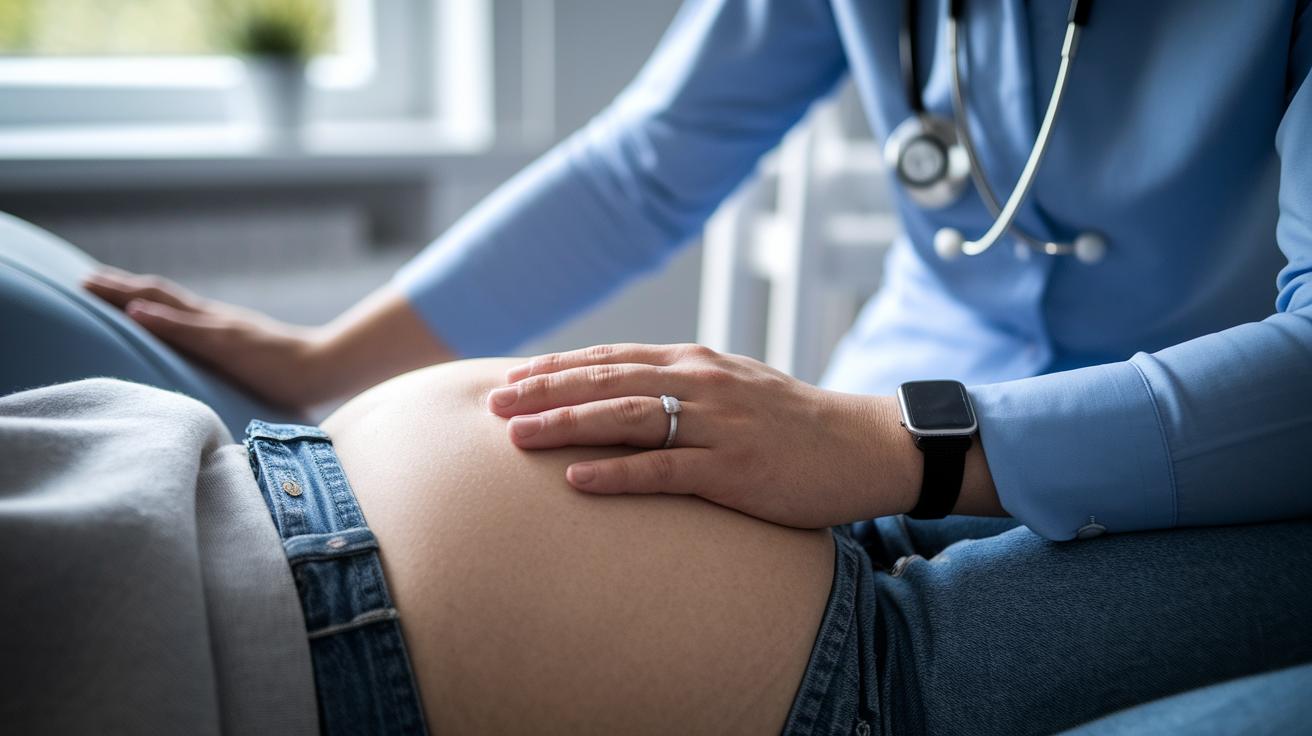
Quick take: Belly swelling with red flags needs prompt attention.
If you have severe pain, unexpected weight loss, bleeding, or a lasting change in your bowel habits (like persistent diarrhea or constipation) lasting more than 2 weeks, call your doctor right away. These red flags could indicate a serious problem.
Your doctor will start with a physical exam, checking your belly and overall health. They may give you an abdominal X-ray to view gas patterns or an ultrasound to see if there is extra fluid. These tests help figure out what is causing your bloating.
If needed, your doctor might order more advanced tests. An endoscopy (a test that puts a thin tube with a camera into your throat) can let them see your digestive tract. Breath tests can check for small intestinal bacterial overgrowth (a condition where extra bacteria make you bloated), and blood tests for celiac disease can be done. A colonoscopy may also be recommended when red flags are present, as it can find issues in your colon that other tests might miss.
If your unexplained bloating continues for more than 2 weeks, follow up with a gastroenterologist for a closer look. Use an abdominal pain flowchart to help guide your care.
Checklist:
• Note any red flag symptoms.
• Record if your symptoms get worse.
• Follow up with a specialist promptly.
Final Words
In the action, we explored how abdominal bloating develops and the various factors behind it. We broke down the role of gas buildup, dietary triggers, gastrointestinal disorders, and hormonal changes in causing abdominal pressure. We also reviewed how lifestyle behaviors can intensify these symptoms along with clear red flags that call for medical evaluation.
This guide helps you understand what causes abdominal bloating and offers practical advice for when to seek care. Stay positive and use this information to support safe, confident steps forward.
FAQ
Q: Why am I so bloated I look pregnant and why is my belly swollen like I’m pregnant?
A: This question asks why your belly may appear pregnant due to bloating. It can be from gas buildup, water retention, or hormonal shifts. Severe or persistent changes warrant a medical checkup.
Q: My stomach feels heavy and bloated.
A: The question describes a heavy, bloated feeling. This may result from excess gas, water retention, or slow digestion, often linked to diet, stress, or hormonal changes.
Q: What relieves bloating fast, how to relieve a bloated stomach, and how to relieve stomach pain and bloating?
A: These questions ask how to quickly ease bloating. Simple steps include sipping water, gentle movement, and eating light, easily digestible foods, while avoiding carbonated drinks to reduce trapped gas and pain.
Q: What is stomach bloating meaning and what does abdominal bloating indicate?
A: These questions ask what bloating signifies. Bloating means you have excess gas or fluid in the digestive tract from factors like food fermentation, swallowed air, or slow digestion, sometimes linked to IBS or food intolerances.
Q: What are the causes of bloating in women?
A: The question asks about causes of bloating in women. It can stem from hormonal changes during menstrual cycles, pregnancy, dietary intolerances such as lactose, or digestive issues like IBS.
Q: What are some female bloated stomach remedies?
A: This question seeks remedies for a bloated stomach in women. Helpful approaches include eating small, frequent meals, doing light exercise, lowering salt intake, and avoiding triggers like dairy or fizzy drinks.
Q: What causes upper abdominal bloating after eating?
A: The question asks why upper abdominal bloating occurs post-meals. It may be due to large or fatty meals, swallowing air while eating, or drinking carbonated beverages, all of which can slow digestion.
Q: What’s the worst thing for bloating?
A: This question inquires about factors that worsen bloating. High-fat meals, overeating, and carbonated beverages are often the worst as they slow digestion and increase gas production, leading to more discomfort.
how many injections of semaglutide for weight loss
how many injections of semaglutide for weight loss
semaglutide effetti collaterali quanto durano in italia
semaglutide effetti collaterali quanto durano in italia
semaglutid receptfritt tabletter
semaglutid receptfritt tabletter
cialis generic cheapest
cialis generic cheapest
doxycycline uti dosage
doxycycline uti dosage
doxycycline uses and side effects
doxycycline uses and side effects
metformin bupropion naltrexone topiramate reddit
metformin bupropion naltrexone topiramate reddit
ketorolac tromethamine clinical overview
ketorolac tromethamine clinical overview
minoxidil clinical insights
minoxidil clinical insights
minoxidil comprehensive clinical data
minoxidil comprehensive clinical data
sildenafil quality control pricing
sildenafil quality control pricing
avanafil nitric oxide pathway
avanafil nitric oxide pathway
orlistat mechanism research
orlistat mechanism research
online safety scam prevention
online safety scam prevention
pneumonia causes
pneumonia causes
Duration and Clearance Variability
Duration and Clearance Variability
Fastest Onset Resource
Fastest Onset Resource
Sildenafil vs Avanafil Main Overview
Sildenafil vs Avanafil Main Overview
sildenafil active ingredient
sildenafil active ingredient
ClindaMedX homepage at clindamedx.com
ClindaMedX homepage at clindamedx.com