


Quick take: A fever can be more than an elevated temperature, it may be a sign that you need urgent care.
If you have a high fever (above 102°F) or notice sudden confusion, call emergency services right away. These are red flags that your body might be fighting a serious infection.
Your fever might simply be your body’s way of dealing with a mild illness. However, if you also feel very dizzy, experience rapid breathing, or notice any unusual behavior, these could be signs that you need urgent help.
Here’s what you can do:
• Check your temperature regularly.
• Note any changes like confusion, dizziness, or rapid breathing.
• Track when these symptoms occur and how severe they are.
Remember, it’s normal to feel worried. Keeping track of your symptoms helps you share important details with your clinician if your condition worsens. Stay safe and don’t delay in seeking care if you notice these red flags.
Fever Symptom Snapshot: Key Indicators
Quick take: A fever shows that your body is fighting an infection, but you must watch for signs that need quick medical help.
If you have any of these emergency signs, call emergency services now:
- Fever over 102.2°F
- Severe confusion or difficulty breathing
- Unconsciousness or extreme weakness
Urgent: If your fever stays high (over 102.2°F) or lasts more than 4 days, seek same-day medical care.
Self-care: If your fever is mild and you only notice chills or sweating, keep monitoring your temperature, stay well hydrated, and rest while you track your symptoms.
A fever is when your oral temperature goes above 100.4°F. This temperature rise means your body is kicking in its defense (immune response) to fight off an infection. Usually, as the fever starts at a low grade around 100.4°F, you might also feel chills and sweating because your body is trying to balance its temperature. In many cases, especially with viral infections like COVID-19, a fever lasts anywhere from 1 to 4 days.
Key points to note:
- Oral fever threshold: over 100.4°F
- High-fever cutoff: 102.2°F
- Common symptoms: chills and sweating
- Typical duration in acute infections: 1–4 days
Keep a close watch on your symptoms and note any changes. Knowing your numbers and how you feel can help you decide when to get help from a healthcare provider.
Fever Patterns and Types in Your Snapshot
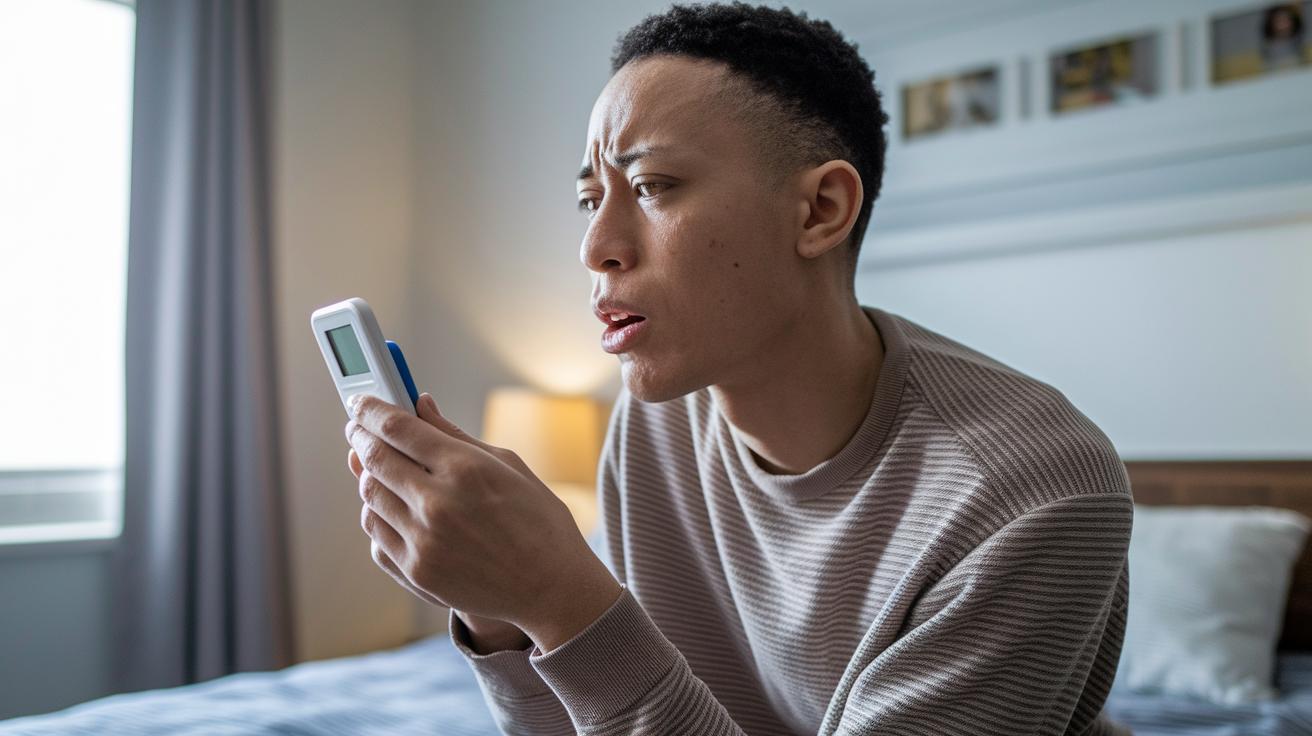
Your fever can give you clues about your health. You might notice an intermittent fever, where your temperature rises quickly and then falls back toward normal, or a remittent fever, where your temperature stays high but moves up and down. Understanding these patterns helps you know if your infection is getting better or if you should seek help.
Fevers are also grouped by how high your temperature gets. The table below shows the different types:
| Fever Type | Temperature Range | Typical Duration |
|---|---|---|
| Low-grade | 100.4–102.2°F | 1–3 days |
| Moderate | 102.2–104°F | 2–5 days |
| High-grade | 104–106°F | 1–3 days |
| Hyperpyrexia | >106°F | Emergency, seek care |
A low-grade fever shows a small rise in temperature, while higher temperatures mean your body is fighting harder. If your fever lasts longer than expected, such as a low-grade fever that goes on for over a week or any fever that persists for more than 2–3 weeks, it may signal a more serious condition. Also, if you notice extra symptoms like unusual fatigue or body aches, it is wise to get evaluated by a doctor.
Fever Symptom Snapshot: Quick Illness Check
Quick take: A fever shows your body is fighting an infection.
Triage Box:
• If your temperature is above 102°F and you feel very confused, have trouble breathing, or experience severe chest pain, call emergency services now.
• If your fever stays high or worsens over a short time, seek same-day medical attention.
• Otherwise, monitor your symptoms and note any changes.
Fever is a sign that your immune system is at work. In viral infections like the flu or COVID-19, your fever usually starts low and slowly rises over 24 to 48 hours. In bacterial infections, such as strep throat or a urinary tract infection, your temperature often jumps suddenly, sometimes reaching over 102°F. Other causes include inflammatory conditions that might cause an on-and-off fever, or even reactions to drugs and vaccines.
Your body sends out proteins called cytokines (small proteins that help immune cells communicate) to fight off the illness. Keeping track of your fever pattern and other symptoms gives useful clues about what might be causing your illness and when it’s time to get professional help.
Home Monitoring Techniques for Your Fever Symptom Snapshot

Quick tip: Check your temperature every 4-6 hours to spot any worrying changes early. If you feel very unwell, note if you have chills, headache, or body aches and be ready to call your doctor.
Here are the common ways to measure your temperature:
- Oral (100.4°F or above means fever)
- Ear (usually 2°F lower than the rectal reading)
- Rectal (most accurate for babies)
- Temporal artery (swipe across the forehead)
- Axillary (under the arm; add 1°F to estimate a true fever)
- No-thermometer checks (feel the forehead and note if you have chills)
Write down your readings with the date and time. Also note any extra symptoms and any medicine you take, like Tylenol or Advil. This clear log will help your doctor see if your illness is getting better or if you need help sooner.
Urgent Red Flags in Your Fever Symptom Snapshot
Quick take: If your fever sticks around or new symptoms appear, it might mean you need help now.
If you notice any of these emergency signs, call emergency services now:
- A high fever of 102.2°F or more after taking medicine
- Fever that lasts more than 72 hours in adults or 24 hours in infants
- Signs like a stiff neck or confusion (problems with the brain)
- Trouble breathing or chest pain
- Clear signs of dehydration (feeling very dry, little urine)
Most fevers fade in a few days. However, if your fever remains high or spikes after two doses of Tylenol (a pain reliever and fever reducer) or Advil (ibuprofen), this could be a sign that your body needs extra help. It can feel very upsetting when you also start to notice a stiff neck, a severe headache, or a rash with your fever.
Keep a close eye on your symptoms. If you see any of these red flags or if your condition gets worse, contact your healthcare provider right away.
Final Words
In the action, you now have a clear picture of key fever factors, from the temperature thresholds and body responses to common patterns and causes. You’ve learned when chills and persistent high readings warn you to seek help. The fever symptom snapshot guides you through home tracking and red flag signs too. Keep a fever log, note any changes, and be ready to share this info with a clinician. Stay calm and proactive. Your careful monitoring helps keep you safe and informed.
FAQ
Fever in adults when to worry
The fever in adults becomes worrisome when temperatures remain above 102.2°F after treatment or persist for several days, especially when paired with symptoms like confusion, stiff neck, or difficulty breathing that demand urgent medical care.
When is a fever too high for a child
A fever in a child is concerning when it exceeds 102.2°F or lasts longer than expected for their age, particularly if it is accompanied by unusual behavior, lethargy, or breathing issues that call for prompt evaluation.
Fever with no other symptoms in child and in adults
A fever with no additional symptoms in either children or adults may indicate an early immune response to a mild infection. It is best to monitor the temperature and overall condition, seeking advice if new symptoms emerge or it persists.
Afternoon fever is a symptom of which disease
An afternoon fever can be seen in conditions such as tuberculosis and certain inflammatory disorders. Persistent afternoon fever, especially with other signs, should prompt you to get a thorough evaluation from a healthcare provider.
Causes of fever
The causes of fever include infections from viruses or bacteria, inflammatory conditions, and reactions to medications. The raised temperature reflects your body’s immune response trying to fight off an illness or irritation.
Fever symptoms in adults
The fever symptoms in adults often include chills, sweating, headache, and muscle aches. These signs indicate that your body is working to combat an infection, and monitoring them can help guide when to seek further medical advice.
Low-grade fever symptoms
Low-grade fever symptoms include a slight temperature rise above 100.4°F, often alongside mild chills or slight fatigue. This subtle response generally signals the early stages of an infection that should be monitored for changes.
What are the 4 patterns of a fever?
The 4 patterns of a fever are continuous (steady high temperature), intermittent (spikes with normal periods), remittent (fluctuating without normal return), and relapsing (recurrent spikes interspersed with symptom-free periods), each suggesting different underlying causes.
What are the four symptoms of a fever?
The four common symptoms of a fever typically include a raised body temperature, chills, sweating, and body aches. These signs reflect your body’s natural response to an infection or inflammation.
Is a fever 37.5 or 38?
A fever is defined as an oral temperature of at least 100.4°F, which equals about 38°C. Readings lower than 38°C, such as 37.5°C, are usually considered within normal variation depending on the measurement method.
What does your face look like with a fever?
With a fever, your face may appear flushed or warm, and you might notice sweating or a pale complexion. These visible changes occur as your body increases blood flow to fight off an infection.