
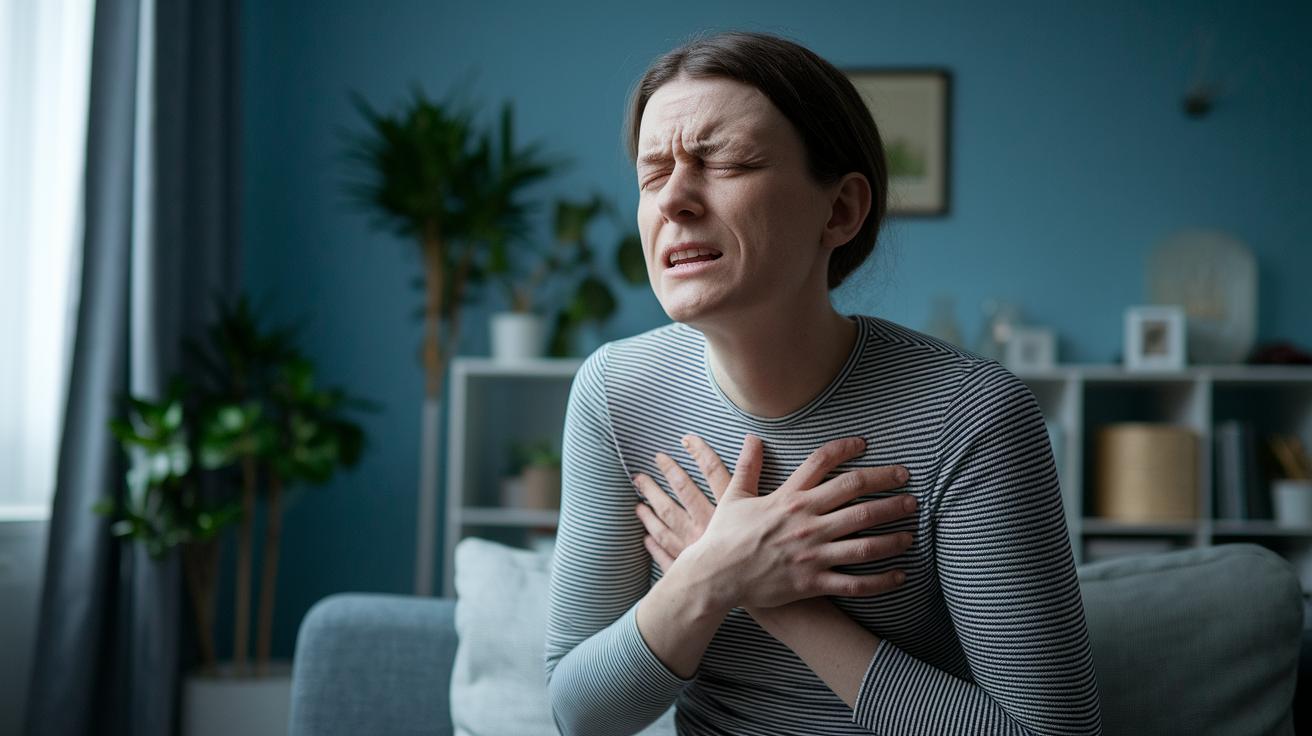

Do you feel a tight, heavy pressure in your chest along with shortness of breath? It might be caused by overexertion or even heartburn, but it can also be a sign of something more serious. Think about the moment after you lift a heavy object and suddenly your breath catches, leaving you worried by an odd pressure. In this guide, we share the main signs you should watch for and clear steps to follow so you can act quickly and safely when your body sends you a warning.
Key Answers for Heaviness in Chest & Shortness of Breath
Quick take: Chest heaviness and shortness of breath may be caused by minor issues or serious conditions. Check for key signs and act fast if needed.
Triage Box:
• Call emergency services now if you have chest pain that feels crushing and spreads to your arm, neck, or jaw, especially if you feel very tired or sick.
• Seek same-day medical help if you suddenly feel very short of breath, have a sharp cough, or notice blood in your spit.
• If your symptoms are mild and go away with rest, keep an eye on them and use simple home care.
Chest heaviness with shortness of breath can come from several causes. It might be muscle strain, heartburn, or bronchitis. These issues are usually less worrisome and get better with rest and simple care. For instance, after lifting a heavy box, you may feel tightness that eases when you rest.
However, some causes are serious and need quick checking. A heart attack can feel like a crushing pressure in the chest that spreads to your arm, neck, or jaw, and it may make you feel weak and nauseous. This is a red flag, and you should seek help immediately.
A blood clot in the lung (pulmonary embolism) may cause a sudden, strong shortness of breath, a cough, or coughing up blood. If you suddenly have trouble breathing while resting, it could mean your lungs are blocked. That situation needs fast medical review.
Sometimes you might feel short of breath when doing activities like climbing stairs, being in cold air, or feeling stressed. These moments often go away with deep, steady breaths. But if the heaviness in your chest and the trouble breathing keep on or get worse, it could be a sign of a bigger issue.
Knowing the signs early can help you decide if you need to get help right away or just watch your symptoms at home. Trust your body. If you feel pain that spreads, struggle to breathe consistently, or notice other unusual signs, contact a health professional right away.
Cardiac Causes of Chest Heaviness & Shortness of Breath
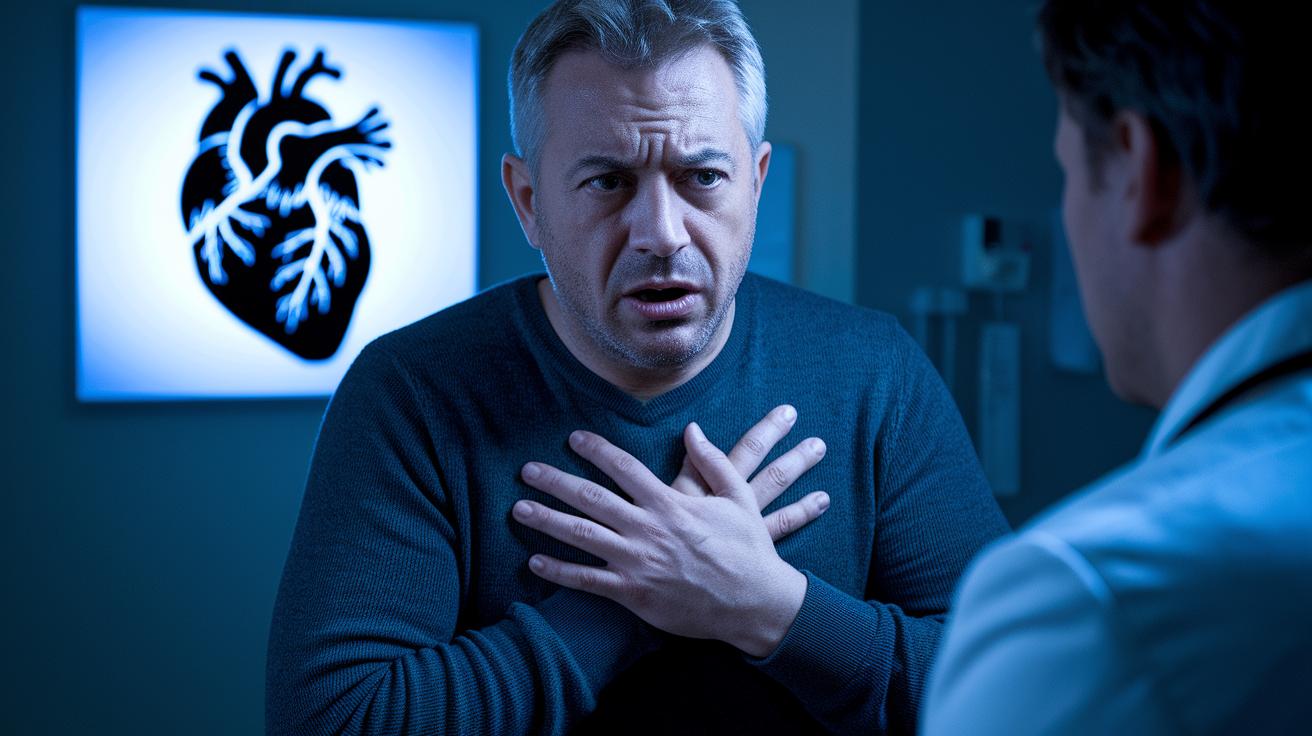
Quick take: A heavy, crushing chest feeling with shortness of breath can signal a serious heart problem.
If you have any of these emergency signs, call emergency services now:
- Crushing chest pressure
- Lightheadedness or fainting
- Cold sweats
- Pain spreading to your jaw or arm
One patient described it as a heavy weight on their chest that brought on sweating and feeling dizzy within minutes. This may mean a blockage in a heart artery (a coronary blockage) is stopping blood flow.
When you feel pain during exercise or even when resting, watch for signs like lightheadedness, cold sweats, or pain moving to your jaw or arm. Women might notice extra signs like severe fatigue, nausea, or trouble breathing without the classic crushing pressure.
If your chest feels tight for a long time, especially at rest, and you notice ankle swelling or ongoing shortness of breath, it could be congestive heart failure. In these cases, acting quickly by getting a medical check-up is important.
Recognize these symptoms early to protect your heart and prevent further complications.
Pulmonary Origins of Chest Heaviness & Breathing Difficulty
Quick Take: Lung issues like infection, asthma, or a blood clot can make your chest feel heavy and your breathing fast.
Triage Box:
• If you have severe chest pressure, fast heavy breathing, or cough up blood, call emergency services now.
• If your symptoms get worse suddenly, seek immediate medical help.
• Otherwise, monitor your symptoms and see your clinician if they do not improve.
Sometimes, you might suddenly feel pressure on your chest and start breathing quickly. This can happen because of a lung infection or a blood clot. In pulmonary embolism, a clot from your leg (deep vein thrombosis) travels to your lungs, blocking blood flow. You may feel a sharp, sudden pressure along with rapid breathing and even cough up blood.
Asthma is another cause of chest tightness and breathing trouble. During an asthma flare-up, you might notice a tight chest and whistling sounds when you breathe. In these cases, inhalers (bronchodilators) can help open your airways.
Lung infections like pneumonia, the flu, or COVID-19 can also lead to heavy coughing, mucus buildup, and labored breathing. These symptoms usually ease as the infection clears.
Sometimes, environmental factors such as high altitude, extreme temperatures, or poor air quality can cause short-term breathing problems. The discomfort typically goes away once you leave the trigger zone.
Always keep an eye on how your symptoms change. If your chest pressure becomes very severe or your breathing worsens suddenly, seek medical care right away.
Heaviness in Chest Shortness of Breath: Stay Calm
Quick take: Chest heaviness and shortness of breath are not always signs of heart or lung problems. Check the list below and act as needed.
If you have any of these emergency signs, call emergency services now:
- Throat swelling
- Very low blood pressure
- Severe trouble breathing
Urgent: Seek same-day care if your pain does not improve or if you notice sudden worsening after exposure to allergens or faulty heating.
Watch and self-manage: Use home care if the discomfort stays mild and you can link it to movement or a heavy meal.
Sometimes, chest pain comes from pulling a muscle in your chest. You may feel a tight, aching spot that hurts more with movement. For example, lifting something heavy can make one spot feel sore without pain spreading to your arm or jaw.
Acid reflux (stomach acid that irritates your esophagus) can also cause a burning feeling in your chest. This pain usually appears after a large meal and stays in your chest area.
Panic attacks can mimic heart pain too. They may cause quick, shallow breathing, a tight chest, tingling in your hands, and a strong wave of fear. The feeling might even be described as your chest being squeezed by anxiety. These symptoms come on fast and fade away, unlike pain from heart issues.
In rare cases, chest tightness with throat swelling, low blood pressure, or urgent breathing problems could point to a severe allergic reaction (anaphylaxis) or carbon monoxide poisoning. Noting any recent exposure to allergens or bad heating sources can help decide if these are the causes.
When Chest Heaviness & Short Breath Require Emergency Care
If you feel chest pressure for several minutes, pass out, feel sick, or start sweating, call 911 now. Watch for signs like blue lips or nails, swollen ankles or legs with sudden shortness of breath, or chest pain when you're resting. These may mean your heart or lungs are in danger.
| Symptom | Possible Serious Cause |
|---|---|
| Chest pressure radiating to arm | Heart attack (blocked blood flow to the heart) |
| Shortness of breath with blood-streaked cough | Blood clot in the lungs (pulmonary embolism) |
| Chest tightness with wheezing | Severe asthma attack or serious allergic reaction (anaphylaxis) |
| Cyanosis (blue lips, nails) | Low oxygen levels (critical hypoxia) |
If any of these symptoms show up, get emergency medical help right away.
Home Care & First Response for Chest Heaviness & Labored Breathing
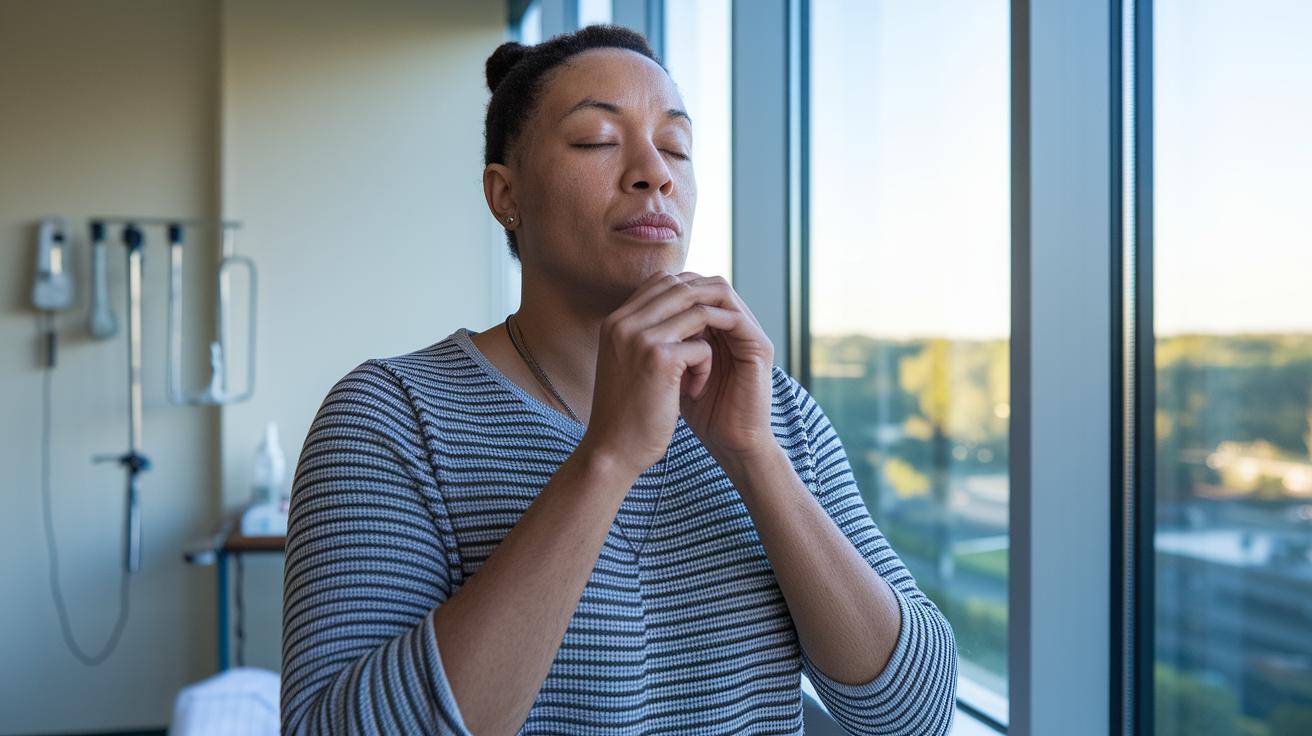
Quick take: Mild chest heaviness and labored breathing can often be eased at home.
If you have any of these emergency signs, call emergency services now: severe chest pain, rapid or very difficult breathing, or if you feel faint.
Many people find that simple steps help when symptoms are mild. Start with a breathing exercise called pursed-lip breathing. Breathe in slowly through your nose and then exhale gently through your nearly closed lips as if you were blowing out a candle. This can help you feel less short of breath.
Another helpful step is to rest in an upright position. This allows your breathing muscles to work better and can ease the pressure in your chest. Over time, simple lifestyle changes like low-impact exercise, staying well-hydrated, and avoiding triggers can also help maintain good lung function.
Sometimes, chest discomfort happens because of acid reflux, which can cause a burning feeling in your chest. In these cases, over-the-counter antacids might help. However, if you notice that your symptoms do not improve or you start feeling more discomfort, it is time to check with your doctor.
Below is a simple checklist to follow:
- Sit or lie in an upright position.
- Practice pursed-lip breathing: breathe in slowly through your nose, then exhale gently through nearly closed lips.
- Try diaphragmatic breathing: let your belly push out while you inhale and relax as you exhale.
- Use a cool-mist humidifier to ease any airway irritation.
- Use an over-the-counter antacid if your symptoms seem related to acid reflux.
Diagnostic Steps for Heaviness in Chest & Shortness of Breath
Quick take: Your doctor will run simple tests on your heart and lungs to find the reason behind your heavy chest and trouble breathing.
Triage Box:
• If you feel very heavy pressure in your chest, pain that spreads, or if you start feeling faint, call emergency services now.
• If your symptoms suddenly get much worse, seek same-day medical care.
• If your symptoms are mild but continue, keep track and talk with your doctor soon.
Your doctor will likely begin with an electrocardiogram (EKG). This test checks your heart’s rhythm and can spot signs of a heart attack. You might also have blood tests to look for heart chemicals (cardiac enzymes) that tell if the heart muscle is under stress.
If your symptoms seem to come from your lungs, imaging tests like a chest X-ray or CT scan may be ordered. These pictures help spot infections or blockages, such as pneumonia or a blood clot in the lungs (pulmonary embolism). For example, if you have chest pressure along with a cough that won’t go away, these scans help decide if more treatment is needed.
You may also take a spirometry test to see how well you breathe. This simple test can show if conditions like asthma or COPD (chronic obstructive pulmonary disease) are affecting you. When the cause remains unclear, your doctor might ask you to do a cardiopulmonary exercise test. This test checks how your heart and lungs perform during activity.
Finally, your doctor will combine your test results with your health history, a physical exam, and lab work to figure out the best explanation for your symptoms.
Final Words
In the action, we reviewed reasons for heaviness in chest shortness of breath. We covered muscle strain, reflux, lung issues, and heart problems with clear warning signs to watch for.
The post explained simple home-care steps, breathing techniques, and when red flags signal that you need emergency help. Keep track of symptoms and share your findings with your clinician to guide next steps. Stay calm and take positive, practical action to manage your health safely.
FAQ
How to tell if shortness of breath is from anxiety?
Shortness of breath due to anxiety often comes with rapid, shallow breathing and chest tightness without a clear physical trigger. It typically improves with calming techniques but should be discussed with a clinician if symptoms persist.
How can you tell if shortness of breath is from heart or lungs?
Shortness of breath from heart issues may include chest pressure and pain radiating to the arm, while lung-related breathlessness often pairs with wheezing, cough, or mucus. Noting accompanying signs can help point to the cause.
How to relieve chest tightness and shortness of breath?
Relieving chest tightness and shortness of breath may involve using breathing exercises, resting in an upright position, and practicing pursed-lip breathing. If symptoms persist or worsen, seek urgent medical advice.
What does it mean if shortness of breath comes and goes?
Intermittent shortness of breath can be triggered by stress, allergens, or mild exertion. Tracking when it occurs and any related symptoms can help in discussing your concerns with a healthcare provider.
How do shortness of breath and tiredness relate?
Shortness of breath with tiredness may indicate that your heart or lungs are under stress. Monitoring the duration and severity of these symptoms is important, and you should consult a clinician if they worsen.
What should I do about unexplained shortness of breath?
Unexplained shortness of breath without a clear trigger may suggest an underlying issue. It is wise to consult a healthcare provider for evaluation, especially if you experience additional concerning symptoms.
How to treat shortness of breath in elderly individuals?
Treating shortness of breath in the elderly starts with identifying any triggers. Simple steps like resting, controlled breathing techniques, and avoiding strenuous activity are useful, but persistent symptoms require clinical evaluation.
What are typical shortness of breath symptoms?
Symptoms of shortness of breath include rapid or labored breathing, a feeling of tightness in the chest, and difficulty catching your breath during rest or activity. Keeping track helps determine if further evaluation is needed.
Why might my chest feel heavy and make it hard to breathe?
A heavy chest and difficulty breathing may arise from conditions involving the heart, lungs, or even gastroesophageal reflux. Persistent or radiating symptoms, especially with added signs like pain elsewhere, should be checked immediately.
What are the four signs your heart is quietly failing?
The signs include chest pressure that radiates to the arm or jaw, shortness of breath at rest or during activity, swelling in the legs or ankles, and persistent fatigue or lightheadedness.
When should I be concerned about chest heaviness?
You should be concerned if chest heaviness lasts several minutes, comes with symptoms like radiating pain, nausea, sweating, or fainting. These signs warrant immediate medical attention.
What are early warning signs of weak lungs?
Early signs of weak lungs include wheezing, a persistent cough, shortness of breath during routine tasks, and unusual fatigue with even mild exertion. These symptoms should be discussed with your healthcare provider.