


Quick take: Most skin discoloration is harmless, but some changes may signal a need for a check-up.
If you notice any of these signs, seek help:
• Red or painful spots
• Rapid changes in size or color
• Discoloration that spreads quickly
Sometimes you might see uneven patches on your skin and wonder if they’re just a quirk or something more serious. Many spots are harmless and can be linked to sun exposure (skin damage from the sun), normal healing, or natural skin aging. However, other changes might point to an underlying issue that you should discuss with a clinician.
This guide explains different types of skin discoloration in clear, simple terms. As you read, you’ll get practical facts to help you take better care of your skin.
Understanding Common Types of Skin Discoloration
Skin discoloration happens when your skin shows patches that are darker or lighter than the rest of your skin. Sometimes, these changes can point to another problem.
There are several types you might see:
-
Hyperpigmentation: This means your skin makes extra pigment. Cells called melanocytes (cells that make pigment) produce too much melanin, which can cause dark spots. Sun exposure, acne, eczema, or hormone changes like melasma can trigger this. Even a short time without sunscreen can sometimes start this change.
-
Hypopigmentation: This occurs when your skin loses pigment. The result is lighter patches. It can happen after skin injury, inflammation, or conditions like vitiligo (a disorder where skin loses its pigment).
-
Vascular Discoloration: This type shows up when changes in blood vessels under the skin give it a red or purple look.
-
Age- and Medical-Related Changes: As you age or face conditions like liver problems or diabetes, your skin tone may shift.
-
Environmental- or Lifestyle-Induced Changes: Pollution, poor nutrition, or exposure to harsh chemicals can also change your skin color.
Keep an eye on any sudden or widespread changes in your skin. If you notice these changes, it is a good idea to talk to your doctor.
Hyperpigmentation: Dark Patches and Their Causes

Quick take: Dark patches form when your skin makes extra melanin due to sun, hormonal shifts, or skin healing from acne or eczema.
Triage Box:
• Watch for sudden changes in size, shape, or color of dark patches.
• If you see rapid changes or have other skin concerns, contact your doctor.
• Most cases are not emergencies and can be managed with proper care.
Your skin can create extra pigment when exposed to too much sun without protection, during hormone changes, or while healing from acne. For example, after a short time in the sun, you might notice dark patches on your cheeks.
People with darker skin may have these marks stick around longer than those with lighter skin. When your skin heals from an injury or breakouts, it may leave behind visible spots.
Melasma is a specific kind of hyperpigmentation linked to hormones. It is most common in women, especially during pregnancy or hormone treatments. Sunlight and visible light can make melasma worse, so using physical sunscreens with zinc oxide or titanium dioxide is very important. One woman, for instance, starts each day with a broad-spectrum sunscreen to help lessen the intensity of her brown patches.
Steps to help manage hyperpigmentation:
• Apply broad-spectrum sunscreen every day.
• Wear protective clothing, like hats, when you are in direct sunlight.
• Visit a dermatologist for personalized advice if your dark patches continue.
By managing these triggers, you can help even out your skin tone over time.
Hypopigmentation Conditions: Light Patches and Depigmentation
Quick Take: Light patches on your skin may result from minor injuries or conditions like vitiligo.
Triage Box:
- If you notice new, clearly defined white patches, call your healthcare provider.
- If the patches spread quickly or you experience other symptoms like pain or itching, see a dermatologist today.
- Track when the patches appear and note any recent skin injury or inflammation.
Hypopigmentation happens when your skin makes less melanin (the pigment that gives skin its color). This can follow an injury, a skin inflammation, or a depigmentation disorder. One common type is vitiligo. In vitiligo, the cells that produce melanin (melanocytes) stop working, so you get irregular white spots that stand out. For instance, a sharp white patch after a small injury might be more than a bruise.
Other types of light patches may show up after burns, infections, or skin inflammation. A thorough check by a dermatologist helps tell apart widespread lighter skin from a few distinct spots. They look at the size, shape, and pattern of these areas to decide the proper diagnosis.
Tips for watching your skin:
- Write down the time and look of any lighter patches.
- Note any recent cuts, burns, or redness before the patches appeared.
Recognizing these signs early is key. When you notice a change, timely follow-up with your doctor can guide treatment and help improve your results over time.
Vascular and Inflammatory Skin Discoloration
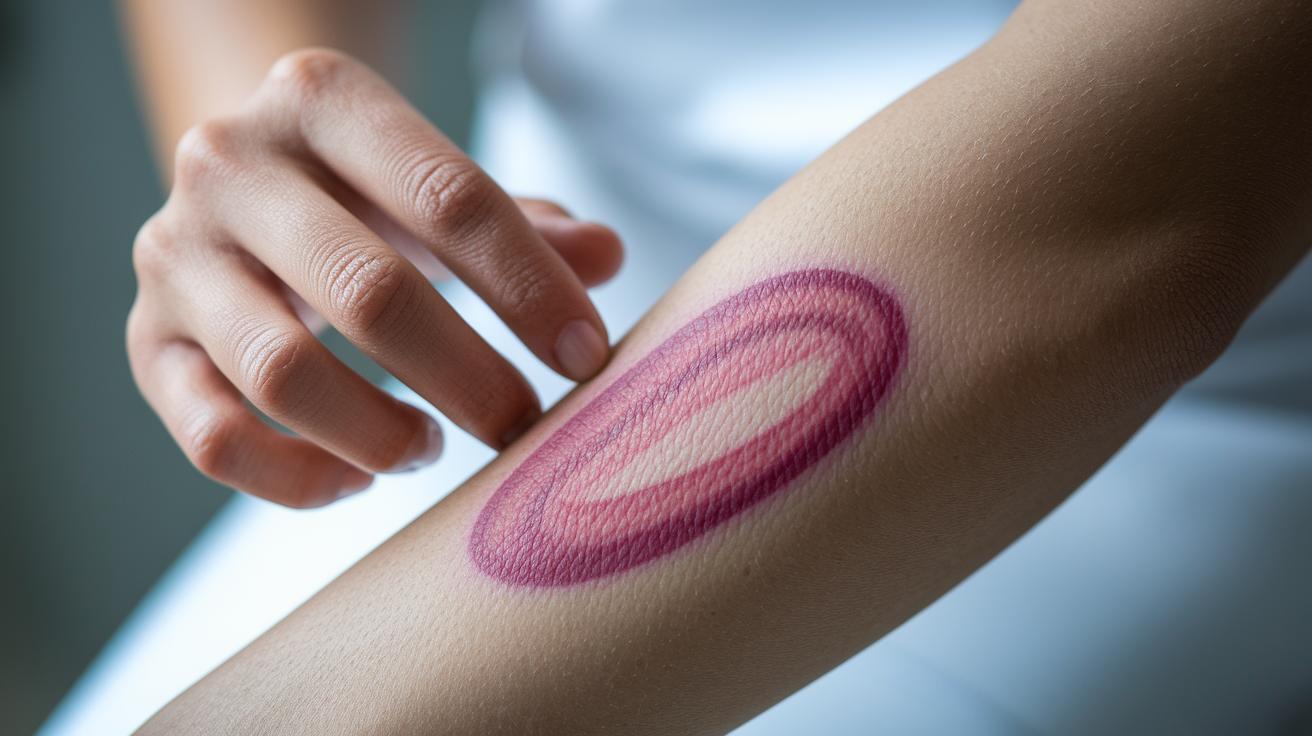
Quick Take: Red or purple skin marks may come from inflamed blood vessels or irritation. Monitor any changes closely.
If you notice these signs, take these steps:
- Call emergency services now if the marks become large, change color quickly, or you develop severe pain.
- Seek same-day medical care if the spots are growing or other symptoms appear.
- Watch and note any changes in size, color, or discomfort, and share these details with your clinician.
Sometimes, your skin shows red or purple marks when blood vessels react or when inflammation happens under your skin. Conditions like purpura and rosacea reveal these spots by affecting the blood vessels directly. Inflammation from breakouts, eczema, or contact dermatitis can lead to dark spots (post-inflammatory hyperpigmentation) or lasting redness (persistent erythema). For instance, after an acne outbreak, a red spot might slowly darken as your skin heals.
Key points:
- Acne, eczema, or contact dermatitis can kick off inflammatory changes.
- These conditions may leave behind dark spots or continued redness.
- Vascular issues can make your skin appear red or purple.
Keeping track of these skin changes can help you figure out what’s happening below the surface. If these spots grow, change color, or don’t get better, it’s time to have them checked. Write down your observations to help guide the next steps toward healthier skin.
Aging, Medical Conditions, and Discoloration
Quick take: Your skin may change with age, sun exposure, and health issues.
Triage Box:
• If you see spots that bleed or change fast, call emergency services now.
• If you notice new, large, or painful spots, seek same-day medical care.
• For gradual changes, note the details and discuss them with your doctor during your next visit.
As you age, your skin can change because of long-term sun exposure and various health problems. Too much UV light speeds up aging and may cause dark patches (age spots) or rough, scaly areas (actinic keratoses) that can signal skin cancer risk. For people with fair skin, aging can bring more redness, while darker skin may show persistent dark spots (hyperpigmentation) or thick, raised scars (keloids) during healing.
Other health conditions also affect your skin tone. For example, liver disease can cause a yellow tint (jaundice), and diabetes might lead to brown patches on your legs. Chronic skin issues like eczema or psoriasis can change your skin’s color too.
Keep track of any new or changing spots by writing down the date and what you notice. Sharing this record with your doctor can help manage normal aging changes and spot any issues early, so you can act quickly if needed.
Melasma and Hormonal Pigment Changes
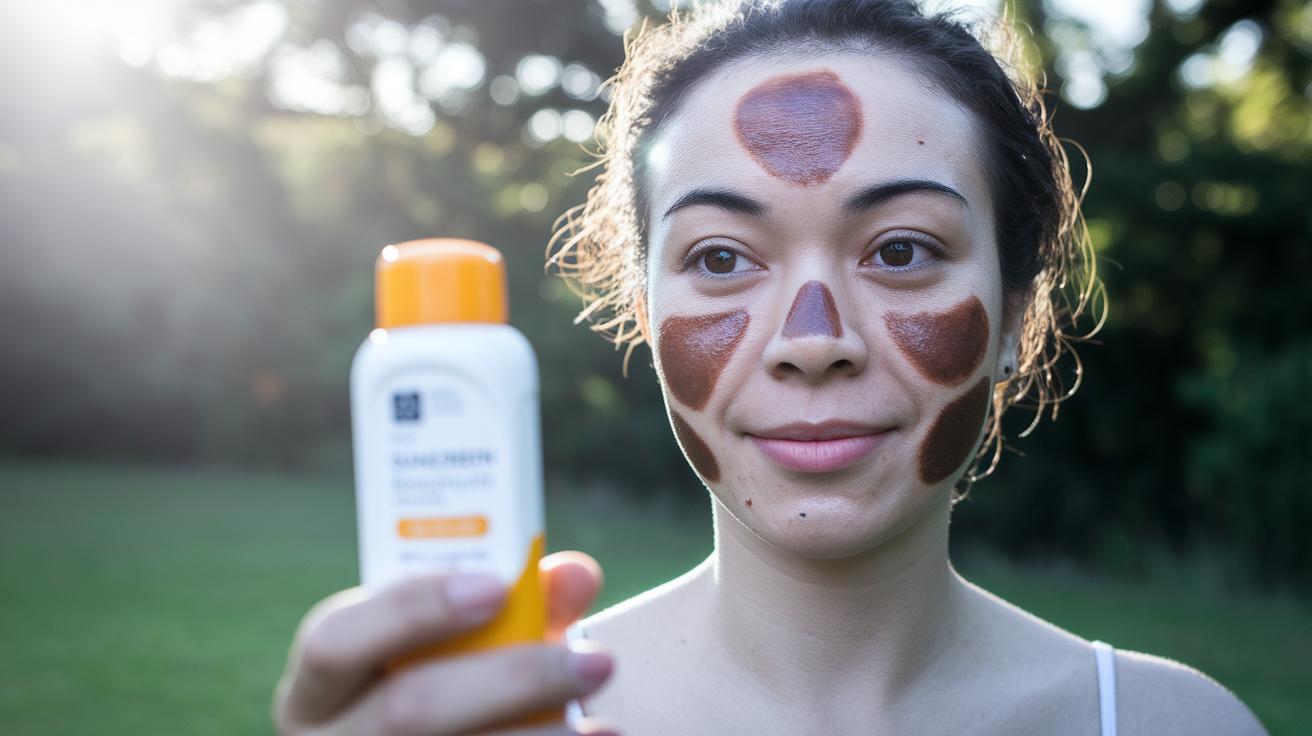
Quick take: Melasma is a skin condition that causes patches on the face. It is linked to hormone changes and sun exposure.
Triage Box:
• Watch and self-manage if you notice dark patches on your skin.
• Use a physical sunscreen with zinc oxide or titanium dioxide every day.
• Avoid spending too much time in the sun during peak hours (12-3 PM).
• Track your skin changes to see what might be making the patches worse.
Melasma shows up as brown, tan, or even blue-gray patches on your face. It happens when your body produces extra melanin (the pigment that colors your skin) during times of hormone changes, like pregnancy or hormone therapy. Many people see these spots become more clear when their hormones shift.
Sunlight makes melasma worse. UV rays and visible light can darken these patches. That’s why it’s important to wear a physical sunscreen with zinc oxide or titanium dioxide. Even short periods in the sun can cause the spots to darken.
Your genes and some medications that make your skin more sensitive to light can also raise your chances of getting melasma. The patches usually stay steady but can change with hormonal shifts or sun exposure.
Protect your skin every day. Use a broad-spectrum sunscreen and try not to be out in the sun during its strongest hours. Keeping track of how your skin responds can help you adjust your routine and spot any triggers early.
Remember, a steady skincare routine and regular sun protection are key to keeping melasma in check.
Diagnostic Approaches for Pigment Disorders
Skin doctors start by looking closely at your skin. They ask when the discoloration began, review your medical history, and check if you noticed any triggers. This careful exam helps them decide if more tests are needed.
A common tool is called dermoscopy. This handheld device shines light and uses magnification to show tiny details under your skin. For example, a doctor may use it to see how deep the pigment is, which helps them decide if the spot is harmless or needs further study.
They also use a Wood's lamp exam. This special ultraviolet light makes differences in pigment stand out. Doctors sometimes compare the lesion to standard tone scales to check if it is lighter or darker than normal.
If the cause still isn’t clear, your doctor might do a biopsy. This simple test takes a small sample of your skin so they can tell if the patch is benign or could be harmful.
Treatment Strategies for Types of Skin Discoloration
Quick take: Many methods can help even out your skin tone. If you notice burning or severe irritation with any treatment, call your doctor immediately.
You can use a mix of simple home care and professional procedures to improve uneven skin tone. Topical treatments such as hydroquinone, retinoids, and azelaic acid (substances that help reduce the skin pigment) work slowly to brighten dark spots. Chemical peels with glycolic or salicylic acid gently remove the top skin layer so that newer, smoother skin appears.
Laser and light therapies like Q-switched Nd:YAG and IPL can target deeper pigment deposits for a more even look. Microdermabrasion, which uses a crystal or diamond tip, also exfoliates the outer skin gradually to smooth out its texture. In addition, natural ingredients like vitamin C and botanical antioxidants support overall skin health and can help lessen uneven tone.
Daily use of a broad-spectrum sunscreen is essential to protect against UV rays, which can make discoloration worse. A gentle skincare routine helps keep treatment benefits and limits irritation. Regular check-ins with your dermatologist will make sure you receive the right adjustments for the best long-term result.
| Treatment Modality | Description | Common Agents/Procedures |
|---|---|---|
| Topical Agents | Lower pigment production to lighten dark spots | Hydroquinone, retinoids, azelaic acid |
| Chemical Peels | Remove outer skin layers to reveal fresher skin | Glycolic acid, salicylic acid |
| Laser/Light Therapies | Target deeper pigment for a uniform tone | Q-switched Nd:YAG, IPL |
| Microdermabrasion | Exfoliate top skin layers and smooth texture | Crystal or diamond tip |
| Natural Adjuncts | Boost skin health and help reduce uneven tone | Vitamin C, botanical antioxidants |
Keep up with your skincare routine and see your professional regularly to get the best results from your treatment plan.
Final Words
In the action, this article walked you through types of skin discoloration and their causes. We explored dark patches from melanin buildup, light spots from reduced pigment, and color shifts linked to inflammation and aging. You saw how professionals diagnose these changes and learn about home-care and professional treatment options. The guide provided clear, step-by-step insights on managing and tracking pigment changes. Stay confident, keep monitoring your skin, and take positive steps toward better skin health.
FAQ
Q: What types of skin pigmentation disorders are there and how do they appear?
A: The common types include hyperpigmentation (excess melanin causing dark patches), hypopigmentation (reduced melanin leading to lighter spots), and vascular discoloration (red or purple marks from blood vessel changes).
Q: How does skin discoloration on the body, face, hands, or arms develop?
A: Skin discoloration can develop from sun exposure, inflammation, hormonal changes, or aging. These triggers may result in brown, dark, or light patches across different body areas.
Q: What does it mean when my skin is getting darker for no reason?
A: Unexplained skin darkening may be due to hyperpigmentation triggered by sun exposure, hormonal shifts, or post‐inflammatory changes; tracking the changes and consulting a clinician is advised for proper evaluation.
Q: What are the three common types of discoloration?
A: The three common types are hyperpigmentation (increased melanin production), hypopigmentation (reduced melanin), and vascular discoloration (color changes due to blood vessel issues).
Q: Which vitamins help fade brown spots on the skin?
A: Vitamins such as vitamin C, vitamin E, and niacinamide are often used in skincare to brighten skin and fade brown spots when applied in topical formulations.
Q: What autoimmune disease causes skin discoloration?
A: Vitiligo is an autoimmune condition that causes skin discoloration by destroying pigment cells, leading to irregular white patches.
Q: What is the difference between discoloration and hyperpigmentation?
A: Discoloration refers to any skin tone change, while hyperpigmentation specifically means darker patches caused by excess melanin production.