
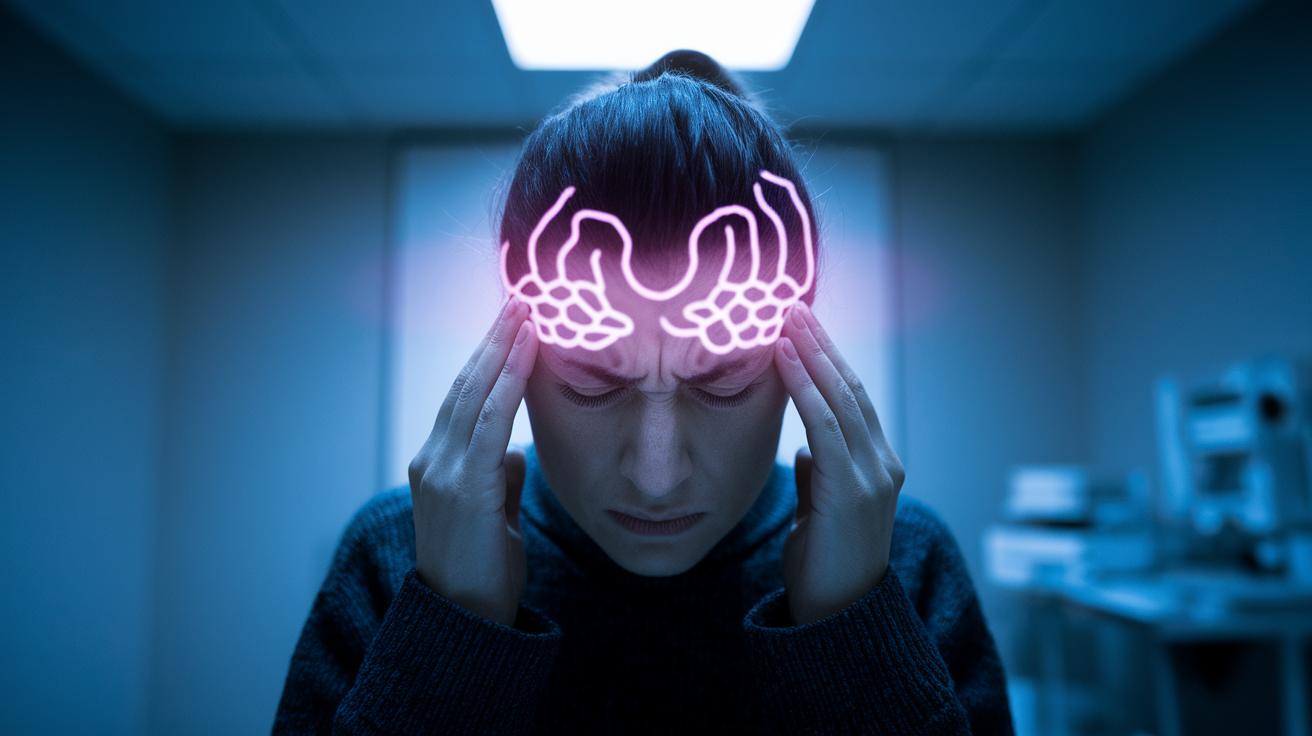

Quick Take: A sudden, burning headache on one side of your head may be a cluster headache, track your episodes and share them with your doctor.
Triage Box:
• If you experience new or worsening severe headache along with blurred vision, confusion, or numbness, call emergency services now (911 in the US).
• If you have a history of cluster headaches and notice changes in your pattern, call your doctor.
• Otherwise, monitor your symptoms closely and note any changes.
Cluster headaches can hit without warning. They often feel like a hot needle pricking one side of your head. This type of headache is known for its sharp, burning pain that leaves you feeling unsettled. In this article, we explain what these headaches feel like, how they appear, and why keeping a record of each episode matters.
You deserve clear answers about your symptoms. By tracking your pain, you can provide your doctor with helpful details to decide if you need further care. Stay safe and take note of any changes in your headache pattern.
Cluster Headache Sensation: Understanding What It Feels Like
Quick take: Cluster headaches cause very sharp, one-sided head pain that comes on suddenly.
Triage:
If you notice any of these signs, get help right away:
- Vision problems (such as blurred or double vision)
- Trouble speaking or moving
- Confusion or weakness
- Pain that spreads to other parts of your body
Cluster headaches hurt intensely and usually stick to one side of your head near one eye. Many people describe the pain as burning, stabbing, or throbbing. It comes on fast and can last between 15 minutes and 3 hours at a time. During a cluster period, these painful episodes may strike several times each day, making it hard to focus on anything else.
You might also feel a pulsing pressure in your head right before an attack. This can be unsettling and make normal moments feel overwhelming. It is common to worry about the next bout, even during weeks or months when you feel better.
Track your symptoms by noting the start time, how long the pain lasts, and other signs like eye watering or a runny nose. Share this information with your doctor so they can help you manage the pain and find the best treatment plan.
Remember, you deserve care and relief. Stay alert to any changes and act immediately if new symptoms develop.
what does a cluster headache feel like: Enlightening
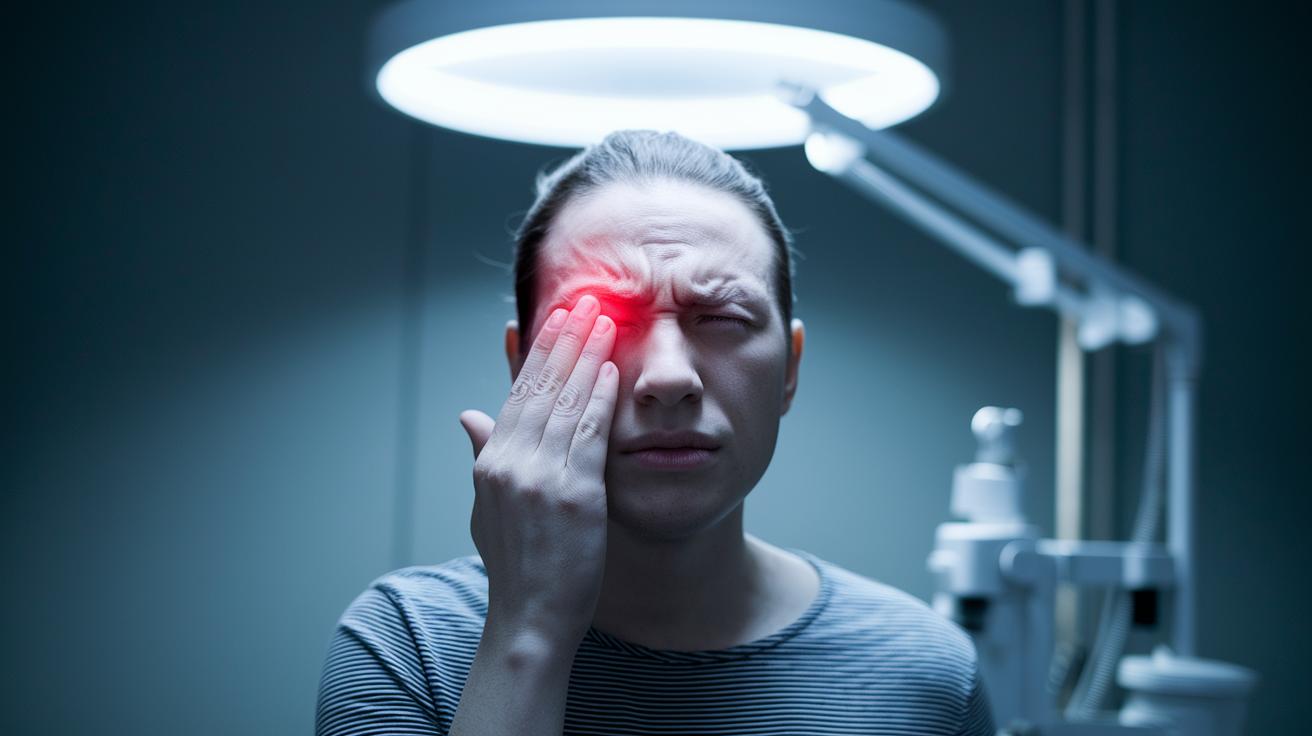
Quick take: Cluster headaches cause sudden, sharp pain near one eye that demands your full attention.
If you experience any of these signs, seek urgent care:
- Sudden, burning or piercing pain behind one eye or in the temple.
- A droopy eyelid (ptosis means droopy eyelid) with facial redness or sweating.
- A change in your usual pattern of headaches or new vision problems.
Cluster headaches make you feel a deep, burning pain that comes and goes in waves with each heartbeat. Many people say it feels like a hot needle pressing repeatedly against a sensitive spot. The pain is very focused, usually behind one eye or in the temple, so even light touch can hurt a lot.
You might notice that the eyelid on the painful side droops. The face may turn red or start to sweat during an attack. This combination of symptoms makes the pain stand out and can be very hard to ignore. The sharp, intense pain often keeps you alert and can leave you feeling exhausted afterward.
Accompanying Symptoms of Cluster Headaches: Eye Tearing, Nasal Congestion, and Restlessness
When you have a cluster headache, the pain is so strong it can set off many other bodily responses. You might notice your eye on the painful side watering a lot and turning red due to extra tearing (the eye produces more fluid when stressed). Your nose might feel blocked or start running because the nerves in that area are reacting, which adds to the discomfort.
Other common signs include changes in your face like flushing or sweating. You could feel very restless and even start pacing, rocking, or acting agitated during an attack. That restless feeling is a clear signal your body is under stress.
Here’s a quick checklist of common symptoms you might see with a cluster headache:
- Eye tearing or a red eye on the painful side
- Nasal congestion or a runny nose
- Drooping or swollen eyelids
- Facial flushing or sweating
- Pacing, rocking, or feeling agitated during an attack
Trigger Patterns and Cycle Characteristics of Cluster Headache Pain

Quick Take: Cluster headaches often strike at the same time each day and can be triggered by small routine changes.
If you have any of these emergency signs, call emergency services now:
- A sudden, severe headache that feels different from your usual pattern.
- New problems with vision, speech, or balance.
- Unexplained confusion or weakness.
Cluster headaches usually follow a regular pattern. Many people notice the pain at a set time, and sometimes the headache even wakes you up at night. This steady timing helps you predict when an attack might start. During a headache phase, even minor changes in your routine can trigger an episode.
External factors can also set off these attacks. For example, having a drink when you're in a headache phase might quickly spark an attack. Changes in the weather (like shifts in air pressure), sudden changes to your sleep schedule, strong smells, high altitudes, and the heat from intense
Distinguishing Cluster Headache Sensations from Migraines and Other Headache Types
Cluster headaches usually last from 15 to 180 minutes. In contrast, migraines can continue from 4 to 72 hours. The pain tends to focus near one eye or temple, causing a one-sided feeling. Unlike migraines, you won't notice an aura (a warning sign like flashing lights) with cluster headaches. They come with signs like tearing, droopy eyelids, or a flushed face, and you may feel very restless. Many people find that during an attack they cannot sit still and might pace or rock as the pain peaks.
Other headaches, like tension headaches, usually cause a dull, widespread pressure rather than the sharp, focused pain of cluster headaches. Migraines often come with extra symptoms such as nausea, vomiting, and sensitivity to light. Doctors use your symptoms and medical history to decide which type of headache you have. They look at details like pain quality and other signs (history, exam, tests) to make their diagnosis. Knowing these differences is important because each headache type needs a different care plan.
Seeking Immediate Care and Using Triage Tools for Cluster Headache Management

Quick take: New neurological changes like vision issues, speech problems, confusion, or weakness may signal a serious problem.
If you notice any of these changes and they aren’t your usual pattern, call your healthcare provider right away. These are red flags that require immediate attention.
For a quick check at home, use our headache triage flowchart. This tool, along with our persistent headache checklist, helps you see how serious your symptoms might be without repeating advice.
Your doctor will review your symptom history and might run tests like an MRI (magnetic resonance imaging) or CT scan (computed tomography scan) to rule out other causes.
Self-Management and Acute Relief Strategies for Cluster Headache Episodes
Quick take: Cluster headaches are very painful and need fast action with oxygen and early medication.
Triage Box:
If you have any of these emergency signs, call emergency services now:
- Sudden confusion or slurred speech
- New, strange vision changes or eye pain
- Severe headache that feels very different from past episodes
Immediate Steps:
• Inhale 100% oxygen at 12–15 L/min for 15 minutes. Many people find this helps ease the pain quickly.
• Use fast-acting medications early. Subcutaneous sumatriptan (a quick injection) or intranasal zolmitriptan (a nasal spray) can help stop the headache if taken promptly.
At-Home Care:
• Try using lidocaine nasal spray (a medicine that numbs pain) to block the nerve signals.
• Keep your medications nearby so you can use them when a headache starts.
• Your doctor might add a preventive medicine like verapamil (a calcium channel blocker that relaxes blood vessels) to help reduce future attacks.
• Sometimes, nerve block injections are used to numb specific nerves and lessen the pain.
Track Your Attacks:
• Keep a headache diary. Note the start time, how long the headache lasts, possible triggers, and what helped.
• This record can help you and your doctor understand patterns and adjust treatment if needed.
• For help tracking your symptoms, visit our step-by-step guide to keeping a symptom diary.
Other Tips:
• Practice deep, steady breathing during an attack. Slow breaths can help reduce tightness and calm feelings of panic.
• Acting quickly and following your care plan gives you the best chance at reducing pain until you see your doctor.
Final Words
In the action, we reviewed the intense pain of cluster headaches. We outlined the burning, throbbing pain typically around one eye with accompanying symptoms like tearing and nasal congestion. We also compared headache types and discussed triggers that spark these episodes. Practical self-care steps, acute relief strategies, and warning signs were highlighted to guide you safely through each phase.
Remember, understanding what does a cluster headache feel like empowers you to act quickly and maintain hope. Stay positive and keep tracking your symptoms for better care.
FAQ
Is a cluster headache dangerous and can they kill you?
Cluster headaches are not known to directly cause death or brain damage. They inflict severe pain and distress, which can affect your overall well-being, so proper treatment and support are important.
What causes a cluster headache and can they occur every day?
The causes of cluster headaches involve abnormal brain activity, particularly in the hypothalamus, along with triggers like alcohol, disrupted sleep, weather changes, and strong odors, which can lead to daily episodes during a cluster period.
What exactly are cluster headaches?
Cluster headaches are severe, one-sided head pains that often occur around the eye. They come in cycles with repeated attacks and are accompanied by signs like nasal congestion and tearing on the affected side.
How is cluster headache treatment approached and how do you relieve one?
Cluster headache treatment focuses on rapid relief using inhaled oxygen or sumatriptan shots, supported by preventive medicines like verapamil. Self-management and home-care measures can also help reduce pain during an attack.
How long do cluster headaches last?
Cluster headaches typically last between 15 and 180 minutes per attack. They can occur several times daily during a cluster episode, which may persist for weeks before a remission phase begins.
Do cluster headaches eventually go away?
Cluster headache cycles can end naturally, leading to periods without pain. However, many people experience recurring cycles over time, making ongoing management essential for sustained relief.
How do I know if it’s a cluster headache?
You might have a cluster headache if you experience sudden, severe, one-sided pain around the eye along with symptoms such as red or watery eye, nasal congestion, and a strong urge to move around during the attack.
What are the main triggers for cluster headaches?
Main triggers include alcohol use during an active phase, changes in barometric pressure, irregular sleep patterns, tobacco smoke, high altitude, and vigorous exercise, all of which can prompt an attack.
What conditions can be mistaken for a cluster headache?
Cluster headaches can be confused with migraines, sinus headaches, or tension headaches. Their distinct one-sided, severe pain with accompanying eye and nasal symptoms usually helps distinguish them from other headache types.