
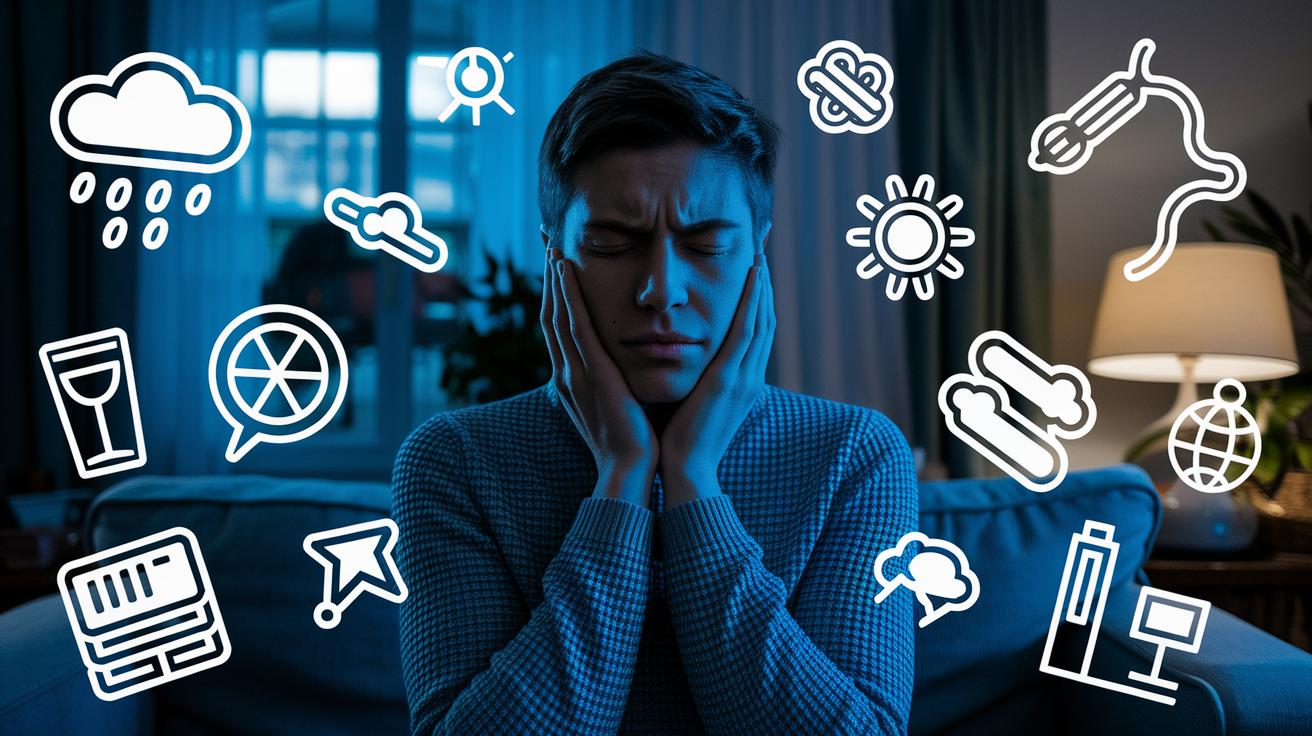

Quick Take: Your daily habits like sleep, meals, and even the weather can trigger cluster headaches.
Triage Steps:
• Emergency: Call 911 immediately if you experience a sudden, extremely painful headache with confusion, vision changes, or trouble speaking.
• Urgent: Seek same-day medical advice if your headaches become more frequent or worsen despite making changes.
• Monitor: Keep a daily record of your sleep, eating patterns, and weather conditions to help spot any links to your headaches.
Everyday choices may be at the root of your cluster headaches. Changes in your sleep schedule, meal times, or even fluctuations in the weather might play a part. Researchers have found that small tweaks to your routine can often ease the pain.
This guide explains common headache triggers and gives you clear steps to track and manage them. Use the checklist above to decide when to seek help, and use your daily tracker to see which habits might be causing your pain.
Take charge of your relief by monitoring your routine and discussing any changes with your healthcare provider.
Recognizing Key Cluster Headache Triggers Across Lifestyle, Environment, and Diet
Quick take: Noticing daily habits and surroundings can help you reduce cluster headache attacks.
Triage Box:
• If you have a headache that feels different or worse than usual, call emergency services right away.
• If your headache comes with sudden confusion, trouble seeing, or weakness, seek urgent care.
• If your pattern changes in a way that worries you, contact your doctor.
Cluster headaches cause severe pain that often comes in cycles. Many everyday choices and settings can make these attacks more likely. By keeping an eye on your habits and surroundings, you can learn what may be setting off your pain.
Simple lifestyle adjustments may ease your symptoms. Watch what happens before a headache starts. Use a diary to record the time, what you did, and any changes in mood, sleep, or food. Then, share these notes with your doctor to figure out the common triggers.
Everyday factors linked to cluster headache attacks include:
| Possible Trigger | Note |
|---|---|
| Alcohol | Even small amounts can sometimes trigger pain |
| Smoking | Nicotine and other chemicals may worsen headaches |
| Inconsistent Sleep Patterns | Missing sleep or shifting sleep times can be a factor |
| Weather/Barometric Changes | Sudden shifts in weather may set off an attack |
| High Altitude | Lower oxygen levels at high altitude can trigger headaches |
| Bright Light Exposure | Strong sunlight or artificial light may be a warning sign |
| Strong Odors | Pungent smells, like perfumes or chemicals, can contribute |
| Certain Foods and Dehydration | Some foods or a lack of water may increase pain |
Keeping a detailed diary can reveal patterns that might otherwise be missed. You may notice that a night with poor sleep or a sudden change in weather comes right before a headache. By spotting these signs and changing your routine, you may lessen the attacks.
Taking control of your daily habits is a big step forward in managing cluster headaches. Remember, small changes can lead to big improvements in your comfort and quality of life.
Alcohol and Smoking as Prime Cluster Headache Inducers

Quick take: Both drinking alcohol and smoking can trigger severe headache attacks.
When you drink beer, wine, or liquor, your body turns alcohol into chemicals that may upset nerve pathways that send pain signals. These chemicals can make the blood vessels in your brain widen, which may start a painful headache attack.
Smoking is also a trigger. The nicotine and harmful substances like cadmium in cigarettes can change how your brain works and increase inflammation. Inflammation is known to play a big role in starting headache attacks. Research shows that up to 88% of people with cluster headaches smoke, highlighting how smoking can worsen the condition.
Here’s what you can do during headache cycles:
- Stop drinking alcohol.
- Avoid smoking or being around cigarette smoke.
- Keep a diary to note when you drink or smoke and track any headaches that follow.
Taking these steps may help reduce the risk of a painful attack.
Sleep Disruption and Circadian Factors in Cluster Head Pain
Quick take: Changes in your sleep schedule can trigger painful cluster headaches, so keeping a steady sleep routine is very important.
Triage Box:
• If you have a sudden, very severe headache or new symptoms like confusion or weakness, call emergency services now.
• If your headaches get worse or change in pattern, seek urgent care.
• Otherwise, try to improve your sleep routine and monitor your symptoms.
Your body works best with a steady sleep schedule. When your sleep pattern changes, whether you get too little or too much sleep, it can disturb your internal clock (the natural system that tells your body when to sleep and wake). This disruption may set off cluster headaches. Some people even notice that the pain strikes at about the same time each night, earning the nickname "alarm clock headaches." Sleep disorders like sleep apnea (a condition that stops you from breathing well while you sleep) can make matters worse by interrupting your rest.
A regular sleep routine is key to lowering your risk of attacks. Set a fixed time to go to bed and wake up each day. Make your bedroom cool, dark, and quiet to promote better sleep. Avoid things that can keep you wired at night, such as bright screens and caffeinated drinks. Keeping good sleep habits can help break the cycle that triggers these headaches.
Environmental and Weather-Related Cluster Headache Triggers

Quick take: Sudden weather changes can set off cluster headaches.
Please note:
If you have any of these emergency symptoms, call emergency services now:
- Confusion or trouble speaking
- Vision changes
- Weakness or numbness
- Severe, unrelenting pain
If your headache worsens or you notice unusual symptoms, get same-day medical help. Otherwise, you can monitor your signs and care for yourself.
Weather shifts like rapid drops in barometric pressure or sudden temperature changes can upset your body and trigger a painful headache cycle. When the weather changes quickly, your blood vessels may widen (dilate) in your brain, which in turn boosts the pain intensity.
Extreme temperature shifts, whether an unexpected chill or a burst of heat, can overwhelm your system and start a headache cycle. High altitudes also matter because lower oxygen levels force your blood vessels to widen, making you more sensitive to pain. Research shows that fast weather shifts are often linked to more frequent cluster headache attacks.
Here’s what you can do:
- Check the weather forecast every day.
- Limit time outdoors during sudden weather changes.
- Stay well hydrated, drink plenty of water.
- Keep a daily record of weather conditions and your headache symptoms. This can help you spot patterns and act early.
Taking these simple steps can help you manage your headaches better even when the weather is unpredictable.
Dietary Triggers and Nutritional Contributors in Cluster Headache Cycles
Quick take: Your eating habits can spark cluster headaches if you skip meals or go too long without water.
Triage:
If you have any of these emergency signs, call emergency services now:
- Sudden, severe headache pain
- Confusion or weakness
- Any new neurological changes
If you don’t have these signs, you can manage your symptoms by watching your diet and staying well-hydrated.
Your food choices can really affect your headache cycle. Some foods contain chemicals that change how your blood vessels work and can bring on a painful attack. Even basic habits like missing meals or not drinking enough water can upset your body and set off a headache.
When you fast or follow irregular meal times, your body misses out on its usual energy boost. Not getting enough water can also affect blood flow and make nerves more sensitive, which may worsen your pain.
| Food Type | Trigger Mechanism | Examples |
|---|---|---|
| Aged Cheeses | High nitrate levels may cause blood vessels to widen | Cheddar, blue cheese |
| Processed Meats | Nitrates and additives can change blood vessel behavior | Bacon, hot dogs |
| MSG-Containing Foods | MSG sensitivity can lead to nerve overactivity | Soy sauce, seasoning mixes |
| Fasting/Dehydration | Skipping meals and low fluid intake drop energy levels | Missed meals, little water |
Keep a food diary to note what you eat and when your headaches occur. This can help you spot patterns and identify foods that might trigger an attack. When you find potential triggers, try cutting them out and choosing balanced meals packed with fresh ingredients and plenty of water. This can help keep your energy steady and lower your risk of cluster headaches.
Sensory Stimuli and Strong Odors as Immediate Cluster Headache Catalysts

Quick take: Bright lights and strong smells can trigger sudden, painful cluster headache attacks.
If you have any of these emergency signs, call emergency services now:
• Sudden headache pain that feels crushing or worsening fast
• Difficulty breathing or speaking during an attack
Urgent: Seek a calm, dim space if your headache starts, and avoid any strong odors.
Watch and self-manage: Try these steps at home if your symptoms are mild:
• Wear sunglasses when outside on sunny days
• Use soft, diffused light indoors instead of harsh fluorescents
• Stay away from areas with strong chemical smells like perfumes, cleaning products, or gasoline
• Choose unscented or lightly scented items when possible
Bright sunlight and harsh indoor lighting can set off an attack quickly. You may feel severe eye strain and pain when exposed to intense light. Even a short burst in direct sunlight might lead to a rapid headache. This light sensitivity (photophobia or sensitivity to light) is a well-known trigger for many people with cluster headaches.
Strong odors are another common trigger. Scents from perfumes, cleaning solvents, gasoline, or even nail polish can start a headache in minutes. These strong smells seem to irritate certain nerve pathways and boost the brain’s pain signals.
To lower your risk, adjust your environment. Wearing sunglasses outdoors and choosing softer, diffused indoor lighting can help. Avoid spots where strong odors are common, and switch to fragrance-free or lightly scented products. Some people notice fewer headaches when they use cleaners without added perfume.
Taking these simple steps may help keep your headaches at bay.
Physical Exertion, Stress, and Hormonal Variables in Cluster Headache Onset
Quick take: Physical strain and stress can trigger a cluster headache suddenly.
Triage Box:
• Red flags: If you experience new confusion, vision changes, or severe neck stiffness, call emergency services now.
• Urgent concerns: If the headache worsens or you feel unusually weak, seek same-day medical care.
• Self-care steps: Slow down your workout, use breathing exercises, and track your symptoms.
Sometimes, even a brief session of heavy lifting or an intense workout can set off a cluster headache. When you push your body too hard, nerve pathways may trigger a sudden, painful episode. Recognizing your limits and adjusting your exercise routine is a good first step.
Stress and anxiety also play a big part. When you’re under pressure, your body releases stress hormones (chemicals that signal your body to react), which can boost pain signals and lead to a headache. Daily or cyclical hormonal changes may add to this effect. You might notice these headaches occur after a stressful day or during times of hormonal change.
Try to take time to relax. Short, calm breaks and simple relaxation techniques can help reduce your symptoms. For extra support, explore stress management tips here: stress management techniques for anxiety.
Keep your workouts at a moderate level and create a consistent routine to relax. Small changes in how you exercise and handle stress can make a big difference in easing these headache attacks.
Personal Trigger Tracking and Prevention Strategies for Cluster Headache Management

Quick take: Tracking your headache triggers can help you lower the chance of future attacks.
Every day, write down the things that might lead to a headache. Use your headache diary to note your habits, food, sleep, and the environment. For more tips, see our step-by-step guide at https://thequickesttips.com?p=1347.
Follow these steps each day:
- Write the date, time, and how strong the pain feels.
- Note if you had alcohol or tobacco recently.
- Record how long you slept and the quality of your sleep.
- List what you ate and how much you drank.
- Describe your surroundings, like weather, brightness, or smells.
- Look at your diary each week to see any patterns and change your routine if needed.
By checking your records over time, you can spot habits that come before your headaches. Small changes based on your diary entries may help you avoid future episodes.
When to Seek Medical Advice: Triage and Red Flags in Cluster Headache Episodes
Quick take: Certain headache changes need urgent care.
If you notice sudden changes in your headache, confusion, vision problems, fever, or head injury, call emergency services immediately. These are danger signs that require prompt action.
Overusing pain medicines can make headaches worse. This may lead to a medication-overuse headache.
For persistent pain or if you see new warning signs that aren’t emergencies, use our triage flowchart for headaches (https://thequickesttips.com?p=1463). It helps you check how severe your symptoms are and decide if you need a clinical evaluation. A thorough exam can find unusual triggers or other causes, which means you get proper care without repeated alerts.
Final Words
In the action, we reviewed how lifestyle, environment, and diet can spark cluster headache triggers. We discussed alcohol, smoking, sleep issues, weather shifts, dietary sensitivities, and more. These triggers may feel overwhelming, but tracking your habits can help you spot patterns and reduce pain episodes.
Remember to note any change in your condition and report red flags to a clinician as needed. Stay proactive about your health, and take comfort knowing that small changes can lead to big relief.