


Quick take: A migraine on your left side can hit hard, especially with stress or too much screen time.
If you have any of these emergency signs, call emergency services now:
• Sudden confusion or trouble speaking
• Weakness on one side of your body
• Sudden vision changes or loss of balance
If your pain worsens or lasts much longer than usual, seek same-day medical help.
Otherwise, try these steps:
- Rest in a quiet, dark room.
- Drink water and stay hydrated.
- Apply a cold compress to your head.
- Track when the pain starts, how long it lasts, and how severe it is.
A migraine in your left temple feels like a heavy, pounding ache. It often starts as a sharp pain and then turns into a constant throb that can disrupt your day. Triggers include stress, long hours in front of a screen, or changes in blood flow (how easily your blood moves through your body). Understanding your migraine patterns can help you manage the pain and know when to seek help. Remember, if you notice new or worsening symptoms, reach out to your doctor right away.
migraine left temple: Calm Relief Awaits
Quick take: A left temple migraine is a one-sided headache that can result from everyday stress or other triggers. Check for any red flags, and act if needed.
Triage:
If you have any of these signs, call emergency services now:
- Sudden, intense pain that gets worse fast
- Trouble speaking, confusion, or weakness
- Vision changes or loss
- Numbness in your face or arms
A migraine in the left temple means you feel deep, one-sided pain that stays in the temple area. It may come as a steady, throbbing ache or as sharp, stabbing pains. Unlike a general headache that can spread around your head, this pain sticks to one small spot and can really interrupt your day.
Common causes include long periods of screen time that strain your eyes and stress from work or home. Sometimes, issues with blood flow (vascular issues) may also spark these migraines. Knowing your triggers is key. Make a note of when the pain happens and what other symptoms you experience.
Here’s what you can do:
- Rest in a quiet, dark room
- Limit screen time to ease eye strain
- Note down your pain’s start time, type (throbbing or sharp), and any other symptoms
- Use relaxation techniques to reduce stress
Keep track of these details. They can help your clinician understand what’s happening if you need to seek treatment later. Remember, you deserve calm and relief, so monitor your situation and act if things worsen.
Recognizing Left Temple Migraine Symptoms
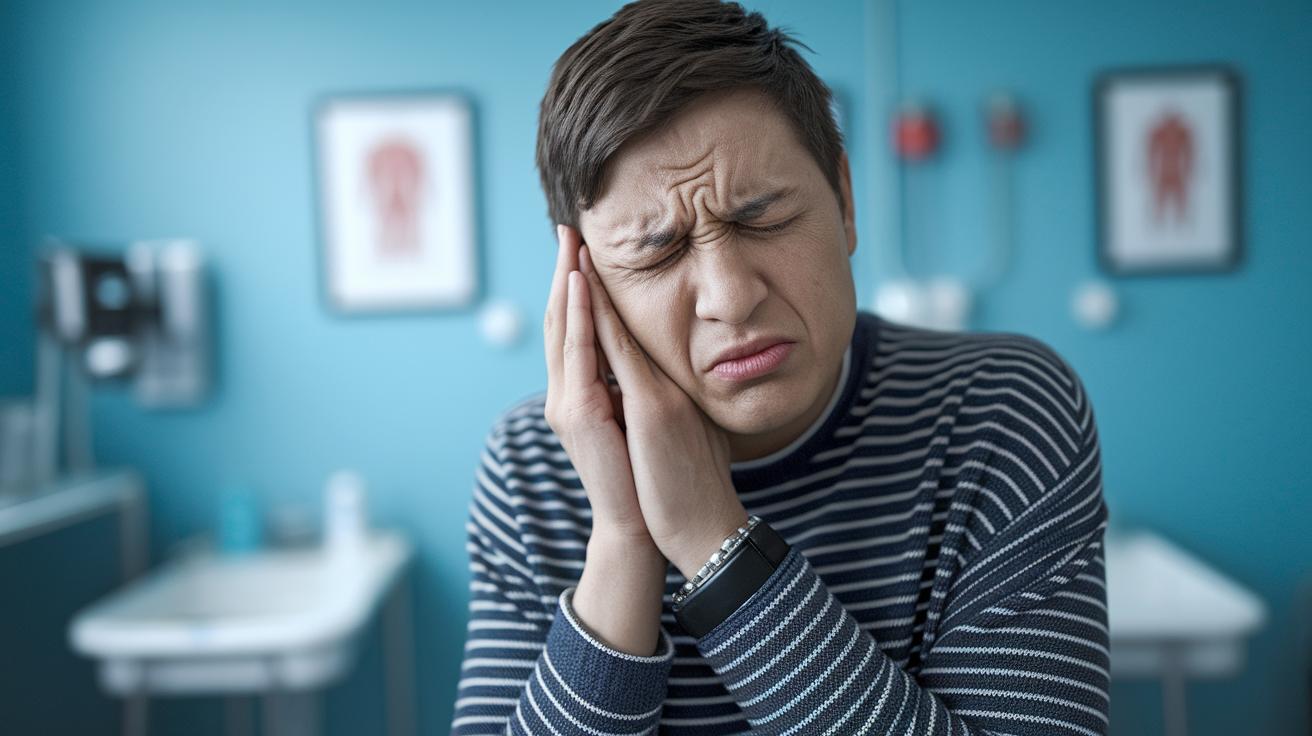
Left temple migraines can show clear signs that help you act quickly and avoid more pain. If you notice these symptoms, you can better manage your discomfort and know when to talk with your doctor.
- A pulsing or throbbing pain in the left temple
- Quick, sharp stabs of pain in your head
- Extra sensitivity to light (bright lights hurt your eyes)
- Extra sensitivity to sound (loud noises feel worse)
- Feelings of nausea or seeing flashing lights along with temple pain
- A sense of pressure or tightness around the left temple
These signs mean the headache might be more than just a simple pain. They can guide you and your doctor on whether you need more treatment or adjustments at home. Noticing and tracking these signals can help you choose treatments like rest, stress reduction, or other simple care steps. Remember, spotting these clues early makes it easier to manage your pain and find relief.
Common Causes and Triggers of Left Temple Migraines
Stress can make your temples hurt. Daily pressure at work, long hours at a computer, and general anxiety may tighten your muscles and lead to pain in the left temple. Bad posture or clenching your jaw when stressed can worsen this tension. Try to note when you feel angry or overwhelmed, such as during a busy workday or after a tough meeting, to see if stress is triggering your migraine.
Sometimes the pain comes from deeper issues. Inflammation in the arteries (like in giant cell arteritis) can hurt your temple. Overactive nerve responses (where nerves react too much) may also cause sudden sharp pain. If your left temple pain starts quickly or gets worse over time, it is important to tell your doctor.
Outside factors can also trigger a migraine. Bright or flickering lights, loud noises, and sudden changes in weather can upset your system and bring on pain. Even strong smells or poor air quality might be the reason. Keeping track of your environment can help you figure out what to avoid to reduce your migraine attacks.
Diagnosing Migraine Left Temple Versus Other Headaches

Quick take: Knowing if your headache is a migraine can guide you to the right care.
If you have any of these emergency signs, call emergency services now:
• Sudden severe headache
• Confusion or trouble speaking
• Weakness or numbness on one side
• Vision changes or loss
If your pain is new or worsening, seek same-day medical help. If your headache is stable, monitor your symptoms and follow up with your doctor.
Getting the right diagnosis is key to managing pain in your left temple. Your doctor will compare how you feel and use tests to figure out if your pain is a migraine, sinus headache, or tension headache. They may use a CT scan, MRI, or ultrasound to check for signs that point to a migraine or another cause. These tests can spot problems inside your head that a simple exam might not show, like issues with blood vessels or inflamed nerves.
These tests help your doctor choose the best treatment plan. Below is a table that shows common tests and what they look for:
| Test | Purpose |
|---|---|
| CT Scan | Find structural problems or bleeding |
| MRI | Spot nerve inflammation or lesions |
| Ultrasound (Temporal Artery) | Check for artery inflammation (giant cell arteritis) |
| Blood Marker Tests | Look for signs of inflammation |
If your pain does not improve or you feel more symptoms, talk to a neurologist to review your results and decide on the next steps.
Treatment Options for Migraine Left Temple
Quick take: If you feel a migraine in your left temple, start safe home care steps right away and seek help if you notice new, worsening signs.
If you have any of these emergency signs, call emergency services now:
- Sudden, extremely strong headache
- Confusion or weakness
- Trouble speaking or seeing
If your migraine gets worse or you notice new signs, seek same-day medical care.
Self-care steps you can try:
- Rest in a quiet, dark room
- Use a cold pack on your left temple to calm the pain
- Drink water throughout the day
- Gently massage your temples and neck to relax tight muscles
- Practice deep breathing or do a few light stretches
- Reduce screen time and keep your space calm
Many people find relief with these simple at-home methods. When you first feel your migraine coming on, resting in a calm environment can help stop it from worsening. Cooling your left temple is like a soothing breeze that may ease the throbbing pain. Staying well-hydrated and using a gentle massage can reduce the muscle tension that might add to your headache. Early use of relaxation techniques can sometimes shorten the attack and lessen its strength.
If home remedies aren’t enough, you may need medical help. Over-the-counter pain medicines like NSAIDs (nonsteroidal anti-inflammatory drugs) and acetaminophen can ease mild to moderate pain. For stronger attacks, your doctor might prescribe anti-migraine medicines such as triptans (medications that help stop migraines) like sumatriptan if you take them early. If you have frequent migraines, your provider may suggest preventive treatments to reduce how often and how strong your episodes are. Always use these medicines as directed to avoid rebound headaches. Keeping track of your symptoms and discussing them with your healthcare provider will help you find the best way to manage your left temple migraines.
Preventing Left Temple Migraines with Lifestyle Adjustments

Quick take: Simple changes in routine can help lessen left temple migraines.
If you experience any of these signs, call emergency services now:
• Sudden, very strong headache
• Trouble speaking or weakness
• Vision changes or confusion
If your headache is new, gets worse quickly, or you feel unsure about your symptoms, seek medical help today.
To manage everyday headaches, try these steps:
• Keep a headache diary. Each day, note when your headache starts, how strong the pain is (mild, moderate, severe), and any foods, activities, or stress you faced before the pain began. This diary will help you and your doctor spot patterns.
• Drink water. Aim for eight 8-oz glasses each day. Also, try to avoid triggers like caffeine and aged cheeses. Watching your drinks and food may reduce both the frequency and intensity of headaches.
• Stick to a regular sleep routine. Go to sleep and wake up at similar times. Sleep in a cool, dark room with few distractions. Good sleep helps your body recover and minimizes migraine attacks.
• Manage stress. A short guided meditation before bed and taking brief breaks during your workday can help. Stretch your muscles and take deep breaths to lower stress, which may reduce headache triggers.
These simple lifestyle adjustments can help you feel more in control of your migraines.
Final Words
In the action of managing a migraine left temple, we covered clear definitions, common symptoms, and how these headaches can disrupt daily life. We looked at key triggers, from stress to brightness, and the steps to properly diagnose and treat these pains. Practical home-care tips and lifestyle changes were shared to help you track and ease your discomfort. Remember, understanding your headache can guide you to safe relief and better conversations with your clinician. Stay empowered and take each step toward feeling better.
FAQ
What is temporal arteritis?
Temporal arteritis refers to inflammation in the arteries near the temple, which causes pain and may affect your vision if not treated promptly.
What causes headaches in the temples and eyes?
Headaches in the temples and eyes often result from stress, eye strain, or inflammation in nearby arteries, prompting discomfort that should be assessed by a clinician.
What are common causes of temple headaches?
Temple headaches commonly emerge from stress, tension, and eye strain, though they can also be linked to underlying vascular issues or migraines.
What are treatment options for temporal headaches?
Temporal headache treatment may include over-the-counter pain relievers, cold compresses, and sometimes prescription medications after a thorough evaluation by a clinician.
What does it mean if I experience sharp, intermittent pain in my left temple?
Sharp, coming-and-going pain in the left temple may indicate a migraine or tension headache, often influenced by specific triggers that are important to track.
How does a tension headache affect the left temple?
A tension headache can lead to aching pain in the left temple due to muscle tightening and stress, which may be eased with relaxation techniques and stress reduction.
How can a cluster headache affect the left temple?
A cluster headache in the left temple typically brings severe, piercing pain on one side of your head and usually requires prompt medical evaluation.
What does a migraine on the left temple mean and why am I only experiencing it on that side?
A migraine on the left temple indicates localized nerve sensitivity and environmental triggers affecting that specific area, and identifying these factors is key for proper management.