
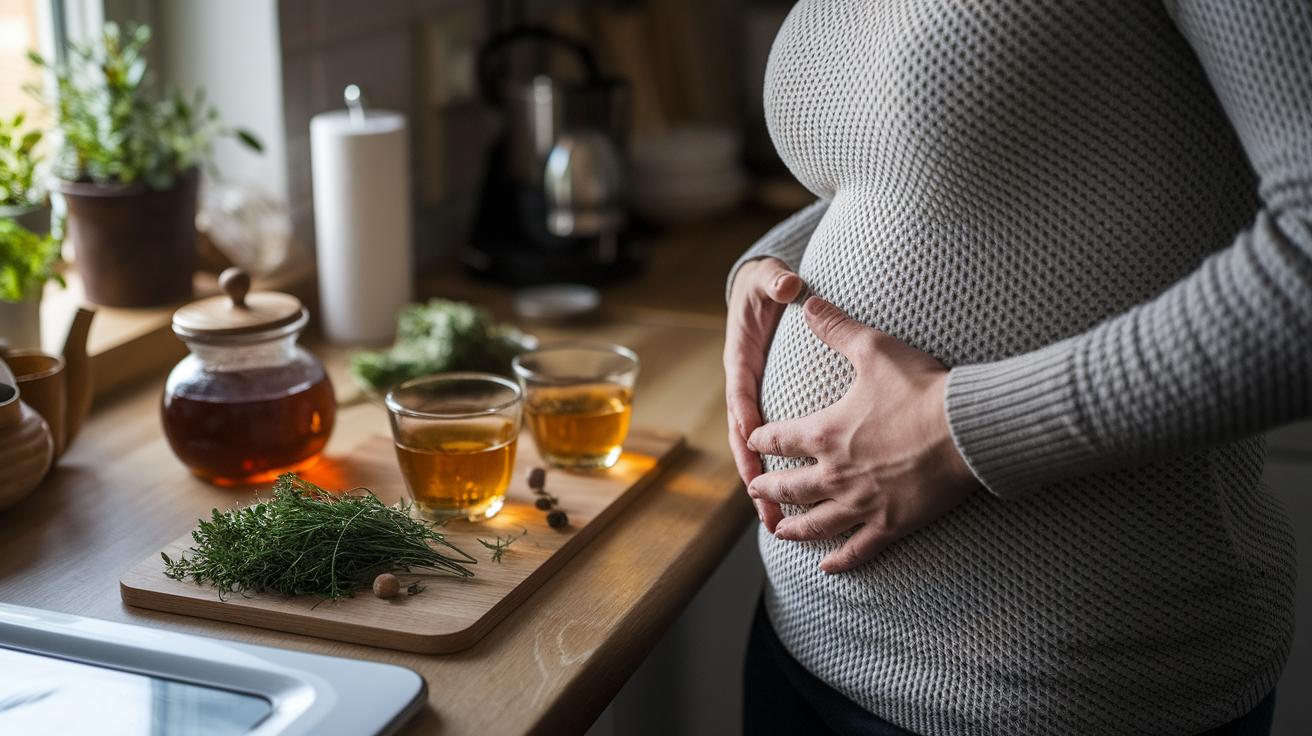

Quick take: Mild belly pain might ease with simple home remedies, but watch for serious symptoms.
■ If you have any of these signs, call emergency services now (in the US, call 911):
• Very sharp pain that doesn’t let up
• Fever, vomiting, or blood in vomit/stools
■ Urgent: If your pain gets worse or new symptoms appear, seek same-day medical help.
■ Self-care: For mild discomfort, try these harmless home methods and note how you feel.
This guide offers eight natural ways to ease mild abdominal pain. You can use common kitchen items like ginger tea and a heating pad to help with cramps and bloating. These techniques are simple and might give you relief while you keep track of your symptoms.
When you try a remedy, write down when you started and any changes in your pain. This record can help your clinician if your discomfort continues. Even if these tips work, follow up with your doctor if your pain doesn’t improve within a few days or if any red flags come up.
Stay safe and listen to your body.
Immediate Natural Relief for Abdominal Discomfort
Quick take: Mild stomach cramps or bloating can often be eased with simple steps at home.
Triage Box:
• Red flags: If you experience severe pain, a high fever, or constant nausea, call emergency services now.
• Urgent concerns: If your discomfort gets worse or lasts more than a few days, seek same-day medical attention.
• Self-care: Use these remedies to help ease mild discomfort and monitor your symptoms.
Minor cramps and bloating often mean your digestive system is a bit out of balance. You might feel a sharp twist or pressure in your stomach because of trapped gas or slow digestion. Try these eight drug-free techniques to find relief:
- Sip ginger tea made from freshly grated ginger to help move food along.
- Dilute apple cider vinegar in water (about 1 tablespoon in a full glass) to balance your stomach’s acid.
- Enjoy a small amount of carbonated water to help you burp and let out trapped air.
- Brew peppermint or chamomile tea to relax tight digestive muscles.
- Stir 1/2 teaspoon of baking soda into 4 oz of warm water as a quick antacid.
- Use a low-heat heating pad on your belly to ease muscle tension.
- Take small sips of water or clear fluids to keep your digestion moving.
- Practice the 4-7-8 breathing technique, breathe in for 4 seconds, hold for 7, and exhale for 8, to calm stomach spasms.
If your symptoms get worse or do not improve within a few days, stop these remedies and seek care. Keep an eye on signs like increasing pain, fever, or persistent nausea, as these may need professional evaluation.
Dietary Adjustments to Ease Abdominal Discomfort

Quick take: Eat small, regular meals and steer clear of foods that upset your stomach.
Triage Box:
• If you have severe pain, bloody stools, constant vomiting, or a high fever, call emergency services now.
• For worsening symptoms, seek urgent care.
• Otherwise, follow these simple steps to ease discomfort.
Eating small, light meals every few hours can help you keep energy up without overloading your stomach. Smaller portions mean your digestive system works gently, reducing stress and lowering the chance of sudden nausea. Rather than having three big meals, enjoy a light snack regularly to prevent bloating and discomfort.
Avoid foods that trigger your symptoms. Fried, greasy, spicy foods and citrus fruits can irritate your stomach by boosting acid production and slowing digestion. Keeping these foods out of your diet can lower the risk of flare-ups and help your gut work smoothly all day.
When you’re dealing with mild diarrhea or loose stools, try the BRAT diet (bananas, rice, applesauce, toast). These low-fiber foods are easy on your gut and help firm up your stool. Sticking to a steady eating schedule along with proper hydration supports smooth digestion until you feel better.
Herbal and Homemade Remedies for Abdominal Discomfort
Sometimes a warm, natural remedy can bring quick comfort to an upset stomach. The following simple recipes may help your digestion, reduce mild inflammation, and balance stomach acid. Remember, if your discomfort worsens or lasts longer than a few days, it’s a good idea to check with your doctor.
Ginger Tea
This soothing tea can help ease inflammation and support smooth digestion.
- Boil 8 oz of water.
- Add 1–2 tablespoons of freshly grated ginger.
- Let it steep for 10 minutes.
- Enjoy a warm cup before or after meals.
If you don’t have fresh ginger, a store-bought tea bag works just as well.
Peppermint & Chamomile Infusion
A blend of peppermint or chamomile can help relax your digestive muscles and ease cramping.
- Place 1 teaspoon of peppermint or chamomile leaves in a cup.
- Pour 8 oz of hot water over the leaves.
- Steep for 5–7 minutes.
- Sip this calming drink up to three times a day.
This simple infusion offers a natural way to relieve discomfort after a heavy meal.
Apple Cider Vinegar Tonic
This tonic may help balance stomach acid and ease a queasy feeling.
- Mix 1–2 tablespoons of apple cider vinegar in 8 oz of water.
- Stir in 1 teaspoon of honey.
- Drink before meals.
Be careful not to use acidic vinegar too often since it can affect your tooth enamel.
Baking Soda Antacid
A quick mix can neutralize extra stomach acid for fast relief.
- Stir ½ teaspoon of baking soda into 4 oz of warm water.
- Drink only as needed and be cautious with frequent use.
This simple solution can provide rapid relief, but use it sparingly to avoid side effects.
Gentle Movement and Physical Techniques for Abdominal Discomfort

Quick take: Gentle movements can ease mild gas pain and support smooth digestion.
Triage:
• If you have any of these emergency signs, call emergency services now: severe, sharp pain, high fever, or persistent vomiting.
• If your pain worsens or lasts more than 48 hours, seek same-day medical advice.
• For mild discomfort, use these techniques and keep an eye on your symptoms.
Deep Breathing Steps
Deep breathing can relax your stomach muscles. Try the 4-7-8 method: breathe in slowly through your nose for 4 seconds, hold for 7 seconds, and breathe out gently through your mouth for 8 seconds. Do this cycle several times to ease stomach tension and feel calmer.
Yoga Poses
Gentle yoga might help move trapped gas and improve digestion. Try a child's pose or a wind-relieving pose, holding it for 1–2 minutes. These positions open up your belly, allowing gas to escape and reducing discomfort.
Self-Massage Instructions
A soft self-massage can also bring relief. Massage your belly gently in a clockwise motion for 1–2 minutes. This encourages bowel movement and helps move gas through your digestive tract.
Posture Tips
Make sure you sit or lie down with an open, straight posture. Avoid curling up, which can increase pressure on your stomach. Keeping your body upright or slightly reclined can help gas move freely and relax tight muscles quickly.
Recognizing Warning Signs in Abdominal Discomfort
Quick take: Most mild stomach troubles clear up in 3–5 days with rest, fluids, and over-the-counter pain relievers. But if you notice certain warning signs, it’s time to get professional help.
If you have any of these red flags, contact emergency services or see your doctor:
- Pain that lasts more than 48 hours
- Blood in your stool or vomit
- A fever over 100.4°F
- Severe or ongoing vomiting or diarrhea
- Signs of dehydration like dizziness or very little urine
If you see any of these symptoms, check our red flag checklist for severe abdominal pain (https://spiritsocietyofpa.com?p=297) and use the triage flowchart for abdominal pain (https://thequickesttips.com?p=1459) to decide if you need immediate care.
Many people think a simple upset stomach will sort itself out until persistent pain signals something more serious. Write down your symptoms, including how long they last and how strong they feel, so your healthcare provider has clear details if further tests are needed.
Long-Term Naturopathic Strategies for Abdominal Discomfort
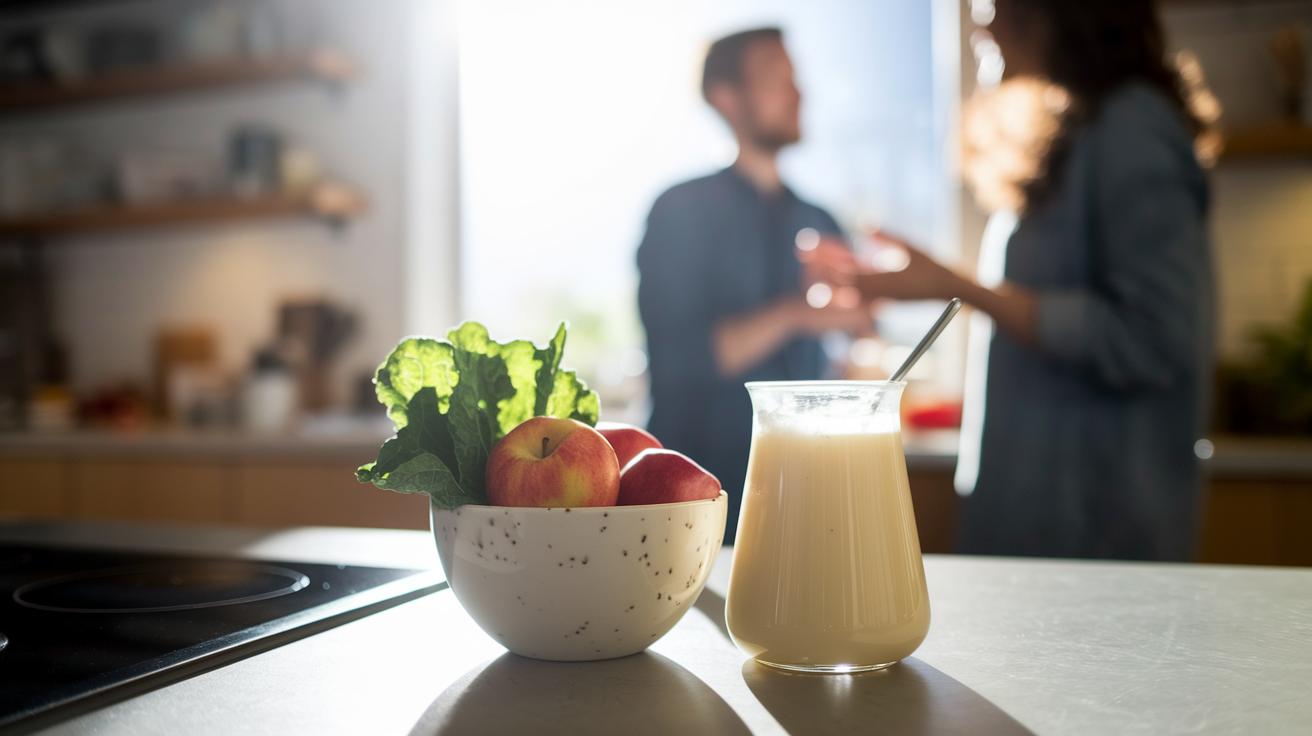
Simple tweaks in what you eat and how you live can help your gut feel better over time. Try adding probiotic foods such as yogurt or kefir (foods that have good bacteria) each day. Boost your fiber intake with fruits and vegetables like apples, carrots, and leafy greens to help keep your digestion regular. Eat smaller meals throughout the day so your stomach doesn’t get overloaded, and take your time while eating, chew well and enjoy each bite.
Lowering stress is another key to long-term digestive comfort. Quick actions such as deep breathing or a short walk can ease stress and calm stomach cramps. Adding fruits like pineapple and papaya (which help break down food) may also soothe your digestion naturally.
A daily routine that blends whole foods with regular stress relief can support your gut health. Keeping your meals balanced and staying active can help reduce gas, improve how you absorb nutrients, and keep your stomach comfortable. Stick with these habits over time to help prevent discomfort and enjoy a healthier digestive system.
Final Words
In the action, this guide shows quick, natural ways to ease abdominal discomfort. We covered immediate relief methods like ginger tea, peppermint infusion, and even a gentle baking soda mix, along with practical physical techniques to help release trapped air.
We also offered simple dietary adjustments, clear home remedies for abdominal discomfort, and red-flag warning signs to watch. Small, safe steps can make a real difference in your comfort. Stay mindful and positive as you care for yourself.
FAQ
How to get rid of a stomach ache in 5 minutes?
Getting rid of a stomach ache quickly means trying rapid relief tactics such as gentle heat, deep breathing, or sipping diluted baking soda. These actions aim to ease cramping and calm discomfort fast.
What are common types of stomach pain in females and what causes them?
Common types of stomach pain in females include cramping, bloating, and sharp lower abdominal pain. These sensations often stem from menstrual cycles, ovulation, or mild digestive issues.
What are effective home remedies for lower abdominal pain and gas?
Effective home remedies for lower abdominal pain involve drinking ginger or peppermint tea, using a heating pad, practicing deep breathing techniques, and keeping well hydrated to reduce gas and ease discomfort.
How can I stop stomach pain at night?
Stopping stomach pain at night may be achieved by practicing relaxation methods like the 4-7-8 breathing technique, using a low-heat heating pad, avoiding heavy meals before bed, and sipping warm herbal tea.
What is the best treatment for abdominal discomfort?
The best treatment for abdominal discomfort usually includes drug-free methods such as herbal teas, gentle heat, light movement, and focused breathing practices, combined with self-monitoring for any worsening symptoms.
What’s the best thing to drink for abdominal pain?
The best drink for abdominal pain is a warm herbal tea like ginger or peppermint. These teas work to relax muscle spasms in the digestive tract and help alleviate mild pain quickly.