


Quick Take: Anxiety can upset your stomach and lead to cramps, bloating, or nausea.
Triage:
• If you have severe or sudden stomach pain, call emergency services now.
• If you are vomiting persistently or showing signs of dehydration (like dizziness or very little urine), seek urgent care.
• If you see blood in your vomit or stool, get help immediately.
When anxiety strikes, your body releases chemicals that disturb your digestion. This reaction can cause your stomach to feel cramped, bloated, or even nauseous. It’s almost as if your belly is a delicate instrument that strong emotions can throw off balance.
This article explains how stress and anxiety can lead to abdominal discomfort. Knowing why your stomach reacts this way may help you take steps to ease your symptoms. If your discomfort worsens or red flags appear, reach out to a healthcare provider for guidance.
How Anxiety Causes Abdominal Discomfort
Quick take: Anxiety can quickly upset your stomach and change how your gut works.
When you feel anxious, your body releases stress hormones like cortisol (a stress hormone) and chemical messengers. These chemicals slow down and disrupt the normal movement of food through your digestive system. This change can upset the balance of friendly bacteria in your gut and lead to cramps, bloating, nausea, or diarrhea.
Imagine your stomach as a delicate instrument that reacts to your feelings. The stress from your brain sends signals to your gut, which then sends signals back. This loop can make both your stomach and your emotions feel worse.
Stress can also confuse your body’s signals for hunger and fullness. You might feel like you have butterflies or your stomach feels tied in knots. These sensations are signs that anxiety is affecting your gut. Managing your stress is a key step to easing these stomach discomforts.
Brain-Gut Connection in Anxiety-Driven Abdominal Pain
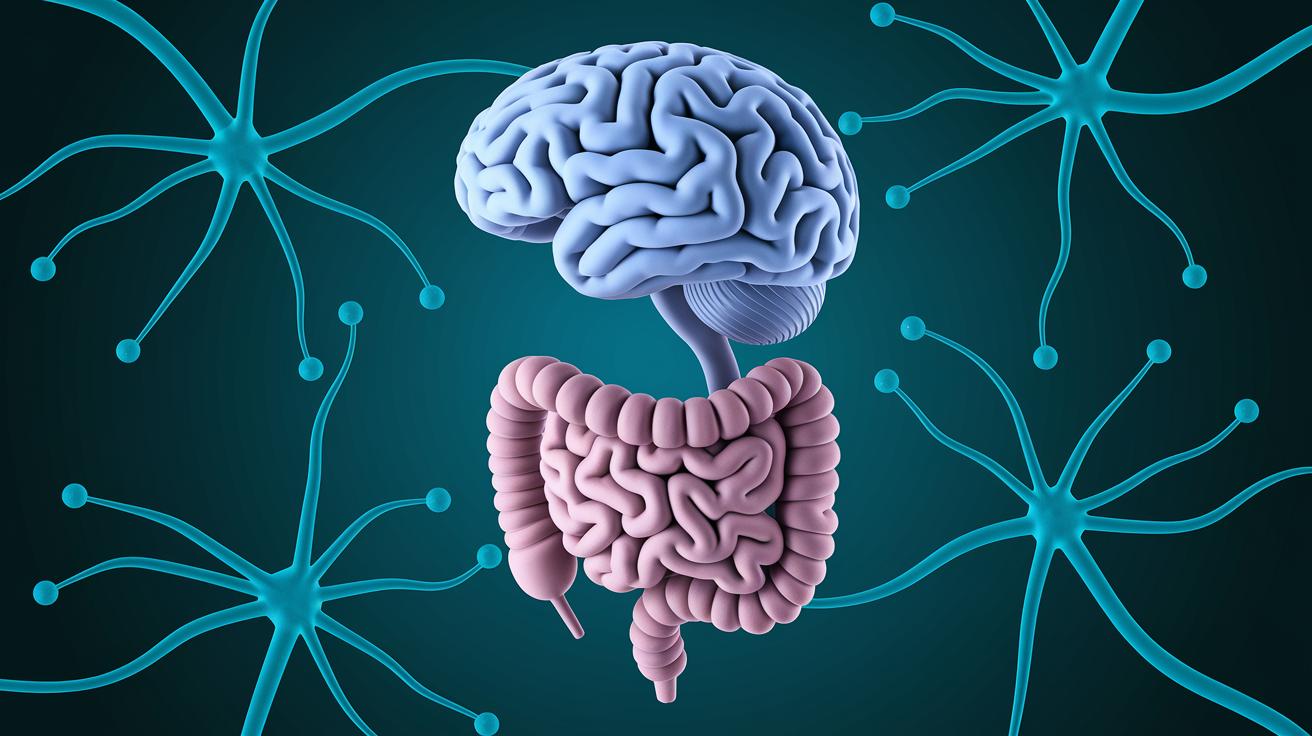
When you feel anxious, your brain talks to your gut, and your gut talks back. Your brain sends signals through the vagus nerve (a nerve that helps control your stomach), releases stress hormones like cortisol (a chemical that speeds up or slows digestion), and pushes out immune signals that can cause inflammation. These messages can change how your stomach works, making it more sensitive and changing digestion. Then, messages from your gut return to the brain and can make anxiety feel even worse. This back-and-forth can lead to cramps, bloating, or nausea when you are stressed.
| Pathway | Role |
|---|---|
| Vagus Nerve | Sends messages between brain and gut to affect movement and sensitivity |
| Hormonal Pathways | Release stress hormones like cortisol that change digestion speed and enzyme activity |
| Immune Messengers | Trigger inflammation that can upset the balance of gut bacteria |
This two-way loop shows that your gut is an active part of your body’s stress response. When stress disrupts this balance, you might notice a sudden upset stomach or unusual cramping. Knowing how these signals work can help you see patterns in your symptoms and find ways to ease your discomfort.
Psychological Stress and Gastrointestinal Function
Stress can throw off your gut's normal work. It changes the brain-gut link, which sends mixed-up signals for hunger and fullness. You might find yourself eating too much or too little, which can upset your stomach further. Stress hormones also alter how fast food moves through your intestines, and that can lead to discomfort.
New studies show these hormones also change how your body releases digestive enzymes (chemicals that break down food). When this balance shifts, you may feel bloated, have cramps, or even a burning sensation, symptoms similar to those seen in irritable bowel syndrome.
Here are some signs that stress might be affecting your digestion:
- Confusing hunger signals that lead to erratic eating.
- Changes in gut movement causing either constipation or very quick transit.
- Enzyme imbalances that lead to bloating or stomach pain.
Keep an eye on these signs. Noticing changes can help you understand when stress is playing a role in your digestive health.
Common Anxiety-Related Abdominal Symptoms
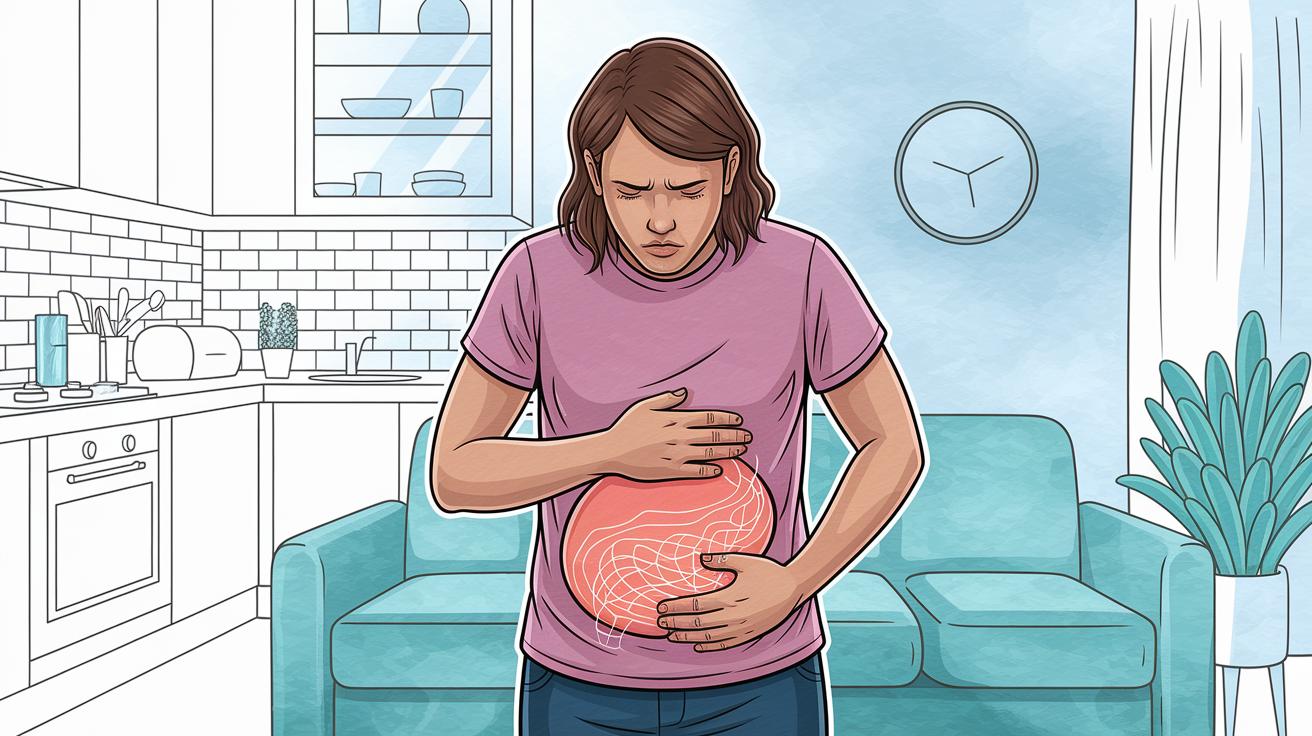
When you’re feeling anxious, your belly can act up. Stress may cause sharp cramps, swelling, nausea, or loose stools. Sometimes, you might also get acid reflux, which makes your chest or throat burn along with tightness in your upper belly.
Key signs to watch for:
- Sharp stomach cramps from stress
- Noticeable belly bloating
- Nausea or diarrhea
- Burning chest or throat from acid reflux
- Tightness in the upper abdomen
For example, if you feel a burning sensation in your chest after eating when you’re anxious, this could be acid reflux linked to your stress.
Managing Abdominal Discomfort From Anxiety
Quick Take: Simple home steps can ease an upset stomach from anxiety.
If you have any of these signs, seek urgent care:
- Severe, sharp pain
- Persistent vomiting
- Signs of dehydration (dry mouth, dark urine)
When anxiety makes you feel stomach discomfort, try these steps:
-
Breathe Deeply
Take a few slow, deep breaths to calm your body. This simple act helps relax the system controlling your stomach muscles. You might also try a short guided imagery session from a trusted resource. -
Eat Mindfully
Focus on chewing your food slowly and thoroughly. Eating that way can ease digestion and reduce your stomach’s workload. -
Sip Warm Drinks
A mug of warm water or herbal tea like chamomile or peppermint can relax your abdominal muscles. These drinks may help soothe your gut and ease tension. -
Gently Massage Your Belly
Use soft, circular motions to massage your stomach. This can reduce tightness and help keep digestion on track. -
Keep a Daily Diary
Write down what you eat, how you feel, and any tummy discomfort. Note the time and what you were doing. This record helps you and your doctor see any patterns between anxiety and your stomach symptoms.
A balanced diet rich in fiber and probiotics also supports good gut health. Try to limit spicy, fatty, and sugary foods as they can add to inflammation.
When to Seek Medical Advice for Anxiety-Driven Abdominal Pain

Anxiety can cause stomach pain that usually goes away in a few hours. If your pain lasts longer than 24 hours, it might mean something else is going on. Unresolved pain can point to issues in your digestive system that need a closer look.
If you notice any of these warning signs, call your doctor right away:
- Losing weight without trying
- Seeing blood in your stool
- Noticing black, tarry stools
- Lab tests that show anemia (low red blood cells)
These signs are red flags that stress might not be the only cause, especially when severe pain is also present. They need prompt, professional attention.
If your pain continues or gets worse, use a red flag checklist or an abdominal pain triage flowchart to help decide your next steps. Catching these symptoms early can lead to the right treatment and help prevent further problems.
While anxiety might bring temporary stomach pain, unusual or persistent signs should never be ignored. Contact your healthcare provider for a proper check so you can ease your worries and keep your stomach safe.
Long-Term Effects of Anxiety on Digestive Health
Quick take: Ongoing anxiety can upset your gut and cause symptoms similar to IBS.
If you notice any of these red flags, seek care right away:
- Severe stomach pain
- High fever (over 102°F)
- Bloody stool or persistent vomiting
For less urgent issues, try these steps:
- Keep a daily log of your symptoms and meals.
- Track changes in your digestive comfort.
- Talk with your healthcare provider about managing stress and adjusting your diet.
Long-lasting anxiety can strain your digestive system. This stress may cause symptoms like constipation, bloating, and diarrhea. Your brain and gut are connected closely, so when anxiety sticks around, it can slow down your gut’s normal movement and lead to discomfort.
Work with your healthcare provider to create a plan that tackles both stress and gut health. Regular check-ins can help guide adjustments in stress-relief tactics, dietary choices, and overall digestive care.
Final Words
In the action, we explored how anxiety affects your gut through nerves and hormones, leading to cramps, bloating, and nausea. Simple steps like mindful eating, relaxation, and a symptom diary can help you manage discomfort. Red flags tell you when to seek care. Each tip works together to guide how you treat sudden symptoms and work toward lasting relief. Remember, anxiety can cause abdominal discomfort, so keeping a focused check helps. Stay positive and take charge of your well-being.
FAQ
What does anxiety stomach pain feel like?
Anxiety stomach pain feels like intense cramping, tightness, or a knot in the stomach. It may also come with nausea and bloating as your gut reacts to stress signals.
How long does anxiety stomach pain last?
Anxiety stomach pain usually lasts for short periods linked to acute stress, though it can continue during prolonged anxiety. Most episodes settle within hours to days when stress levels drop.
Can stress cause stomach pain for months?
Stress can lead to longer-lasting digestive discomfort if anxiety is chronic. Continuous stress might trigger cycles of abdominal pain and bloating that persist and may need medical evaluation.
Anxiety stomach pain location?
Anxiety can trigger stomach pain in various areas including the upper abdomen, lower abdomen, or midsection. Disrupted gut motility from stress can cause pain to appear in different locations.
Can stress cause stomach pain for days?
Stress may cause abdominal pain that lasts for days if anxiety is not managed. Extended discomfort usually indicates that continuous stress is impacting your gut function.
How to stop stomach pain from anxiety?
To ease anxiety-induced stomach pain, practice relaxation techniques like deep breathing, eat mindfully, and avoid foods that irritate your gut to reduce inflammation and discomfort.
Anxiety cramps in lower abdomen?
Anxiety may cause cramps in the lower abdomen as stress hormones affect gut motility. These cramps often feel like tight, painful spasms that can improve with relaxation and movement.
Emotional stress and stomach problems?
Emotional stress leads to stomach problems by disturbing the gut-brain connection. This disruption can cause bloating, cramping, diarrhea, or a sensation of butterflies in your stomach.
Can stress and anxiety cause stomach pain?
Stress and anxiety cause stomach pain by triggering the release of cortisol and other chemicals that upset your digestion, resulting in cramping, bloating, nausea, and changes in bowel habits.
What does anxiety feel like in the stomach?
Anxiety in the stomach often feels like a knot or tightness, sometimes accompanied by fluttering sensations, cramps, or discomfort that changes with your mood and stress levels.
How to calm an anxiety stomach?
To calm an anxiety stomach, try deep breathing exercises, sip warm herbal tea, gently massage your abdomen, and keep a diary to track triggers and monitor your symptoms.
What GI symptoms can anxiety cause?
Anxiety can cause gastrointestinal symptoms such as cramps, bloating, nausea, diarrhea, and occasional acid reflux. Disrupted nerve and hormone signals in the gut alter digestion and trigger these issues.