
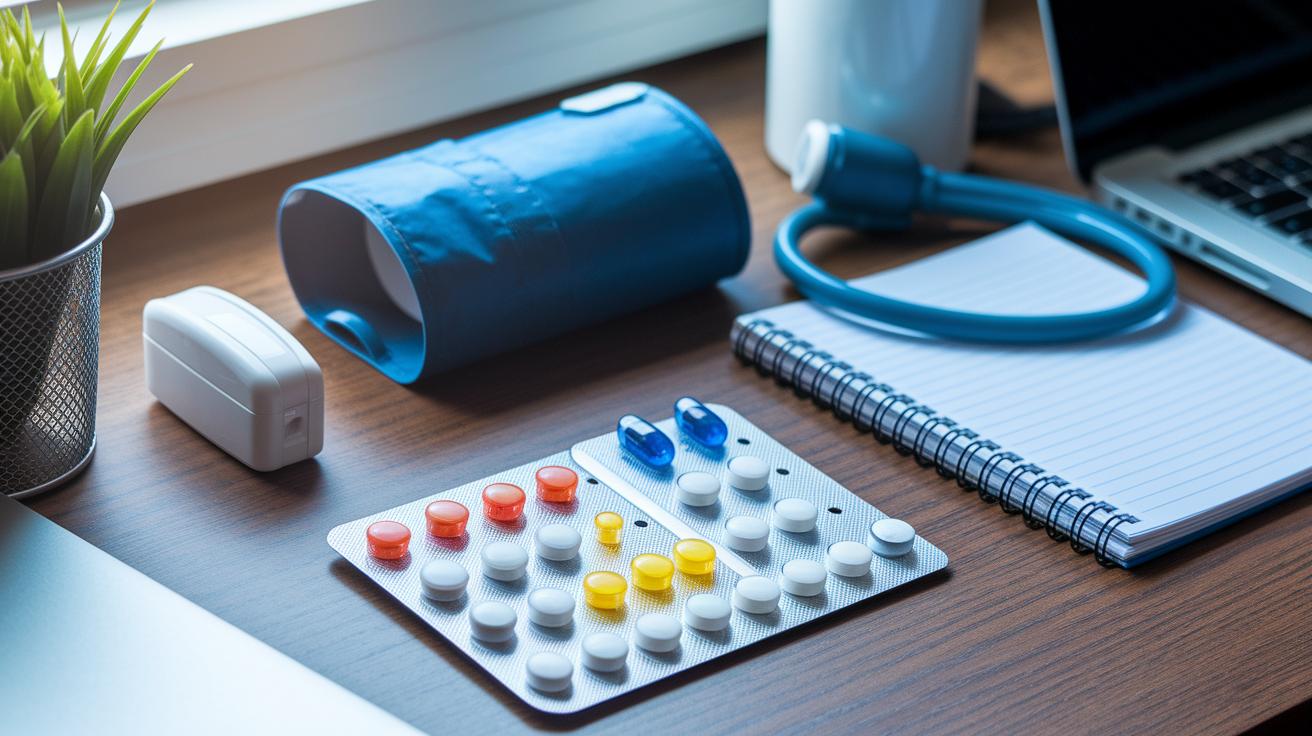

Quick Take: A tidy health toolkit helps you act fast when every minute counts.
Ever get frustrated by a messy supply cabinet exactly when you need help? A cluttered health kit can slow you down in an emergency, and even everyday care can feel like a guessing game. Here’s a simple plan to take control of your supplies:
• Gather all your health tools in one spot.
• Sort them into clear groups (for example, bandages, medications, and tools).
• Use see-through bins with easy-to-read labels so you can find what you need fast.
With these steps, you can build a system that boosts your confidence and speeds up your care when it matters most.
Organize Your Health Toolkit: A Step-by-Step Setup Guide
A neat health toolkit helps you act fast in an emergency and manage daily self-care with ease. When your supplies are in order, you save time and reduce worry if something unexpected happens.
Being organized means you can quickly check your supplies, add new items, or toss out old ones. This simple system turns panic into a clear list of steps. It also gives you a sense of control whether you’re handling routine care or a sudden health change.
- Collect all your tools, from physical aids to helpful apps and basic supplies.
- Pick one spot at home where your toolkit stays safe and easy to reach.
- Sort your items into clear groups like daily medications, basic first aid, and tools for keeping track of your health.
- Mark each container with the item’s name, its use or dose, and the expiration date.
- Choose storage options that fit your home, like clear bins or specific shelves.
Tailor this setup to your own health care needs. Use containers and labels that make sense to you. With both physical tools and digital reminders, you build a flexible system that grows with you and keeps you confident in your care.
Categorize and Label Supplies in Your Health Toolkit
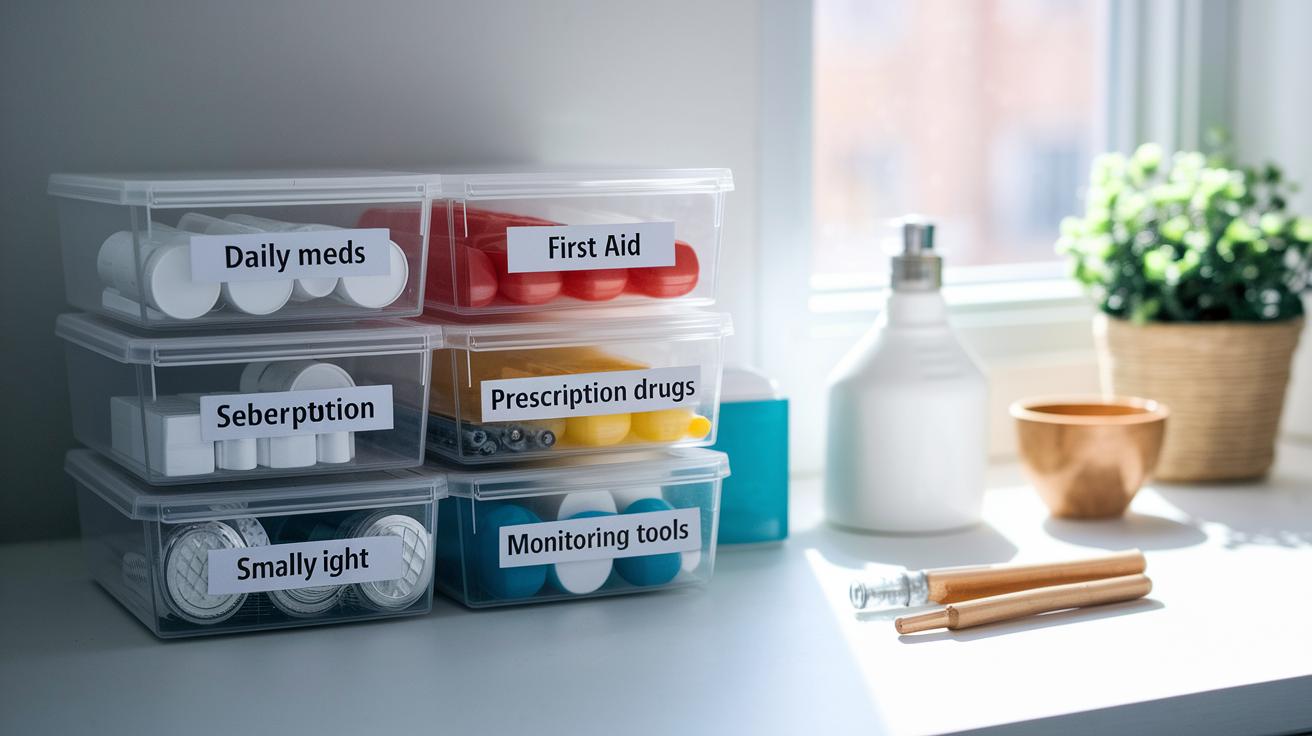
Keep your health supplies neat and easy to find. Start by gathering all your medications and medical devices in one spot. Then, sort them into simple groups like daily medications, first-aid items, prescription drugs, and monitoring tools. This way, you can grab what you need fast during an emergency and quickly spot any expired medicines or damaged packaging.
Using clear, see-through bins makes organization work even better. Choose bins that let you easily see and separate each group of items. Label each bin with the item name, its dosage or purpose, and the expiry date. Clear labels help you find what you need quickly, which is vital when time matters.
Review your supplies often. Every time you add or remove items, update the labels and check that every package is still good. Regular checks keep your health toolkit ready for emergencies and everyday care.
Optimize Storage and Space for Your Health Toolkit
Keep your health supplies safe and easy to find. Use vertical storage like stainless steel shelves or wire racks to hold heavy items without crowding your countertop. Lockable cabinets and climate-controlled boxes help protect medicine and tools from damage and temperature swings. These ideas not only tidy up your kit but also free up space in your home.
| Solution | Best For | Key Benefit |
|---|---|---|
| Stainless Steel Shelves | Heavy Items | Durable storage using vertical space |
| Lockable Cabinet | Controlled Access | Keeps sensitive items secure |
| Climate-Controlled Box | Temperature-Sensitive Meds | Maintains proper temperature |
| Wire Baskets | First-Aid Basics | Quickly see your supplies |
| Stacking Drawers | Small Accessories | Neat, modular organization |
Choose storage options that work well with your home style. Clear plastic bins let you see what’s inside at a glance, and decorative wire baskets add a nice touch. Stacking drawers save space while keeping small items in order. With a bit of planning, every storage piece helps support your daily health, fitting right into your living space.
Maintain and Track Your Health Toolkit Inventory

When you use the right digital tool, managing your health supplies becomes so much easier. Try programs like InventoryCloud or Sortly, they let you track items in real time, whether they’re at home or in your travel kit. These tools let you record details like batch numbers and expiry dates, and they even send alerts when your supplies are about to expire.
Set a routine to review your inventory every week or month. Do both automated and manual checks to make sure your list is up to date. Look over your usage patterns and plan when to restock your supplies. This simple habit helps you know exactly what you have and what needs to be replaced, so you never run low on the items you rely on.
Prepare an Emergency First Aid Pack Within Your Health Toolkit
When picking items for your first aid pack, stick to the basics that cover small cuts, deeper wounds, and sudden health issues. You need adhesive bandages for minor cuts, gauze pads for bigger wounds, antiseptic wipes to clean injuries, pain relievers you can get without a prescription, nitrile gloves to keep things clean, scissors, tweezers, and a digital thermometer to check your temperature. Always choose items that are easy to use and make sure none of them are expired. This way, you'll have the right supplies when you need them most.
Use a sturdy, portable case with clear compartments to keep your kit organized. Place the tools you use most, like bandages and wipes, at the front so they’re easy to grab. Set aside a spot for any prescription medications and include a printed checklist inside the lid to remind you what’s inside. Keep small tools like scissors and tweezers in separate pockets so they don’t get mixed up when you’re in a hurry.
Keep your first aid kit in a spot you can quickly reach, such as near your main exit or in your car. Check the kit often to make sure nothing is damaged or expired. Stay on top of updates by refreshing your checklist and reordering your items as needed, so your kit is always ready for emergencies.
Leverage Digital and Documentation Tools in Your Health Toolkit

Digital tools can make managing your health easier. Pick apps and smart gadgets that sync your data automatically. For example, use fitness trackers and digital thermometers (devices that check your temperature) to watch your health signs and update your supplies without extra work. These tools let you record daily measurements, notice trends, and even remind you to buy more supplies when needed.
Keep your health notes organized using digital checklists or simple note apps. Write down your medicine dosages, any changes in your symptoms, and your doctor’s instructions. Store your medical records, test results, and medication guides in a secure patient portal or a safe online cloud folder. Try this step-by-step method:
- Create a dedicated note for each category (like dosages, symptoms, and appointments).
- Update your notes regularly.
- Review your records before your doctor visits.
For more details on using a patient portal for appointments and test results, visit: https://spiritsocietyofpa.com?p=302
Customize Your Health Toolkit for Personal Care Needs
Start by thinking about what you need each day. Consider your daily routines, how stressed you feel, and any long-term conditions you manage. For stress, you might include items like a stress ball, journal prompts, breathing apps, calming music playlists, and a list of crisis contacts. If you manage a chronic condition (a condition that lasts a long time), add tools such as a glucose meter, a peak flow meter (to check your breathing), or a blood pressure cuff with clear instructions. This personal check helps you decide which items belong in your care kit.
Next, choose tools and containers that suit your life. Use pouches, pill organizers, or modular trays that work well at home, at work, or when you’re on the go. Pick containers that let you easily see and grab what you need. Label each section clearly; a simple label can make a big difference during an emergency and keep your daily routine smooth.
Finally, blend items for both mental and physical health into one easy-to-use kit. Pair practical tools like a reliable blood pressure cuff with mental wellness items such as a notebook or digital diary. You could also follow a step-by-step guide to keeping a symptom diary that tracks your mood and other changes. Mixing these elements means your personal care kit supports every part of your well-being, making it a flexible resource for your health.
Final Words
In the action, this guide laid out clear steps for building a smart health toolkit. It explained practical ways to organize supplies, label items, use smart storage, manage inventory, and prepare an emergency pack. It also showed how to integrate digital tools and customize your kit for personal care. You can count on these tips for organizing your health toolkit as a quick, effective way to stay ready for daily wellness and unexpected situations. Keep moving forward with confidence in your self-care setup.
FAQ
What does an emotional wellness toolkit and self-care tool kit include?
An emotional wellness toolkit includes resources for managing stress, boosting mood, and promoting mental balance. It often features activities, support tools, and self-help items to enhance your overall wellbeing.
What strategies can improve mental health and help you be emotionally healthy?
Strategies to improve mental health involve self-care practices, stress management techniques, regular exercise, mindfulness practices, and seeking support from professionals, all of which build emotional resilience and balance.
How does one improve overall health and wellness?
Improving health and wellness means incorporating balanced nutrition, regular physical activity, proper sleep, self-care routines, and mental health strategies while monitoring progress and making adjustments as needed.
What components or pillars define wellness models like the 5 C’s, 7 pillars, or 7 components of wellness?
Wellness models often include aspects such as physical, emotional, social, intellectual, and sometimes spiritual, environmental, or occupational health, which all work together to create a balanced, healthy life.