


Ever thought a health toolkit might help you dodge huge medical bills later? A proactive health toolkit gives you simple tools to spot problems early (before they become serious) and take charge of your health. Using everyday tech like wearable devices and easy-to-use apps, you can track clear trends and receive personalized advice. This way, you act now to keep yourself healthy and avoid paying more for treatment later, protecting both your well-being and your hard-earned money.
Core benefits of a health toolkit for proactive care management
A proactive health toolkit gives you simple tools to help you keep track of your health every day. It encourages regular check-ups and risk assessments so you can catch issues before they get serious. This way, you act now instead of waiting for problems to show up, which is important because over 75% of U.S. healthcare dollars go toward treating advanced issues.
- Catch problems early with regular check-ups
- Get personalized health tips based on your own data
- Manage long-term conditions more easily
- Use clear, data-based trends for better care decisions
- Lower your overall healthcare costs
By using these tools, you can spot warning signs sooner and understand your own health patterns. This clear data helps you and your doctor decide the best steps to keep you well and potentially avoid expensive emergency care.
Integrating digital health solutions within a proactive care toolkit
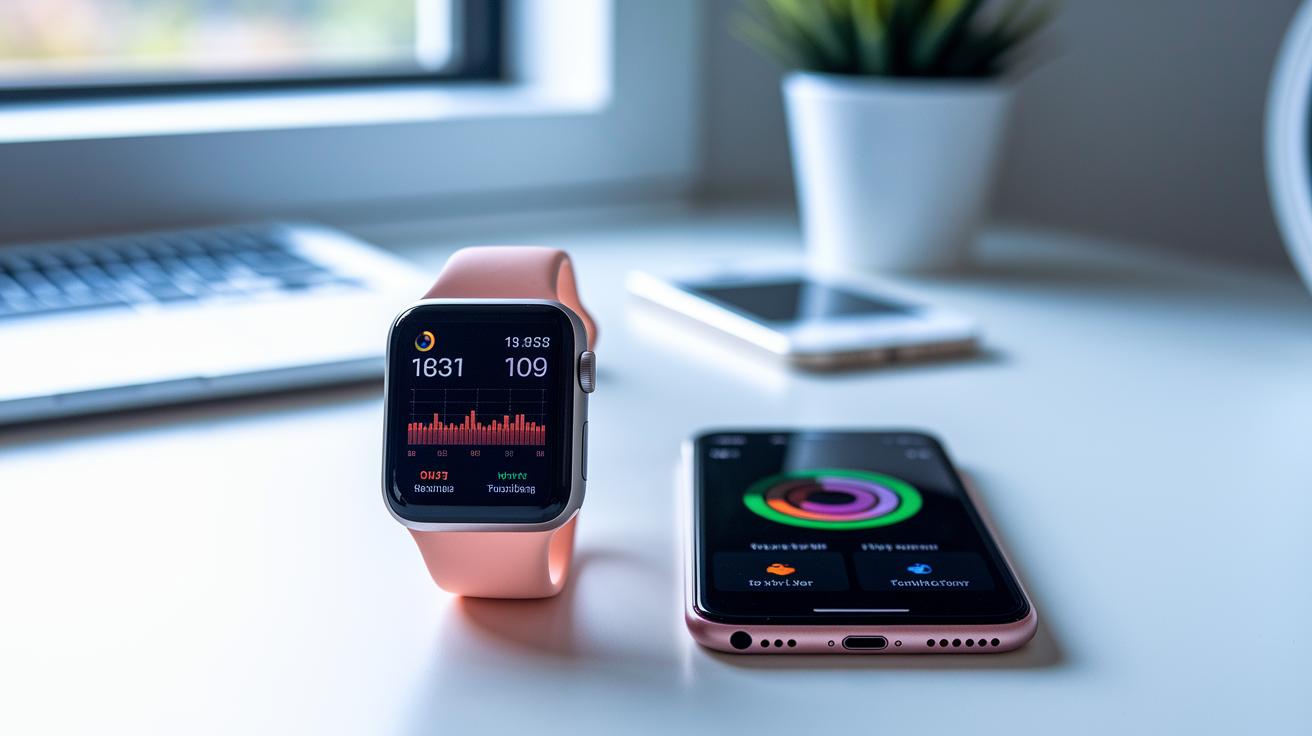
Wearable devices are a simple way to watch over your health when you are not at the doctor’s office. They keep track of your heart rate, sleep, and daily activity all day long. They show changes as they happen and alert you if something seems off. This real-time info helps you catch early signs so you can act fast if needed.
Mobile health apps work hand-in-hand with wearables. They let you log your symptoms, remind you about your medications, and review your health trends with an easy-to-use interface. You can see a clear picture of your daily health, which helps both you and your doctor make smart decisions and stick to your care plan.
Predictive analytics adds another tool by using all your health data and even genetic information to set up a personalized care plan. These systems use computer tools to spot warning signs before they become serious issues. That way, you can change your habits or have more tests when needed. Together, these digital tools make it easier to save money, get better health results, and feel more confident about managing your future risks.
Personalized health monitoring and early detection in proactive care
Quick take: Personalized monitoring uses your unique genetic information to spot risks early and guide a care plan just for you.
Triage Box:
Red Flags: None listed.
Urgent: Not applicable.
Self-care: Keep up with regular check-ups and speak with your clinician if you notice any new symptoms.
Personalized health monitoring goes beyond routine tests. It uses advanced methods like genetic profiling (analyzing your DNA for risk markers) to find clues about your chance of getting conditions like heart disease or cancer. With these insights, your doctor can design a prevention plan that fits your personal risk.
This approach digs deeper than standard care. Instead of using broad averages, it focuses on your unique genetic information so you only get tests and treatments that matter to you.
New ways to get involved in your health are also making a difference. Setting a SMART goal like "Record my blood pressure at the same time each day for 14 days" can help you spot trends early. This easy, step-by-step method lets you and your clinician work together and act fast when needed.
Enhancing care coordination through a comprehensive proactive care toolkit

A complete care toolkit brings your doctors, specialists, and caregivers together in one connected system. This digital hub makes it quick and safe to share important health details so your care team always knows how you are doing. When changes happen in your condition, everyone can review and adjust your care plan without delay.
Digital tools in this system support a team approach that puts you first. With shared data and easy-to-use communication channels, your care team can plan treatments right away. Virtual meetings, shared records, and secure platforms work together to cut down delays and prevent mix-ups in information.
Role of shared digital dashboards
Digital dashboards offer a clear, central view of your health numbers. They help your care team watch key signs like blood pressure or blood sugar in real time. If any changes occur, your team can step in quickly and guide you on what to do next.
Symptom diaries and structured communication
Keeping a symptom diary is a simple way for you to track changes and share clear updates with your care team. Tools like clear checklists, SBAR (a method for sharing critical information), team huddles, and the 5 Whys technique (asking why multiple times to find the root cause) help everyone stay informed. By recording your symptoms and sharing them regularly, you help ensure that any growing concerns are noticed and handled before they turn into bigger issues.
Patient education and self-care tools in a health toolkit for proactive care
Quick take: These tools give you clear steps to manage your health and track your progress.
Patient education modules in your health toolkit offer simple, step-by-step tips to help you take charge of your wellness. They use SMART goal setting (clear, specific goals) and interactive lessons so you can learn straightforward ways to manage your health and set up routines that work for you. This clear guidance gives you the tools you need to make healthy choices every day.
Self-assessment questionnaires, checklists, and tutorial libraries make it easy to keep an eye on your daily health. They help you remember when to check your symptoms or take your medication. For example, a symptom diary can make it easier to record changes and share what you notice with your doctor.
Online courses and live mental health sessions are also part of the toolkit. They aim to boost both your emotional and physical well-being. By planning ahead with these tools, you can form lasting habits and enjoy steady improvements in your overall health.
Evidence-backed outcomes from proactive health toolkits in practice

Quick take: Proactive health toolkits help you catch health problems early, so you can avoid emergency visits and hospital stays.
Studies show that these toolkits lower emergency room visits and hospital admissions. For example, nearly 48% of people taking short breaks during a busy day see steady or even improved mental health. In one group of patients with diabetes, remote monitoring led to an average drop in HbA1c (a measure of blood sugar) by 1.2% over six months.
Short breaks can really help keep your mind clear. The same idea works for people with diabetes. Regular tracking with digital apps gives you a live view of your progress, so you can quickly adjust your treatment if needed.
Programs that focus on long-term care, like value-based and transitional care, also prove they work. They lower costly emergency treatments and hospital stays. Patients feel more satisfied when their care is coordinated. This shows that a patient-focused toolkit not only catches issues early but also helps keep overall care costs lower.
Final Words
In the action, you’ve seen how a proactive care toolkit supports early detection, personalized insights, and better chronic condition management. It streamlines care coordination, boosts self-monitoring and patient education, and even cuts down healthcare costs.
A health toolkit empowers quick, informed decisions and builds a strong foundation for lasting well-being. Embrace the benefits of using a health toolkit for proactive care and work toward a healthier future.
FAQ
What are the benefits of a toolkit?
The benefits of a toolkit include early detection and intervention, personalized health insights, improved chronic condition management, data-driven decision-making, and reduced healthcare costs, all supporting proactive care.
What are the 4 P’s in healthcare?
The 4 P’s in healthcare refer to predictive, preventive, personalized, and participatory care, emphasizing forecasting risks, avoiding illness, tailoring care to individual needs, and actively involving patients in their care.
Why is it important to be proactive with your health?
Being proactive with your health means catching issues early, preventing complications, lowering emergency costs, and empowering you with regular check-ups and screenings for better overall well-being.
What is a toolkit in healthcare?
A toolkit in healthcare is a set of digital and manual resources designed to support proactive care management by offering tools for self-monitoring, early detection, personalized risk assessments, and chronic condition management.