
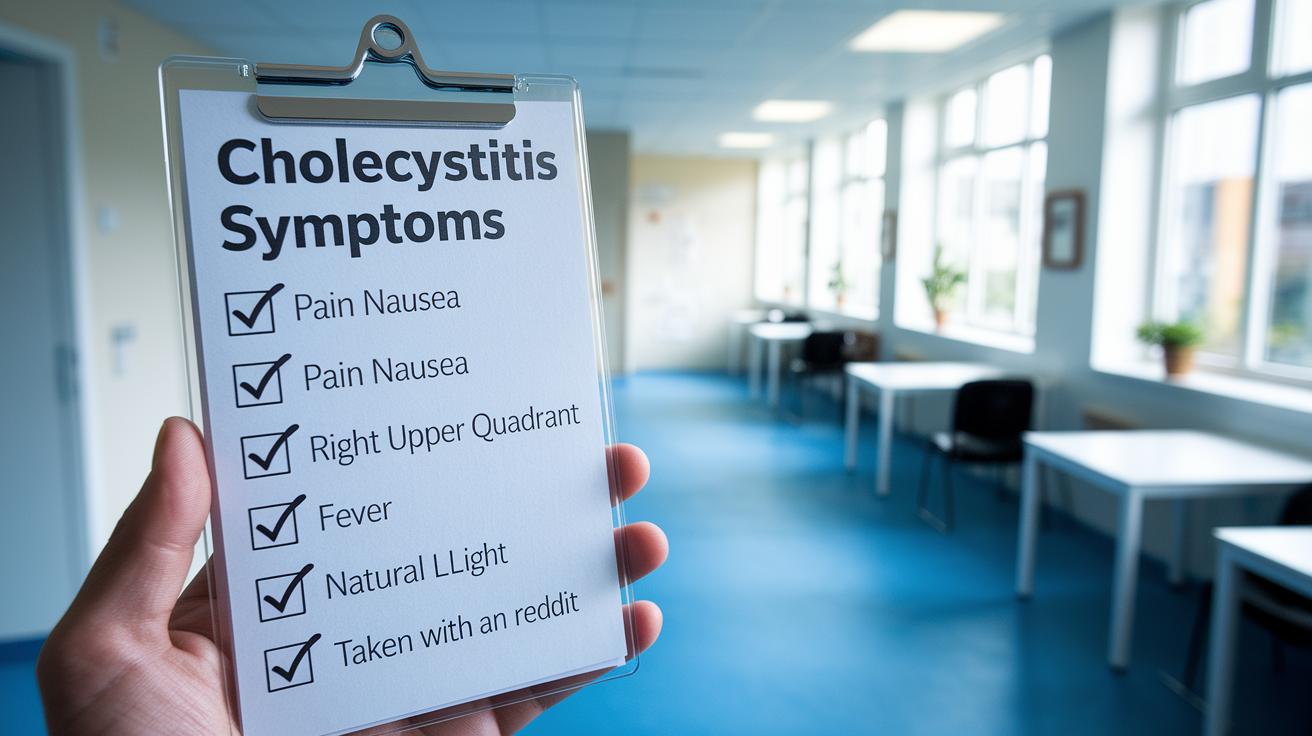

Quick take: Sudden upper stomach pain might signal gallbladder inflammation (cholecystitis).
If you have any of these emergency signs, call emergency services now:
• Severe, unrelenting pain
• High fever or persistent vomiting
• Chills or sudden worsening of symptoms
If your symptoms get worse or new ones develop, seek same-day care. Otherwise, keep an eye on your condition and follow up with your doctor within 24 hours.
Have you ever felt a sudden, sharp pain in your upper stomach and wondered if it means something serious? That pain could be a clear warning from your body that your gallbladder is inflamed. In this guide, we explain three main symptom patterns that may be pointing to cholecystitis. By understanding these signs, you can act quickly, get the right care, and feel more secure about your health.
3 cholecystitis symptom profile: Bright, Clear Clues
When your gallbladder (a small organ under your liver that stores bile, a fluid that helps digest fats) becomes inflamed, you may feel a sudden, sharp pain in your upper stomach. Your body sends clear signals when something is wrong with your digestion.
Acute cholecystitis usually causes strong, sudden pain in the right upper part of your belly. The pain can be severe and may prompt you to seek care if it gets worse. An inflamed gallbladder can also cause several other symptoms, including:
- Sudden pain in the right upper area
- Biliary colic episodes (severe pain caused by blocked bile flow)
- Fever and chills
- Persistent nausea
- Repeated vomiting
- Loss of appetite
- A positive Murphy's sign (pain on deep breath when pressure is applied in the upper right area)
- Pain that can spread to the right shoulder
These signs often start quickly, over a few hours, and can last for a long time. The pain may shift from moderate discomfort to very severe, especially when you move or take a deep breath. While many people show these symptoms, the pain and discomfort can vary from person to person. It is important to watch these signs closely and seek medical review if they worsen or do not improve.
Physical Examination Findings in a Cholecystitis Symptom Profile

Quick take: Gallbladder inflammation often shows as pain, tenderness, and stiffness in the right upper abdomen.
Triage:
- Red flags: Severe pain, high fever, or worsening symptoms. Call emergency services if these occur.
- Urgent: Constant severe pain or rapid worsening of symptoms. Seek same-day medical attention.
- Watch and manage: Mild symptoms that do not get worse may be monitored and rechecked by your doctor.
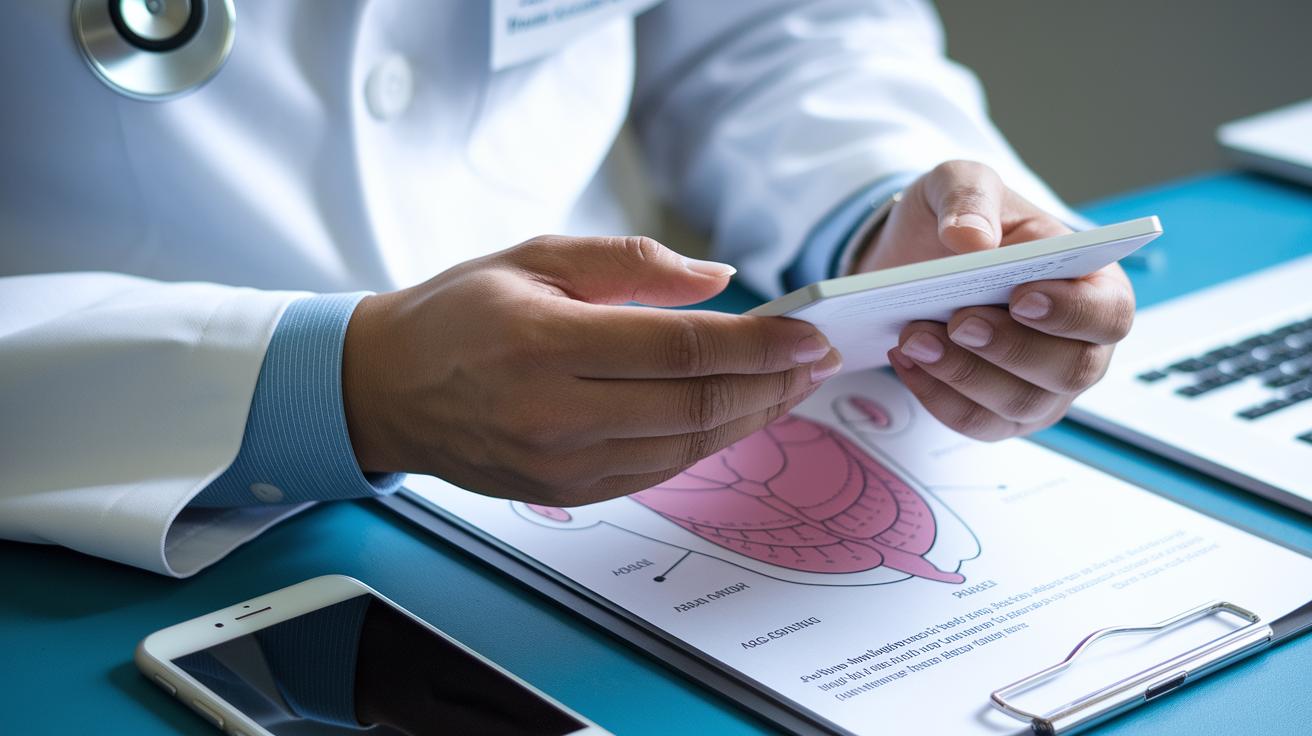
A hands-on exam is key to spotting signs of gallbladder inflammation. Your doctor will focus on the right upper side of your belly, checking carefully for pain and stiffness when pressing the area gently. This simple exam can reveal how inflamed your gallbladder might be.
Here are common findings during the exam:
- Tenderness in the right upper quadrant.
- Guarding or stiffness when pressure is applied.
- A positive Murphy’s sign (pain and a stop in breathing when the gallbladder is pressed).
- A tender gallbladder that you might feel during the exam.
These signs may look a bit different for each person. Your age, other health issues, and how long you’ve been sick can change what your exam shows. Sometimes the pain is sharp and clear; other times, it might seem milder. If the exam raises concerns or your symptoms do not improve, your doctor might suggest an ultrasound scan to check for complications and make sure you get the right care.
Diagnostic Imaging and Laboratory Tests in Cholecystitis Symptom Profile
Quick take: Doctors use ultrasound imaging and blood tests to spot signs of gallbladder inflammation and infection fast.
When cholecystitis is a concern, your doctor will use imaging tests and blood work to get a clear picture of what is happening. The imaging helps them look at the gallbladder and spot signs of inflammation, while lab tests check for infection and any liver issues. This careful approach helps decide the best treatment quickly.
| Technique | Key Findings | Diagnostic Role |
|---|---|---|
| RUQ ultrasound | Gallbladder wall thickening (>3 mm), nearby fluid, stuck gallstones | Main imaging method for cholecystitis |
| HIDA scan | Checks if the cystic duct is open | Used if the ultrasound does not give clear results |
| CT scan | Finds perforations, abscesses, or other complications | Used to look for advanced complications |
| Lab markers, WBC/CRP | High white blood cell count (above 10,000 per µL) and raised C-reactive protein | Shows evidence of infection and inflammation |
| LFTs/bilirubin | Slightly high liver enzymes and bilirubin | Checks if the bile ducts are involved |
Your lab results are very important. A white blood cell count over 10,000 per microliter and increased C-reactive protein point to an active infection and inflammation. Also, small increases in liver tests and bilirubin can signal that the bile ducts are affected. These numbers help guide your doctor on whether you need more imaging, medicines, or even surgery. By combining the results from imaging with lab tests, your care team gets a clear view of the severity and progress of your illness so they can treat you quickly and safely.
Differential Diagnosis and Risk Factors in a Cholecystitis Symptom Profile
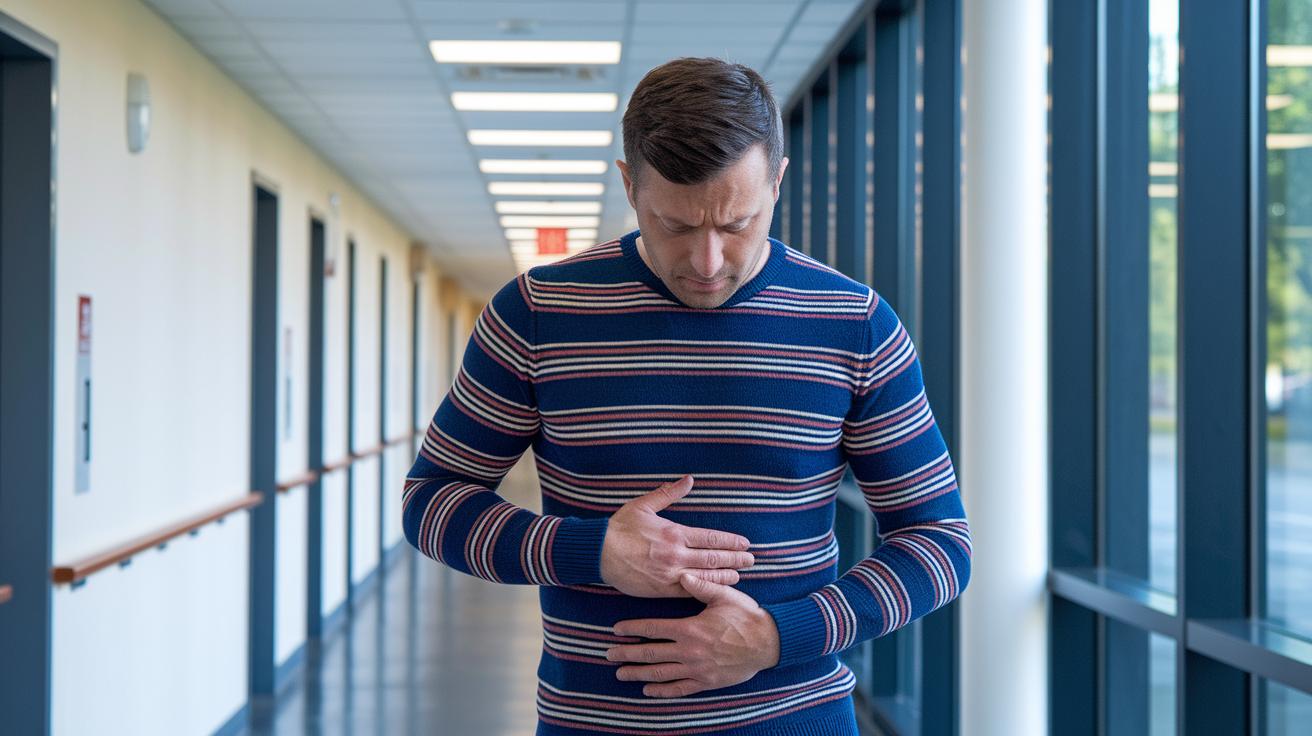
Quick take: Right upper belly pain can be a sign of gallbladder inflammation or another issue that needs quick review.
Triage Box:
If you have any of these emergency signs, call emergency services now:
- Severe, sudden upper belly pain
- High fever (over 101 F) or chills
- Yellowing of the skin or eyes
- Signs of shock such as confusion or very fast heartbeat
If your pain lasts several hours or gets worse, seek same-day medical care. Otherwise, monitor your symptoms closely and call your doctor if nothing improves.
When you feel pain in your right upper belly (the area just below your ribs), doctors need to figure out what is causing it. It is important to tell if the pain is from an inflamed gallbladder (cholecystitis) or another condition. Getting the cause right helps in choosing the proper treatment.
Possible causes include:
- Simple biliary colic (pain from gallstones)
- Acute pancreatitis (sudden inflammation of the pancreas)
- Peptic ulcer (sores in the stomach lining)
- Viral hepatitis (liver infection)
- Hepatic abscess (pocket of infection in the liver)
In most cases of gallbladder inflammation, over 90% of people have stones that block the bile flow. Sometimes, it is not only the stones but also thick bile (biliary sludge) or a blocked cystic duct (the tube that drains bile) that causes the problem. In people who are very sick or have had major surgery, the gallbladder can become inflamed without stones. Repeated episodes of severe pain and swelling may turn into chronic cholecystitis, where the
Treatment Options in a Cholecystitis Symptom Profile
Quick Take: Treatments for cholecystitis help ease pain and infection while letting your body settle before further care.
If you have any of these emergency signs, call emergency services now:
- Severe, sudden belly pain
- High fever (above 102°F)
- Dizziness or fainting
- Confusion or signs of shock
Supportive care helps calm discomfort and gives your body time to stabilize. First, letting your digestive system rest by not eating (fasting) reduces strain on your gallbladder. IV fluids keep you hydrated, and broad antibiotics fight infection by targeting germs. Pain relievers, like NSAIDs or sometimes opioids, are used to help ease the pain.
Often, more definite treatment is needed when the inflammation is strong. A common choice is a laparoscopic cholecystectomy. This is a small surgery, usually done within 72 hours, that takes out your gallbladder to prevent future problems. If you are very sick or at high risk for surgery, a procedure called percutaneous cholecystostomy offers temporary drainage and relief until you are stable for surgery.
Your care team will review how you respond to the initial treatment and check for any complications. They base their decisions on how severe your symptoms are and your overall health. Acting quickly and being closely monitored are key to managing cholecystitis safely.
Complication Risks and Emergency Red Flags in a Cholecystitis Symptom Profile
Cholecystitis left untreated can quickly become dangerous. The gallbladder may turn gangrenous (tissue death), rupture, or form an abscess (a pocket of infection). In some cases, the infection may spread into your bloodstream, risking sepsis, a life-threatening body-wide response to infection.
Warning signs include:
- A high fever above 39°C (102°F)
- Low blood pressure
- A fast heartbeat
- A rising white blood cell count
- Increasing belly pain or swelling with each breath
For a clear step-by-step guide, please check the Triage flowchart for abdominal pain and review the Red flag checklist for severe abdominal pain. If you notice any of these red flags, seek immediate care by going to the nearest emergency department or calling for help. Keep a close eye on your symptoms so your healthcare team can quickly adjust your treatment plan.
Final Words
In the action, we reviewed how a cholecystitis symptom profile can guide you through understanding its hallmark signs, physical exam findings, imaging tests, and treatment options. We also covered how to spot emergency red flags and differentiate similar conditions.
Keep a checklist of key symptoms and exam results handy. Recognize when immediate care is needed.
Stay informed, monitor your progress, and keep positive. Remember, clarity on the cholecystitis symptom profile empowers safe and timely decisions.
FAQ
What causes cholecystitis?
The causes of cholecystitis often stem from gallstones blocking the cystic duct, leading to inflammation. Repeated blockages can result in chronic gallbladder irritation over time.
What are the risk factors for cholecystitis?
Cholecystitis risk factors include obesity, being female, older age, rapid weight loss, and a history of gallstones, each raising the chance of gallbladder inflammation.
What symptoms characterize chronic cholecystitis?
Chronic cholecystitis tends to show recurrent right upper quadrant pain after meals, mild nausea, and ongoing digestive discomfort that gradually worsens with repeated episodes of inflammation.
What are the causes and symptoms of acute cholecystitis?
Acute cholecystitis is typically caused by gallstones blocking the cystic duct, presenting with sudden, intense right upper quadrant pain, fever, nausea, vomiting, and a positive Murphy’s sign during physical exam.
What treatment options are available for acute cholecystitis?
Treatment for acute cholecystitis begins with fasting, IV hydration, pain relief, and antibiotics, followed by laparoscopic cholecystectomy to remove the gallbladder and prevent complications.
What treatment approaches are used for chronic cholecystitis?
Chronic cholecystitis management may include dietary modification, pain control, and, when recurrent episodes occur, elective gallbladder removal to ease persistent symptoms.