
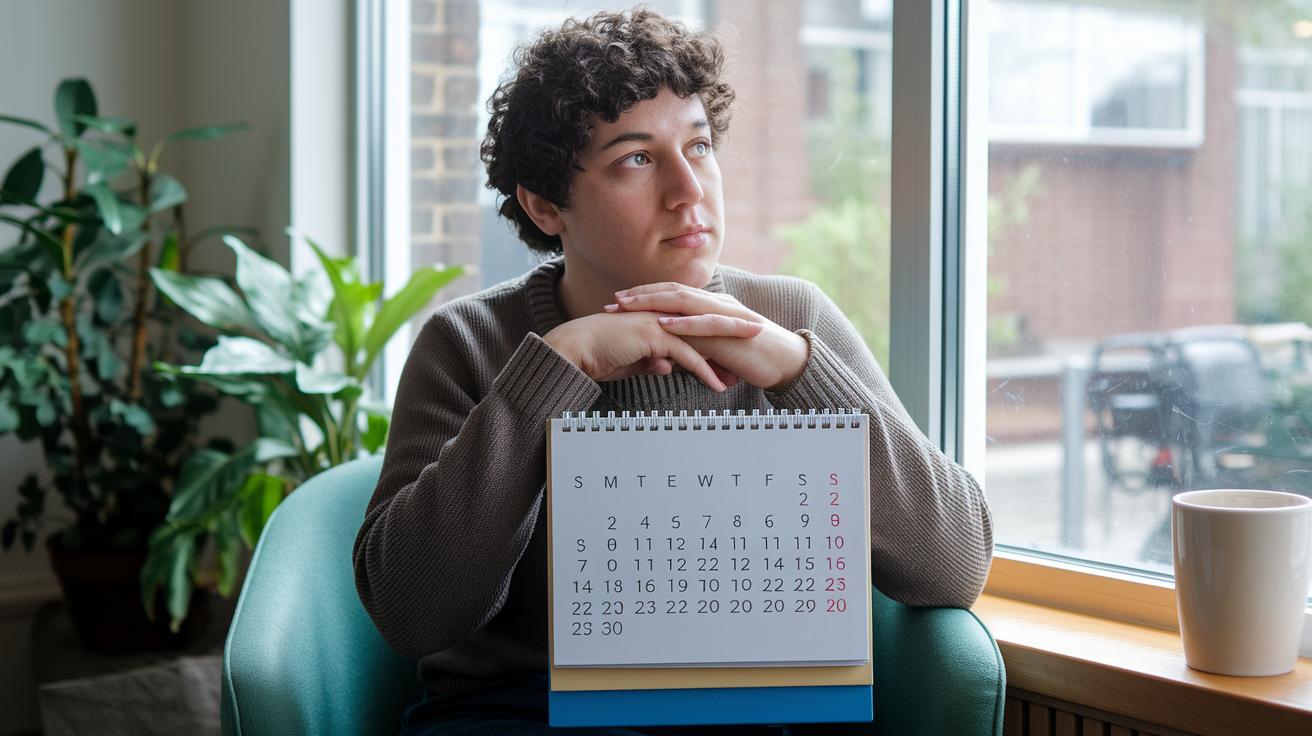

Quick Take: Your symptoms might come and go because everyday factors like mucus buildup, weather changes, or stress are influencing them.
Triage Box:
• Emergency: If you experience severe chest pain, trouble breathing, or sudden weakness, call emergency services immediately.
• Urgent: If your discomfort worsens or lasts more than 3 days, seek same-day medical advice.
• Self-care: Track when your symptoms appear and note any changes to discuss with your clinician.
Have you noticed that your discomfort sometimes appears suddenly and then fades away? It can feel odd, but your body is trying to tell you something. Everyday things, like extra mucus at night, changes in the weather, or stress, can make your symptoms flare up and then quiet down. In this post, we'll explain why you might notice these ups and downs and help you understand what your body is signaling. Keep a simple record of when you feel different, as noticing these patterns can guide your next steps and help put your mind at ease.
why do symptoms come and go: common reasons!
Triage Box:
• If you have trouble breathing, chest pain, or a very high fever (above 102°F), call emergency services now.
• If your symptoms suddenly worsen or new severe signs appear, get same‐day medical help.
• If your symptoms follow a pattern and you feel safe, track them and follow up with your clinician if they don’t improve.
Quick take: Symptoms that come and go are often a normal part of how your body works.
Many common symptoms can rise and fall during the day. For example, you might wake up with a stuffy nose because mucus (thick secretions) builds up at night. As you move through your day, the mucus clears away and you feel better.
When you have a cold, your body fights off the virus over 7 to 10 days. Even if most symptoms get better, you might still cough occasionally. This lingering cough shows that your body is still recovering, not that a new infection has started.
Other everyday factors can make symptoms appear and disappear. Changes in your activity level, weather shifts, or hormone differences can all lead to these ups and downs. For instance, mild pain after exercise or stress might come and go, making your discomfort seem unpredictable.
Noticing these patterns can help you feel more in control. Try keeping a simple diary that records when symptoms start, what you were doing, and how severe they feel. This can reveal trends that help you decide if you need to see your clinician.
Common Trigger Factors for Symptoms That Come and Go

Quick take: Your symptoms might flare because of changes in the weather or how stressed you feel.
If you have any severe discomfort, like trouble breathing or intense pain, call emergency services now.
Every day, you might notice that certain things set off your symptoms. Cool air in the morning can make a small cough or clear-up your congestion. A sudden drop in temperature or a change in humidity can start noticeable episodes.
Outdoor conditions can also play a big part. High pollen days in spring or humid, rainy weather in summer can lead to sneezing, coughing, or skin flare-ups. For example, waking up with a sneezing fit on a day with lots of pollen shows how your body may react to environmental triggers.
Your feelings and stress matter, too. After a long, tough day, you might feel tight muscles or an upset stomach. These responses show how stress (feeling very tense or worried) can spark physical symptoms. Even joint or muscle pain can change with your emotional state.
Sometimes, symptoms appear quickly after you face a trigger. A burst of bright sun during chilly weather or moving quickly from warm indoor air to cool outdoor air can cause an unexpected flare-up.
Knowing which factors trigger your symptoms helps you and your doctor take steps to reduce these episodes. Keeping a simple diary of when symptoms start, what you were doing, and how intense they are can be very useful.
Hormonal and Stress-Induced Variations in Symptom Cycles
Quick take: Shifting hormone levels and stress responses can trigger symptoms that come on fast and fade away.
Your hormones change during your period, pregnancy, puberty, or menopause. These changes might bring on headaches, joint pain, or shifts in your mood. For instance, you might get a sudden headache when your hormones are off balance and then feel relief when they settle.
Stress works in a similar way. When you feel stressed, your body releases cortisol (a stress hormone) and adrenaline. These chemicals can make your chest feel tight, upset your stomach, or give you muscle tension that eases once you relax. Think about wrapping up a long day and then feeling stomach discomfort, that’s your body reacting to stress.
Changes in brain chemicals like serotonin and dopamine also play a role. These chemicals affect how you feel physically and mentally. Even mild stress can quickly change how much pain you notice, making you feel good one moment and uncomfortable the next.
Keep track of when these symptoms occur. Jotting down your mood, stress level, and any discomfort can help you see a pattern and guide you in managing these changes better.
Lifestyle Factors: Diet, Sleep, and Exercise Impact on Intermittent Symptoms

Your everyday habits shape how your symptoms show up and fade away. When you skip meals or eat at odd times, your blood sugar can swing. This may lead to headaches, weakness, or stomach discomfort. For instance, you might feel dizzy or grumpy when your body doesn't get a steady flow of energy.
Not getting enough sleep is another factor. Poor or irregular sleep can make aches hurt more and leave you low on energy. A restless night might also change your mood, adding to the overall discomfort of the day.
Exercise plays a role, too. Intense movement or repeated strain can cause muscle or joint pain. This exercise-related pain typically lessens with rest, though it can become part of a cycle of symptoms if you push yourself too hard.
| Factor | Impact on Symptoms |
|---|---|
| Blood Sugar Shifts | May trigger headache, weakness, or irritability |
| Irregular Sleep | Can increase pain and leave you low on energy |
| Physical Strain | Often leads to muscle or joint ache that eases with rest |
Underlying Cyclical Conditions and Immune System Fluctuations
Quick take: Your body follows set cycles when fighting infections, and knowing these patterns helps you know what to expect.
[Triage Box]
If you notice any sudden, severe worsening or new, troubling symptoms, call emergency services now. If symptoms keep coming back or do not improve, contact your clinician today.
Your body often works in predictable cycles when it fights off infections or handles chronic issues. For example, with viral illnesses like the common cold, the virus enters your body and symptoms build up over 2 to 3 days. Then, the symptoms slowly decrease by about day 7 to 10. You might still have a mild cough or runny nose after most symptoms fade. This does not mean you have a new illness; it shows your immune system is still working to clear the virus. Bacterial infections can act similarly. Sometimes, symptoms can return as your body adjusts its response during recovery.
Infectious Cycles
When you get a virus or bacteria, you go through clear steps: first, you get infected, then your immune system jumps into action, and finally, you start to recover. With a viral infection, your body reacts fast, making you feel sick early on. Once the peak happens, your symptoms slowly fade. Occasionally, you might notice a little congestion again while your body finishes cleaning up. Bacterial infections usually need different treatment and might have flare-ups if the bacteria trigger extra inflammation before healing. This back-and-forth of symptoms is a normal part of how infections run their course.
Chronic Condition Cycles
For long-term conditions like rheumatoid arthritis, multiple sclerosis, or irritable bowel syndrome (IBS, a gut problem), you experience periods when you feel almost normal, followed by flare-ups. During remission, you might feel nearly well even if a little discomfort remains. Then, suddenly, you can get more pain, fatigue, or gut problems. Autoimmune reactions (when your immune system mistakenly attacks your own body) can spike without a clear cause, leading to repeated inflammation in your skin, joints, or gut. These episodes are part of a cycle where your immune system shifts from calm to active. Tracking these patterns can help you understand your body’s cycles and give you useful details to share with your healthcare provider.
Tracking and Managing Your Intermittent Symptoms

Quick take: Recording your symptoms each day can help you spot trends and take action early.
If you notice your symptoms rapidly worsening or feel unusually unwell, call emergency services now. If you see a pattern that concerns you, seek same-day medical advice. Otherwise, keep tracking and managing your symptoms as you normally would.
Keeping a daily log helps you see what might be setting off your discomfort. Write down the time your symptoms start, how strong they feel, and what you were doing at that moment. Each note is like a puzzle piece that shows you more of the big picture.
Using a regular symptom diary, whether on paper or on a phone app, can reveal connections between your activities or surroundings and your episodes. For instance, you might notice feeling very tired after skipping breakfast or getting a headache when the weather turns cold. Writing these details down can help you see trends rather than just random events.
Small changes might help lessen your flare-ups. Try adjusting your environment by setting a comfortable room temperature or steering clear of known allergens. Taking a few deep breaths or taking short breaks when you feel stressed may also ease your symptoms. If you keep seeing the same patterns, share your diary with a healthcare provider. They may suggest simple steps for relief or recommend further checks.
- Record when symptoms start and how long they last
- Note what you were doing and where you were
- Include details about meals, sleep, and stress
- Look for patterns or repeating triggers
- Make small lifestyle adjustments
- Review your diary each month with your provider
When to Seek Professional Evaluation for Fluctuating Symptoms
Quick take: Get help if your symptoms last more than 7-10 days, worsen, or show new warning signs.
Triage Box:
- If you notice sudden vision changes, numbness (loss of feeling), or a severe headache, call emergency services immediately (911 in the US).
- If your symptoms persist beyond 7-10 days or change in pattern, see your doctor soon.
It can feel scary when your symptoms do not follow the usual pattern. If your issues continue or get worse, it is important to talk with a doctor. These changes could mean that something needs a closer look.
Keep a simple record of your symptoms. Write down when they start, how long they last, and how strong they are. For example, note: "My headache started mild and then became severe with blurry vision on 4/15."
Remember to:
- Track when your symptoms happen and how long they last.
- Note any new or unexpected pain patterns.
- Record if your symptoms interfere with daily activities.
- Watch for any new neurological signs.
Stay aware and act promptly if any red flags appear.
Final Words
In the action, this article walked through why symptoms come and go: common reasons such as fluctuating hormone levels, environmental triggers, lifestyle factors, and underlying cyclical conditions.
We broke down how each factor can cause intermittent discomfort and what you can do to monitor and manage these changes safely.
Keep track of your patterns, note key triggers, and share details with your clinician. Stay proactive and positive as you work toward better health.
FAQ
Q: What causes temporary confusion and disorientation, and why do I feel confused for no reason?
A: The causes of temporary confusion and disorientation include dehydration, low blood sugar, medication side effects, and stress. Feeling confused for no reason can also be influenced by fatigue or environmental changes.
Q: What causes sudden confusion in elderly and young adults?
A: Sudden confusion in elderly often stems from infections, medication changes, or chronic conditions. In young adults, it can be triggered by acute stress, dehydration, or hormonal shifts, all causing brief disorientation.
Q: What are disorientation symptoms and sudden confusion symptoms?
A: Disorientation symptoms include difficulty focusing, forgetfulness, and trouble recognizing familiar surroundings. Sudden confusion symptoms may involve rapid misunderstanding, slowed responses, and impaired decision-making, signaling a need to check underlying causes.
Q: Do symptoms come and go, and do infection symptoms follow the same pattern?
A: Symptoms like confusion or cold signs can lessen and then reappear due to trigger changes, recovery phases, or immune fluctuations. This intermittent pattern is common in infections and various episodic health issues.
Q: Why did my cold symptoms go away and then come back?
A: Cold symptoms can subside as your immune system works but may return from lingering inflammation or re-exposure to triggers. This cycle creates the appearance of recurring illness rather than a new infection.
Q: What are common disorientation causes?
A: Common disorientation causes include dehydration, low blood sugar, medication effects, stress, or infections. Recognizing these factors can help you address the issue and decide if professional guidance is needed.