
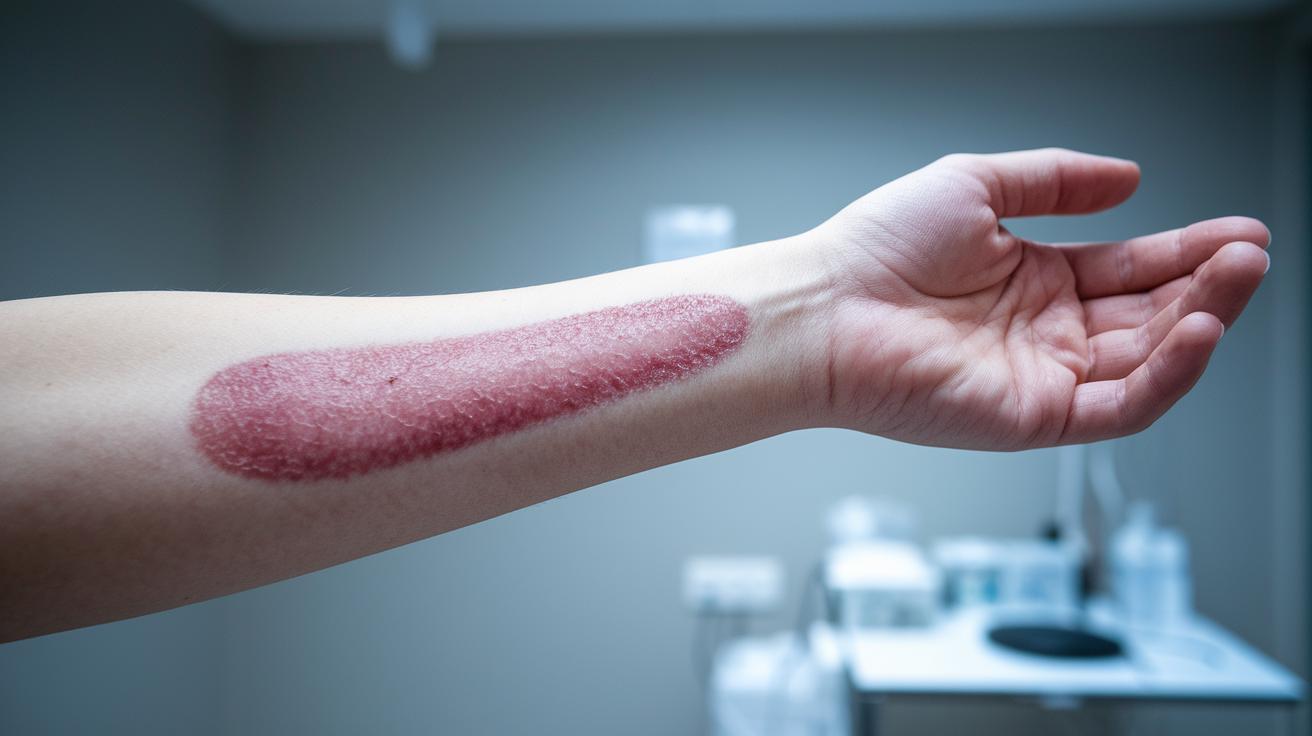

Quick take: A red or purple bump on your skin might signal a deeper problem.
If you experience any of these issues, take immediate action:
• If the bump grows fast, hurts a lot, or is joined by fever, call emergency services now.
• If you start having chest pain or shortness of breath, seek urgent care.
• Otherwise, monitor the bump’s color and size and discuss any changes with your clinician.
Sometimes, skin bumps like these can be more than just a simple rash. They may show up with sarcoidosis, a condition that can affect other parts of your body too. That’s why it’s important to notice them early. This article explains what might cause such bumps, what symptoms to watch for, and why it could be a good idea to take early steps. Keep an eye on any skin changes and share your notes with your doctor to decide what to do next.
Skin Lesion in Sarcoidosis: Promising Outcomes
Quick take: Unusual red-brown or purple skin bumps may signal sarcoidosis that can affect other organs.
Triage Box:
- Emergency: Call emergency services now if you have trouble breathing, chest pain, or severe swelling.
- Urgent: If you notice these skin bumps along with unexplained weight loss or fatigue, seek same-day medical care.
- Monitor: Track the size, color, and number of bumps and note if you develop new symptoms.
Cutaneous sarcoidosis happens when clusters of inflammatory cells (granulomas) form on your skin. These granulomas create small bumps, solid nodules, or larger patches that usually have a red-brown or purple tint. Sometimes these skin changes appear on their own; other times they signal that your lungs, lymph nodes, or other organs might also be involved.
A study from 2000 to 2023 looked at 216 people, 148 women and 68 men with an average age of 60. It found that these skin lesions often come with issues in other organs. This means that when you see these bumps, doctors usually check more broadly for problems in your body. Getting a thorough skin exam at a dermatology clinic can really help guide their next steps.
Early recognition of these skin changes is key. Your clinician will look closely at the bumps and may order tests like imaging scans or blood tests to check for spread to other parts of your body. Finding these signs early lets your doctor start treatments, from creams applied to the skin to medications like corticosteroids, to control the inflammation and protect your overall health.
Pathophysiology of Cutaneous Granulomatous Lesions in Sarcoidosis
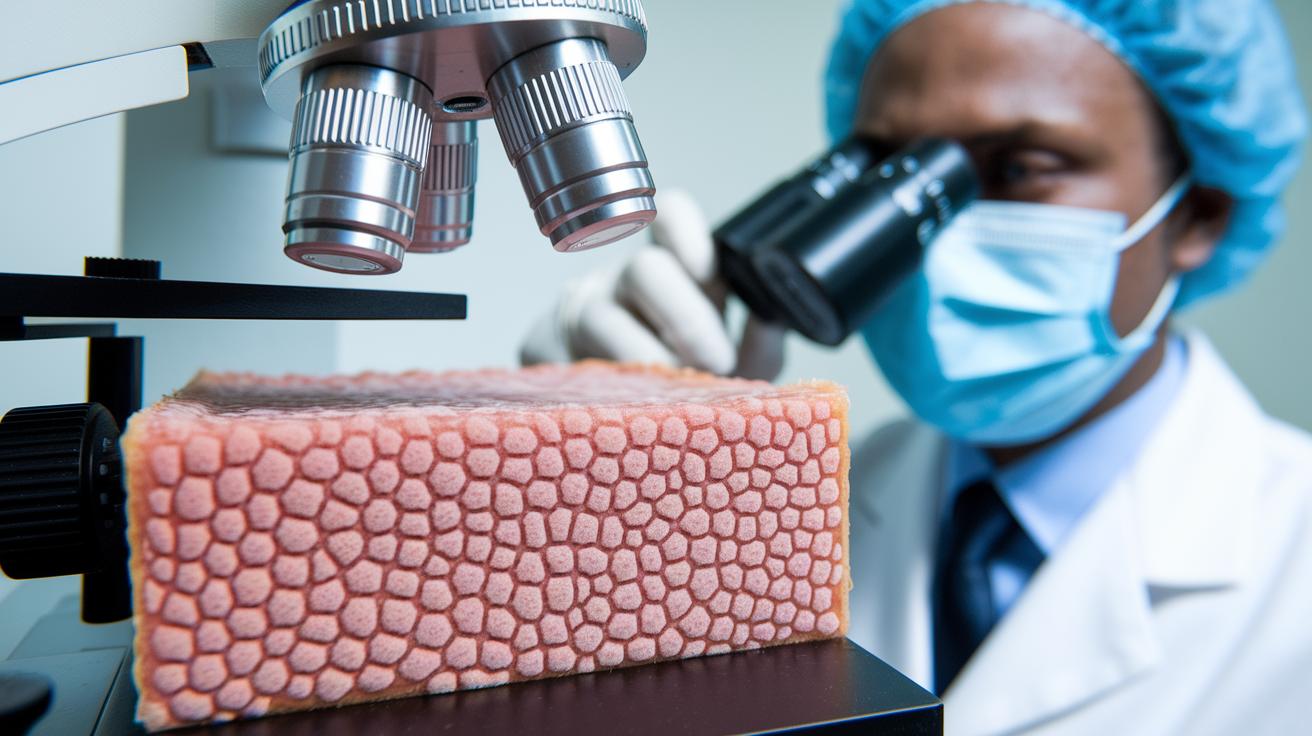
Your immune system overreacts when it meets an unknown trigger. In sarcoidosis, T-helper cells release proteins (messenger signals) that call macrophages (cells that engulf and digest) to join the fight. These cells gather in the skin’s dermis, forming clusters of active cells. Imagine your skin as a battleground where immune cells form tight groups without any dead tissue.
A skin biopsy shows these clusters as compact groups of cells called epithelioid histiocytes and multinucleated giant cells, with only a few lymphocytes (another type of immune cell) present. Their clear organization and lack of dead tissue set them apart from other infections that show a center of tissue death. Picture it like a well-organized team working together, with no empty spaces.
T-helper cells keep sending signals that make macrophages stay active and maintain ongoing inflammation. This cycle helps the granulomas persist and even grow over time. Think of it as a relay race that never stops, with the baton passed repeatedly to keep the inflammation going and cause the skin changes seen in sarcoidosis.
Diagnostic Strategies for Sarcoidal Skin Lesions
Quick take: Your doctor uses a skin exam, biopsy, and imaging tests to check for sarcoidosis.
Triage box:
• If you have trouble breathing, chest pain, or feel very unwell, call emergency services now.
• If you notice a sudden worsening of your skin bumps or new symptoms, seek same-day medical help.
• If your symptoms stay stable, follow up with your doctor as planned.
Your doctor begins with a careful history and skin check. They look at where the bumps are and what they look like. Next, a skin biopsy is done. In the biopsy, the lab looks for noncaseating granulomas (small clusters of immune cells) that suggest sarcoidosis. This test helps tell sarcoidosis apart from other skin issues.
After the exam, imaging tests like a chest X-ray or CT scan are ordered to see if other organs are affected. Sarcoidosis can hit multiple parts of the body, so these tests are important. Your doctor may also order lab tests and take a full medical history to rule out other conditions that can cause similar bumps.
Here is the step-by-step process:
- Gather a detailed history and do a full-body skin exam.
- Take a skin biopsy to look for noncaseating granulomas.
- Order imaging tests such as a chest X-ray or CT scan.
- Check lab tests and overall findings to rule out other diseases.
- Combine all the results to confirm the diagnosis and plan your treatment.
Each step helps your doctor be thorough. By looking at your skin, doing a biopsy, and using imaging tests, they can plan the best treatment for you.
Morphologic Variants of Cutaneous Sarcoidosis Lesions

Quick Take: Skin changes from sarcoidosis can show up in different shapes and colors. If you notice new, painful, or rapidly changing bumps, seek medical advice.
Red Flags:
- Rapid growth or change in skin lesions
- New pain, itchiness, or irritation around the lesions
- Sudden changes in facial lesions
Sarcoidosis can cause various skin markings. You might see small raised bumps (papules), firmer deeper bumps (nodules), thick flat areas (plaques), or flat color patches (macules). These marks often have red-brown or purple hues. Papules usually appear on the trunk or arms and legs, while nodules are felt deeper in the skin. Plaques can become thick and may scar over time. Macules show as flat changes in color. Lesions on the face, such as on the cheeks or around the eyes, may signal further concerns.
| Lesion Type | Description | Common Sites |
|---|---|---|
| Papule | Small, raised bumps that are smooth and even. | Trunk, arms, and legs |
| Nodule | Larger, deeper bumps that feel firmer. | Deeper skin layers, sometimes on the face |
| Plaque | Thick, flat areas that might scar over time. | Arms, legs, face |
| Macule | Flat spots with a change in color. | Face, neck |
Recognizing these differences is key. For example, if you see papules that start becoming thicker plaques on visible areas like your face, it might mean your condition is more active. Keeping track of these changes helps you and your clinician decide if further checks or treatments are needed.
Differential Diagnosis of Sarcoid Skin Lesions
Quick take: Skin lesions that look like sarcoidosis can be confusing because other conditions may appear similar.
You might see red-brown or purple changes that could be due to conditions like lupus pernio, cutaneous tuberculosis (skin TB), or granuloma annulare (ring-shaped bumps). Your doctor will closely examine your skin and check your past health to notice small differences.
It is vital to rule out more serious issues. For example, cancers such as cutaneous lymphoma need careful checking. A biopsy (a small sample of your skin examined under a microscope) helps find clues like noncaseating granulomas (clusters of immune cells without dead tissue), which suggest a non-cancerous process.
A correct diagnosis guides the right treatment. Your doctor combines the skin exam, biopsy results, and your clinical history to decide on the best care plan. This careful process protects you from unnecessary treatments that might not be needed if your condition isn’t sarcoidosis.
Site-Specific Skin Lesions and Systemic Correlations in Sarcoidosis
Quick take: Skin changes on your face, head, and lips may signal issues with your heart or blood system.
A recent U.S. study of 216 people (average age 60) found that lesions on the face, head, or lips can be more than just a surface problem. When these areas show changes, it might mean there is a higher risk of heart problems (cardiac sarcoidosis). If your doctor sees these skin changes, they will look more closely at your heart and overall health.
Some studies also link these face or head lesions with a higher chance of blood-related cancers. This means that when you see such changes, doctors may recommend more tests to check for hidden risks. It’s a sign that careful and interdisciplinary reviews are needed.
Your healthcare team might suggest imaging tests or blood work to check your heart and blood system early. Doing these tests can help start the right treatment and prevent more serious health troubles later. If you notice such skin changes, talk with your doctor right away.
Treatment Options and Management Strategies for Cutaneous Sarcoidosis
Systemic corticosteroids form the base treatment for skin sarcoidosis. They work by lowering inflammation (the body’s reaction to irritation) and calming your immune system. Guidelines recommend starting treatment early to help prevent long-term changes and scarring. This approach not only addresses skin changes but may also stop the inflammation from affecting other organs.
If the initial treatment isn’t enough or if you have repeated flare-ups, your doctor may add other medications. Options like hydroxychloroquine, methotrexate, and TNF inhibitors change how your immune system works. They are used when steroids alone do not control the condition, which allows your treatment plan to fit your needs.
For smaller patches or raised skin lesions, creams or ointments can play a key role. Your doctor might suggest a topical corticosteroid or a calcineurin inhibitor, which you apply directly to the area. This focused treatment can reduce redness and swelling while helping you avoid higher-dose medications taken by mouth.
When the lungs are involved, extra support such as oxygen therapy may be included. Long-term care usually involves a team of specialists, with regular check-ups that help your doctor monitor skin changes and adjust your treatment as needed. This ongoing care aims to keep the skin improvements steady and lower the risk of permanent scarring.
Monitoring and Follow-Up of Sarcoidal Cutaneous Lesions

Quick take: Regular skin check-ups help catch changes early so your treatment can be adjusted in time.
Triage Steps:
- Call your doctor if you notice new bumps or changes in your skin such as rapid size increase, color shifts, or texture differences.
- Seek same-day medical attention if changes occur along with severe pain or signs of infection.
Your doctor usually schedules skin exams and imaging tests every 3 to 6 months. They look carefully at your skin for new bumps and check if old ones change in size, color, or feel. These changes can mean your condition is becoming more active. This step-by-step check helps catch any worsening early.
Sometimes, your follow-up may include extra tests like a chest X-ray or CT scan to check if your condition is affecting other parts of your body. This helps see how well your current treatment is working. By keeping track of the number, shape, and severity of your bumps, your healthcare team can decide if it’s time to change your medications or add additional therapies.
Keep a simple record of any changes you notice. Write down the date, what changed, and if you felt any new discomfort. This note can help your doctor understand your condition better and adjust your treatment to suit your needs.
Final Words
In the action, we broke down the clinical overview of sarcoidal skin lesions, explained how granulomas form, and outlined diagnostic strategies. We compared different lesion types and highlighted key mimickers so you know what to watch for. We also covered site-specific risks and treatment options, including both systemic and topical therapies. Regular monitoring ensures you act on changes quickly. Stay vigilant and informed about skin lesion in sarcoidosis, and remember that early steps keep you on a positive path to better care.
FAQ
What are some example images of sarcoidosis skin lesions?
Images of sarcoidosis skin lesions typically show red-brown or purple papules, nodules, or plaques. They often appear on the legs, face, or arms and help illustrate the range of appearances.
What is cutaneous sarcoidosis?
Cutaneous sarcoidosis is a skin condition where small clusters of inflammatory cells called granulomas form, leading to various lesions like papules, nodules, or plaques.
Is skin sarcoidosis dangerous or life threatening?
Skin sarcoidosis itself is not usually dangerous, but it may indicate systemic involvement. This means other organs could be affected, so monitoring by a healthcare professional is recommended.
How does mild sarcoidosis affect the skin?
In mild cases, sarcoidosis may present as small, subtle skin lesions without severe symptoms. Even mild changes require evaluation to rule out broader systemic involvement.
What are the treatment options for skin sarcoidosis?
Treatment for skin sarcoidosis can include topical or systemic corticosteroids and second-line agents like hydroxychloroquine or methotrexate. The exact approach depends on lesion severity and extent.
Does cutaneous sarcoidosis cause skin itching?
Cutaneous sarcoidosis can cause itching because the inflammatory lesions may irritate the skin. If the itching is severe or persistent, a clinician should evaluate the symptoms.
How is cutaneous sarcoidosis diagnosed?
Cutaneous sarcoidosis is diagnosed primarily through a skin biopsy that reveals granulomas, along with imaging studies to check for possible systemic involvement.