


Quick take: Heavy head and a churning stomach may point to a migraine, a cold, or inner ear issues.
If you experience any of these emergency signs, sudden, severe pain, trouble speaking, or vision changes, call emergency services now.
Head pressure with nausea can feel very unsettling. It may happen with a migraine, when you’re coming down with a cold, or if your inner ear is off balance. Sometimes stress can trigger these feelings too.
Here’s what you can do now:
• Track your symptoms: Write down when the symptoms start, how long they last, and how severe they are.
• Monitor for changes: Note if new signs appear or if your symptoms worsen.
• Get help if needed: If your symptoms get worse or you notice any warning signs, contact your healthcare provider.
Keep this simple log and share it with a clinician when you seek advice. Taking these steps lets you stay in control and care for your health safely.
Head Pressure Nausea: Stay Empowered Today
Quick take: Head pressure with nausea is common, but if the symptoms get worse or are paired with other signs, act quickly.
Triage:
- Call emergency services now if you feel confused or extremely dizzy.
- Seek same-day care if your symptoms quickly worsen.
- If the symptoms are mild, rest and drink plenty of water while you monitor how you feel.
Head pressure with nausea means your head feels heavy and tight while your stomach feels upset. This can happen with migraines. With a migraine, you might have a strong headache, light sensitivity, dizziness, and even a special visual signal called an aura.
Sometimes, a cold or the flu might be the cause. In these cases, the pressure and nausea tend to be less severe and usually improve with rest and fluids.
However, if the head pressure and nausea start to get worse fast, especially if you also feel confused or extremely dizzy, it could be a sign to get help right away. Recognize these signals and take action promptly for your peace of mind and safety.
Common Causes of Skull Tightness and Upset Stomach
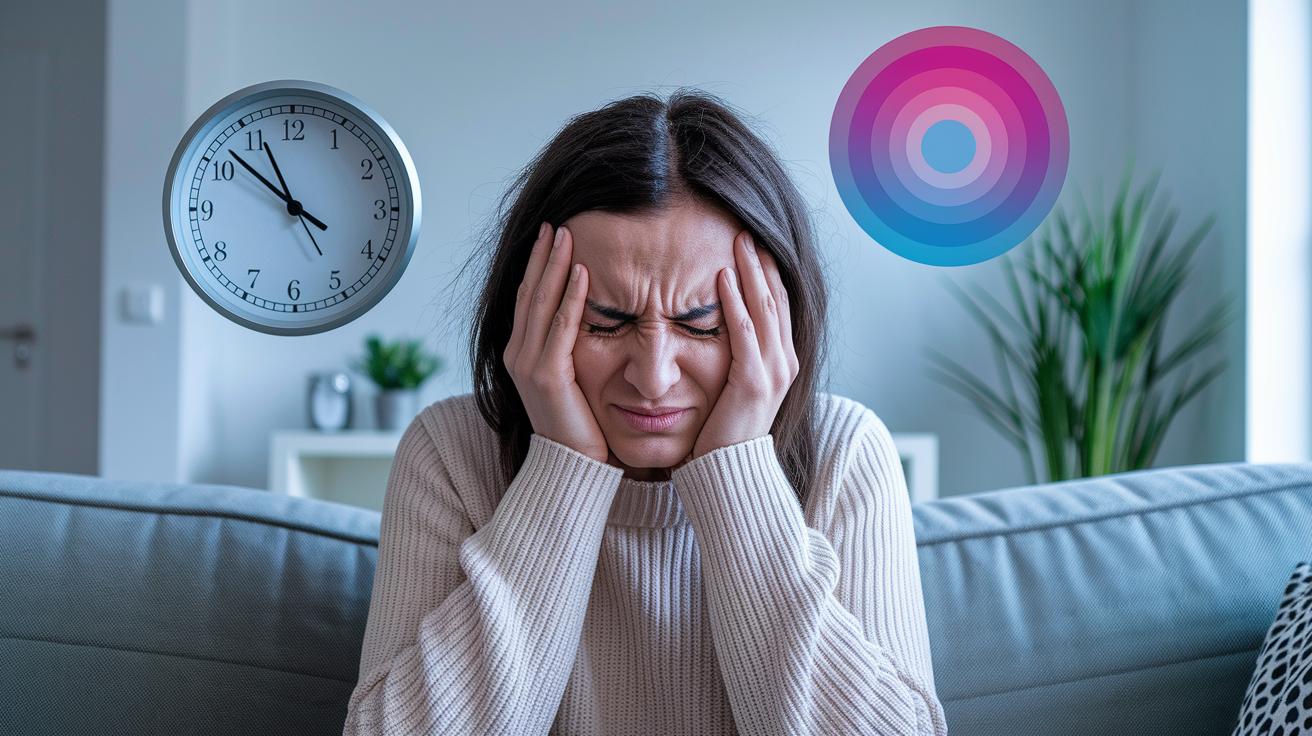
Quick take: Skull tightness and an upset stomach can show up with migraines, inner ear issues, sinus problems, or stress.
Triage Box:
• If you have sudden, severe head pain or feel confused, call emergency services immediately.
• If you notice changes in vision or trouble breathing, seek urgent care today.
• If your symptoms worsen or do not improve, check in with a clinician soon.
There are many reasons you might feel a tight head and nausea. Migraines, for example, often bring strong head pain, a warning sign called an aura (a brief visual signal before pain), and dizziness that makes you feel sick. You might also feel pressure near your temples and experience nausea that interrupts your day.
Inner ear issues, like benign paroxysmal positional vertigo (BPPV), cause quick spells of spinning and nausea. This happens when tiny calcium particles in your inner ear move out of place. They send confusing signals to your brain and upset your balance.
A sinus infection can lead to facial pain and congestion. When your sinuses are blocked, you might feel heavy-headed. Sometimes, this comes with bouts of vomiting or queasiness. Other factors like dehydration, low blood sugar from skipping meals, or sudden drops in blood pressure can also cause head pressure and upset your stomach.
Stress can tighten your head muscles, creating a band-like pressure. This may come with a little vomiting, especially when combined with factors like quick standing or missing meals. Keeping track of these changes helps you decide when to watch symptoms or get help.
Red Flags: When Head Pressure Is Paired With Nausea
Quick take: Head pressure with nausea can be a sign of something serious.
Triage Box:
If you notice any of these signs, act immediately:
- Call emergency services now if you have a sudden, severe headache that feels like the worst headache of your life.
- Seek urgent help if you feel faint, dizzy, or lose consciousness.
- Get care right away if you have new weakness on one side of your body, slurred speech, or a stiff neck.
Head pressure along with nausea might point to a serious issue. A sudden, severe headache that comes on quickly could signal bleeding in your brain. This is a red flag, and you need emergency care right away.
Also, if you begin to feel faint, dizzy, or even pass out, these signs mean you should seek help immediately. New weakness on one side, slurred speech, or a stiff neck can indicate a stroke or a serious infection. High blood pressure with head pressure can increase your risk for a stroke.
Keep an eye out for constant tightness and discomfort in your head that does not ease up with rest. This kind of symptom deserves urgent attention.
- Call emergency services now if you experience a thunderclap headache.
- Watch for sudden episodes of dizziness, fainting, or loss of consciousness.
- Seek urgent care if you notice new weakness, slurred speech, a stiff neck, or a fever.
For more details, refer to the red flag checklist for persistent headaches. For further guidance, use the triage flowchart for headaches.
Diagnostic Tools for Head Pressure and Queasiness

When you feel pressure in your head along with queasiness, your doctor will ask specific questions about your symptoms. They will want to know when the pressure began, if it comes and goes or stays constant, and if you have any dizziness or balance problems. Your personal history helps narrow down the possible causes.
Next, your doctor does a simple exam of your nerves and balance. They will check your reflexes (automatic responses), test the nerves that control your face and vision, and ask you to stand or walk to see how your balance is. This exam is very important to figure out if a nerve or brain issue is causing your symptoms. For example, if you mention one side of your head feels extra tight, the doctor will pay close attention to that area.
Imaging tests can be the next step if your history or exam shows signs of something more concerning. An MRI scan (a detailed picture of your brain) helps spot structural issues, while a CT scan (a series of X-ray images) can detect bleeding or tumors. These tests are usually done if your pressure is severe, lasts a long time, or if there are sudden changes in your condition.
In some cases, blood tests might be used. These tests check your electrolytes (salts in your body), look for signs of infection, and spot any metabolic issues that could be behind your head pressure and nausea.
| Test | What It Checks | When It’s Used |
|---|---|---|
| MRI scan | Brain structure issues | Severe, long-lasting pressure |
| CT scan | Bleeding or tumors | If symptoms change suddenly |
| Blood tests | Electrolytes, infection, metabolism | If there are signs of metabolic issues |
This careful process helps your doctor understand what is causing your head pressure and queasiness, so you can get the right treatment quickly.
Home Remedies for Head Pressure With Queasy Symptoms
Quick take: Simple home remedies can help ease head pressure and mild nausea.
Triage Box: If you feel severe headache pain, have trouble speaking, or your vision changes, call emergency services now. If your symptoms get much worse, seek urgent care.
Head pressure and queasiness sometimes come from dehydration, stress, or tension. Here are some simple self-care steps you can try at home:
- Rest in a dark, quiet room. Dim lights and low noise can help ease your symptoms.
- Drink water or an electrolyte solution. Staying hydrated may lessen the heavy feeling in your head.
- Use a cool or warm compress on your forehead. This may help relax tight muscles.
- Gently massage your scalp. Massaging can ease tension and reduce queasiness.
- Breathe in a mild scent like lavender or peppermint oil. The aroma can distract from discomfort and calm an upset stomach.
- Try pressing on your inner wrist (the P6 point) for acupressure. This method has been known to help reduce nausea.
- Enjoy a cup of herbal tea such as ginger-lemon or peppermint tea. The warm liquid can soothe your stomach and ease head tension.
- Practice deep breathing or guided relaxation to help calm your body and mind.
- Limit screen time and bright lights while resting. This can also help reduce head pressure.
Keep track of your symptoms. Note the time, what you did, and how you feel. If these remedies don’t help or your symptoms worsen over a few days, talk to your clinician. Remember, while these steps can provide comfort, a health professional can provide the care you might need.
Lifestyle and Preventive Strategies for Head Pressure and Nausea

Quick take: Drinking water, eating healthy, getting good sleep, sitting right, and managing stress can ease head pressure and nausea.
• Red flags: If you notice severe pain or feel very dizzy, seek help right away.
• Urgent concerns: If symptoms worsen or you faint, get help now.
• Self-care: Use the steps below daily to feel better.
Stay well-hydrated. Drink water throughout the day and eat balanced meals that support your brain. A nutrient-rich diet helps keep blood sugar steady and prevents sudden head heaviness.
Sleep is very important. Aim for 7-9 hours each night. Good sleep lets your brain and body recover, keeping you clear and relaxed.
Sitting up straight makes a big difference. Adjust your chair and workspace for proper support. A good posture relieves stress on your neck and head and can lower discomfort.
Manage stress with simple methods like yoga, mindfulness, or breathing exercises. Keeping a symptom diary can help you notice what triggers your head pressure or nausea. Write down the time, your activities, and how severe your symptoms are.
Stick with these habits every day for the best chance to ease head pressure and nausea. If your symptoms do not improve or get worse, talk to a doctor.
Final Words
In the action, this article broke down causes, red flags, diagnostic steps, and simple remedies for head pressure nausea. You saw how symptoms like queasiness and head discomfort can signal conditions from migraines to infections. Step-by-step home methods and lifestyle changes were shared to help you manage discomfort and spot when it's time to see a clinician. Remember to record your symptoms and follow the red flags if they worsen. Keep moving forward with practical tips to feel better and stay safe.
FAQ
Waking up with a headache and nausea
Ongoing nausea and headache
Sudden headache and nausea
Nausea and headache remedy
Headache and nausea pregnancy
Headache and nausea for 3 days
Headache and vomiting no fever
Vestibular migraine
Why does my head hurt and I feel nauseous?
How do you relieve head pressure?
Why do I feel pressure in my head and feel nauseous?