


Quick take: A heavy head and spinning room can signal several issues. If you also have severe headache, confusion, or weakness, call emergency services right away.
What could be causing these feelings?
Sometimes low blood pressure, inner ear problems, or dehydration may make you feel like your head is weighed down and the room is spinning. These sensations can sneak up during everyday activities and make simple tasks feel challenging.
Here’s what you can do now:
• Rest in a safe, comfortable spot.
• Sip water slowly.
• Move gently until the feeling eases.
Keep track of your symptoms. Write down when they happen, how long they last, and if any new signs (like trouble speaking or severe headache) appear. This information can help your doctor understand what’s going on.
Remember, these steps are for mild cases. If your symptoms get worse or you notice any red flags, seek medical attention immediately.
Understanding Dizziness with Head Pressure: Definition & Core Insights
Dizziness with head pressure is when you feel lightheaded and notice a gentle fullness in your head without pain. You might sense the room turning slowly, like a soft spin, or feel foggy, making everyday tasks harder. A tight or heavy feeling, much like a soft band around your head, may occur and can be triggered by a stiff neck or sudden movements.
There are two ways this dizziness can show up. One type makes you feel like the room is truly spinning, which is usually due to inner ear problems. The other type feels like lightheadedness with darkened vision or unsteadiness and may be linked to low blood pressure or dehydration. The accompanying head fullness is a steady, mild pressure, not a piercing headache, and adds to the overall feeling of disorientation.
These sensations can affect your daily routine. Simple actions such as turning in bed or walking down stairs may need extra care. If you experience these symptoms often or notice extra signs like blurred vision or imbalance, it’s important to have a health check to rule out any underlying issues.
Common Causes of Cranial Tension and Dizziness
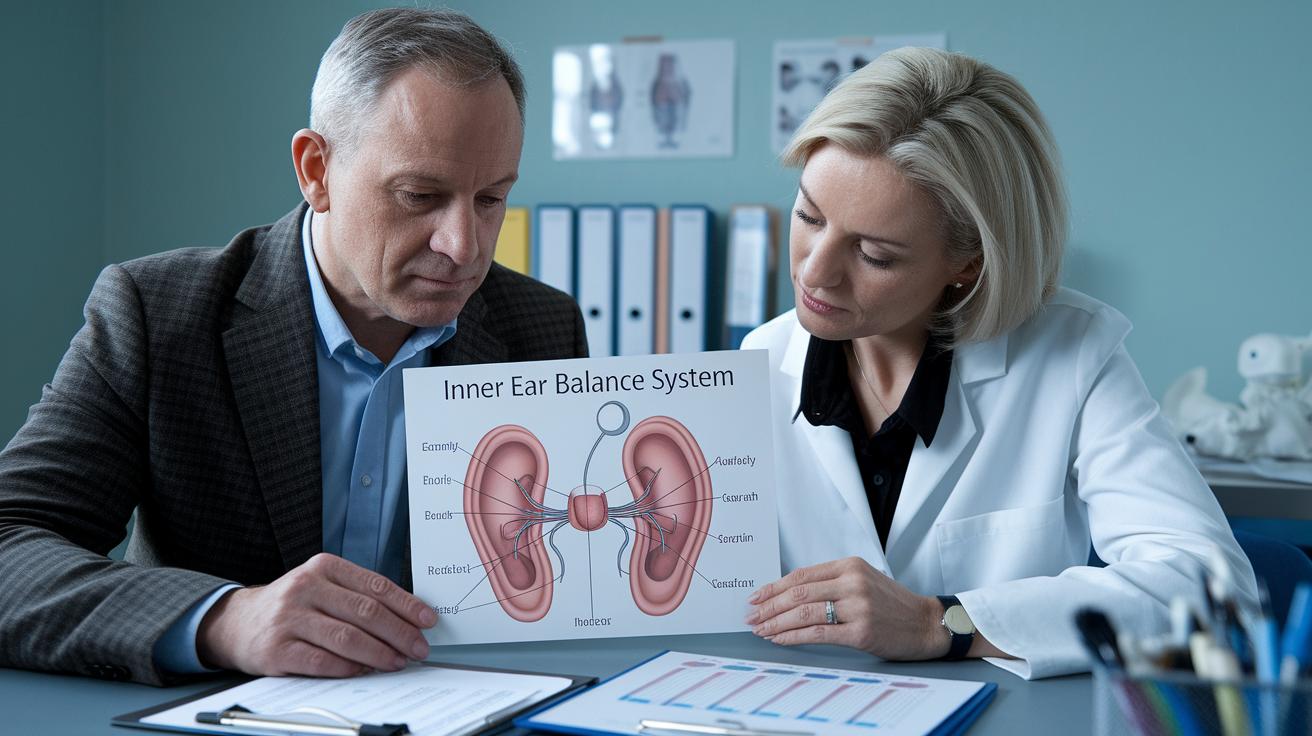
Many people notice dizziness and head tension when the balance system in your inner ear isn’t working right. Sometimes, tiny calcium particles move from where they belong. This condition, called benign paroxysmal positional vertigo (BPPV), causes a quick spinning feeling when you change the position of your head.
Other problems in the brain can also affect balance. When your brain struggles to send clear signals, you might feel off-balance or notice a heavy feeling in your head.
Blood flow issues are another common cause. Low blood pressure can make you feel lightheaded, especially when you stand up from sitting or lying down. High blood pressure may bring on strong headaches that add to head pressure. These inner ear, brain, and blood flow issues often combine to cause both dizziness and head heaviness.
Infections and everyday habits matter too. Sinus or ear infections can create facial pressure and trigger wobbliness. Dehydration (not drinking enough fluids) or low blood sugar from skipping meals can make you feel dizzy and add pressure to your head. Knowing these causes can help you decide if your dizziness is a one-time thing or if you need to check in with your clinician.
Identifying Red Flags in Dizziness with Head Pressure
Quick take: If you have dizziness with head pressure plus serious symptoms, act now.
If you have any of these emergency signs, call emergency services immediately:
- A sudden, severe headache that feels like the worst headache of your life.
- Trouble speaking or weakness in your arms or legs.
- Persistent vomiting that makes it hard to stand.
- Vision changes that go beyond mild blurring.
- Loss of consciousness or seizures.
Your body sends clear signals when something may be wrong. A very bad headache can be a sign of brain bleeding. Difficulty speaking or feeling weak in your arms or legs might point to a brain issue. Vomiting that keeps you from standing or sharp changes in vision means you need help fast. Do not ignore these signs. By recognizing them quickly, you give yourself the best chance to get urgent care and avoid further complications.
Diagnostic Process for Dizziness and Head Pressure

Quick take: Dizziness with head pressure can have many causes, so know your red flags and act safely.
Triage Box:
• If you experience severe dizziness, loss of consciousness, chest pain, or difficulty breathing, call emergency services now.
• If you have worsening weakness, confusion, or sudden changes in vision, seek same-day medical help.
• Otherwise, keep a diary of your symptoms noting when they start, how long they last, and what makes them better or worse.
When you see your doctor for dizziness with head pressure, they begin by asking about your medical history and suggesting you record your symptoms. They want to know when the symptoms began, how often they occur, and what changes them. This detailed history creates a clear picture of your condition.
Physical Examination
Your provider will check your vital signs like blood pressure and heart rate. They also test your nerve response by assessing your coordination, walk, and other signs of how well your nerves (cranial nerves) are working. These checks help reveal if a nerve issue might be behind your balance problems.
Vestibular Function Tests
Your doctor might use tests to see how well your inner ear is working. One common test is the Dix-Hallpike maneuver, where you move your head in a set way to see if your symptoms return. They may also perform a head impulse test and watch your eyes for quick movements (nystagmus) to confirm if inner ear troubles are causing your dizziness.
Imaging and Lab Tests
If needed, imaging tests like an MRI or CT scan may be done to rule out problems in your brain or inner ear. Blood tests or lab panels might also be ordered to check for infections or metabolic issues that could be causing your symptoms.
By using these steps, your doctor can pinpoint the cause of your dizziness and head pressure and create a safe, effective treatment plan.
Home Care Strategies for Relieving Head Pressure & Dizziness
Quick Take: Mild head pressure and dizziness can often improve with simple self-care steps.
If you have any of these emergency signs, call emergency services now:
- Severe headache or sudden, intense head pain.
- Numbness, confusion, or trouble speaking.
- Chest pain or difficulty breathing.
If your symptoms worsen or do not improve, seek same-day medical care.
Common causes of head pressure and dizziness include dehydration, low blood sugar, or stress. Follow these steps to help ease your discomfort:
- Drink 8-10 glasses of water each day to stay well hydrated and avoid dizziness due to dehydration.
- Try the Epley maneuver for dizziness caused by inner ear issues. This means slowly moving your head into specific positions to help move small calcium crystals back to where they belong.
- At the first sign of nausea, sip ginger or peppermint tea. This can help settle your stomach and lessen feelings of lightheadedness.
- Eat small, balanced meals every 3-4 hours to keep your blood sugar steady. This can help prevent dizzy spells.
- Do gentle neck stretches and adjust your posture. Taking short breaks from sitting can reduce neck tension that sometimes adds head pressure.
- Use relaxation methods like deep breathing or basic yoga steps to lower stress. Stress can sometimes trigger dizziness and head heaviness.
Keep a diary of your symptoms. Write down the date, time, what you feel, and any steps that help or worsen your symptoms. This will help you and your doctor see patterns and adjust your care plan.
Remember, these self-care steps may help you feel better. If your symptoms continue or you notice any red flags, get medical help right away.
When to Seek Professional Care for Dizziness with Head Pressure

Quick take: If your dizziness or head pressure affects your daily routine or comes with new warning signs, act quickly.
If you find it hard to walk, work, or do everyday tasks because of these symptoms, please contact your primary care provider. Also, if you notice changes like hearing loss or a ringing in your ears (tinnitus, a sign of inner ear stress), it’s best to get checked. Keeping a simple record of the time your symptoms start, how long they last, and what might trigger them can help your doctor understand your situation.
If you experience any of these warning signs, seek urgent help:
- Call emergency services immediately if you notice sudden slurred speech.
- Get urgent care if you feel sudden weakness in your arms or legs.
- Seek help right away if you develop a severe, sudden headache (thunderclap headache).
Keeping track of your symptoms can guide your care and ensure you receive the right treatment quickly.
Final Words
In the action, this guide clarified what it means to be dizzy with head pressure, outlining common causes, red flags, and how professionals diagnose these symptoms. It also shared practical self-care steps to help you manage episodes at home while knowing when to seek help.
Remember to track your symptoms and act on any warning signs. Stay proactive, keep calm, and know that you can manage these moments safely and effectively. Taking care of yourself is a step toward a healthier tomorrow.
FAQ
Q: What causes regular headaches, head pressure, dizziness, and fatigue?
A: The feeling of daily headaches, head pressure, dizziness, and fatigue typically comes from issues such as inner ear imbalances, blood pressure swings, dehydration, or migraines. Persistent symptoms should be evaluated by a clinician.
Q: What might cause head pressure with dizziness, nausea, or blurred vision?
A: Experiencing head pressure with dizziness, nausea, or blurred vision can point to vestibular disturbances, migraines, or blood flow changes in the brain. These signs merit medical attention if they worsen or push your daily routine.
Q: Why do I feel dizzy with head pressure when standing or feeling weird?
A: Feeling dizzy with head pressure especially when standing can occur from a drop in blood pressure or inner ear issues. This can be accompanied by a general sense of feeling off, and you should seek evaluation if it happens often.
Q: When should I go to the ER for head pressure and dizziness?
A: You should seek emergency care for head pressure and dizziness if you experience a severe headache, slurred speech, limb weakness, ongoing vomiting, or distinct vision changes. These signs may indicate a serious condition.
Q: How can I fix dizziness related to an inner ear problem?
A: Dizziness from an inner ear problem may improve with maneuvers like the Epley maneuver, staying hydrated, and resting. These steps help reposition inner ear crystals, but ongoing symptoms should prompt a visit to your healthcare provider.