
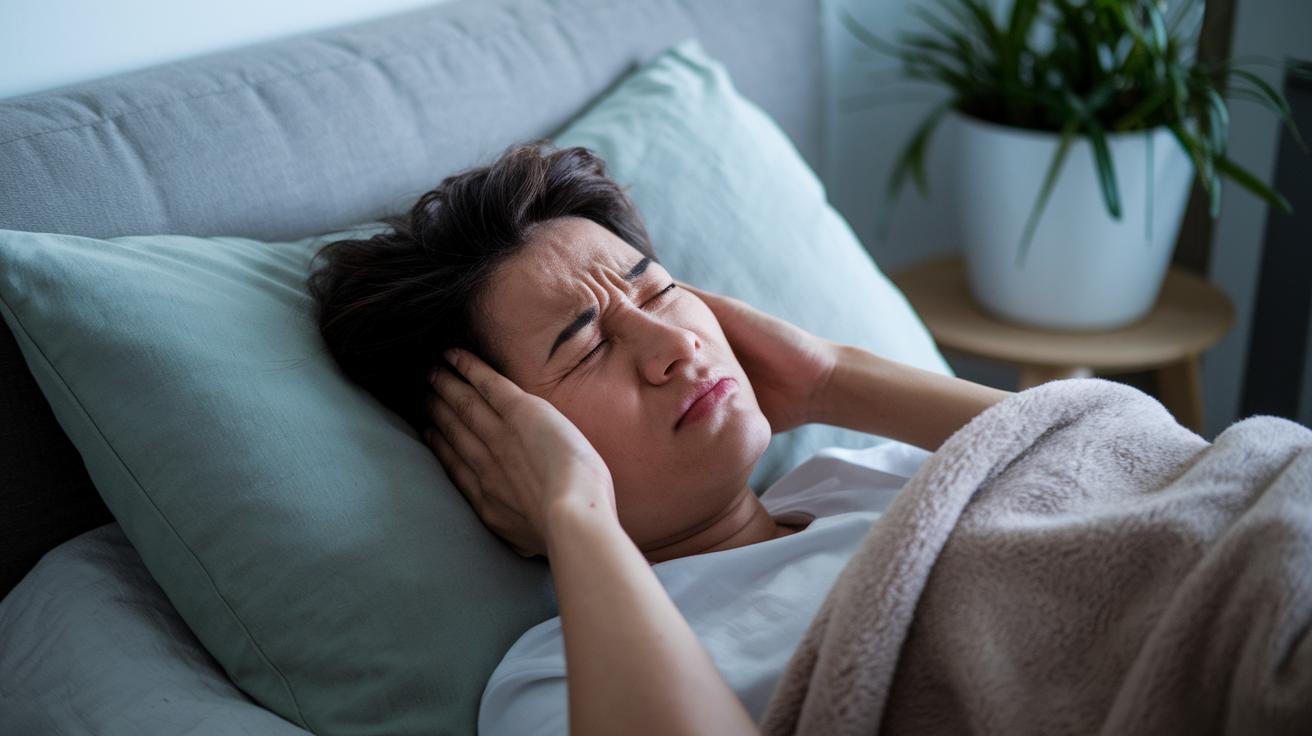

Quick Take: Head heaviness when you lie down often comes from changes in blood flow, tight muscles, or blocked sinuses.
If you have sudden severe pain, fainting, or trouble breathing, call emergency services now.
If the symptoms get worse, seek same-day medical advice.
Otherwise, try simple home care steps to ease the discomfort.
Many people notice that their head feels heavy when they lie down. This weight can happen because blood flow shifts, muscles in your neck stay tense, or your sinuses become blocked. It may seem strange that just changing your position can cause this feeling, but these triggers are common and can disturb your sleep.
Here are a few steps to help ease head heaviness:
• Adjust your pillow to keep your head slightly raised.
• Do gentle neck stretches to help relax tense muscles.
• Use over-the-counter sinus remedies (like a saline spray) if congestion is an issue.
By understanding what sets off this head pressure, you can take simple steps to relieve the discomfort and enjoy a more restful night. Track when the pressure happens and how strong it feels. If the problem keeps coming or gets worse, reach out to your clinician for advice.
Why You Experience Head Pressure When Lying Down
Quick Take: Head pressure when lying down is usually due to changes in blood flow, muscle tightness, or sinus drainage issues.
If you have any of these emergency signs, call emergency services now:
- Severe headache with vision changes
- Sudden confusion or drowsiness
If you notice any of these urgent symptoms, seek same-day medical help:
- Intense nausea or vomiting with head pressure
- Trouble breathing or unusual weakness
For mild or usual symptoms, keep an eye on them and follow safe self-care.
When you lie down, your body position changes and this can affect blood flow. When your head is level with your heart, gravity stops helping fluids drain like it does when you stand. That shift might make you notice head pressure you don’t feel during the day.
Lying down also increases blood flow to your head, which can make you feel full. Tight neck and shoulder muscles from poor sleep posture add extra pressure. Slow sinus drainage might cause congestion around your forehead and eyes. Each of these factors, more blood, muscle tension, and blocked sinus drainage, can work alone or together to create head pressure.
Common triggers include migraine attacks and sleep positions that strain your neck. For example, a pillow that does not support your neck well can worsen muscle tightness. By understanding these influences, you can start using strategies to ease the discomfort when you lie down.
Common Causes of Recumbent Head Pressure

Quick take: Head pressure when you lie down can come from several common issues. If you experience any severe or sudden symptoms, seek urgent care right away.
Triage Box:
• Red Flags: Severe, sudden headache; blurred or double vision; weakness or numbness; confusion.
• Urgent: Head pressure that gets worse or does not improve with home care.
• Watch and Self-Manage: Mild pressure that improves with rest, hydration, or simple remedies.
When you lie down, different factors may cause pressure in your head. Here are some common reasons:
-
Sinus Pressure: When your nasal passages are congested or inflamed, your mucus does not drain well. This buildup of pressure around your forehead and eyes often worsens when you lie flat.
-
Migraines: Migraines can cause a throbbing pain, usually on one side of the head. The pain may get worse in a reclined position as more blood flows to your head.
-
Tension Headaches: Tight muscles in your neck and shoulders from stress or poor posture can create a dull, steady pressure on both sides of your head. Lying down may make you more aware of this tension.
-
Sleep Apnea: This condition, which causes brief airway blockages during sleep, can lower oxygen levels. These episodes often trigger headaches at night or when you wake up and may add to the head pressure you feel while lying down.
-
Hypnic Headaches: These rare headaches, sometimes called alarm clock headaches, usually affect older adults. They may last for up to 1 hour at a time. A little caffeine before bed might help lessen the pain for some people.
-
Rebound Headaches: Overusing pain medications can lead to a pattern where you get more head pressure once the medicine wears off. This happens when your body adjusts to frequent doses.
-
Dehydration: Not drinking enough water makes it harder for your body to regulate blood flow. This can make head pressure feel more severe when you are lying down.
-
GERD: Acid reflux that occurs at night can sometimes trigger head pressure. Going to bed too soon after eating can allow stomach acid to cause discomfort that spreads upward.
These causes can work together, so more than one may be affecting you at once. Knowing what might be behind your head pressure is the first step in finding the relief you need.
Diagnostic Tips for Nighttime Head Pressure
Quick Take: Nighttime head pressure can mean different headache types.
If you have any of these emergency signs, severe pain, sudden vision changes, confusion, or weakness, call emergency services immediately.
When you feel head pressure at night, it helps to note the changes in your symptoms. For instance, throbbing pain with light or sound sensitivity on one side might mean you have a migraine. If your face feels heavy when you lie down, you could be dealing with sinus issues. A dull, all-over pressure paired with a tight neck often points to a tension headache.
Tracking your symptoms is very useful. Write down the time the headache starts, what kind of pain you feel, and any extra signs. A simple diary can show a pattern that helps you and your doctor understand your symptoms better. Keep your notes clear and stick to one action per line when possible.
Here are some tips to get started:
- Record the time when your headache begins, such as near midnight or when you wake up.
- Describe the pain. Is it throbbing, steady, or all over?
- Note any extra signs like sensitivity to light, sound, facial heaviness, or neck tightness.
- Check if the pain changes when you lie down versus when you sit up.
- If you ever feel severe pain, see changes in vision, confusion, or weakness, act now and call emergency services.
Taking these steps can help you figure out what might be causing your head pressure and decide if it’s time to see a doctor. Stay alert and take care of yourself.
head pressure when lying down: Find quick relief

Quick take: You can ease head pressure at home with simple treatments if no serious warning signs are present.
Triage Box:
• Call emergency services now if you experience sudden confusion, high fever (above 102°F), severe neck stiffness, or weakness.
• Seek same-day care if the pressure worsens or if new symptoms appear.
• Use these self-care steps for mild head pressure without red flags.
Many people find relief by mixing over-the-counter treatments with natural methods. Pain relievers like ibuprofen or aspirin (take as directed) can lower the discomfort. If a sinus issue is causing the pressure, a decongestant or antihistamine may help. Staying well-hydrated thins fluids, which can ease headache intensity. Simple natural methods such as acupressure and deep breathing can also reduce tension in your head and neck.
Here are some steps you can follow at home:
• Take an over-the-counter pain reliever (ibuprofen or aspirin) as directed to reduce pain.
• Drink plenty of water throughout the day to avoid dehydration.
• Use a saline nasal spray or try nasal irrigation to help clear your sinuses.
• Gently massage pressure points on your head and neck (acupressure) to relax tight muscles.
• Enjoy a small dose of caffeine about 30 minutes before bed to help ward off hypnic headaches.
• Stick to a consistent sleep routine with calming activities before bedtime.
Including these steps in your nightly routine may help break the cycle of head pressure. Take a few minutes each evening to prepare your body: take your medication if needed, sip some water, and try a brief acupressure session. Keeping a regular sleep schedule by going to bed and waking up at the same time every day can lead to better rest and less discomfort when you lie down.
Optimizing Sleep Posture for Pressure Relief
Raising your head when you sleep can lower pressure in your head. Lifting the top of your body about 30° helps clear your sinuses (air passages in your face) and stops blood from pooling. This little change can ease congestion and cut the strain of lying flat, so you can sleep more comfortably.
A good pillow makes all the difference. Pillows with orthopedic support keep your neck’s natural curve in place, reducing muscle strain and neck pressure. Whether you sleep on your back or your side, keeping your head and shoulders aligned prevents tension. The right pillow supports your spine and takes pressure off sensitive spots.
For extra relief, try simple tweaks in your sleep area. Add supports like folded towels or wedge pillows to boost your comfort. You might also switch sleep positions during the night or use an adjustable bed for steady benefit. Here are some steps to try:
- Raise your bed head by about 30°.
- Use an orthopedic pillow to support your neck curve.
- Alternate between sleeping on your back and side to lessen muscle pressure.
When Bedtime Head Pressure Warrants Medical Attention

Nighttime head pressure that doesn’t improve with your usual relief could be a sign that needs a closer look. Here are some extra details to help you understand when changes in your head pressure matter. If the discomfort feels different or you notice new, troubling signs, your body might be telling you to seek professional care instead of just managing it at home.
If you see signs like trouble speaking, weakness, or changes in vision along with your head pressure, it’s time to get advice from a healthcare provider. These pointers add to the red flag advice mentioned earlier. Let them guide you on when to call for help.
- Very sudden, strong pain that comes without warning.
- Changes in your vision or weakness that makes everyday tasks hard.
- A fever with head pressure or headache after an injury.
- Confusion, trouble speaking, or other signs of brain issues.
Final Words
In the action, you learned why head pressure can occur with a recumbent position. We covered how blood flow changes, muscle tension, and sinus congestion may contribute. We also broke down tips to track symptoms and home strategies to ease discomfort.
You now have clear steps to adjust sleep posture, use safe over-the-counter options, and spot red flags that require prompt care. Keep calm and follow the guidance to manage head pressure when lying down.
FAQ
How can head pressure while lying down be relieved?
Experiencing head pressure while lying down can be eased by adjusting your sleep position, using supportive pillows, staying hydrated, and managing congestion with over-the-counter remedies while practicing relaxation techniques.
What causes head pressure during pregnancy while lying down?
Head pressure during pregnancy when lying down may stem from hormonal changes, increased blood volume, and sinus congestion. Adjusting your sleep position and consulting your provider can help reduce discomfort.
Why does my head hurt when I lie down but not when I stand up?
Your head may hurt when lying down due to increased blood flow and muscle tension that build up in a recumbent position, while standing allows gravity to lessen the pressure.
Why does head pressure occur in different sleeping positions, like on the back or stomach?
Head pressure in various positions can result from poor posture, muscle tension, or sinus congestion. Lying on your back or stomach may alter blood flow and neck angle, increasing pressure in different ways.
What is a hypnic headache?
A hypnic headache is a rare type that occurs during sleep, often affecting older adults and lasting under one hour. A small caffeine dose before bedtime may sometimes ease the pain.
What are early warning signs of increased intracranial pressure?
Early warning signs include severe headache, nausea, blurred vision, and confusion. These symptoms indicate rising pressure inside the skull and warrant prompt medical evaluation.
When should I be concerned about head pressure?
You should be concerned if head pressure is persistent, worsens, or is accompanied by red-flag symptoms like sudden severe pain, vision changes, or weakness, as these may require urgent medical care.
Why does intracranial pressure increase when lying down?
Intracranial pressure can increase while lying down due to changes in blood circulation and pooling, which elevate pressure. Slightly elevating your head during sleep may help reduce this effect.
Why does my head feel like there is pressure in it?
Feeling head pressure can be due to sinus congestion, muscle tension, or changes in blood flow. Recognizing these triggers and making adjustments like changing posture or improving hydration can help lessen the sensation.