


Quick take: A small change in breathing or behavior can be a sign of an opioid overdose that needs immediate action.
If you see any of these emergency signs, call emergency services now:
• Very small pupils (tiny black spots in the eyes)
• Trouble breathing or gasping for air
• A limp body that does not respond
Opioid overdoses can happen suddenly. These signs are not just part of feeling high, they could mean a serious, life-threatening problem. Recognizing these clues lets you act fast to get help for yourself or a loved one until professionals arrive.
opioid overdose warning signs: Life-Saving Clues
Quick take: If you see these signs, act fast. They could mean an opioid overdose.
If you notice any of these emergency signs, call emergency services now:
- Breathing less than 8 times per minute
- Pinpoint pupils (very small)
- Unresponsiveness or inability to wake
- A limp, floppy body
- Choking or gurgling sounds
- Blue tint on skin, lips, or nails
Opioids can slow or even stop breathing quickly. When breathing slows down, the brain does not get the oxygen it needs. Brain cells can start dying within minutes without enough oxygen. These signs are not just about feeling high; they show that a life-threatening problem is happening.
When you see any of these signs, do not wait. Call emergency services right away. Stay with the person and keep them as safe as possible until help arrives. Remember, rapid action is key in an overdose situation.
Assessing Risk Factors for Opioid Overdose
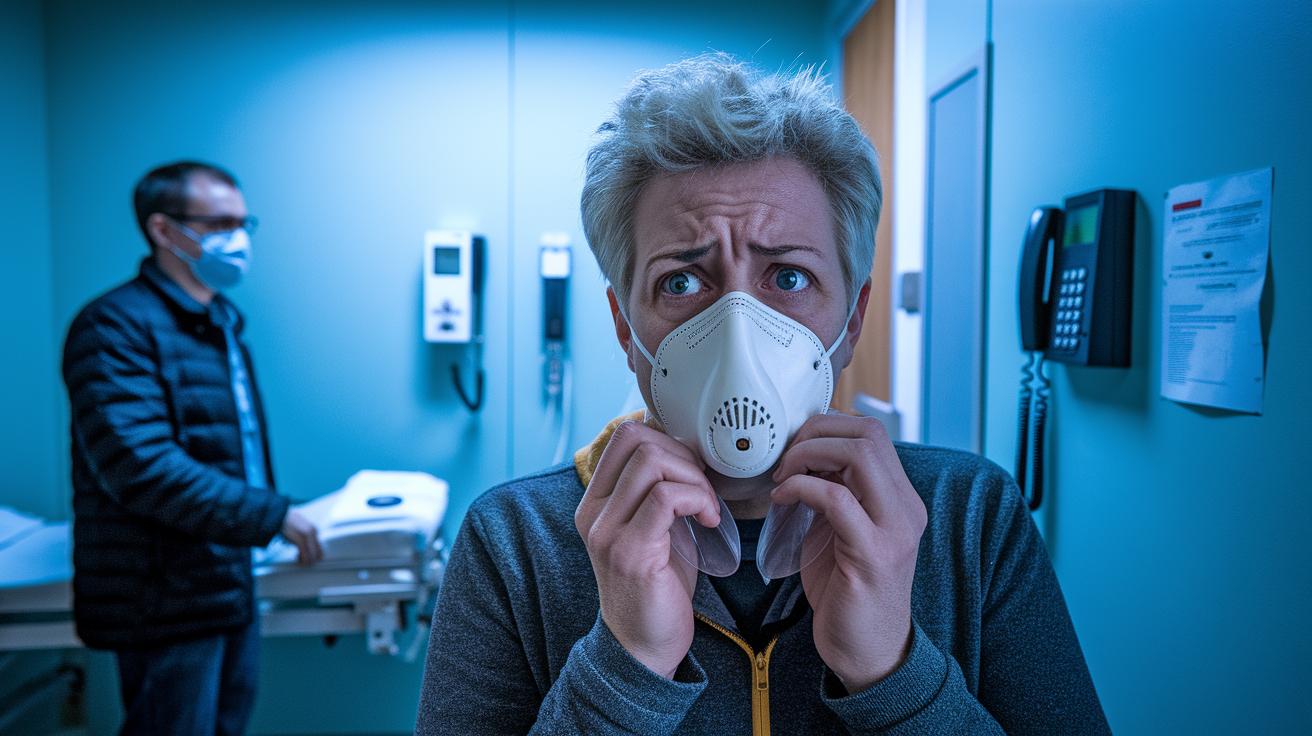
Quick take: Using opioids can be risky, especially if you have lung problems, a drop in tolerance, or mix them with other substances.
Triage:
If you experience any of these signs, call emergency services immediately:
• Trouble breathing or very slow breathing.
• Blue color around your lips or face.
• Unresponsiveness or severe drowsiness.
If you notice these issues, seek urgent care right away. For milder symptoms, monitor closely and avoid combining substances.
People who use opioids face risks whether they're new to the drug or have used it before. Conditions like COPD (chronic lung disease) or asthma (trouble breathing) make it harder for your lungs to cope when opioids slow your breath. Even a small drop in oxygen can lead to serious problems.
Your body builds tolerance (its ability to handle a drug) over time, but if you take a break, this tolerance can drop quickly. A dose that was once safe may now be too strong. This can catch even experienced users off guard, affecting breathing and heart rate.
Mixing opioids with other drugs is a common danger. Combining them with alcohol or benzodiazepines (calming medications) can slow or stop your breathing. Street opioids, especially those mixed with powerful drugs like fentanyl (a very strong opioid), add even more risk. Stay aware of these interactions and the possibility of unexpected potency to help avoid an overdose crisis.
Immediate Rescue and Reversal for Opioid Overdose
Quick take: In an opioid overdose, every second counts, act fast by calling 911 and following clear steps.
Call emergency services immediately if you suspect an opioid overdose. Every moment matters because delays can worsen breathing problems. Tell the 911 operator that you think the person is overdosing so they send help ready to handle this crisis.
If any of these signs are present, take immediate action:
- Call emergency services now if the person is unresponsive or not breathing.
- If the person shows blue lips or nail beds, act immediately.
- Ask bystanders for help and clear the area to ensure safety.
While waiting for help, check whether the person is breathing and keep them awake if possible. Treat every suspected overdose as life-threatening. Use a calm and direct tone to ensure everyone understands the urgency.
If you are trained and have the medication, administer naloxone (Narcan®) right away. Naloxone works by pushing opioids off the brain receptors, which helps restore normal breathing. If you have nalmefene, it can be used in a similar way. Read and follow the medication instructions carefully. If the person does not respond, repeat the naloxone dose every 2–3 minutes. Every minute without oxygen can lead to serious brain damage.
After giving the medication, help the person move into a recovery position to keep their airway open and lower the risk of choking. If you are trained, start rescue breathing and watch for any changes in their condition. Stay with the person, keep talking to them, and be prepared to restart rescue efforts if needed. Quick, correct actions can reverse respiratory failure and save a life.
Harm Reduction Strategies to Prevent Opioid Overdose

Quick take: Community-based harm reduction helps keep lives safe by offering practical tools and training.
If you see someone overdosing or suspect a risk, call emergency services immediately. If you’re nearby, know these simple actions can save a life.
Community outreach brings proven help like syringe exchange programs and supervised consumption sites. These efforts offer safe spaces to use drugs under supervision and help lower the risk of deadly overdose.
Many groups now offer quick training on how to respond if someone overdoses. These bystander courses show you simple, everyday actions to help someone in need.
Across the country, harm reduction programs provide fentanyl testing strips. These tools help you check drugs for dangerous additives. They also improve access to medications like buprenorphine and methadone (medications that help reduce opioid cravings). Together, these steps lower the chance of overdose.
Local programs mix these harm reduction methods with community training to share best practices. Families and bystanders get support from resources such as Caregiver Support Resources (https://spiritsocietyofpa.com?p=141), helping everyone feel prepared in an emergency.
These initiatives show that overdose prevention is a shared community care effort. With the right tools and clear, practical education, neighborhoods can act faster to stop tragedies and make the area safer for everyone.
Post-Overdose Care and Support for Recovery
Quick take: After an overdose is reversed, you need quick medical checks and guidance for recovery.
If you have any emergency signs, call emergency services now:
• Trouble breathing
• Irregular or fast heart rate
• Extreme confusion or sudden change in alertness
Right after your overdose is treated, medical professionals will check your vital signs, mental status, and overall condition. They do this to catch any problems early because complications can still happen after the initial turnaround. You might be watched for changes in breathing or heart rate for several hours.
Once you’re stable, linking you with the right treatment is key to lowering future risks. Often, your doctors will guide you to programs for opioid use disorder treatment. This may include detox or rehab centers where experts help you set up a long-term plan for recovery. At this point, you might also receive a take-home naloxone kit and clear steps on what to do if you have another emergency.
Long-term, preventing relapse is essential. You’ll benefit from a personalized safety plan, counseling, and support groups. A strong network with family and community resources will help you stay alert and reduce the chance of another overdose. These supports work together to give you a steady path toward recovery.
Final Words
In the action, you explored how to recognize critical indicators such as slowed breathing and unresponsiveness. You learned to assess risk factors, provide immediate rescue with naloxone, and use harm reduction tools effectively. The guide highlights opioid overdose warning signs and outlines steps to secure care and safety. Follow these clear, actionable tips for a quick and focused response. Taking prompt action can make a crucial difference and lead to positive, life-saving outcomes.
FAQ
What are 5 signs and symptoms of an opioid overdose?
The five signs and symptoms include slow or halted breathing, pinpoint pupils, unresponsiveness, a limp body, and bluish skin, lips, or nails, all of which signal a life-threatening emergency.
What are the three main signs and symptoms of a drug overdose?
The three main signs of a drug overdose are reduced or absent breathing, loss of consciousness, and abnormal skin color (such as a bluish tint), indicating severe toxicity that needs immediate care.
What are the six symptoms of an overdose?
The six symptoms of an opioid overdose are respiratory depression, pinpoint pupils, inability to wake, a limp body, audible choking or gurgling sounds, and bluish skin, lips, or nails, all marking urgent danger.
What are the four most common signs of opioid abuse?
The four common signs of opioid abuse include noticeable mood changes, altered behavior, drowsiness, and constricted pupils, which together suggest ongoing misuse and potential health risks.