
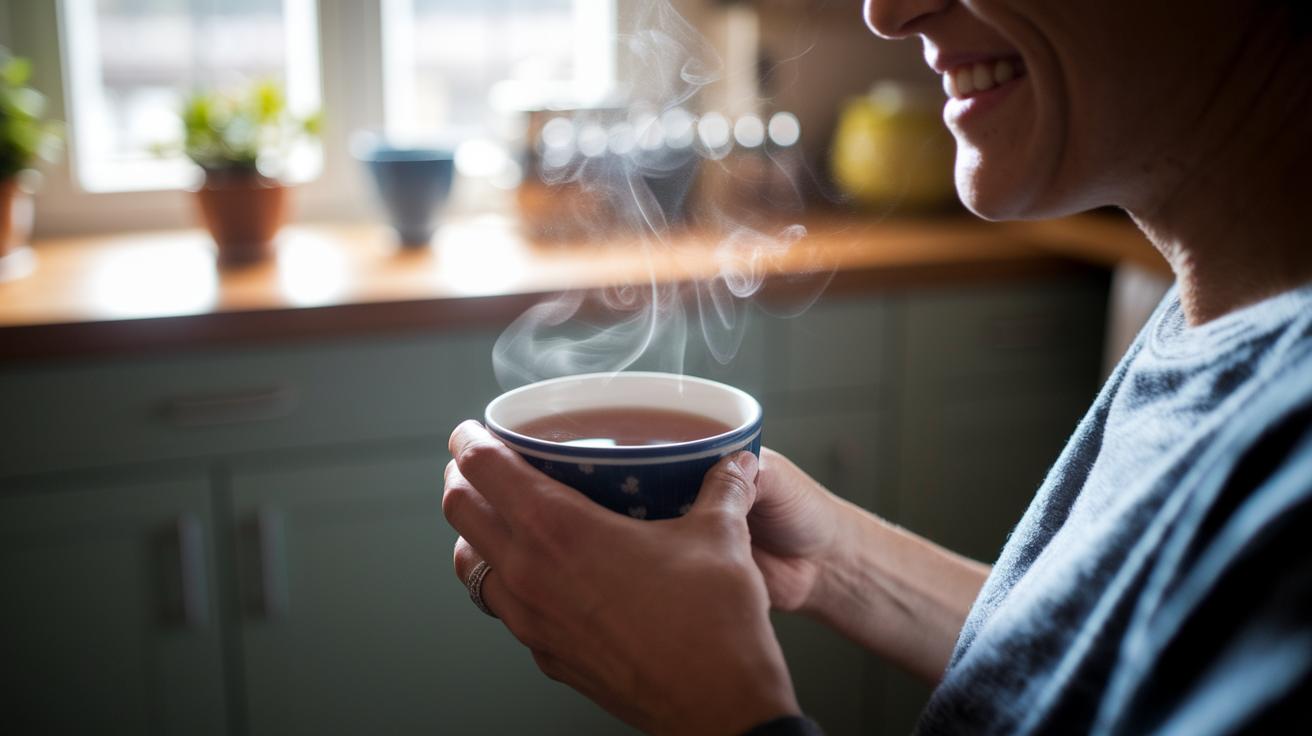

Quick take: Most cold symptoms can be eased at home using natural remedies. If you notice a high fever (above 102°F), trouble breathing, or chest pain, call emergency services now.
Many people find relief by using simple home tricks that work with your body’s natural defenses. For example, a warm drink of honey-lemon water can soothe your throat, while a saltwater gargle may help ease soreness and clear congestion.
Here are some easy steps to help you feel better:
• Drink warm liquids often.
• Gargle with saltwater several times a day.
• Rest and allow your body time to heal.
• Monitor your symptoms and note any changes.
These age-old methods are a safe way to reduce discomfort without spending money on expensive medicines. Follow these steps and track how you feel. If your symptoms worsen or you develop any red flags, be sure to seek medical care.
Reviewed by Dr. Jane Smith, MD – Last reviewed: 10/2023
Effective DIY Home Remedies for Cold Symptom Relief
Quick take: Simple home solutions can help ease your cold symptoms while your body fights the virus.
Your cold usually lasts 5–10 days and tends to feel worst around days 2–3. Natural remedies have been used for ages to ease symptoms and support your immune system (your body’s natural defense). These methods work by calming swelling, soothing a sore throat, clearing congestion, and keeping you well-rested and hydrated.
• Warm honey-lemon water: Mix 1 tablespoon honey and 1 tablespoon lemon juice into 8 ounces of warm water. Drink it 2–3 times daily to help fight germs and cut inflammation.
• Saltwater gargle: Stir 1 teaspoon salt into 8 ounces of warm water. Gargle twice daily to relieve a sore throat and reduce throat swelling.
• Ginger infusion: Boil 2-inch pieces of fresh ginger in 2 cups water for 10 minutes. Strain and sip 1 cup up to 3 times daily to tap into ginger’s antiviral and anti-inflammatory effects.
• Steam inhalation: Breathe in steam from hot water for 5–10 minutes, 2–3 times daily. This helps loosen mucus and open up your nasal passages.
• Rest and hydration: Aim for 7–9 hours of sleep each night and drink 8–10 cups of fluids daily to support your immune response and speed recovery.
Mix these methods for better relief, and always use them carefully along with any prescribed medications. Listen to your body and rest as you recover.
Hydration and Rest as Core Home Cold Treatments
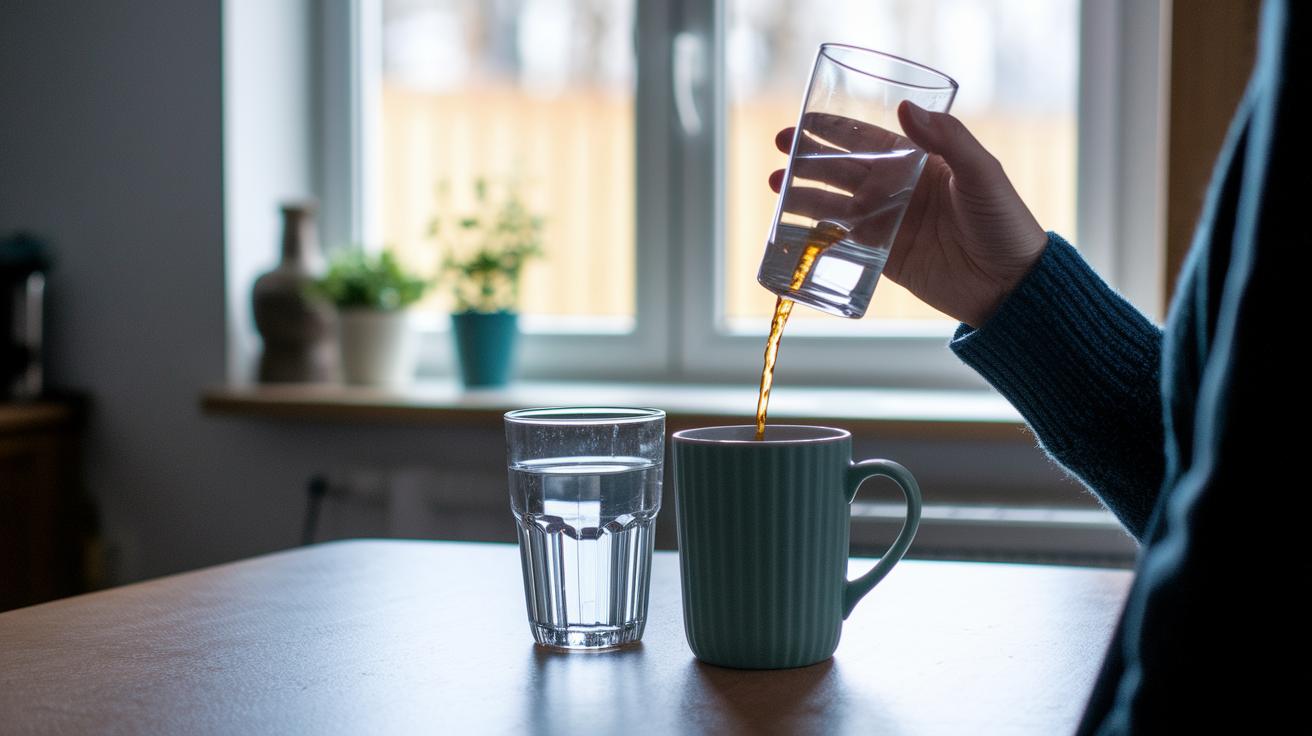
Quick take: Stay well-hydrated and get plenty of sleep to help your body fight a cold.
If you have severe symptoms like shortness of breath or high fever, call emergency services now. If your cold gets worse or doesn’t improve after a few days, seek same-day medical care.
Drink plenty of fluids to soothe your throat and help thin mucus. Aim for 8–10 cups of water, 4–6 cups of herbal tea, and 2–3 cups of broth each day. These drinks keep your airways moist and make it easier for your body to clear out irritants.
| Type of Fluid | Daily Volume | Key Benefit |
|---|---|---|
| Water | 8–10 cups | Stays hydrated; thins mucus |
| Herbal Tea | 4–6 cups | Antioxidants and throat comfort |
| Broth | 2–3 cups | Electrolytes and warmth |
Rest is just as important. Aim for 7–9 hours of sleep each night to boost protein production (the body’s way of fighting infection). By pairing good sleep with proper fluid intake, you help your body clear symptoms and recover faster.
Warm Herbal Home Remedies and Spiced Beverages for Cold Relief
Quick take: Warm drinks can ease cold symptoms and bring comfort, if you have severe symptoms, seek help immediately.
If you have any of these emergency signs, call emergency services now:
- Difficulty breathing or shortness of breath
- Sharp chest pain
- Confusion or inability to stay awake
For urgent concerns, contact your clinician if you experience a high fever (over 102°F) or severe discomfort. Otherwise, use these steps for home care and monitor your progress closely.
Warm beverages help soothe a sore throat, ease inflammation, and clear your sinuses. They offer a gentle, comforting feel similar to a ginger infusion, but here’s a different way to help relieve your cold.
Turmeric Milk for Anti-Inflammatory Support
- In a cup (about 240 mL) of milk (dairy or plant-based), mix 1 teaspoon turmeric.
- Warm the mixture gently.
- Whisk in ½ teaspoon cinnamon and a pinch of black pepper. This helps your body absorb curcumin (the active part in turmeric that fights inflammation).
- Optionally, stir in 1 teaspoon honey for its natural antibacterial benefits.
- Drink it warm within 30 minutes for the best soothing effect.
- If you prefer a spicier taste, add a little extra cinnamon for extra comfort.
Always keep your dietary needs in mind. And if you notice any unexpected reactions, check with your clinician right away.
Home Remedies: Natural Nasal Decongestant Techniques
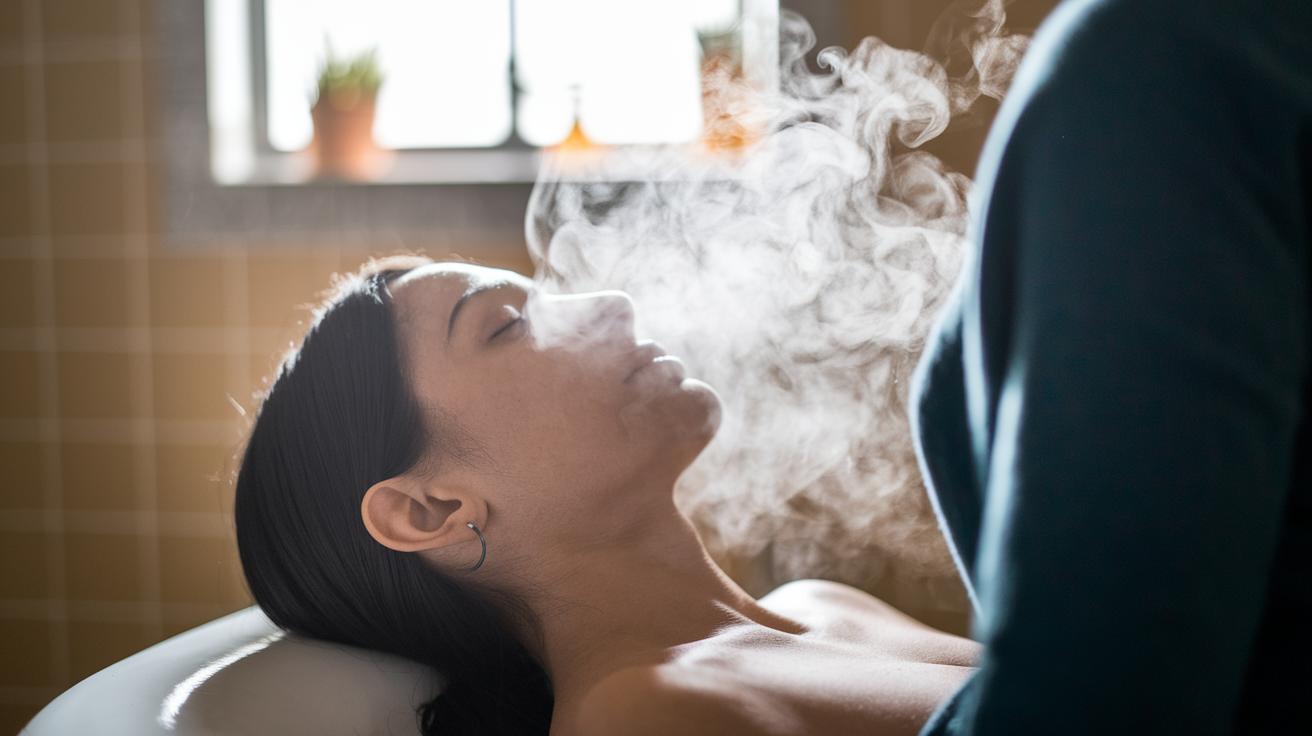
Steam inhalation with eucalyptus oil can help open your nasal passages by loosening mucus. Add 2-3 drops of eucalyptus oil to 1 quart of hot water. Breathe in the steam for about 5 minutes, and do this twice a day. Remember, the water should be hot enough to produce plenty of steam but not so hot that it burns you. Keep a safe distance from the water while you inhale.
A saline nasal wash helps clear your nose by thinning mucus and flushing out irritants. Mix 1 teaspoon of salt with 0.5 teaspoon of baking soda in 8 ounces of distilled or cooled boiled water. Gently rinse your nasal passages once a day. This simple rinse can help keep your nose moist and clear, reducing congestion.
A garlic and honey nasal rinse may offer a natural way to soothe nasal irritation. Crush one clove of garlic and stir it into 1 teaspoon of honey dissolved in warm water. Use this mixture for a gentle nasal rinse once a day. It might help calm irritation and provide a mild antimicrobial boost, so use it sparingly.
Home Remedies: Nutrient-Rich Foods and Supplements to Speed Cold Recovery
Vitamin C is a strong helper for your immune system when you have a cold. Adding foods rich in vitamin C to your meals can boost your body’s defenses. For example, one orange gives you about 70 mg of vitamin C, grapefruit gives 90 mg, and bell peppers offer around 95 mg per serving. These fruits and vegetables help your immune cells work better and provide antioxidants that keep inflammation low.
Zinc is another important nutrient for fighting a cold. Zinc lozenges that supply 13 to 23 mg of zinc can be taken every 2 to 3 hours during the first day of symptoms. This may cut your cold’s duration by about one day. You can also try an anti-inflammatory tonic for extra support. Mix 1 tablespoon of honey with 1/2 teaspoon of turmeric in 2 ounces of warm water, then drink it once a day. Honey acts like a natural antibiotic, and turmeric contains curcumin, which helps fight inflammation.
Traditional Herbal Home Remedies and Age-Old Cold Defenses
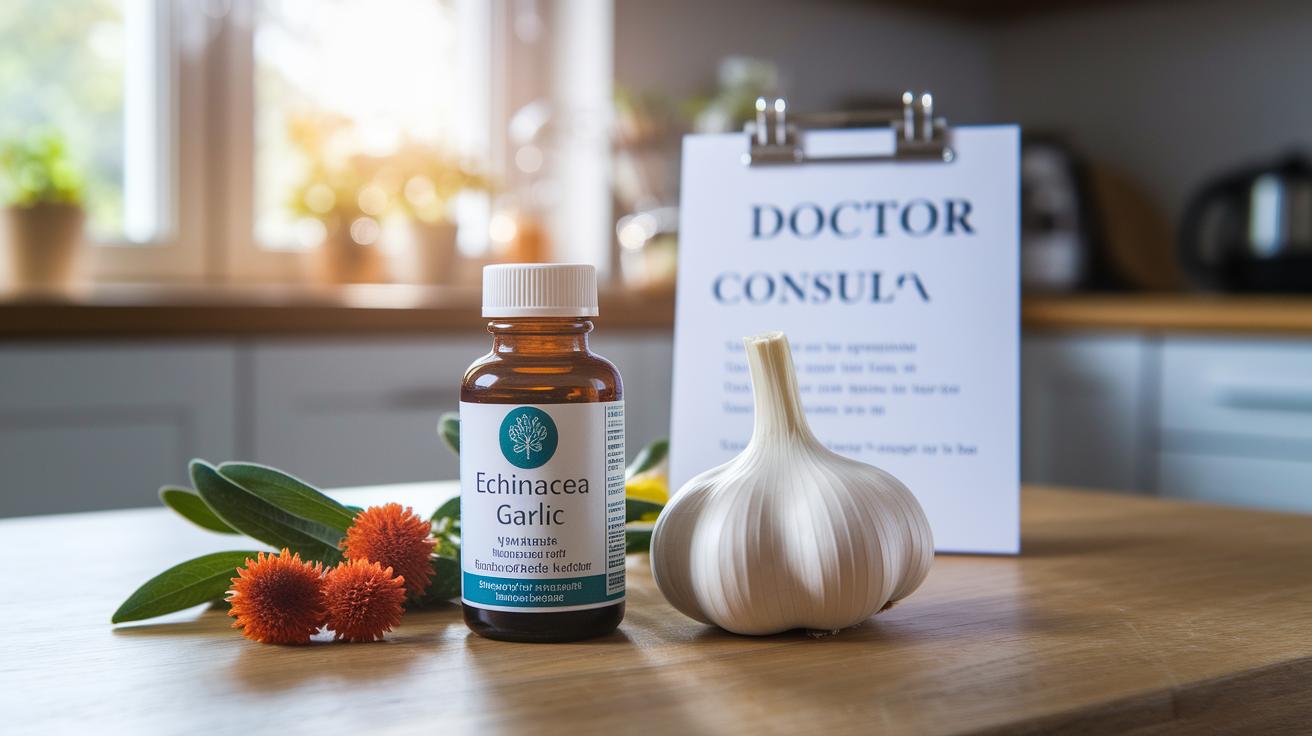
Quick Take: Herbal remedies like Echinacea and Garlic may ease cold symptoms, but use them safely if you have certain health risks.
Triage Notes:
• If you have autoimmune issues, skip Echinacea.
• If you're on blood thinners or have clotting concerns, check with your doctor before using Garlic.
Echinacea is a popular herb that can boost your immune system (your body's defense against illness). Studies show that taking a 300 mg capsule or tincture twice a day might help cut down cold severity and duration. You can also make echinacea tea by steeping 1 teaspoon of dried herb in 8 ounces of hot water for 10 minutes. However, if you have autoimmune problems, talk with your clinician first.
Garlic is another time-tested remedy known for its mild antiviral power. Many people use 1 to 2 raw cloves daily or take 300 to 1000 mg of allicin capsules to help ward off cold symptoms. Its natural ingredients might ease inflammation and fight infection. Just be careful: garlic can affect blood clotting, so if you have clotting issues or are on blood-thinners, check with your doctor before using it.
For all herbal remedies, always use products from trusted sources and stick to the recommended dosages. Track any changes in how you feel, and stop use if you notice any bad reactions. Combining these natural methods might help you manage cold symptoms better, but your safety is the priority.
Identifying Cold Warning Signs: When to Consult a Doctor
Quick take: Serious cold symptoms need quick attention.
Triage Box:
- Call emergency services now if you have:
- A fever over 101.3°F lasting more than 3 days
- Severe shortness of breath
- Chest pain
- Also, watch for:
- Symptoms that get worse after day 7
- Signs of dehydration (dry mouth or little urine)
- Changes in mental status (confusion or drowsiness)
Most colds last between 5 and 10 days. If you see any of these red flags or your condition does not improve, contact your healthcare provider right away. Even if you are using home remedies, trust your body’s signals and seek professional advice without delay.
Final Words
In the action, we reviewed easy DIY approaches to ease your cold symptoms. We discussed warm drinks like ginger infusion and turmeric milk, the benefits of good hydration and sleep, effective nasal decongestants, and nutrient-rich foods along with traditional herbal options. The guide also highlights key warning signs that call for medical attention. Use these tips and a trusted home remedy for a cold as part of your overall strategy. Stay proactive about your health and keep a hopeful outlook as you manage your recovery.
FAQ
How can I cure a cold fast overnight, in 24 hours, or even in one day?
The question about curing a cold quickly means that no home remedy provides an instant cure. Natural methods like warm honey‐lemon water, steam inhalation, and rest can ease symptoms faster but full recovery still takes time.
How can I get rid of a cold in 5 minutes?
The question on eliminating a cold in 5 minutes shows that while no remedy clears a cold instantly, actions like a short steam inhalation may provide quick, temporary relief for congestion.
What are effective home remedies for cold, sneezing, and cough?
The question about home remedies for cold, sneezing, and cough suggests using methods such as a saltwater gargle, ginger infusion, and proper hydration to alleviate the different symptoms and support your recovery.
Is ginger good for colds?
The question regarding ginger and colds means that fresh ginger is beneficial. When brewed as tea, it offers antiviral and anti-inflammatory effects that help soothe a sore throat and reduce congestion.
Does lemon water help with a cold?
The question about lemon water shows that combining lemon with warm water (and sometimes honey) provides soothing relief and vitamin C, which supports your immune system during a cold.