
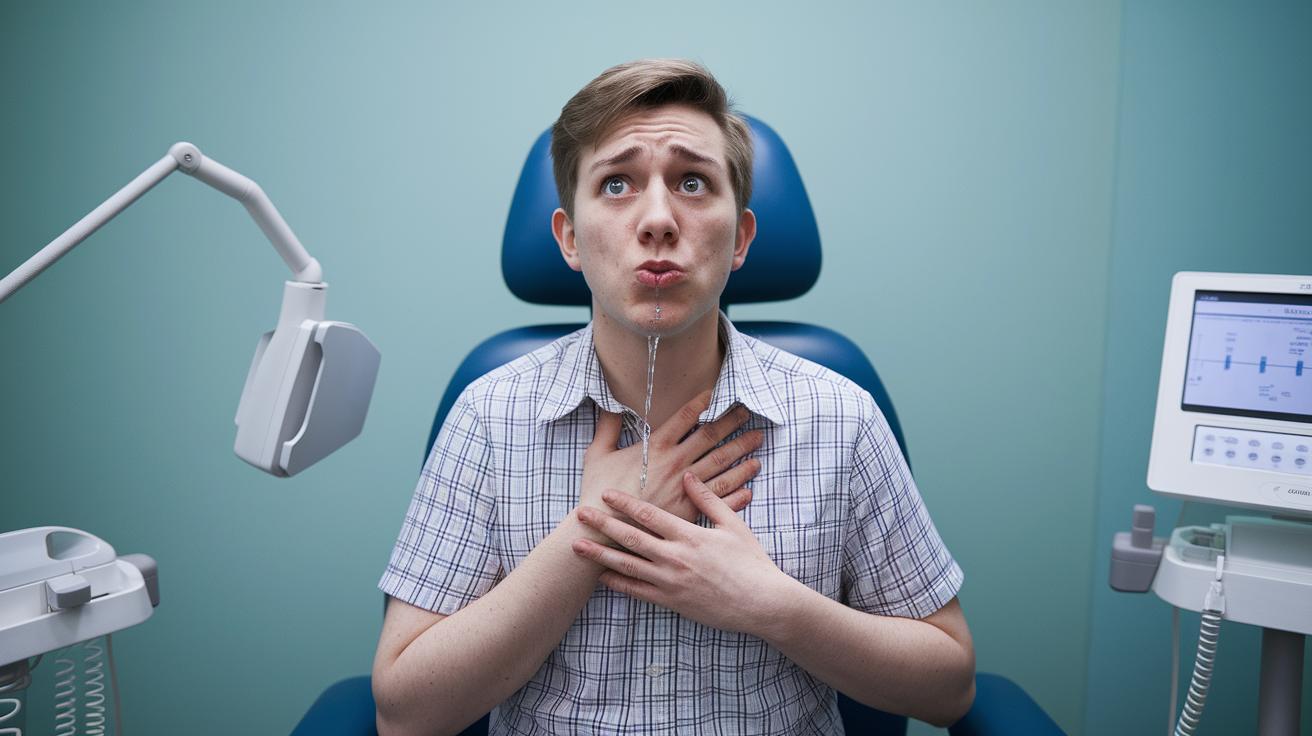

Quick take: Sharp, burning chest pain when swallowing might be a minor irritation or a sign that needs medical attention.
If you experience any of these emergency signs, call emergency services now:
• Pain that lasts longer than a few minutes
• Difficulty breathing or severe swelling
If your pain worsens or you feel very uncomfortable, seek same-day medical help. For mild, short-lived discomfort, monitor your symptoms and follow these steps:
• Note when the pain happens and its intensity (mild, moderate, or severe)
• Record any other signs you feel alongside the pain
• Reach out to your clinician if the pain does not improve within 3 days
You might feel a sharp, burning pain while swallowing and wonder what it means. At first, it may seem like a reaction to hot food or a big bite. However, this discomfort can sometimes point to an issue in your esophagus (the tube that connects your mouth to your stomach).
In this guide, we explain common causes, from mild irritation to conditions needing urgent care, and offer clear steps to help you decide when to act. Keep track of your symptoms, and if red flags appear, don’t wait to get help. Your safety is our main concern.
Chest discomfort when swallowing: immediate overview of causes and next steps
Quick take: Swallowing pain may be a brief irritation or signal a more serious condition.
Triage box:
• Call emergency services now if you have severe chest pain, trouble breathing, or feel faint.
• Seek same-day care if the pain worsens or you experience repeated episodes.
• Monitor your symptoms and track when the pain happens.
You might notice pain when you swallow for a variety of reasons. Sometimes, eating food that is too hot or taking a very large bite can irritate your esophagus (the tube that moves food from your mouth to your stomach). This reaction is often short-lived. Still, it can also point to something more serious.
Common reasons include esophagitis (inflammation from acid or infection) and acid reflux (when stomach acid irritates your esophagus). Other causes can be a hiatal hernia (when part of your stomach pushes through your diaphragm), esophageal strictures (narrowing from scarring), or problems with how the muscles in your esophagus work (motility disorders).
Less often, the pain may be due to eosinophilic esophagitis, Crohn’s disease (inflammation that can affect the esophagus), or even esophageal cancer. If you keep having pain when swallowing, it’s important to get checked by a professional soon. Keeping a simple symptom tracker can help you note when the pain occurs, how long it lasts, and its severity. Spotting these signs early can make a big difference in your treatment.
Common conditions driving chest discomfort when swallowing

Quick take: Chest discomfort when swallowing often comes from esophagus irritation and can include burning, aching, or a tight feeling. Act now if you have trouble swallowing liquids, severe pain, or notice blood.
Triage:
• Red flags: Trouble swallowing liquids, severe chest pain, or blood in spit – call emergency services.
• Urgent: Persistent pain, weight loss, or worsening symptoms – seek same-day medical care.
• Monitor: Occasional discomfort after meals without other serious symptoms – track what you feel and discuss with your doctor if it continues.
When food or drink causes a blockage-like feeling or pain, it may mean your esophagus (the tube that carries food to your stomach) is irritated. Several issues can cause this irritation when liquids or food pass through, and they might feel like burning, aching, or a tight pressure.
• Esophagitis: Inflammation (swelling) caused by irritants such as stomach acid or infections.
• Drug-induced esophagitis: Some medications can hurt your esophagus if you don’t take enough water or lie down immediately after taking them.
• Gastroesophageal reflux: Acid from your stomach flows back into the esophagus, causing a burning sensation.
• Hiatal hernia: A part of your stomach pushes up near your chest, leading to discomfort during meals.
• Esophageal strictures: Scarring can narrow the esophagus, making swallowing painful.
• Motility disorders: Issues like achalasia or esophageal spasms (irregular muscle movements) can slow down food passage.
• Eosinophilic esophagitis and esophageal Crohn’s: These involve immune cells causing inflammation and damage in the esophagus.
These conditions can share similar signs. It’s important to have a doctor review your symptoms to find out what’s causing your discomfort and to guide the right treatment.
Recognizing urgent warning signs in chest discomfort when swallowing
Quick take: If you experience these symptoms, seek immediate care.
If any of these emergency signs appear, call 911 right away:
- Sudden, sharp tearing pain may mean your esophagus has torn.
- Fast, unexplained weight loss could signal a worsening health issue.
- Vomiting or spitting blood suggests bleeding in your esophagus.
- Trouble swallowing liquids or food may indicate a serious blockage.
- New chest tightness or breathing problems could put your airway at risk.
Act now if you notice these signs. Stay alert and get help quickly.
Diagnosing chest discomfort when swallowing: tests and evaluation

Quick Take: A careful exam and a few key tests help your doctor decide if your pain comes from your heart or your esophagus.
Triage Box:
• If you feel severe chest pain that comes with trouble breathing, pain spreading to your arm or jaw, or you feel faint, call emergency services now.
• If your pain is less intense, see your clinician for the right tests and follow their advice.
Your doctor will first ask you detailed questions. They want to know when your pain started, how strong it feels, and what seems to make it worse. This conversation helps figure out if the pain might be from the heart or the esophagus (the tube that moves food from your mouth to your stomach). They also examine your chest and belly while checking your heart rate and blood pressure to rule out sudden heart problems.
Next, your doctor might suggest a few tests. An upper endoscopy uses a small, lighted camera on a tube to look inside your esophagus and stomach. This helps spot swelling, ulcers, or other injuries. A barium swallow test makes you drink a special liquid that shows up on X-rays so the doctor can see how your esophagus moves and looks. Esophageal manometry records the muscle movements in your esophagus and can spot issues like motility disorders (problems with how your muscles push food down). A pH monitoring test checks how much acid touches the inside lining and for how long, which may indicate acid reflux.
If any test shows a serious problem, your clinician may refer you to a specialist. This step-by-step process makes sure every possible issue is looked at so you can get the care you need.
Treatment and home-care strategies for chest discomfort when swallowing
Quick take: Treatments focus on lowering stomach acid and calming muscle spasms, while home-care steps help prevent further discomfort.
Triage Box:
- If you have severe pain, trouble breathing, or a high fever, call emergency services now.
- If your symptoms worsen or you notice blood in your spit or vomit, seek same-day medical care.
- If the pain is mild, monitor your symptoms and follow these home-care tips.
Medical therapies
Your doctor will first work to treat the cause of your pain. They may prescribe medicines to lower stomach acid and ease irritation in your esophagus. This can include proton pump inhibitors (drugs that reduce stomach acid) or H2 blockers (another type of acid reducer). If the lining in your esophagus is sore, a protective coating like sucralfate or a topical anesthetic (a numbing medicine) may be used. For chest pain caused by muscle spasms, spasmolytics (muscle relaxants) might help calm the contractions.
Think of these medicines like turning down a loud volume switch in your stomach. They reduce irritation and support healing. Your doctor may adjust the dose or mix different medications based on how you respond.
Home self-care and diet modifications
Along with your prescriptions, there are simple steps you can take at home. Eat smaller, lukewarm meals instead of very hot or spicy foods. Soft foods such as mashed or pureed items can protect your esophagus from further harm.
You might also try a cup of chamomile tea or aloe vera juice for a natural, soothing effect. Over-the-counter antacids can bring quick relief if you feel a burning sensation. Other useful tips include chewing gum after meals and doing deep breathing exercises to help relax your esophageal muscles.
Keep a diary to track what you eat and how you feel. Write down the time, what you ate, and your pain level. This can help you notice patterns and guide discussions with your doctor.
By combining these medical treatments with practical home-care steps, you can work toward reducing both the frequency and intensity of your discomfort. Regular monitoring and small daily changes can bring lasting relief.
Preventing chest discomfort when swallowing: lifestyle and diet tips

Quick take: Mild swallowing discomfort is often linked to your diet, sleep, or stress, making small changes can help.
If you have any of these emergency signs, call emergency services now:
- Severe chest pain
- Difficulty breathing
- Fainting or sudden weakness
If you notice your discomfort worsening quickly, seek urgent care. Otherwise, follow these self-care steps:
• Avoid irritants. Cut back on caffeine, alcohol, spicy foods, and acidic foods that can upset your esophagus.
• Plan low-acid meals. Eat smaller portions, chew your food well, and steer clear of eating late at night to help ease reflux.
• Improve your sleep setup. Elevate your head by 6–8 inches using extra pillows or an adjustable bed, and try sleeping on your left side to keep stomach acid where it belongs.
• Ease stress. Incorporate stress management like deep breathing, short walks, or gentle stretches to relax your muscles.
Keep a record of your symptoms and note which foods or habits seem to trigger discomfort. Tools like the reflux symptom index (a checklist to track reflux signs) can help you spot patterns and decide on the best lifestyle changes.
Final Words
In the action, this guide reviewed common causes and next steps for chest discomfort when swallowing. It explained how issues like esophagitis, reflux, and motility disorders can create pain and detailed warning signs that mean you need prompt care.
We covered diagnostic tests, available treatments, and practical home-care tips like gentle dietary changes and stress management. Track your symptoms closely and share these details with your clinician for tailored help.
Stay proactive and keep your health in focus.
FAQ
How can I get rid of chest pain when swallowing and what home remedies are available?
The chest pain when swallowing can be eased by small, lukewarm meals, soft foods, herbal teas like chamomile, and over-the-counter antacids. Changing your diet helps, but persistent pain means you should see a doctor.
How does chest pain when swallowing affect breathing deeply?
The chest pain that occurs with deep breathing may signal increased esophageal irritation. This combination of symptoms warrants prompt medical assessment if the discomfort worsens or is accompanied by other concerning signs.
What is esophagitis and how does it cause chest pain when swallowing?
Esophagitis is inflammation of the esophagus that leads to chest pain during swallowing, often due to acid reflux, infections, or medications. Treatment usually involves medications and dietary changes to reduce irritation.
Why does my chest or esophagus hurt when I swallow water or food, causing a weird discomfort?
The chest or esophageal pain when swallowing water or food typically results from irritation, acid reflux, or minor injury to the esophagus. Monitoring your symptoms and discussing them with a clinician helps determine the exact cause.
What are the signs of a damaged esophagus?
Symptoms such as sharp pain, bleeding, trouble swallowing liquids or solids, and unexpected weight loss may indicate a damaged esophagus. These signs mean you should promptly seek medical care for further evaluation.
Does esophagitis go away on its own?
Esophagitis seldom resolves without treatment. While mild cases might improve over time, recurrent or severe symptoms need proper medical guidance and treatment to prevent complications.
When should I worry about chest pain in pregnancy related to swallowing?
If chest pain during pregnancy happens with swallowing and comes with severe pain, difficulty breathing, or bleeding, you should seek immediate medical advice. Early assessment is key to ensuring you and your baby stay safe.