


Do you feel like your chronic care plan might be missing a key tool? A personal health toolkit helps you track your medications, mood, and daily routines easily. With your care team supporting you, you can set up a simple plan that prevents missed doses and appointments. Try a few easy changes to turn daily challenges into steady progress and improve your overall well-being.
Core Elements of a Personalized Health Toolkit for Chronic Conditions
Quick take: A clear, simple toolkit helps you manage your chronic condition every day.
Triage:
• Red flags: If you often miss doses or appointments, talk to your care team right away.
• Urgent: If your symptoms change or worsen, seek advice from your provider.
• Watch and self-manage: Use your toolkit daily to track medicines, mood, and lifestyle.
A personalized health toolkit gives you a simple plan to manage your condition. It lays out everyday tasks and longer-term steps in clear, easy words. This plan covers your medicines, your mental and social needs, and even your future care wishes. Without it, you might miss a dose or an appointment, which can add extra worry to your day.
You build the toolkit together with your care team. They work with you to create a plan that covers everything from managing prescriptions to scheduling mental health check-ups. Your provider uses the toolkit to meet your personal goals and may update it during yearly wellness visits. For example, if you want to change a habit, your provider might suggest replacing soda with water, a small tweak that can boost your overall health.
When you know exactly what to do each day, stress can go down. Clear steps, like doing chair exercises when outdoor walking isn’t safe or setting reminders for your medicines, make it easier to stick to your plan. A goal such as having one less soda each day gives you a simple and achievable change that adds up over time.
| Toolkit Part | What It Does |
|---|---|
| Medication Planner | Tracks when and how to take your medicines |
| Symptom Tracker | Records changes in your condition and symptoms |
| Lifestyle Guidance Module | Offers tips for exercise, eating, and daily routines |
| Mental Health Check-ins | Helps you keep track of your feelings and stress levels |
| Resource Locator | Lists helpful contacts and services for support |
| Update Schedule | Reminds you to review and adjust your plan as needed |
| Device Integrations | Connects to tools like fitness trackers for extra help |
Leveraging Digital Tools in Your Personalized Health Toolkit
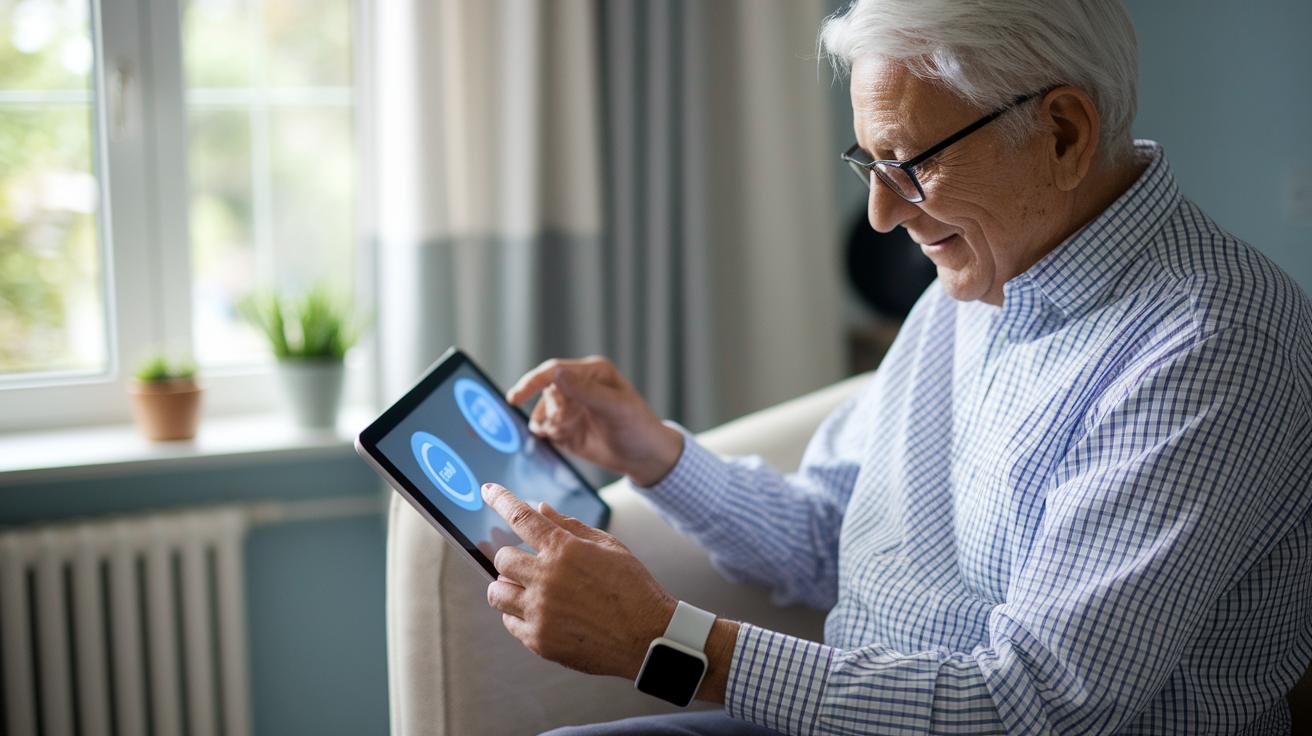
Digital care assistants and remote monitoring systems work together to watch your health in real time. They remind you to take your medications and track your daily activities. These tools automatically save your data and alert you if something doesn't seem right. This way, you stay on track with your care plan even when you’re not with your clinician.
Wearable trackers add extra help by checking your vital signs throughout the day. Devices like heart rate monitors and activity trackers record changes all the time, so you don't need to write anything down. For example, a sudden change in your heart rate can prompt you to contact your healthcare provider sooner.
Health dashboards gather all your data into clear, easy-to-read reports. These reports show trends over time so you and your provider can see what is working and what might need a change. By looking at these insights during appointments, you can adjust your care plan quickly and manage your condition in a safer, more efficient way.
Customized Symptom Tracking for Effective Chronic Condition Management
Quick take: A daily symptom diary helps you notice changes in your health and share clear details with your care team.
If any of these symptoms get worse suddenly, call your provider right away:
- Severe pain that gets much worse
- New trouble breathing or sudden dizziness
- Any other unexpected changes that worry you
Keeping a personal diary of your symptoms shows you how your condition changes each day. When you mark your pain, mood, or energy on a simple number scale (for example, 1 to 10), you may catch patterns that could be missed otherwise. Writing a few notes with each record gives you extra clues about what might be causing your symptoms.
Here are some tips to make the most of your diary:
- Set reminders to note your symptoms at the same time every day.
- Record details like pain level, mood, and energy several times during the day.
- Use wearable devices to add your vital signs automatically.
- Check your diary each week to see if there are slow changes or triggers.
- Share your diary with your care team so they can update your treatment plan if needed.
By tracking your symptoms every day, you help both you and your provider see trends early. This lets you adjust your medicines, diet, or activity soon, which may lower your stress and help you feel more in control of your health.
Patient-Focused Resources and Support in a Personalized Health Toolkit

Your health toolkit can include easy lessons that explain your condition in simple terms. These lessons guide you on how to use your medications, manage symptoms, and care for your body every day. You’ll also find guides that give practical tips, such as lowering blood pressure or keeping blood sugar steady, so you know exactly what to do.
Peer support groups let you share your challenges and wins with others who understand what you’re going through. Virtual care platforms connect you with your care team so you can get advice without having to leave home. Together, these tools help you manage your condition between doctor visits.
Using these resources daily builds a steady routine for managing chronic issues. Checking a short educational piece or joining an online support session can fit easily into your day. This regular habit helps you stay informed, track any changes clearly, and feel more in control of your health.
Expert Recommendations for Implementing a Personalized Health Toolkit
Start by setting clear, measurable goals. For example, you might aim for a blood pressure of 120/80 mm Hg or decide on a daily step count that fits your ability. These clear targets guide your actions and turn big plans into practical steps. They help you see progress or spot areas that need more attention.
Work with your healthcare team to review your toolkit data. Regular check-ins let you and your clinician look over your records, answer questions, and adjust your plan if your condition changes. Use clear reports from your symptom tracker, medication log, and daily activities to help your team tailor their recommendations. Always follow your clinician’s advice and update your toolkit as needed.
Use biofeedback and set up reminders to keep on track. Automated alerts can remind you to take your medicine or record your symptoms. Check your plan every few months to review your progress and make changes if needed. This proactive approach helps catch small problems before they grow. Using biofeedback and following your doctor’s insights keeps your plan aligned with your needs and lifestyle.
Integrating Wearable Devices into Your Personalized Health Toolkit
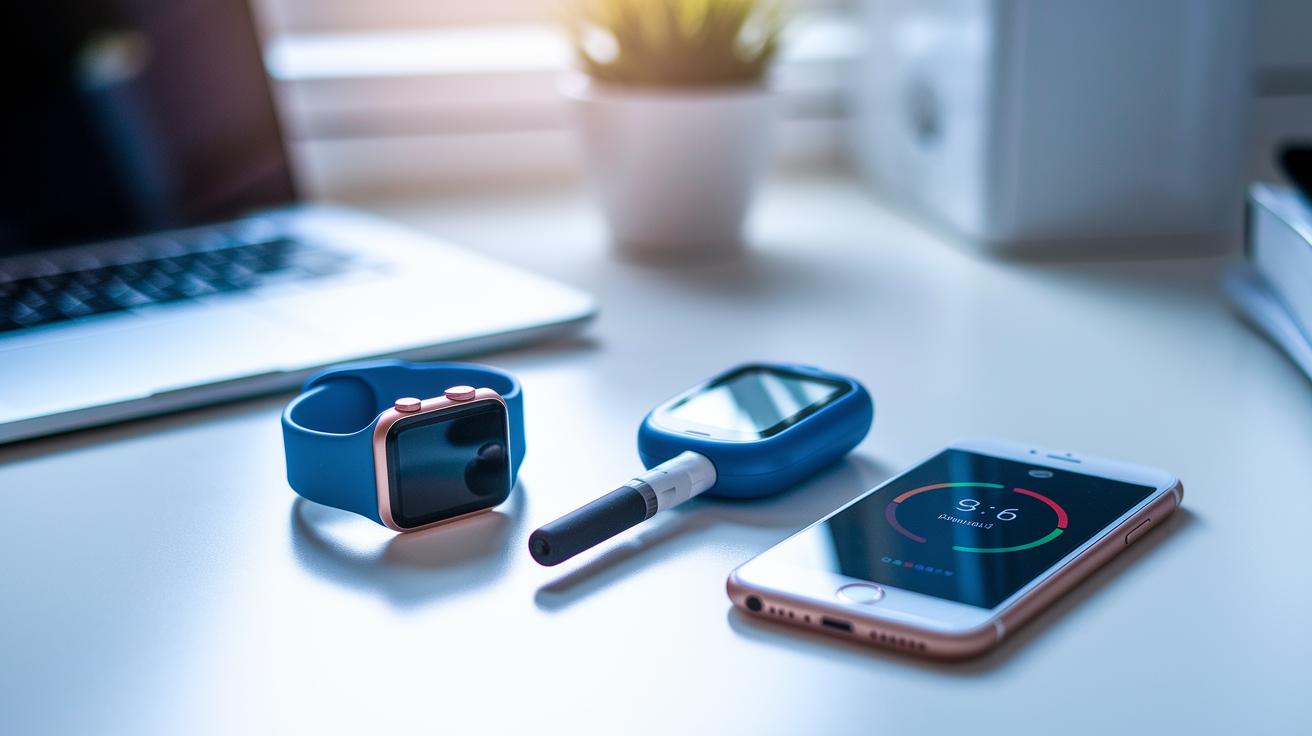
Wearable devices can help you manage long-term conditions by matching their features to your needs. For example, a glucose monitor (a tool that tracks your blood sugar) keeps an eye on diabetes, and a heart rate sensor (a tool that measures how fast your heart beats) supports your heart health. Choose a smart device that works well with your phone, has a long battery life, and gives accurate readings.
If you have trouble syncing your device, check out our digital tools section for easy, step-by-step guidance. It explains how to set up your device, connect using Bluetooth or Wi-Fi, and fix issues like missing data.
Your healthcare team can also review real-time reports from these devices using remote monitoring systems. This lets them notice changes quickly and adjust your treatment when needed. Using real-time data helps you take care of your condition more safely.
Building and Updating Your Self-Managed Care Plan in a Personalized Health Toolkit
Your care plan is a living document that grows with you. It helps you manage your condition and should be updated at doctor visits or whenever your health changes. Tips like choosing digital tools (for example, a symptom tracker that shows your daily levels) and planning your appointments (such as syncing check-up dates with your provider visits) are now part of our Expert Recommendations and Core Elements.
Focus on a toolkit that sets clear daily goals, tracks your medications and activity, and even includes a remote monitoring system. We’ve brought together advice on setting review dates and working with your care team so that your plan stays easy to follow and in one place.
If you need to change your plan, check the detailed steps in other sections of this guide on planning, tracking your progress, and talking with your provider. For example, use a daily symptom diary to record changes in how you feel (https://thequickesttips.com?p=1410).
Final Words
In the action, you’ve seen how a personalized health toolkit for chronic conditions covers key areas like clear care planning, digital tools, and symptom tracking. We walked through expert tips, wearable devices, and patient-focused resources that remove guesswork from daily care. Each step helps you feel more confident about managing health challenges. Stick with these practical steps and remember to update your toolkit regularly with your care team. Stay proactive and positive, you deserve care that works for you.
FAQ
What is a Chronic Care Management Template PDF used for?
The Chronic Care Management Template PDF lays out a clear plan to track medications, appointments, and daily wellness steps for managing chronic conditions.
What are wellness tools for mental health?
Wellness tools for mental health offer strategies and guides that help you manage stress, improve mood, and support overall emotional and psychological balance.
How is health and wellness defined?
Health and wellness mean maintaining a balanced state of physical, emotional, and mental well-being through self-care, active living, and preventive practices.
What does a health and wellness website offer?
A health and wellness website provides curated information, self-care tips, and practical resources to help you manage chronic conditions and live a balanced life.
How does chronic illness management work?
Chronic illness management involves a personalized care plan, regular self-monitoring, and consistent communication with your care team to keep conditions stable and manageable.
What is CMS chronic care management?
CMS chronic care management is a Medicare-supported service that coordinates care for patients with long-term conditions through structured planning and regular follow-ups.
What conditions qualify for chronic care management?
Conditions such as diabetes, heart disease, and asthma typically qualify for chronic care management because they need ongoing care and regular adjustments by your health care team.
What is a rural health promotion and disease prevention toolkit?
A rural health promotion and disease prevention toolkit offers tailored resources and strategies, focusing on education, screenings, and preventive steps to enhance community health in rural areas.