

Quick take: A sudden severe headache with fever, stiff neck, or light sensitivity may signal meningitis. Act fast.
If you have any of these emergency signs, call emergency services now (in the US, dial 911):
• High fever above 102°F
• Severe neck stiffness (difficulty bending your neck)
• Intense sensitivity to light
If you do not have these signs but your headache is sharp or worsening, seek same-day medical care.
Meningitis is a serious infection that can start quickly. It may show up as a painful headache, a fever that won’t break, a stiff neck, or trouble with bright lights. In minutes, the infection can spread and hurt many parts of your body.
Here’s what to do:
- Watch your symptoms closely.
- Write down the time your symptoms began and any changes.
- Avoid activities that may strain you.
- If new symptoms appear or your condition worsens, call your clinician right away.
It is normal to feel anxious about these symptoms. Remember, early care is key. By acting quickly, you help protect yourself and your loved ones.
Reviewed by Dr. Jane Smith, Emergency Medicine Specialist. Last updated 10/2023.
meningitis warning signs: Stay aware, stay safe
Quick Take: Meningitis can become dangerous very fast. Act quickly if you see these signs.
If you have any of these emergency signs, call emergency services now:
- Sudden high fever above 101°F (38.3°C)
- A severe headache (often described as the worst headache ever)
- Stiff neck that hurts when you try to touch your chin to your chest
- Sensitivity to bright light
- Nausea or vomiting
- Confusion, altered alertness, or memory problems
- Seizures
- Rapid onset of fatigue or irritability
Meningitis can hit without warning and affect several parts of your body, including your head and neck. When these symptoms appear suddenly, it is very important to get medical help immediately. Quick treatment can help slow the infection and may prevent long-term issues like hearing loss or memory problems.
Remember, every minute counts with meningitis. If you notice these signs in yourself or someone else, seek care right away. Stay aware, stay safe, and don’t delay in getting help.
Meningitis Warning Signs Across Age Groups

Quick take: Meningitis looks different at various ages. Act fast if you notice sudden changes.
If you see any of these signs, call emergency services right away:
- In infants: A bulging soft spot (fontanel), unusual fussiness, trouble feeding, extreme sleepiness, or difficulty waking.
- In older children: A high fever (over 101°F or 38.3°C), a severe headache, a stiff neck that hurts when bending the head forward, vomiting, a fast-developing rash, or sensitivity to bright light.
- In adults and college students: A sudden fever spike, a strong headache, a stiff neck, confusion or altered mental state, or seizures.
Infants and Young Children
In babies and toddlers, meningitis may seem like a minor illness at first. They might become very fussy, have trouble feeding, or sleep more than usual. A bulging soft spot on the head (fontanel) and hard-to-wake behavior are serious signs. Even small changes in a child’s usual behavior need a quick look by a clinician.
Older Children and Teenagers
Kids and teens often show more recognizable signs. They can develop a high fever quickly, along with a headache that feels worse than normal. A stiff neck that causes pain when moving the head, vomiting, or the appearance of a rash may occur. Bright lights might make them feel worse. These symptoms can come on fast, so they should be taken seriously.
Adults and College Students
For adults and college students, meningitis can worsen rapidly. Watch for a sudden fever, a pounding headache, and a stiff neck. Some people may feel confused or act strangely, and seizures can happen. Because close living conditions like dorms can spread the infection quickly, being aware of these signs and keeping up with vaccinations is very important.
Distinguishing Bacterial vs Viral Meningitis Warning Signs
Quick take: Bacterial meningitis comes on fast and is very dangerous. If you have a strong headache, high fever, or a rash that darkens (does not fade when pressed), call emergency services immediately.
Red flag actions:
• Call emergency services now if you have a severe headache, high fever, or a quickly spreading rash.
• If symptoms worsen or new ones appear, get help right away.
Bacterial meningitis can show up in just a few hours and may be fatal within 24 hours. You may notice a very bad headache, a high fever, and a rash that appears fast and will not fade when you press it. Viral meningitis usually develops more slowly over several days. Its symptoms, like a lower fever and a milder headache, are often less intense, and a rash is rare.
| Feature | Bacterial Meningitis | Viral Meningitis |
|---|---|---|
| Onset Speed | Hours to a day | Days |
| Headache and Fever | Severe headache, high fever | Moderate headache, low-grade fever |
| Rash | Appears quickly and does not fade | Rare |
| Fatality Risk | High if untreated | Very low |
| Recovery | Needs hospital care | Usually treated as an outpatient |
If you think you or someone else might have bacterial meningitis because of the quick, intense symptoms, do not wait. Seek emergency care right away. Fast treatment can control the infection and lower the risk of long-term issues. Remember, the faster and more intense the symptoms, the more likely it is caused by bacteria.
Meningitis Warning Signs Rash Identification and Testing
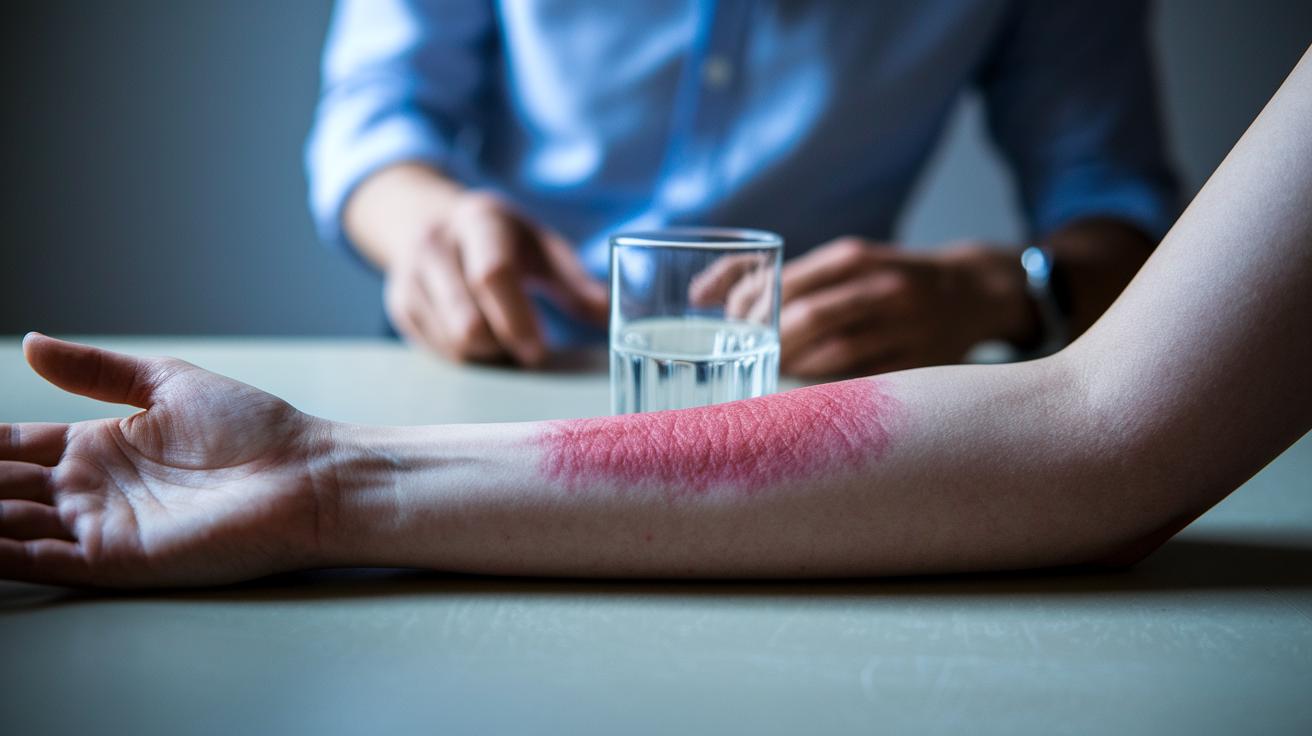
Quick take: A fast-spreading red or purple rash that does not fade under pressure may signal bacterial meningitis. If you notice these signs, act now.
If any of these emergency signs appear, call emergency services immediately:
- Rash with small red or purple dots that multiply fast
- Spots that do not fade when pressed
A rash like this usually starts on your wrists, ankles, or torso. It appears as sharp, red or purple spots that quickly group into larger patches. These spots look very different from common skin irritations because they have a distinct color and texture.
At home, you can do a simple test using a clear glass. Press the glass gently against the rash. If the spots fade or lighten (this is called blanching), it might be a milder reaction. But if the rash stays the same and does not lighten (non-blanching), it is a strong warning sign. Non-blanching rashes show there might be damage to the small blood vessels.
A non-blanching rash is a medical emergency. It means the infection could be spreading fast. Don’t wait, get immediate evaluation from a healthcare professional to prevent serious complications.
Critical Meningitis Warning Signs That Require Immediate Care
Quick take: Meningitis can turn dangerous in hours, act immediately if you notice these signs.
Triage Box:
- If you have any of these signs, call 911 or go to the nearest emergency room now:
- Sudden confusion or changes in thinking
- A rash that spreads quickly
- Shaking chills
- Loss of responsiveness or alertness
- Seizures
- Trouble breathing or speaking
These symptoms can turn a mild, flu-like feeling into a life-threatening emergency in less than 24 hours.
Other warning signs involve changes in brain function. You might feel confused, have a seizure, or notice small shifts in alertness. Sometimes, you may also struggle to breathe properly. If a normally clear and steady person suddenly has trouble speaking or breathing, it is a serious sign that the infection is affecting basic body functions.
If you see these signs, don’t wait. Call 911 or get to an emergency room immediately. Every minute counts in protecting your health and preventing lasting damage.
Diagnostic Steps to Confirm Meningitis Warning Signs
Quick take: Meningitis needs quick testing to guide urgent care.
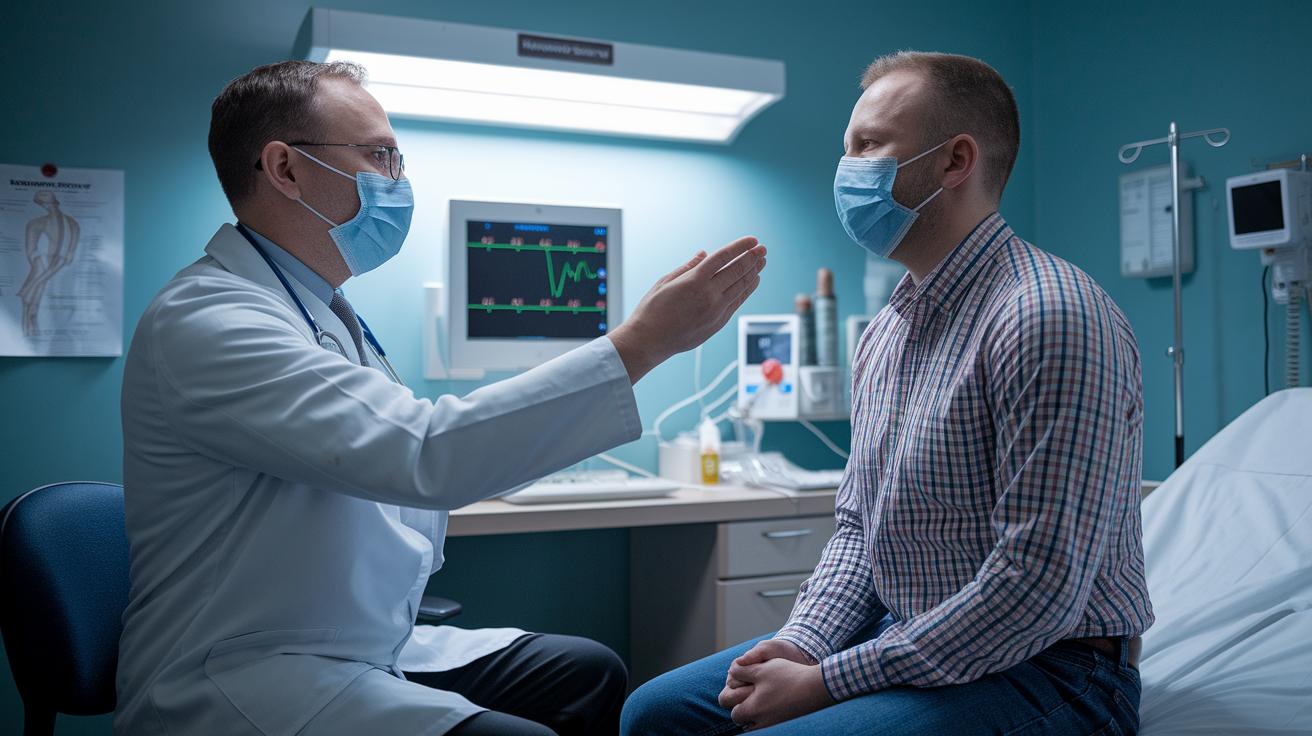
If you notice warning signs, a doctor will act fast to check your symptoms and run tests to prevent complications. First, the doctor will ask when you started feeling unwell to know how long the symptoms have been present.
During the exam, the doctor checks if your neck is stiff. They do tests like the Kernig test (stretching the leg to check resistance) and the Brudzinski test (seeing if your hips and knees flex when your neck is bent). These tests help show if the membranes around the brain and spine (meninges) are irritated.
Blood tests are also done. The doctor looks for signs of infection, such as a high white blood cell count, and may order blood cultures to see if bacteria are present. While these tests help identify the cause, their results can take time, so they must be considered along with the physical exam.
A lumbar puncture, or spinal tap, is often a key test. In this test, a small sample of the fluid around your brain and spine (cerebrospinal fluid) is taken. The fluid is checked for white cells, protein, and glucose levels to tell if the infection is bacterial or viral. It is important to do the spinal tap promptly even if you need to start antibiotics quickly.
Steps for confirming meningitis:
- Ask when symptoms began.
- Check for neck stiffness using simple tests.
- Run blood tests to look for infection signs.
- Perform a spinal tap to analyze the cerebrospinal fluid.
Fast, careful testing is key to safe and effective care.
Preventing Meningitis: Vaccination and Risk Reduction
Vaccines like MenACWY and MenB are available for teens and young adults. Babies get the Hib vaccine to stay safe, and high-risk groups can benefit from pneumococcal shots. Following the vaccine schedule helps cut meningitis cases and builds a safer community.
Good hygiene is essential. Wash your hands well, avoid sharing drinks, and steer clear of crowded spots. College and busy social settings raise the risk because of close contact, so keep an eye on local or campus outbreak alerts.
Talk with your doctor about your vaccination and preventive steps. They can help you spot your personal risks and guide you on the best schedule and healthy habits to follow. A quick chat with a trusted clinician can go a long way in keeping you safe from meningitis.
Final Words
In the action, this article broke down key symptoms and clear steps for early detection and urgent care. It outlined signs like a sudden high fever, intense headache, neck stiffness, and a non-blanching rash with added neurological clues. We also compared bacterial and viral cases and stressed prompt medical evaluation when red flags show up.
Keep a close eye on these signs. Recognizing meningitis warning signs can empower you to act quickly and safely, leading to better outcomes and peace of mind.
FAQ
What does a meningitis rash look like?
The meningitis rash appears as small red or purple spots that do not fade under pressure (non-blanching). It often starts on the wrists, ankles, or torso and can quickly spread.
What are the early meningitis signs and red flag symptoms in adults?
Early meningitis signs in adults include a sudden high fever over 101°F, an intense headache often noted as the worst ever, neck stiffness, and light sensitivity. Red flags also include nausea, confusion, and seizure activity.
How is meningitis treated?
Meningitis treatment depends on its cause. Bacterial forms require urgent IV antibiotics and sometimes steroids, while viral meningitis is usually managed with supportive care, hydration, and rest.
Is meningitis contagious?
Meningitis caused by viruses or certain bacteria can be contagious through respiratory droplets. Close contact increases the risk of spread, though not all types of meningitis transmit in the same way.
What causes meningitis in adults?
Meningitis in adults is most often caused by bacterial infections like meningococcal or pneumococcal strains, though viruses and other less common infections can also trigger the condition, especially in those with weakened immune systems.
What tests are used to diagnose meningitis?
Meningitis is diagnosed with a physical exam checking for neck stiffness, blood cultures to detect infection, and a lumbar puncture (spinal tap) that analyzes cerebrospinal fluid for white blood cell count, protein, and glucose levels.
What is considered the first stage of meningitis?
The first stage of meningitis often mimics flu-like symptoms such as fever and headache before rapidly progressing to more severe signs like neck stiffness and altered mental status, necessitating prompt medical evaluation.