

Quick take: A fast nurse check in the ER can make the difference between quick care and a long wait.
Triage Box:
• Call emergency services now if you have severe chest pain, trouble breathing, or major bleeding.
• Seek urgent care if you feel sudden weakness or numbness.
• Monitor mild symptoms and follow up with your doctor if they worsen.
Triage is a simple tool that speeds up your treatment in the emergency room. When you get to the hospital, nurses quickly check you to decide who needs help right away and who can safely wait. This early check can be life-saving, especially when wait times reach 40 minutes or even over 90 minutes. A smooth triage system not only saves time but also helps improve care for everyone. In this article, we explain how triage shapes your ER experience.
Triage’s Role in ER Wait Times
When you visit an emergency room in the U.S., you might wait about 40 minutes to get into a treatment room. Urgent care centers usually see you in under 30 minutes. At busy times, waits can stretch to over 90 minutes before you even get a room and over 2 hours before you leave. That can feel unsettling, but these numbers help show why care is organized the way it is.
At the start of your visit, nurses do a quick check of your vital signs, ask about your symptoms, and look at your overall condition. This fast check-up (a quick assessment of medical urgency) helps sort patients by who needs immediate help and who can safely wait. The purpose is to catch life-threatening problems early and ensure that those in real need get help first.
Because of this process, patients with serious symptoms are seen right away, while others may wait longer. A smooth triage system helps reduce bottlenecks, which can improve care for everyone.
How Triage Affects ER Wait Times: Streamlined Success

Quick take: Triage speeds up care by quickly sorting patients so that those who need help first are seen immediately.
If you have any signs of a life-threatening problem, such as severe difficulty breathing or chest pain, call emergency services now.
Standardized triage is a fast process used in the ER to decide who needs immediate attention. Nurses quickly check vital signs (heart rate, blood pressure) and ask about your main symptoms. This clear system stops repeated questions and helps keep care moving smoothly.
The Emergency Severity Index (ESI) organizes patients into 5 levels. For example, ESI level 1 means a life-threatening problem that requires immediate treatment, while lower levels point to less urgent issues. This structure makes sure that those with serious conditions get care first.
In the first 5 minutes, nurses gather a brief history, check your vital signs, and decide on an acuity rating (a score that shows how serious your condition is). This quick assessment speeds up decisions and helps guide the order of care. Clear rules mean patients with urgent problems move ahead, keeping wait times shorter and treatment fair for everyone.
Statistical Analysis of Triage Impact on ER Wait Times
Emergency rooms in the U.S. can leave you waiting over 1.5 hours for a treatment room and more than 2 hours before discharge when beds run low. In contrast, urgent care centers start treatment in under 30 minutes. These numbers show how different triage methods change what you experience.
In an ER, you go through several steps such as registration, a quick health check (triage), tests, and then discharge. Even small delays at each step add up, making your wait longer. Tracking these numbers is important because it helps find areas where improvements can speed up care.
| Setting/Protocol | Average Wait Time |
|---|---|
| Urgent Care | <30 min |
| Standard ER | 40 min |
| ER with Fast Track | 20 min |
Fast-track and split-flow triage systems show promising results in cutting wait times. With fast-track, patients with milder issues are sent down a separate route. This reduces the need to repeat history and unnecessary steps, significantly speeding up care. Similarly, split-flow triage quickly separates patients with life-threatening issues from those who can wait a bit longer. By organizing patients by urgency, hospitals reduce bottlenecks at busy spots like registration or testing. This leads to smoother operations and ensures everyone is seen based on how urgent their medical needs are.
Factors Influencing Triage Efficiency and ER Waiting
Every day, changes in how many patients arrive and how many staff are available can slow down triage. When clinics get busy or have fewer staff, the triage process takes longer. Fewer nurses during busy times or unexpected absences mean that nurses must handle extra tasks, which delays patient assessments. Even a small increase in patients or one team member being absent can stretch wait times and create backups. Hospitals try to adjust staffing quickly, but unexpected changes in patient numbers can still keep triage from running smoothly.
In community settings, things are even more complex. Urban hospitals often handle many patients with a wide range of needs, while rural centers may see patients less often but in sudden, intense bursts. Suburban hospitals face a mix of these challenges. This mix affects how resources are used and can make wait times longer when supplies run low. With tight staffing and limited supplies during rush hours, lines grow longer and triage becomes slower. These challenges show that flexible resource management is needed to keep patient flow steady and improve overall outcomes.
Strategies for Optimizing Triage to Reduce ER Wait Times
Quick take: Better triage methods mean shorter waits and smoother care flow.
Triage Improvement Checklist:
- Use historical data to predict when more staff is needed.
- Set up fast-track processes for low-risk patients.
- Hold brief team huddles to share real-time updates.
- Show live wait times so patients know what to expect.
- Use digital pre-registration and self-triage tools.
- Provide regular training and feedback for triage staff.
Hospitals now use smart data to match staff levels with busy times. This means there are enough doctors and nurses when patients arrive. When the right team is ready, questions are fewer, and the care process speeds up.
Many facilities also use fast-track and split-flow systems. These methods reduce repeated questions and help staff decide faster on the best treatment order. With a clear plan from check-in to treatment, delays are kept to a minimum.
It’s important to measure how well these changes work. Hospitals check key numbers like the time from when a patient arrives until they are seen, and how fast patients move from triage to treatment. By tracking these details, staff can see what improvements work best and adjust when needed. This careful review shows that smart workflow changes create a calmer, more efficient emergency room for everyone.
Triage Flowcharts and Tools to Reduce ER Wait Times
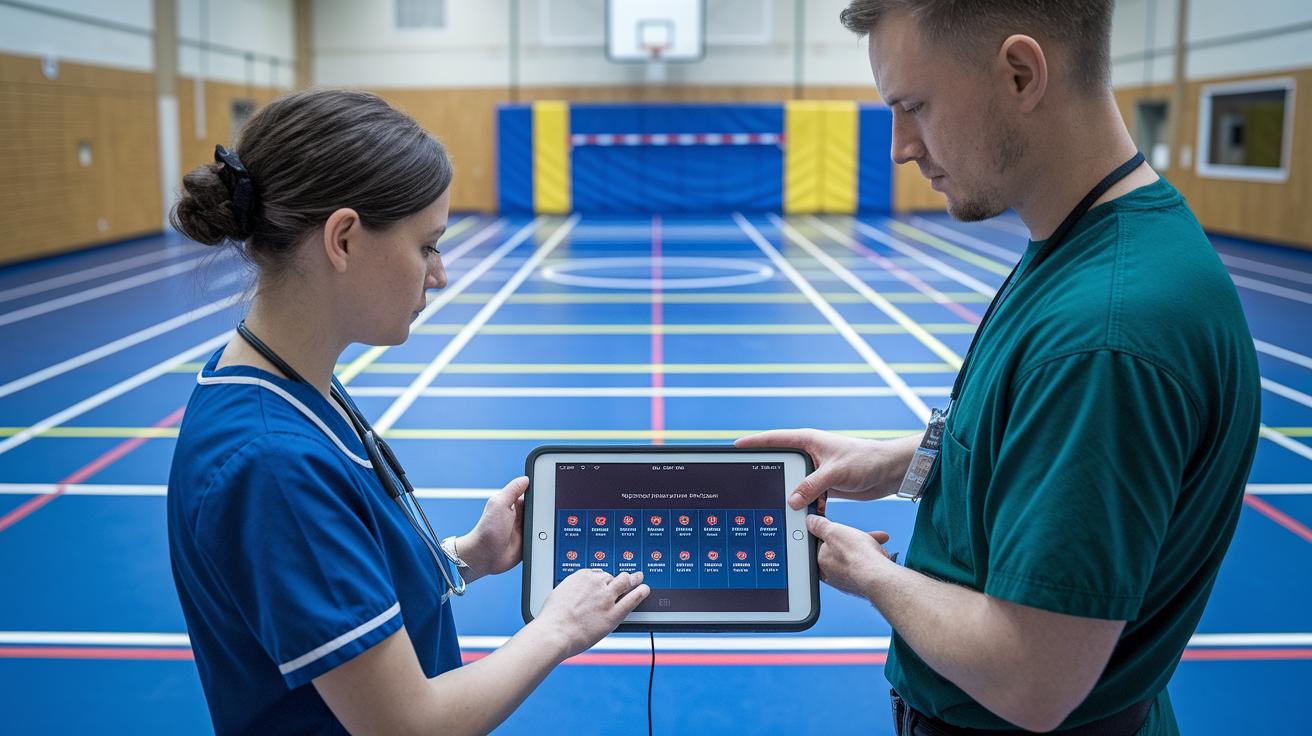
Quick take: Clear, simple flowcharts and digital tools can help emergency teams act faster and keep wait times down.
Flowcharts make the triage process straightforward. They show simple, step-by-step actions like checking vital signs (the key measurements such as temperature and heart rate), asking important questions, and knowing when to move quickly to the next step. Using these diagrams can cut down assessment times by 30%, which is a big help in busy moments.
Older, paper-based forms can slow things down. They often mean repeating questions and may lead to mistakes in recording patient details. In contrast, digital triage tools prompt you automatically, let you enter data fast, and update in real time. This modern approach catches critical details quickly so that patients get to the right care without delay.
Remote triage goes one step further. With digital systems, emergency teams can review symptoms before a patient even arrives. This early check helps prepare the care team and makes the routing of patients more accurate from the very first contact.
Final Words
In the action, this guide broke down ER wait times and triage systems, detailing how average metrics compare with urgent care and explaining triage steps like rapid assessments and ESI levels. It covered process challenges, resource issues, and smart steps like fast-tracking, digital tools, and team huddles that help cut delays. This overview shows how triage affects ER wait times and offers clear, practical ideas to ease patient flow. Stay proactive and positive, small changes can make a big difference in care efficiency.