
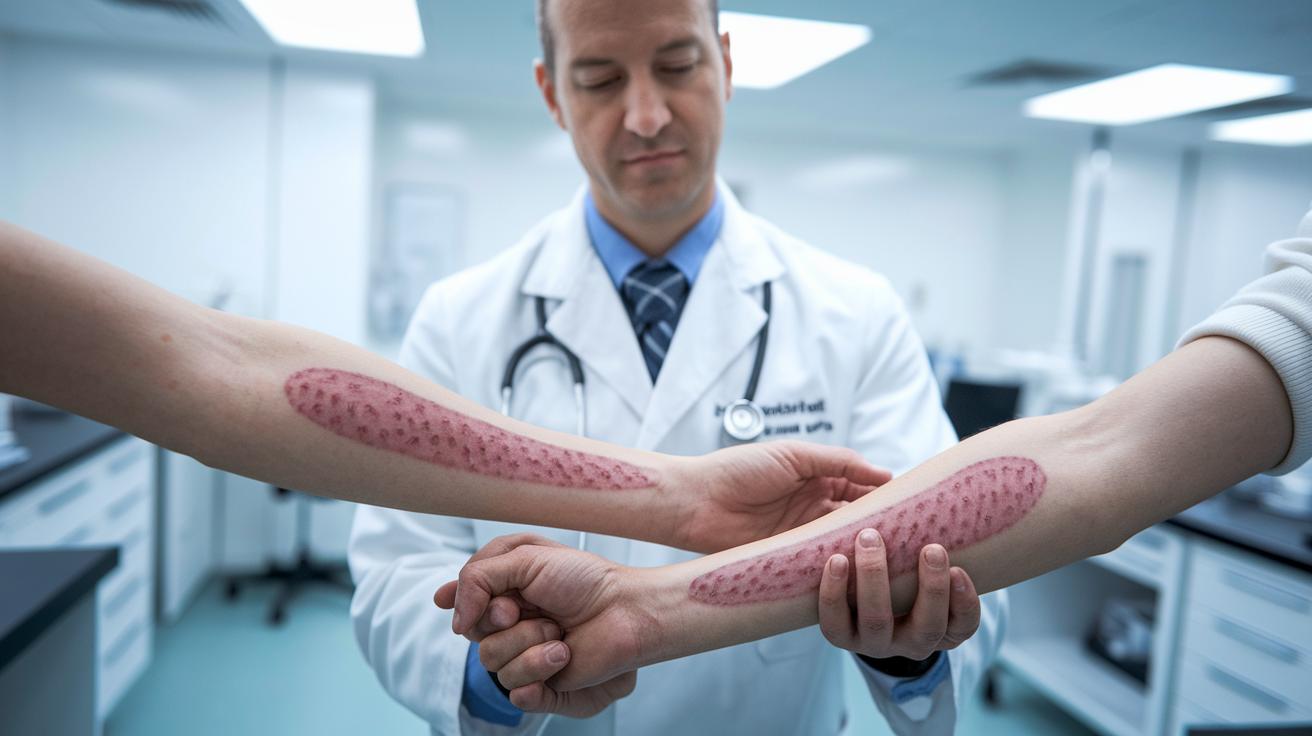

Quick take: A changing skin spot can be a sign of damage from too much sun or genetics.
If you see a spot that changes, check for these red flags:
• The spot grows or changes color quickly
• It becomes irregular or starts to bleed
• It causes pain or discomfort
Common causes include too much sun exposure and a family history of skin issues. Even normal outdoor activities add up over time, especially if you have light skin or have had bad sunburns. Think of your skin as a record that keeps track of all your time in the sun.
To protect yourself:
- Use sunscreen with SPF 30 or more every day, even on cloudy days.
- Wear protective clothing when you are outside for long periods.
- Keep an eye on any spots that change in appearance and tell your doctor if you see red flags.
Stay safe and take action early if you notice any worrying signs.
risk factors for abnormal skin lesions: Bright Outlook
Quick take: Too much sun and your genes can set you up for abnormal skin spots.
If you notice any new or rapidly changing skin lesions, or if a spot is painful, itchy, or bleeding, call your doctor right away.
Too much UV light is the number one risk. Spending lots of time outside, especially between 10 AM and 4 PM, or using tanning beds can harm your skin. Even everyday activities add up if you don’t protect yourself.
Your genes also count. If you have fair skin that burns quickly, you are at higher risk. A family history of skin cancer can double your chances. For instance, someone like Jack, who carefully protected his pale skin after long days outdoors, shows that extra caution is needed.
A weak immune system makes matters worse. If you take medications after a transplant or live with a chronic illness, your body may not repair sun damage as well. This leaves you more open to developing skin lesions.
Bad sunburns from childhood or your teen years are another red flag. Serious burns change skin cells permanently and increase the risk of lesions later on. Research shows that finding melanoma early, when it is most treatable, can lead to a 99% survival rate over 5 years.
Keep these points in mind as you plan ways to protect your skin. This information was reviewed by a medical professional on August 20, 2025.
Impact of Ultraviolet and Environmental Exposures on Skin Lesions

Quick take: Too much sun exposure without protection can harm your skin and lead to dangerous changes.
Triage Box:
• If you notice any skin spot that changes color, grows fast, or bleeds, call your doctor immediately.
• If a new lesion appears and worries you, seek same-day medical advice.
• Otherwise, keep watching your skin and use sun-safe habits.
When you spend time outside between 10 AM and 4 PM, your skin takes the most damage from UV rays. Every minute you are in the sun adds to the risk of developing skin lesions. Daily unprotected exposure can start changes that eventually become abnormal growths.
Indoor tanning is especially risky. For example, if you tan before you turn 35, your chance of developing melanoma (a dangerous form of skin cancer) may jump by 75%. Although basal cell carcinoma (the most common skin cancer) accounts for about 80% of cases and squamous cell carcinoma for about 20%, melanoma is the one that needs extra care because it is much more serious.
The best protection is broad-spectrum sunscreen. This defense blocks both UVA and UVB rays and should be applied every time you go outdoors. Use about 1 oz (2 tablespoons) to cover your entire body.
Other helpful steps include:
• Seek shade when the sun is strongest.
• Wear clothing that covers your skin and has a UPF rating (which means it has been tested to block UV light).
• Avoid tanning beds completely.
Taking these steps not only lowers your risk today but also helps prevent lasting damage over time. Track your sun exposure and choose smart protective actions to reduce your chance of developing harmful skin conditions.
Age-Related Predispositions for Abnormal Lesions
Quick take: Your skin heals slower with age, making abnormal spots more likely.
If you notice any new, changing, or stubborn lesions, seek medical advice right away.
As you get older, your skin becomes thinner and its natural repair slows down. This means damage from the sun or minor injuries can lead to spots and lesions more easily. By age 65, your skin may process damage 50% slower than when you were young.
Steps to protect your skin:
- Use broad-spectrum sunscreen every day.
- Check your skin every month for any new or unchanging spots.
- See a healthcare provider if any lesion starts to change.
| Age-Related Change | Risk Impact |
|---|---|
| Thinning skin | Less protection against damage |
| Slower cell turnover | Damaged cells stick around longer |
| Diminished repair processes | Higher chance of developing lesions |
Lifestyle Modifications for Skin Health
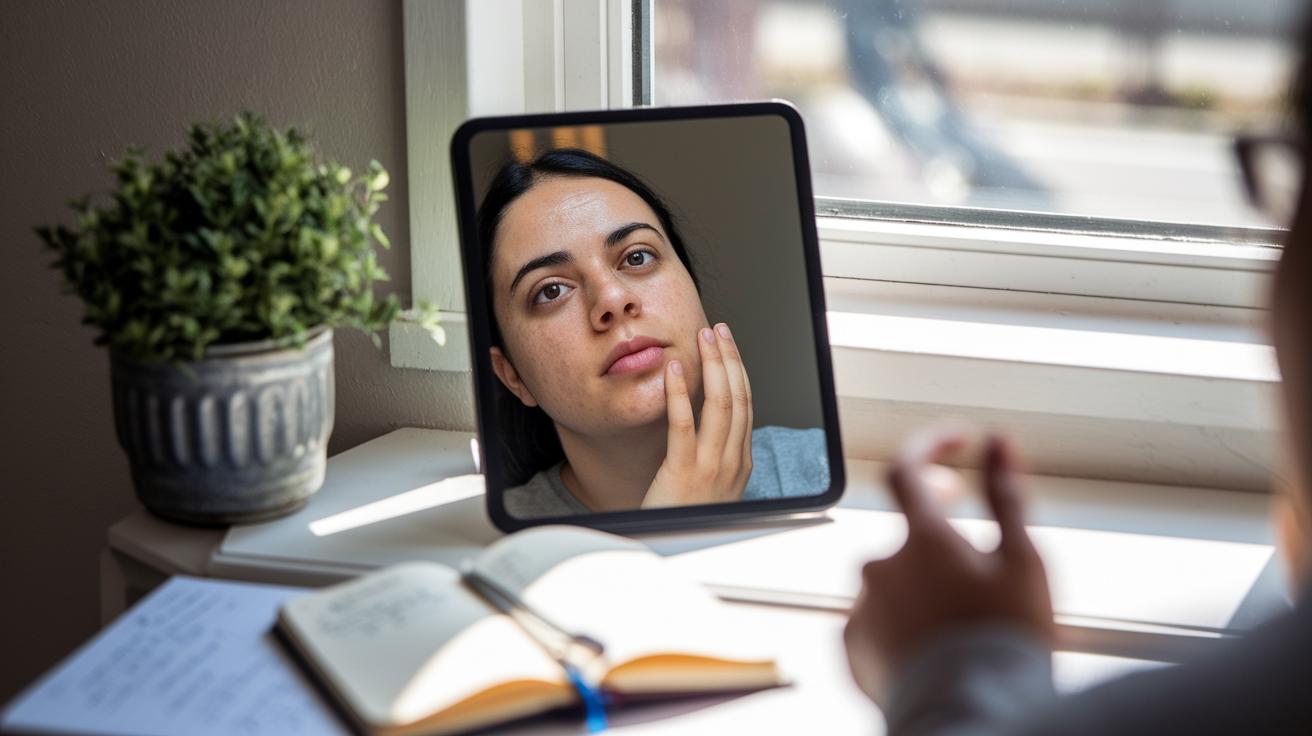
Quick take: Smart habits can help protect your skin and catch changes early.
Daily choices make a big difference. Too much sun and indoor tanning can harm your skin over time. Regular self-checks let you spot changes before they become serious.
Here are some steps to help:
- Pick one day each month to check your skin. Use a simple diary to note the size, color, and shape of any spots.
- Wear sun-safe clothes and a broad hat. Stay in the shade during peak sun hours (10 AM to 4 PM) to lower UV exposure.
- Teach your family to be sun smart. Keep babies under 6 months out of direct sunlight and dress older children in sun-protective clothing.
- Set phone alarms or calendar reminders to make skin checks a regular habit.
| Intervention | Outcome |
|---|---|
| Monthly skin check with diary | Early spotting of changes |
| Use of sun-protective clothing and gear | Lower risk of UV damage |
Prevention Strategies and Clinical Follow-Up for Abnormal Skin Lesions
Quick Take: Use daily sunscreen, schedule regular check-ups if you're at risk, and keep track of any skin changes with photos and notes.
Triage Box:
• If you notice a spot that grows fast, bleeds, or changes color suddenly, call your healthcare provider right away.
Daily sunscreen use is a simple but powerful way to protect your skin. When you head outside, use about 1 oz (2 tablespoons) of broad-spectrum sunscreen, especially during peak sun hours. This habit not only shields your skin but also helps prevent changes that might lead to more serious issues.
If you have had skin lesions before or have a weak immune system, you should see a dermatologist more often. Regular exams help doctors catch even small changes early. Tools like remote skin checks (teledermatology) or detailed skin exams (dermoscopy) can provide expert advice when an in-person visit isn’t possible.
Taking digital pictures of your spots and keeping a simple checklist can boost early detection. Write down the date, size, and appearance of each lesion. This information makes it easier for your healthcare provider to spot any concerning changes.
To sum up, here are your prevention steps:
• Apply broad-spectrum sunscreen every day.
• Set a monthly reminder to check and photograph any skin spots.
• Seek prompt medical advice if you notice any rapid changes.
Following these steps with regular professional evaluations can help catch problems when they are still manageable.
Final Words
In the action, this article broke down key points about skin lesion risks. We covered UV exposure, genetic traits, and lifestyle choices that raise your chances of developing abnormal skin lesions. The guide outlined easy self-checks, protective measures, and clear steps to follow if changes occur. It’s designed to help you catch warning signs early and know when to seek care. Keep these risk factors for abnormal skin lesions in mind and take steps each day to protect your skin and health. Stay positive and proactive.