
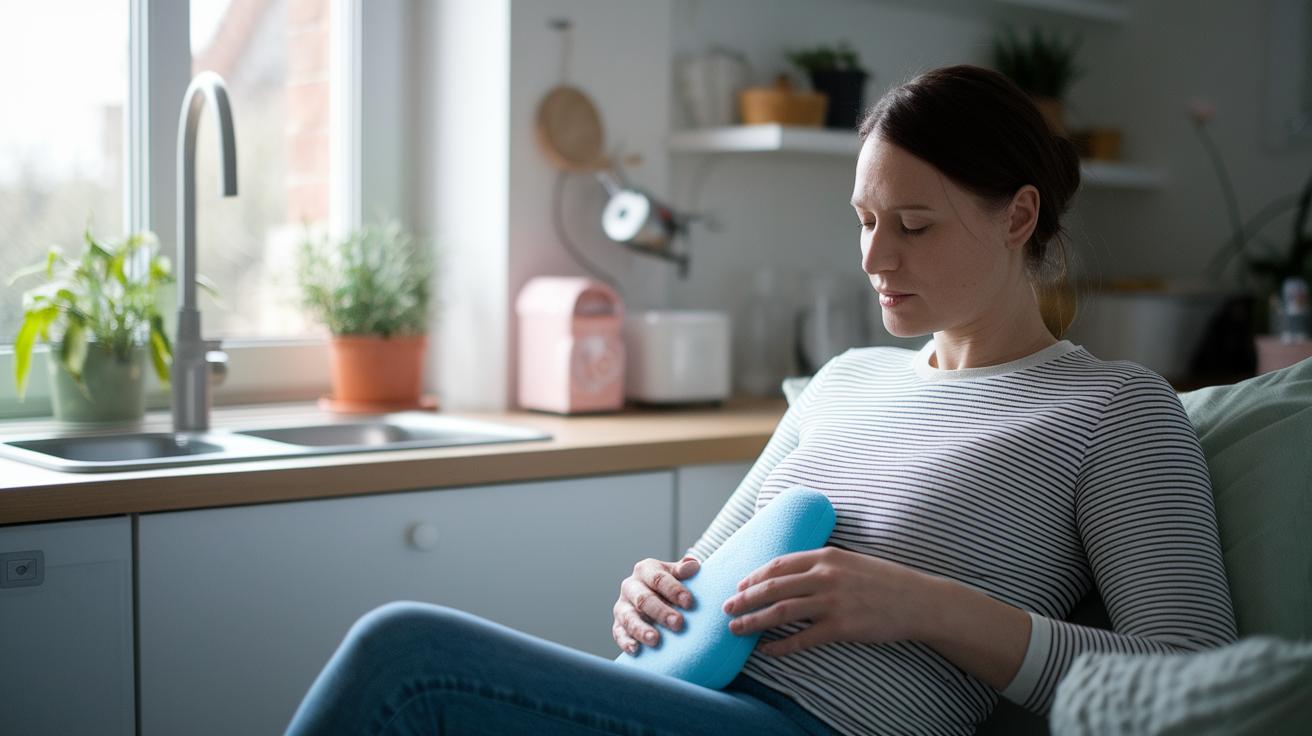

Quick take: Upper left belly pain can be caused by simple muscle strain, acid reflux, or may signal an issue with your stomach or spleen.
If you have any of these emergency signs, severe pain, fever over 102°F, or feeling faint, call emergency services now.
You might feel this pain as a dull ache or a sharp stab in your upper left belly. It could be just a muscle strain or acid reflux (a burning feeling in your chest and tummy). But sometimes, it points to issues with your stomach or spleen.
Here’s what you can do:
• Note when the pain starts and how long it lasts.
• Write down if the pain gets worse with eating, moving, or deep breaths.
• Keep track of any other symptoms like fever or nausea.
This simple checklist can help you explain your symptoms to a clinician if you need to seek help. Follow your body’s signs and talk to your doctor if the pain worsens or does not improve in a few days.
Taking charge of how you track and manage your symptoms can turn worry into action.
Understanding and Responding to Upper Left Abdominal Discomfort
Quick take: Pain in your upper left belly can have many causes. Check for warning signs and track your symptoms to know when to act.
If you have any of these emergency signs, call emergency services now:
- Severe pain that comes on suddenly and is very strong
- Trouble breathing or difficulty swallowing
- A high fever (above 101°F)
- Fainting or feeling very weak
If your pain worsens quickly or you see other urgent signs, seek same-day care. Otherwise, monitor your symptoms and use home care until you can talk to your doctor.
Your upper left abdominal area is just under the left rib cage and above your belly button. This area holds important organs like the stomach, pancreas, and spleen (the organ that filters blood just behind your lower left ribs). Parts of the esophagus and diaphragm also are here.
The type and exact spot of your pain can tell you what might be wrong. For example, a sharp pain near the ribs may come from a muscle strain or upset stomach. A burning feeling in the center can signal acid reflux (stomach acid backing up). Whether your pain is sharp, dull, or comes and goes gives clues that help decide if you need simple self-care or a doctor’s opinion.
Tracking your pain is a good idea. Write down these details:
- When did the pain start?
- Exactly where do you feel it?
- What does it feel like (sharp, burning, or dull)?
- Does it get worse after eating or when you move?
Nearly one out of three people notices some belly sensitivity after meals. Keeping track of your symptoms can ease your worry and gives your doctor clear info to help decide next steps.
Identifying Symptoms and Red Flags of Upper Left Abdominal Discomfort

Quick take: Your upper left belly pain might start mild but can become serious fast.
Triage: Call emergency services now if you have any of these signs:
- Pain that lasts more than 24 or 48 hours
- High fever or chills
- Blood in your vomit or stool
- Sudden, intense pain under your left ribs
- Unexplained weight loss
- Trouble breathing or chest tightness
You might feel a flickering ache near your left rib cage or a sharp pain just below your left collarbone. These pains can also come with bloating, heavy vomiting, hiccups, indigestion, or trouble keeping liquids down. Even if the discomfort seems light at first, red flags signal that you need to act quickly.
Keep a record of your symptoms. Write down when the pain started, how long it lasts, and any other changes. This will help you explain your situation clearly if you need to see a doctor. Remember, it is always better to be safe and get urgent care if these signs worsen.
Common Causes of Discomfort in the Upper Left Abdomen
Quick take: Upper left abdominal pain can come from your digestion, spleen, pancreas, kidneys, or even muscle strain.
Triage:
• If you have sudden, severe pain that is sharp or persistent, call emergency services now.
• If you experience trouble breathing, a fever, or worsening pain with deep breaths, seek urgent care.
• If the pain is mild, track your symptoms and check with your clinician if it does not improve.
Digestive issues like gastritis and acid reflux (GERD, where stomach acid irritates your esophagus) can make you feel a burning sensation near your upper stomach. You might notice heartburn, bloating, nausea, and hiccups. Your body sends these signals when the stomach lining is irritated, often after heavy meals or trigger foods like spicy dishes, alcohol, or caffeine.
An enlarged spleen (splenomegaly) can cause a dull ache under your left ribs. The pain is often steady and nagging, especially when you take a deep breath. This indicates that the spleen, which helps fight infections, might be under pressure.
Problems with the pancreas – like acute pancreatitis – can trigger sudden, severe pain on the left side near your rib cage. This pain is usually sharp and comes with nausea, vomiting, and sometimes fever. Because this can quickly become serious, it needs prompt medical attention.
Sometimes, issues from the kidneys or blood vessels can also cause pain that radiates to the upper left abdomen. Kidney stones or infections may send pain upward, and vascular issues like an aortic aneurysm can cause a deep, gnawing discomfort. Muscle strains from overexertion or awkward movements around the ribs can also hurt, especially if the pain gets worse with movement or deep breaths. Knowing the type and timing of your pain can help you decide on the next steps with your care provider.
Diagnosing Upper Left Abdominal Discomfort: Tests and Clinical Approaches
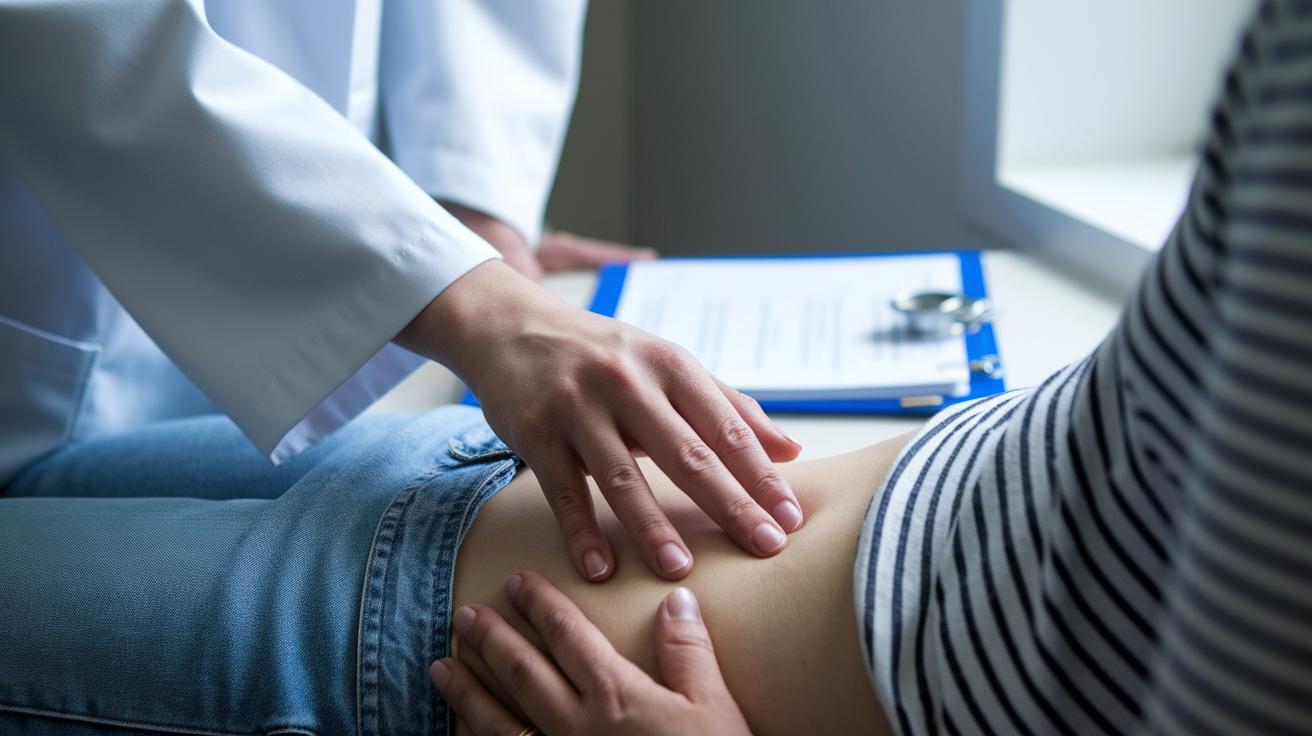
Quick take: Upper left abdominal pain can have several causes. Follow these steps and check for red flags.
Triage:
• Call emergency services now if you have sudden, severe pain, a high fever, or major changes in bowel habits.
• Seek same-day medical care if your pain lasts several hours or gets worse.
• If your pain is mild, note its details and follow up with your doctor.
When you visit your doctor for this pain, they start with a hands-on exam and ask clear questions about when the pain began, where you feel it, and what makes it worse. These questions help spot any red flags and pinpoint the pain source.
Your doctor may order blood tests to look for signs of infection or inflammation. A complete blood count (CBC) checks for infection or anemia; liver enzyme tests see how well your liver is working; and amylase/lipase tests can help rule out problems with your pancreas.
Imaging tests also play a big role. Usually, an ultrasound is the first step because it is safe and noninvasive. It helps view your spleen, kidneys, and gallbladder. If your symptoms point to issues with your pancreas or blood vessel (aorta), a CT scan gives a more detailed picture. When CT results are unclear and pain continues, an MRI can offer high-resolution images of soft tissues.
| Test | Purpose | When to Use |
|---|---|---|
| Ultrasound | Check spleen, kidneys, and gallbladder | First step, noninvasive |
| CT Scan | View pancreas, blood vessels, and deep tissues | If pancreatitis or aneurysm is suspected |
| MRI | Show detailed soft tissue images | For persistent pain with unclear CT results |
This careful, step-by-step approach helps your doctor find the cause of your discomfort and decide on the safest treatment steps.
Treatment Options and Home Care for Upper Left Abdominal Discomfort
You might feel some mild pain in your upper left abdomen. This discomfort can come from acid reflux (stomach acid irritating the passage from your mouth to your stomach), indigestion, or even muscle strain. Here are some simple home care tips that may help you feel better.
• If you have acid reflux or GERD, try to eat smaller meals.
• Avoid foods and drinks that trigger pain, like spicy foods, alcohol, and caffeine.
• Use antacids to ease a burning feeling for a short time.
If your stomach feels bloated or you have a little nausea, try nonacidic foods such as oatmeal, bananas, and rice. These foods can calm your stomach without causing extra irritation.
For muscle-related pain, rest and gentle stretching can help. Avoid hard activities that might worsen the pain. Over-the-counter pain relievers like ibuprofen (200-400 mg every 4-6 hours) can also reduce pain and swelling. Always follow the label instructions and check with your clinician if you have concerns or other health issues.
Watch your symptoms. If your discomfort lasts more than 48 hours or if you notice red flags such as high fever, very strong pain, or changes in your vomiting, seek professional help right away. This can rule out more serious issues like pancreatitis that need medical care.
To support your recovery and prevent future discomfort, consider these steps:
- Eat a balanced diet with fruits, vegetables, and whole grains.
- Drink plenty of water.
- Get enough rest and try stress-lowering activities such as deep breathing.
Working with a gastroenterologist or a dietitian can help you develop a care plan that meets your needs. Keeping a simple diary of your meals and symptoms can also be useful for your clinician to identify patterns and adjust your care.
When to Seek Medical Attention for Upper Left Abdominal Discomfort
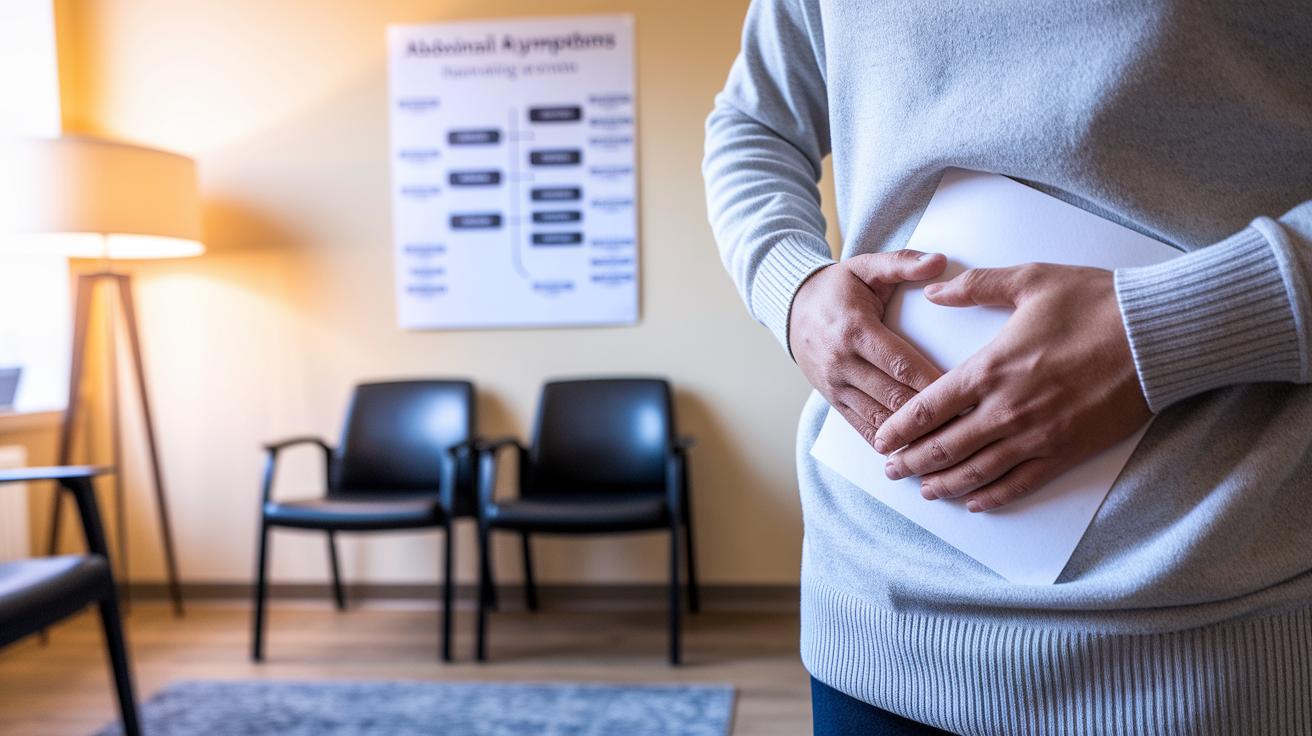
Quick take: If your pain stays the same or gets worse after 24–48 hours, you need to see a doctor.
If you have any of these emergency signs, call emergency services now:
- Experience sudden, intense pain or signs of internal bleeding.
- Have a high fever or feel very chilly.
- Keep vomiting or see blood in your vomit or stool.
- Struggle to breathe or feel tightness in your chest.
Before heading to urgent care, try our simple flowchart for abdominal pain. It helps you decide if your symptoms need immediate care or can be watched for a short time.
Write down details about your symptoms. Note when they started, how strong the pain is, and any changes you notice. This record can help your healthcare provider understand what’s happening and make a faster diagnosis.
Preventing and Managing Chronic Discomfort in the Upper Left Abdomen
Acute Home Care
When you’re dealing with discomfort in your upper left abdomen, small daily habits can help ease your symptoms. Here are some simple steps you can try at home:
• Drink water throughout the day to keep your bowels moving smoothly.
• Eat fiber-rich foods like fruits, vegetables, and whole grains to support your digestion.
• Enjoy yogurt with live cultures (natural probiotics) to help balance your gut bacteria and ease cramping.
• Steer clear of trigger items such as caffeine, alcohol, and spicy dishes that may worsen your pain.
• Practice deep breathing exercises: Sit comfortably, breathe in slowly for 4 counts, and then exhale for 4 counts.
Chronic Prevention Strategies
For long-term relief, it can help to build healthy habits into your daily routine:
• Keep a balanced diet with plenty of water and fiber to support regular digestion.
• Watch your posture by sitting and standing straight; if you sit for long periods, be sure to take breaks to move around.
• Lower your stress with activities like yoga or light exercise.
• Use simple stress management techniques such as taking short mindfulness breaks during your day.
| Key Area | Action |
|---|---|
| Hydration | Drink water consistently |
| Fiber | Eat fruits, vegetables, and whole grains |
| Gut Health | Include yogurt with live cultures |
| Trigger Foods | Avoid caffeine, alcohol, and spicy meals |
| Stress | Practice deep breathing, yoga, or light exercise |
| Posture | Sit and stand with a straight back |
Final Words
In the action, you now have a clear guide on evaluating upper left abdominal discomfort. You learned how to spot key symptoms, review red flags, and understand common causes. The blog walked through diagnostic approaches, treatment steps, and home care options. Keep track of your symptoms and use these tips to decide if you need urgent care. Staying informed helps you take confident steps toward feeling better. Stay positive and take control of your health.
FAQ
Upper left abdominal pain that comes and goes
The upper left abdominal pain that comes and goes can be due to digestive issues, muscle strain, or spleen-related concerns. Tracking its frequency and triggers provides useful information for your clinician.
Woman pain in upper left side of stomach
The woman pain in the upper left side of the stomach may stem from digestive upset, muscular strain, or sometimes gynecologic issues. Monitoring the pain and any related symptoms helps determine the need for medical advice.
When should I worry about upper left abdominal pain
The worry about upper left abdominal pain should increase if it lasts beyond 24–48 hours or comes with fever, vomiting, blood in vomit or stool, chest tightness, or breathing difficulty. Consult a clinician if these red flags appear.
Upper left abdominal pain under ribs
The upper left abdominal pain under ribs can signal issues with the spleen, pancreas, or rib muscles. Sharp or persistent pain, especially if accompanied by other symptoms, warrants evaluation by a healthcare provider.
Upper left abdomen
The upper left abdomen refers to the area below the left rib cage and above the navel. It houses organs like your stomach, spleen, and part of the pancreas, which can contribute to discomfort if they become problematic.
Sharp pain upper left abdomen
The sharp pain in your upper left abdomen may be linked to digestive disturbances, muscle strain, or issues with nearby organs like the spleen. Noting details about the pain helps your clinician assess its cause.
Left side pain under ribs female
The left side pain under the ribs in females might be related to digestive, splenic, or muscle concerns, and in some cases, reproductive issues. Tracking symptoms and their triggers is key to determining if further care is needed.
Pain in lower left side of abdomen female
The pain in the lower left side of the abdomen for females could arise from gastrointestinal issues, ovarian conditions, or bowel problems. If the pain persists or worsens, consulting a healthcare provider is important.
Why does my upper left abdomen feel uncomfortable?
The discomfort in your upper left abdomen can be caused by digestive gas, indigestion, or muscle strain. Keeping an eye on when and how the discomfort occurs helps your clinician understand your symptoms better.
What organ is on the upper left side of my abdomen?
The upper left side of your abdomen contains organs such as the stomach, spleen (which filters your blood), and part of the pancreas, all of which can be sources of discomfort if problems arise.
What causes a dull ache in your left side?
The dull ache in your left side may result from gentle digestive irritation, muscle strain, or mild splenic issues. Observing the pain’s location, timing, and intensity can assist your clinician in making the right diagnosis.
What causes a dull ache under the left rib cage?
The dull ache under the left rib cage could be due to spleen conditions, indigestion, or muscle tension in the area. Tracking details such as how long the pain lasts and any triggers supports your clinician’s evaluation.