
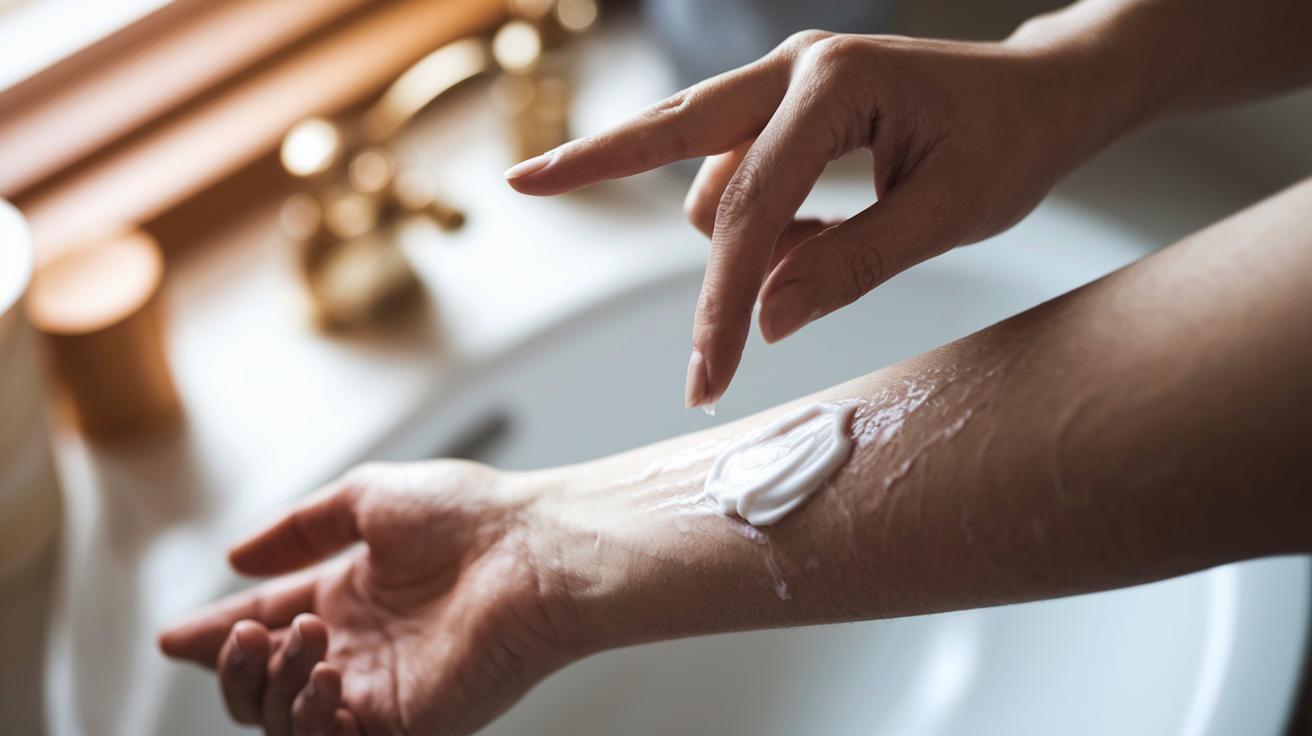

Quick take: Simple home care steps can help calm dry, itchy skin fast.
Triage:
• Call your doctor now if you see severe redness, swelling, burning, or signs of infection.
• Seek same-day care if the irritation worsens or doesn’t improve.
• For milder symptoms, use these home care tips.
Ever wonder if a quick fix might soothe your skin irritation? Many people think only strong treatments work, but gentle remedies can break the scratch-itch cycle and ease discomfort. Dry air and hot water take moisture from your skin, leaving it more prone to irritation.
Try these clear steps:
- Use cool water instead of hot to wash your skin.
- Switch to a mild, gentle cleanser.
- Moisturize immediately after bathing to lock in moisture.
These simple changes may help keep your skin comfortable while you monitor your symptoms. If your irritation worsens or you have any concerns, please reach out to your doctor.
Essential Treatments for Skin Irritation Relief
Quick take: Simple home care can soothe dry, itchy skin and help stop the scratch-itch cycle.
Triage Box:
• If you notice signs of infection like increased redness, warmth, pus, or fever, seek medical care immediately.
• If irritation spreads rapidly or causes severe pain, call for urgent help.
Skin irritation often happens when dry air, heating indoors, or hot water removes moisture from your skin. When your skin loses water, it can feel dry and itchy. This often leads you to scratch, which only makes the irritation worse. Knowing these common triggers helps you take quick steps to ease the itch and prevent more damage.
Here are some effective ways to relieve skin irritation:
• Use a moisturizer or petroleum jelly to lock in water and ease dryness.
• Apply an over-the-counter anti-itch cream, like 1% hydrocortisone, to calm mild inflammation and discomfort.
• Take oral antihistamines (such as cetirizine or loratadine) to reduce the itch caused by histamine release.
• In more serious cases, your doctor may prescribe stronger topical steroids or immune-modifying creams to help.
• For persistent or widespread irritation, consider seeing a dermatologist for treatments like light therapy.
Choosing the right treatment depends on how bad your irritation is and what is causing it. If your symptoms are light and come and go, start with home remedies and over-the-counter products. But if your irritation is stubborn or covers a large area, it may be time to get a clinician’s help. Acting now can prevent further damage and help keep your skin comfortable.
Understanding Causes of Skin Irritation and Matched Treatments
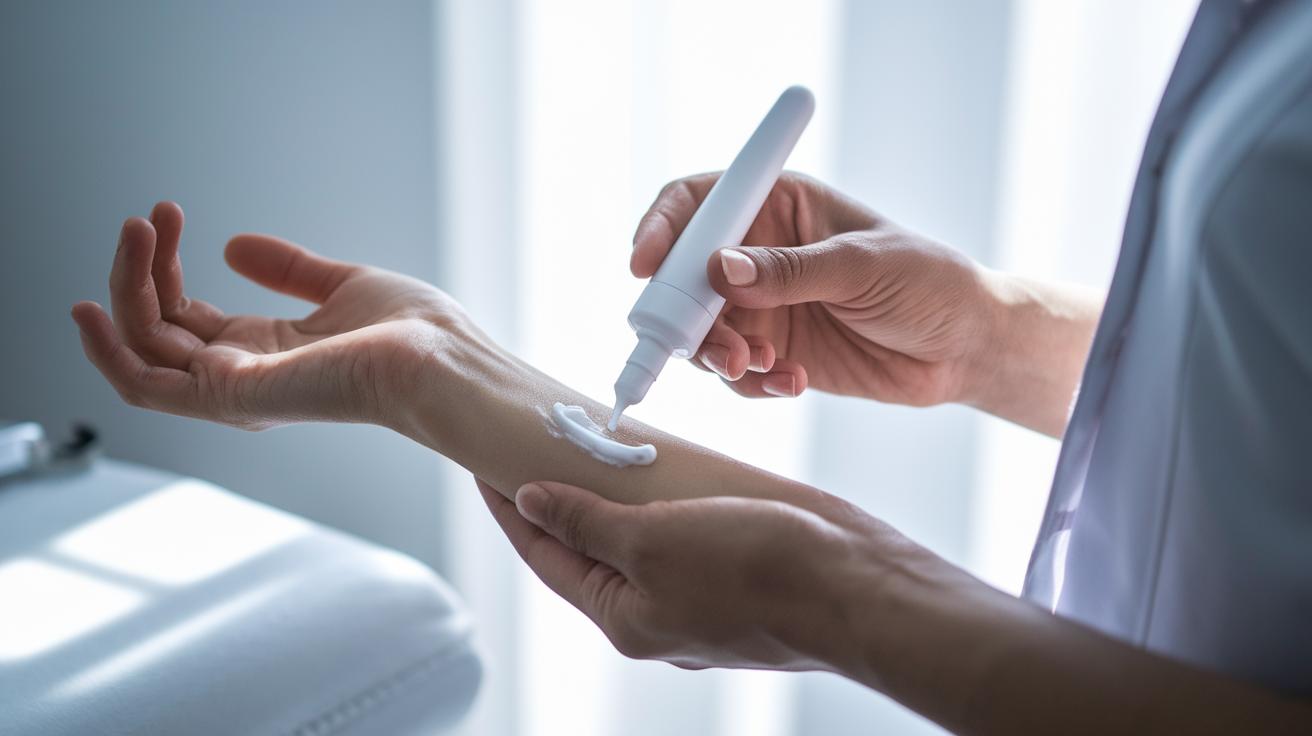
Quick take: Skin irritation can stem from simple dryness to allergic reactions. Most cases are manageable at home, but watch for signs that need urgent care.
Triage Box:
• Call emergency services now if you experience: severe, spreading redness; high fever or chills; intense pain or swelling; or signs of infection (pus, red streaks).
• Seek same-day medical attention if your symptoms worsen or you develop blistering or intense itching.
• Otherwise, monitor your symptoms and try basic home care.
Dry Skin
Dry skin happens when your skin loses too much water. It feels tight and rough. You can help by applying a fragrance-free cream or lotion to lock in moisture.
Allergic Contact Dermatitis
This irritation occurs when your skin meets an allergen (a substance that can cause an allergic reaction). Avoid the trigger and use a mild topical steroid cream to reduce swelling.
Eczema
Eczema, also called atopic dermatitis, often affects children. Use a gentle moisturizer (emollient) to soothe flare-ups. For severe cases, your clinician may prescribe a stronger cream.
Hives
Hives result from a histamine (a chemical that causes itching) release. They show up as sudden, itchy welts and usually get better with oral antihistamines.
Bug Bites
Bug bites can cause local swelling and irritation. A cold compress or a topical antihistamine gel can offer quick, temporary relief.
Fungal Infections
Fungal infections like athlete’s foot need a specific antifungal cream to clear the infection.
Dehydration
When you don’t drink enough water, skin irritation can feel worse. Drinking more water may help reduce discomfort quickly.
Home Remedies for Skin Irritation
Quick take: These simple remedies can help ease mild skin irritation quickly.
Triage Box:
If you notice any of the following, stop using home remedies and get help right away:
- Severe pain or swelling
- Fever or signs of an infection (oozing, pus)
- Rapid spread or worsening redness
Here are some at-home methods you can try for gentle relief:
- Cold compress: Wrap ice or a cold pack in a thin cloth and press it on the irritated skin for 10-15 minutes. This cool press can help numb the area and reduce swelling.
- Oatmeal bath: Mix 1 cup of finely ground oatmeal with warm bathwater. Soak for 15-20 minutes to ease itchiness and dryness.
- Fresh aloe vera gel: Scoop gel from a clean aloe leaf and apply it on dry, clean skin. Aloe has anti-inflammatory and germ-fighting benefits.
- Coconut oil: Rub a small amount of coconut oil on the affected area. It moisturizes while protecting the skin with its natural healing properties.
- Diluted tea tree oil: Blend a few drops of tea tree oil with a carrier oil like coconut or olive oil. Lightly dab on irritated spots to help fight inflammation.
- Baking soda paste: Stir baking soda with a few drops of water to form a paste. Apply to small, irritated areas to ease swelling.
- Indigo naturalis ointment: Follow the directions, usually applying twice daily, to soothe symptoms linked to atopic dermatitis.
- Diluted apple cider vinegar: Mix apple cider vinegar well with water. Gently dab on the scalp only if the skin is not broken, to help ease itchiness.
- Epsom salts soak: Dissolve 2 cups of Epsom salts in warm water. Soak for 15 minutes to calm discomfort and soften the skin.
Always do a patch test on a small part of your skin first to ensure the remedy does not cause further irritation.
Over-the-Counter and Prescription Treatments for Skin Irritation

Quick Take: Over-the-counter creams, antihistamines, and prescription treatments can help relieve mild to moderate skin irritation safely.
Triage Box:
• If you experience signs of severe infection such as worsening pain, fever, or spreading redness, call your doctor immediately.
• If swelling or trouble breathing develops, seek emergency care right away.
Over-the-counter creams can quickly ease mild skin irritation. For example, hydrocortisone 1% cream (a cream that calms inflammation) is available without a prescription. Use it twice a day for up to 2 weeks to reduce redness and soothe itchiness. It works well for simple irritation by calming your skin. If you have conditions like athlete’s foot or ringworm, antifungal creams and medicated shampoos are also available at your local pharmacy. Always follow the label instructions and check your skin for any changes while using these products. Applying them correctly can help stop the scratch-itch cycle.
Oral antihistamines offer another option for comfort. These medicines lower histamine (a chemical that triggers itching) in your body. Non-drowsy options like cetirizine and loratadine work well for daily relief, especially if allergies are causing your irritation. Diphenhydramine is useful at night because it can make you sleepy and soothe itching while you rest. Always take these medications exactly as directed to reduce the risk of side effects.
When home treatments are not enough, your doctor might prescribe stronger options. Dermatologists sometimes suggest mid- or high-strength topical corticosteroids (medicines that reduce inflammation) to manage stubborn irritation. For moderate to severe eczema, prescription immunosuppressants or biologic drugs might be needed to calm your body’s immune response. These stronger treatments require careful dosing and regular check-ins to help prevent side effects. With prescription care, your doctor can adjust treatment based on how your skin responds, ensuring you get the safe relief you need.
When to Seek Medical Attention for Skin Irritation
If your skin irritation lasts more than 2 weeks or you notice rapid spreading, an itch so bad it stops you from sleeping, red streaks, pus, or deep pain, it is time to see a doctor. These signs mean that simple home care might no longer be enough.
If over-the-counter creams or remedies don’t bring relief, a specialist may suggest treatments such as light therapy or stronger medications. For a professional evaluation and proper care, call 858-683-6953 during business hours (Mon–Fri, 7 am–7 pm).
Preventing Skin Irritation: Tips and Best Practices
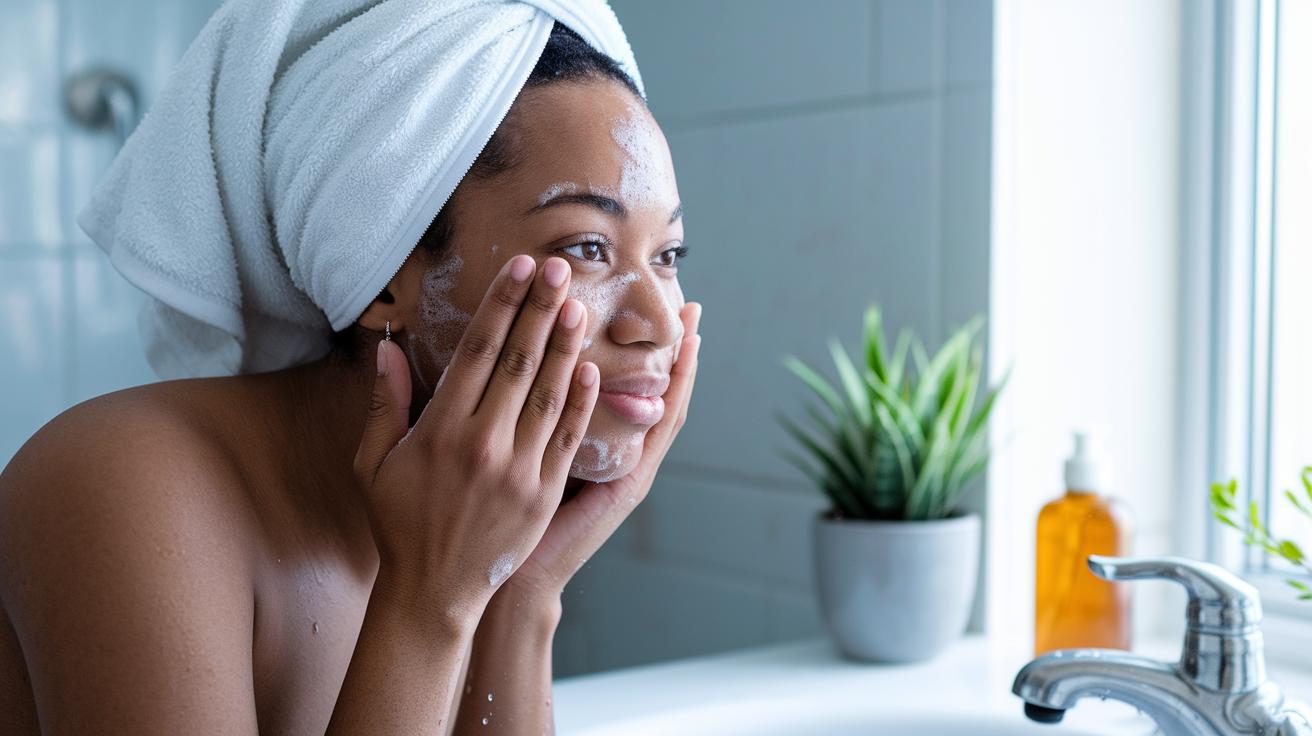
Quick take: A few simple changes can protect your skin and stop irritation fast.
• Use a gentle, fragrance-free cleanser and lukewarm water.
• Wash your skin gently and pat it dry, avoid harsh rubbing.
• Apply moisturizer within 3 minutes to lock in moisture.
• Keep your shower under 10 minutes to prevent drying out your skin.
• Choose soft, breathable clothes.
• Wear cotton or moisture-wicking fabrics to let your skin breathe.
• Use gloves when you work with cleaning chemicals to protect your hands.
• Opt for loose, comfortable clothing that minimizes friction.
• Care for your skin from the inside out.
• Stay well-hydrated by drinking water throughout the day.
• Eat a balanced diet with foods rich in vitamin A to help nourish your skin.
• Manage stress with deep breathing or short walks, since stress can trigger skin flare-ups.
• Test any new skincare products on a small patch of skin first.
• This simple step can help you avoid unwanted reactions before full use.
Stick to these steps to help keep your skin calm, reduce redness, and prevent irritation.
Final Words
In the action, we broke down home remedies, over-the-counter options, and prescription treatments to guide you through skin irritation relief. We covered causes like dry air and allergens, and mapped out red-flag signs that call for urgent help. The guide showed practical steps, from simple moisturizers to professional care, allowing you to choose the right treatment for skin irritation based on how severe your symptoms are. Keep these steps in mind to act quickly and safely while maintaining comfort and care.
FAQ
What medicines help treat skin rashes and itching?
The medicines for skin rashes and itching include over‐the‐counter tablets and creams like hydrocortisone and non-drowsy oral antihistamines such as cetirizine, which reduce inflammation and relieve itching.
What creams or ointments can be used for irritated skin?
The creams and ointments for irritated skin are typically OTC options like hydrocortisone 1% cream or anti-itch ointments, which help ease inflammation and discomfort. For tougher cases, a prescription may be needed.
What stops itching fast?
The fast relief for itching often comes from a cold compress or an OTC anti-itch cream, both of which help cool the skin and quickly reduce the urge to scratch.
What types of skin allergies exist and how are they treated?
The skin allergy types include contact dermatitis and other forms seen in pictures, which are treated by avoiding triggers and using topical steroids or antihistamines to ease the reaction.
How can pictures of skin rashes help in diagnosis?
The pictures of skin rashes serve as a visual guide that helps clinicians and caregivers match symptoms to potential conditions, assisting in choosing the right treatment path.
How should skin rashes in children be treated?
The treatment for skin rashes in children starts with gentle home remedies and OTC creams while monitoring symptoms closely, and seeking pediatric advice if the rash worsens or spreads.
How can a rash on the neck be treated?
The treatment for a rash on the neck involves using a soothing, fragrance-free moisturizer and an OTC anti-itch cream, along with avoiding irritants; medical advice should be sought if symptoms persist.