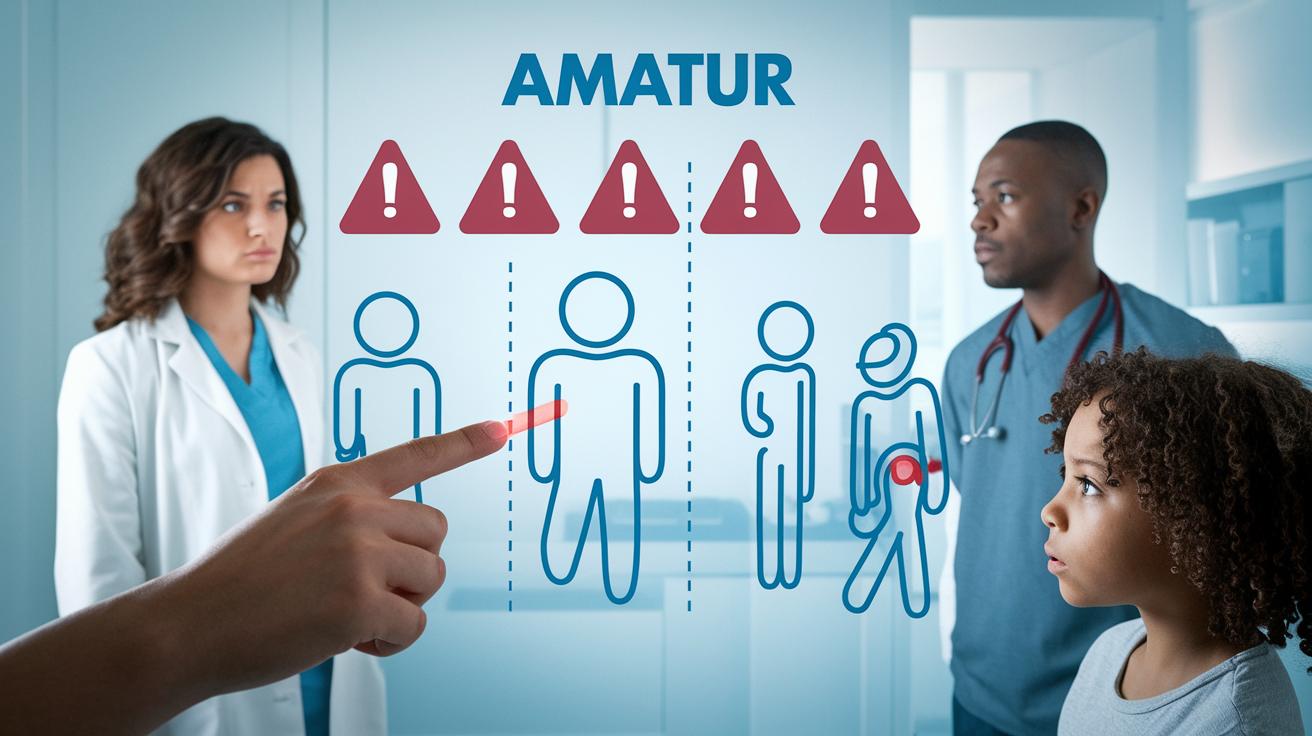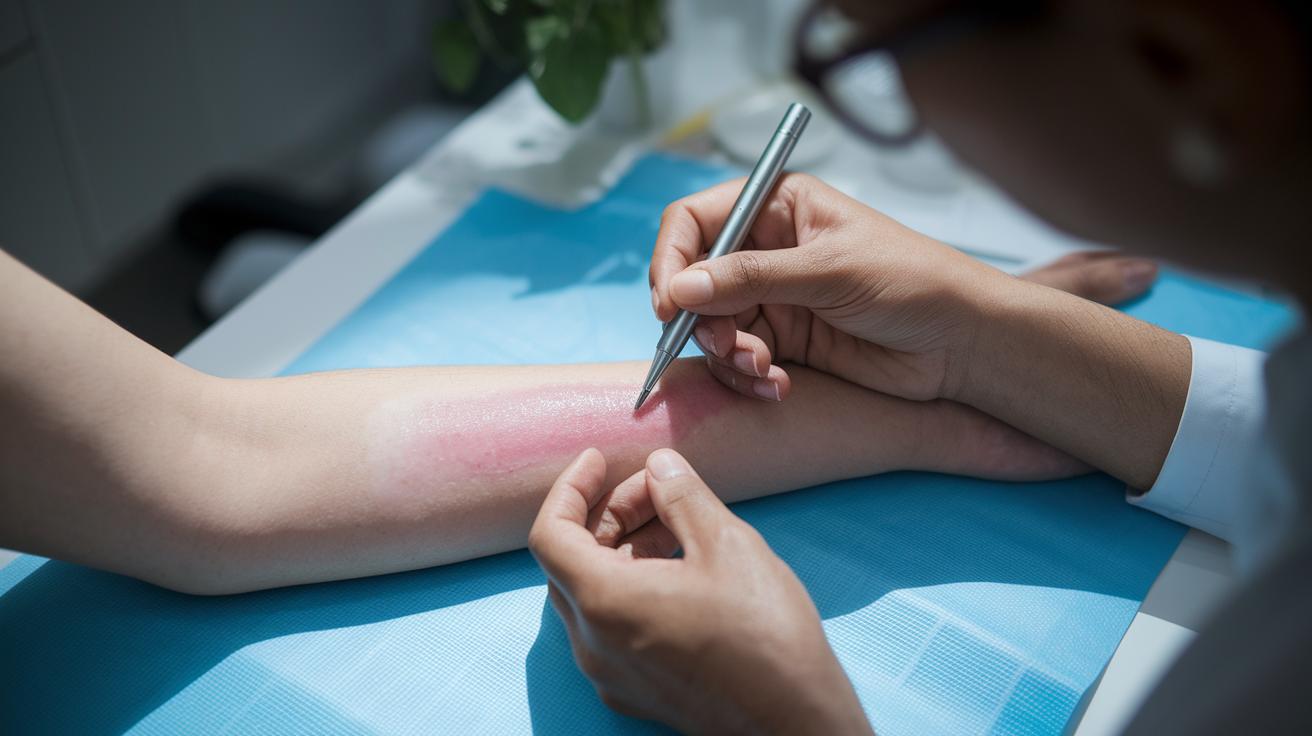
Quick take: A tiny skin bubble might be a simple irritation or an early sign of infection.
If you have any emergency signs like a high fever (over 102 F), severe pain, spreading redness, or swelling, call emergency services now.
• Urgent: If the bubble grows quickly, is very painful, or comes with chills, seek same-day medical attention.
• Self-care: If it’s a small, resting bubble with no other signs, keep an eye on it and use basic care.
Sometimes these small, watery blisters, called vesicles (small skin bubbles filled with fluid), appear from minor irritation, heat, friction, or an allergic reaction. They can also be an early sign of an infection.
What you can do now:
- Clean the area gently with soap and water.
- Avoid picking or scratching the bubble.
- Monitor for any changes like increasing pain, size, redness, or if you develop fever.
Write down what you notice, including the time and any new symptoms. This can help a clinician decide if you need more care.
Trust your instincts. If anything feels off or worsens, don’t wait, reach out to a healthcare provider.
Skin Lesion Vesicles: Definition and Key Characteristics
Quick Take: These tiny, watery blisters can signal mild skin irritation or an early sign of infection.
Triage Box:
- If you have a fever, severe pain, or the blisters spread quickly, seek urgent care.
- If a vesicle repeatedly breaks open or the area becomes very red and swollen, contact your clinician.
- For a few isolated vesicles with mild discomfort, monitor them at home.
Skin lesion vesicles are small, fluid-filled blisters that usually measure less than 5–10 mm across. They form when a clear, watery fluid (serous fluid) gathers between layers of the epidermis, which is your skin’s outer layer. Think of them as tiny bubbles that can appear on their own or in clusters.
For example, imagine a small bubble on your skin, less than 5 mm wide, holding a clear liquid. When a blister grows larger than 5 mm, doctors call it a bulla. This size difference helps clinicians understand the nature of the skin issue.
These vesicles differ from pustules. Pustules contain pus, a cloudy fluid with white blood cells that fight infection, while vesicles mostly hold clear fluid. They also differ from papules, which are solid, raised spots with no fluid.
Common symptoms include itching, pain, and a red area around the vesicle. Sometimes a vesicle may break open, leaving a tender, raw patch on your skin. Recognizing these signs can help you decide whether to keep a close eye on the spot or get advice from a clinician.
Appearance and Formation of Skin Vesicle Lesions
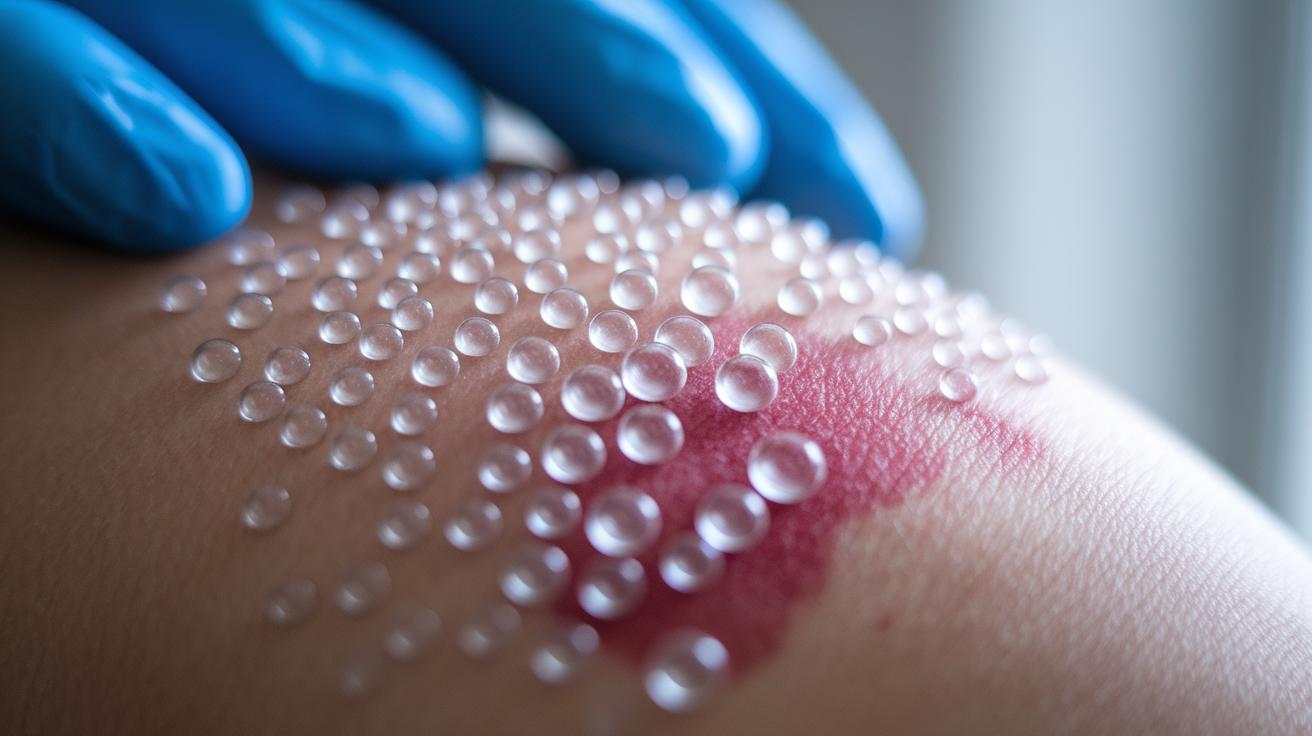
Quick Take: Vesicles are small, fluid-filled bumps that may signal an infection or allergic reaction. Watch for signs of worsening and act if needed.
If you notice any of these red flags, seek medical help right away:
- Severe pain or burning
- Spreading redness or swelling
- Pus or signs of infection (hot skin, fever)
Vesicles look like tiny bubbles on your skin. They are usually clear so you can see the watery fluid inside. Sometimes they have a red tint if the area is irritated or from an allergic reaction. These bumps can appear as a single spot or in groups.
They form when the bonds between the top skin cells break down. This lets a clear liquid (serous fluid) leak and build up under your skin’s top layer. In some cases, blood or extra fluid can mix in, which may change the color of the bump.
Understanding the look and feel of vesicles helps your healthcare provider decide if the cause is a viral infection or an allergic reaction. Keep an eye on any changes and talk to your clinician if you are concerned.
Common Causes of Skin Lesion Vesicles
Quick take: Vesicles on your skin can come from infections, irritants, burns, or autoimmune reactions.
Triage Box:
- If you develop fever, severe pain, or rapid swelling, call emergency services now.
- If the blisters spread quickly or become large, seek urgent care.
- If the vesicles are small and you only feel mild discomfort, monitor them and contact your doctor if they worsen or do not improve in a few days.
Infections like herpes simplex virus and varicella-zoster virus (the virus behind chickenpox and shingles) can cause small, clear vesicles. You might feel tingling or burning before the bubbles appear, sometimes in clusters or a band-like pattern.
Contact with an irritant or allergen can trigger contact dermatitis. This reaction makes your skin red and itchy and may produce small blisters where you touched something like a new cleaning product or a nickel accessory.
Friction or burns can also lead to vesicles. For example, rubbing from an ill-fitting shoe or a brief burn from a hot object can cause fluid-filled bumps to form.
Some autoimmune conditions, where your body mistakenly attacks healthy skin, can cause clusters of painful or itchy vesicles. Conditions like dermatitis herpetiformis or bullous pemphigoid fit this pattern.
Recognizing these signs helps you know when home care is enough or when you should reach out to a clinician.
Differentiating Vesicles from Other Skin Lesions
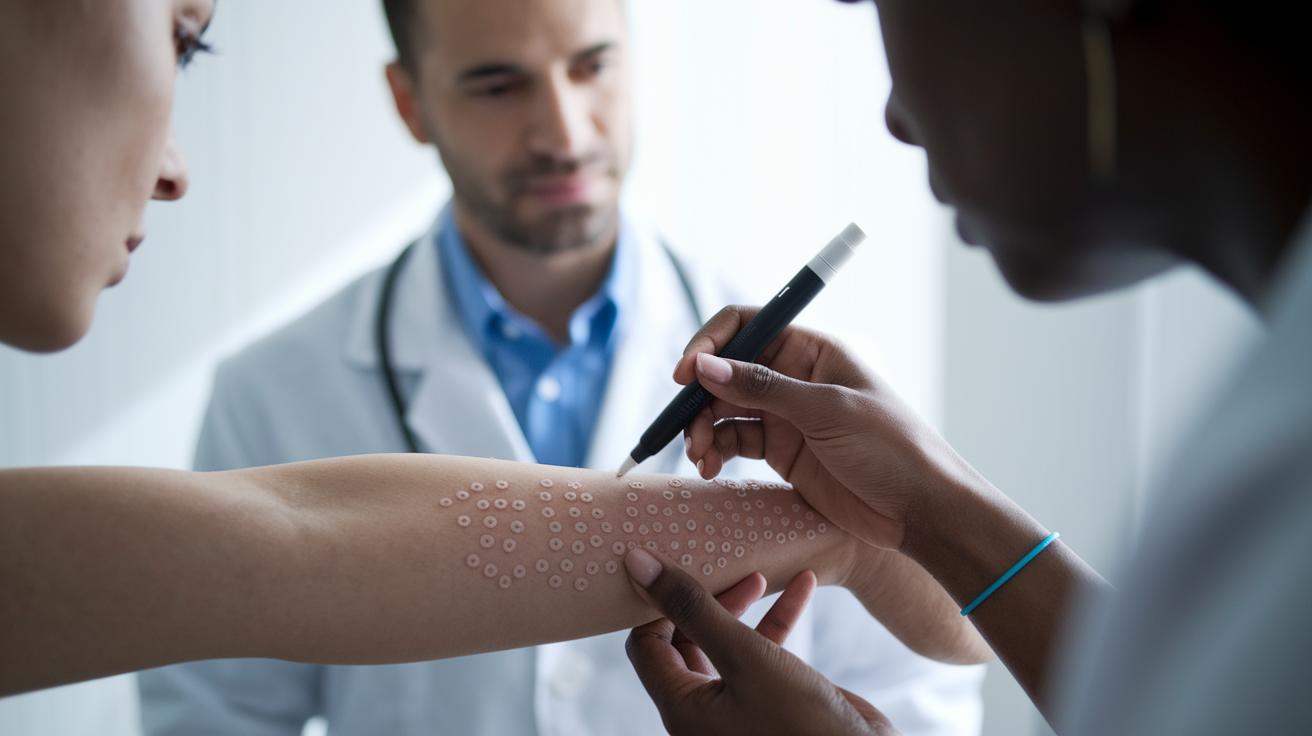
Quick take: If you see small, clear, blister-like skin bumps, it’s worth watching. If they come in clusters or are combined with fever or pain, get checked.
| Lesion Type | Key Feature | What It Means |
|---|---|---|
| Vesicle | Less than 5 mm, filled with clear fluid | Usually harmless. But if they appear in groups or you have a fever, consider getting them evaluated. |
| Bulla | More than 5 mm, clear fluid | Often appears after a burn or an allergic reaction. Seek care if they are painful or spreading. |
| Pustule | Filled with pus | Often a sign of infection. Clean gently and monitor if the redness or pain increases. |
| Papule | Small, solid, raised bump, under 5 mm | Usually not serious, but keep an eye on any changes in color or size. |
These clear markers can help you tell vesicles apart from other skin bumps. For example, if you notice a tiny, clear bubble that appears in a group and you also feel a mild fever, it might be a vesicle that needs further attention.
Diagnostic Approach to Vesicular Skin Lesions
Quick take: Vesicle skin lesions can stem from infections to autoimmune issues. Look at size, location, and fluid while noting timing and any trigger exposure.
Triage Box:
- Emergency: Call emergency services if you have a fever over 102 F, rapid spread of lesions, or severe pain.
- Urgent: See a doctor today if you experience high fever, intense pain, or trouble breathing.
- Watch & self-manage: If symptoms are mild, keep an eye on changes and follow up if they worsen.
The clinical exam starts by measuring the blister (vesicle) size, checking where they are on your skin, and noting the type of clear fluid inside. Using a close-up tool called dermoscopy (a device that magnifies skin details), clinicians can examine these bubbles and pick up small clues about the cause. It’s important to ask when the blisters first appeared, if you were exposed to any triggers, and whether you’ve experienced fever or a general feeling of being unwell.
Key laboratory tests help pinpoint the cause when the picture isn’t clear. For example:
| Test | Purpose |
|---|---|
| Tzanck smear | Detect herpes simplex (a virus that causes blisters) |
| Viral culture or PCR | Confirm varicella-zoster (the virus for chickenpox or shingles)Treatment Options for Skin Lesion Vesicles
Quick take: The best treatment depends on what is causing your skin vesicles. Triage:
For viral infections like herpes, your doctor may prescribe an antiviral medicine such as acyclovir. This helps ease pain and can make the outbreak shorter. If your vesicles show signs of a bacterial infection (more redness, heat, and pus), you might need an antibiotic. Your doctor can decide if you need a cream or pill form to fight the infection. When inflammation is causing discomfort, a steroid cream can calm the swelling and irritation. Many people feel better with this treatment. If a fungus is behind the vesicles, an antifungal medicine may be used. And if an autoimmune reaction is involved, your doctor might consider a medicine that lowers the immune response. You can also ease discomfort at home. A cool compress soothes your skin, and calamine lotion can reduce irritation. Discuss your symptoms with a clinician to choose the best plan for your situation. Self-Care and Home Management of Vesicle RashesQuick Take: Most vesicle rashes can be cared for at home if they aren’t causing severe pain or showing signs of a serious infection. Triage Box: Most vesicle rashes are mild. Here’s what you can do to help your skin feel better:
Watch your symptoms closely. If you notice more redness, increased pain, or other changes, note them and seek help if needed. Before using any new product, test it on a small patch of skin. If it causes irritation, stop using it right away. When to Seek Medical Care for Skin Lesion Vesicles
Quick take: If you notice skin vesicles that change fast or come with other serious signs, seek medical help immediately, especially if you are high-risk. High-risk groups include people with weak immune systems, older adults, and young children. For these patients, even small changes can become serious. Red flags to watch for:
If you see any of these signs, act now and get care from your doctor or clinic. Final WordsIn the action, we explored what a skin lesion vesicle is, its clear characteristics, and how it forms. We checked common triggers, compared it to similar bumps, and outlined key steps for diagnosis and treatment. Self-care tips and red flags for seeking help were also shared. Use this guide to quickly decide if your symptoms need urgent care, same-day review, or home care. Stay informed and cautious regarding any skin lesion vesicle, small steps today lead to healthier tomorrow. FAQVesicle skin lesion exampleA vesicle skin lesion example shows a small, fluid-filled blister under 5 mm in diameter, formed by serous fluid accumulating between layers of the epidermis, often presenting as a clear or translucent bump. Pictures of vesicles on skinPictures of vesicles on skin reveal raised, clear or translucent bubbles that may have a red, irritated surrounding if inflammation is present, providing a visual cue for diagnosis. Vesicles treatment and vesicle skin lesion treatmentVesicles treatment involves addressing the cause, using antivirals for infections, applying topical corticosteroids for irritation, and utilizing cool compresses to relieve discomfort while preventing secondary infections. Are vesicles blistersVesicles are a type of blister, defined by their small size—typically less than 5 mm—with clear, serous fluid, distinguishing them from larger blisters known as bullae. Vesicles causesVesicles causes include viral infections like herpes and chickenpox, allergic reactions from contact dermatitis, friction burns, and some autoimmune conditions, each triggering fluid accumulation under the skin. Are vesicles contagiousVesicles can be contagious when caused by viral infections such as herpes or chickenpox; however, vesicles from non-infectious causes, like allergic reactions, are not spread from person to person. Vesicles symptomsVesicles symptoms typically include itching, pain, and discomfort at the site of the lesions, with possible redness and irritation around the fluid-filled bump where the skin has been affected. What is a vesicle skin lesion?A vesicle skin lesion is a small, fluid-filled bump generally measuring less than 5 mm, containing serous fluid between the layers of the epidermis, and often appears as a clear, raised bubble. What does a vesicular lesion look like and what does a vesicle look like on the skin?A vesicular lesion appears as a raised, clear bubble that may be singular or clustered, typically with smooth edges and slight redness surrounding the area if irritation is present. What is the best treatment for vesicular lesions?The best treatment for vesicular lesions depends on the cause; it may involve antiviral medication for infections, topical corticosteroids for inflammation, and cool compresses for symptomatic relief. Subscribe Today GET EXCLUSIVE FULL ACCESS TO PREMIUM CONTENT SUPPORT NONPROFIT JOURNALISM EXPERT ANALYSIS OF AND EMERGING TRENDS IN CHILD WELFARE AND JUVENILE JUSTICE TOPICAL VIDEO WEBINARS Get unlimited access to our EXCLUSIVE Content and our archive of subscriber stories. Latest article |