

Quick take: Belly pain after a meal is often caused by cramps, bloating, or tension, and you can try simple home steps to ease it.
Triage Guidance:
• If you have severe pain that comes on suddenly, call emergency services now.
• If you notice fever, repeated vomiting, or blood in your vomit or stool, seek urgent care.
• If the pain lasts more than 3 days or gets worse, contact your doctor.
Sometimes after eating, your belly may hurt because your muscles cramp or your stomach feels bloated. These symptoms can come on fast and make it hard to focus. At home, you can ease discomfort by taking a few careful steps.
Try these simple ideas:
• Sip water slowly to stay hydrated.
• Use a gentle heat pack on your belly to calm muscle tension.
• Practice slow, deep breathing to help relax your body.
These steps work together to soothe your upset stomach and help your digestion get back on track. Use these tips to find what makes you feel better today.
Rapid Relief Techniques for Belly Pain at Home
When belly pain hits, quick steps can help you feel better fast. You can ease pressure on your stomach and reduce muscle tension with simple actions.
Taking fast measures matters because your body can respond quickly. Gentle heat and slow breathing can help ease cramps and bloating. These easy tips work together to support your digestion and calm your upset tummy.
- Sip water or mild herbal tea slowly.
- Sit upright or prop yourself up with a pillow.
- Use a warm compress or take a warm bath.
- Chew sugar-free gum to help swallow less air.
- Practice slow belly breathing to let out trapped gas.
Be careful not to use very hot packs. Always cover a heating pad with a cloth and keep it warm, not scorching. Drink at least 8 oz of liquids each hour to aid digestion and avoid dehydration. Staying upright can also help reduce abdominal pressure. These simple steps let your body recover safely while easing your pain.
Common Causes of Belly Pain Explained
Quick take: Belly pain is usually mild and linked to normal digestion, but watch for warning signs.
Triage Box:
• If you have severe, constant pain, call emergency services now.
• If you notice blood in your stool or vomit, seek urgent care.
• If you have a high fever or sudden weight loss, speak with a doctor immediately.
Belly pain often feels like mild cramps or a dull ache. You may also feel bloated, and your lower stomach might feel tight after eating. This pain usually happens because of everyday processes like gas buildup or mild indigestion (upset stomach). Changing your position or moving around may cause the pain to lessen or change.
Certain foods and habits may trigger your pain. Greasy or spicy meals, alcohol, and caffeine can upset your stomach. Overeating or drinking fizzy drinks can stretch your digestive system, leading to cramps and extra gas. Stress can also increase stomach acid and make your belly feel more sensitive.
For most people, these triggers cause temporary pain that gets better with rest, drinking water, and small changes in what you eat. However, if your pain becomes very strong, lasts several days, or comes with other troubling signs like changes in bowel habits or unexpected weight loss, it is important to talk to your healthcare provider.
Top Natural Remedies for Belly Pain
Quick Take: These natural tips can ease mild belly pain fast. But if your discomfort grows worse or lasts more than 3 days, see a healthcare provider.
If you have any of these emergency signs, call emergency services now:
- Severe, sharp pain that suddenly worsens
- Stools with blood or black tarry stools
- High fever or signs of dehydration
Urgent: If your pain does not feel better after self-care, seek same-day medical advice.
Self-Care Steps:
• Enjoy a cup of peppermint tea. The menthol soothes your stomach muscles and can calm spasms.
• Try an apple cider vinegar tonic. Mix 1 tbsp in 8 oz of water with 1 tsp of honey to help balance your stomach’s pH.
• Sip on fresh ginger infusion. Ginger (which contains gingerols) can decrease inflammation and help your stomach empty faster.
• Have a warm cup of chamomile tea before bed. It helps relax your digestive muscles and ease cramping.
• Follow the BRAT diet (bananas, rice, applesauce, toast) when your stomach is upset. These starchy foods are easy to digest and can firm up your stool.
• Mix ½ tsp of baking soda in 4 oz of warm water. This simple antacid helps neutralize excess stomach acid.
• Get moving with gentle exercise like walking or yoga. Light activity can help move trapped gas along.
• Soak in a warm Epsom salt bath or use a heating pad. The heat relaxes tense abdominal muscles and can reduce cramping.
Remember, start with small amounts to see how your body reacts. If you have chronic issues or allergies, check with a healthcare professional before using any of these remedies. These tips are meant for short-term relief of mild belly pain and are not a substitute for professional care if the pain worsens or persists.
Effective Over-the-Counter Solutions for Belly Pain
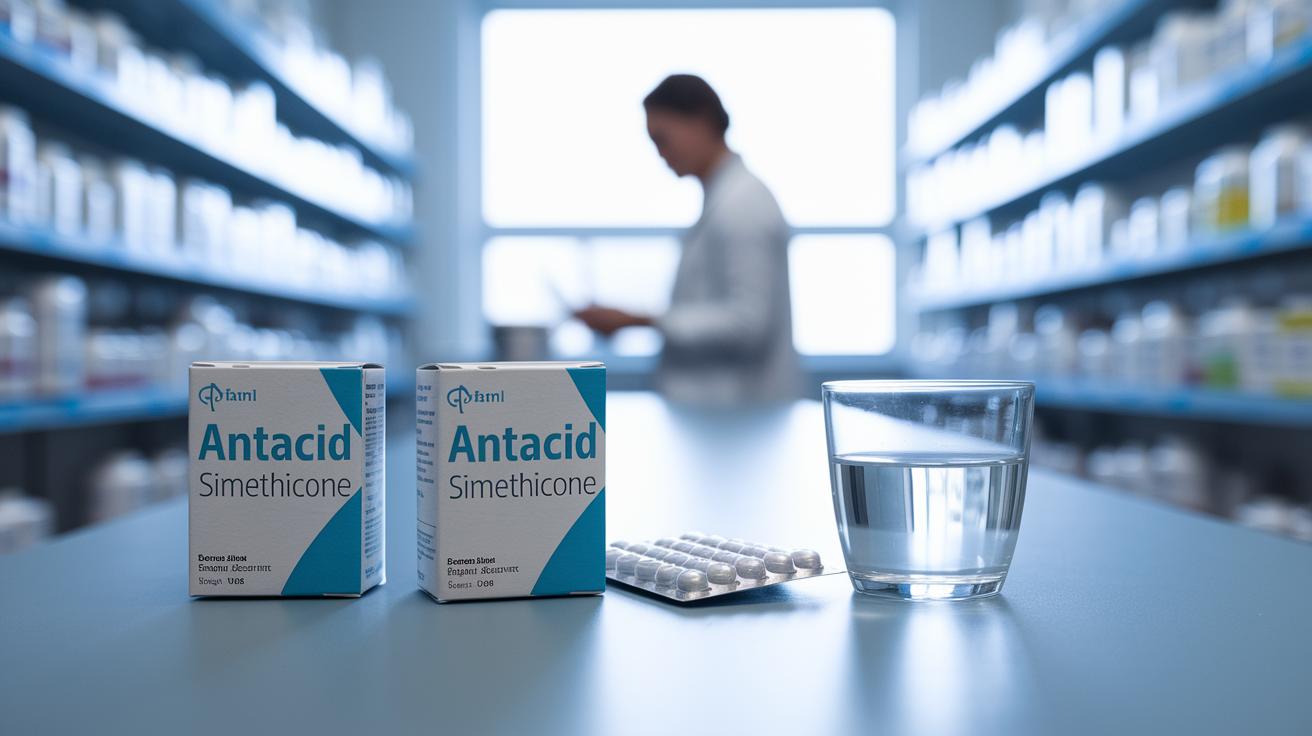
Quick take: Fast relief is possible with over-the-counter remedies, but keep a close watch on your symptoms.
Triage:
If you have any of these emergency signs, call emergency services now:
- Severe, crushing pain
- Blood in vomit or stool
- High fever (102 F or above)
If your pain worsens or lasts several days, seek same-day medical care.
Self-care: Follow all dosing instructions and monitor your symptoms carefully.
Over-the-counter options can ease belly pain quickly. Antacids (like those with calcium carbonate or sodium bicarbonate) work by neutralizing stomach acid in minutes. Simethicone tablets help break up gas bubbles to relieve bloating and discomfort. Pain relievers such as acetaminophen and ibuprofen lower pain and fever, though they do not treat diarrhea or nausea.
Always follow the dose instructions on the box or as directed by your healthcare provider. For example, take antacids when you feel pain or after meals. Scheduled doses of acetaminophen or ibuprofen can help keep you comfortable during flare-ups. Use these products only for a short time, and stop them if your symptoms do not improve after a few days.
Be cautious with over-the-counter remedies. Do not take NSAIDs (nonsteroidal anti-inflammatory drugs like ibuprofen) on an empty stomach, as this can irritate your digestive tract. Avoid mixing medications unless your clinician recommends it. Keep track of your symptoms and seek help if they worsen.
Diet and Lifestyle Adjustments to Reduce Belly Pain
Quick take: Simple meal choices, steady hydration, light movement, and stress relief can ease belly pain.
Triage Box:
- If you experience severe, stabbing pain or sudden high fever (over 102°F), call emergency services now.
- If pain worsens or you start vomiting blood or notice black stools, get urgent care.
- For milder symptoms, follow the steps below and watch your progress.
Plan your meals with controlled portions. Try small meals throughout the day instead of one big feast. This helps your stomach digest food more easily. For example, choose a small bowl of vegetable soup with lean chicken instead of a large, greasy burger. Lighter meals can keep your digestion on track and reduce painful bloating.
Keep yourself well-hydrated. Aim for at least 8 oz of water every hour if you can. Water or mild drinks work best over carbonated beverages, which may upset your tummy. Avoid high-caffeine drinks and alcohol since they raise stomach acid and can cause gas. A warm herbal tea like chamomile is a soothing choice.
Move gently throughout the day to boost digestion and ease pressure in your belly. Even a short walk, light cycling, or some simple yoga stretches can help move trapped gas. Sitting upright instead of hunching over may also relieve pressure. These small changes in how you move can lead to noticeable relief.
Manage stress with simple techniques. Try deep breathing, mindfulness, or light stretching to ease tension. Even a few quiet minutes for meditation can make a difference. Lower stress may help reduce stomach acid and make your digestion calmer.
Remember, if your symptoms don’t improve or if you see any red flags, be sure to seek help from your clinician.
Identifying Red Flag Belly Pain and When to Seek Medical Care

When you notice blood in your stool, rectal bleeding, severe vomiting, or unexplained weight loss, these could be signs that something serious is happening. That blood in your stool is a red flag that calls for immediate attention.
If your belly pain lasts more than 48 hours or your temperature rises above 101°F, contact a healthcare provider right away. Keeping track of when your symptoms start can help catch a worsening condition early.
For children, watch for signs like refusing to eat, unusual sleepiness, a very dry mouth, or fewer wet diapers than normal. These symptoms in kids are just as concerning and mean you should seek care quickly.
Here’s what you can do:
- Write down the time your symptoms started.
- Keep a simple log of what you see and feel.
- Reach out to your doctor if symptoms do not improve or get worse.
Final Words
In the action, we reviewed quick home tips for belly pain relief, from hydration and posture adjustments to warm compresses and natural remedies. We also explored common causes, over-the-counter options, and lifestyle changes that ease discomfort.
What helps belly pain includes practical steps like sipping water, staying upright, and using gentle heat. Keep an eye on red flags, adjust your habits, and take things one step at a time. Stay positive and proactive as you care for your health.
FAQ
How can you get rid of a stomach ache quickly?
Getting rid of stomach pain quickly often starts by sipping water, sitting upright, applying a warm compress, and practicing slow, deep breaths to help relax your abdominal muscles.
How can you stop stomach pain at night?
Stopping stomach pain at night can involve using a warm compress, staying slightly upright, and avoiding heavy meals late in the evening to ease digestion and reduce discomfort before sleep.
What types of stomach pain do females experience and what causes lower abdominal pain?
Females can have cramp-like, sharp, or dull stomach pain, often linked to digestion, menstrual cramps, or conditions involving reproductive organs that may trigger lower abdominal discomfort.
What home remedies help relieve stomach pain and gas immediately?
Home remedies that help ease stomach pain and gas include sipping water or herbal tea, using a warm compress, chewing sugar-free gum, and practicing gentle diaphragmatic breathing to relieve trapped gas.
What is the best over-the-counter medicine for relieving stomach pain?
The most common over-the-counter options include antacids, acetaminophen, or simethicone tablets, which help reduce pain and gas; always follow label directions and consult a doctor if symptoms persist.
What should be done when a child experiences stomach pain?
For children with stomach pain, monitor their symptoms closely, offer plenty of fluids and a light snack, and seek medical advice if the pain worsens, is accompanied by fever, or signs of dehydration appear.
How can stomach cramps during pregnancy be cured?
Easing stomach cramps during pregnancy can involve gentle remedies like a warm compress and staying well hydrated; always check with a healthcare provider before starting any remedy.