


Quick tip: Simple adjustments to your home can speed up your recovery.
If you’re not sure your home is ready after surgery, don’t worry, it’s easier than you think. A few easy changes can help lower your risk of falls and ease pain while you rebuild your strength. Begin by making small tweaks that create a comfortable, safe space for healing. In this guide, you’ll find clear, step-by-step tips to turn your living area into a recovery-friendly haven so you can focus on getting better.
Building Your Post-Surgery Recovery Plan at Home
A clear recovery plan helps you heal safely. By setting up your home with simple fixes, you can avoid trips, falls, and other delays in healing. This plan lets you take control and feel more confident during your recovery.
Focus on four key areas:
-
Set Up Your Environment
- Secure loose cords behind furniture.
- Adjust your bed to a safe, easy-to-reach height.
- Install grab bars in the shower and beside the toilet.
-
Manage Your Pain
- Keep your medications nearby.
- Set reminders to take them as prescribed.
-
Organize Wound Care
- Choose one spot for dressings and other medical supplies.
- Keep the area clean and easy to access.
-
Enhance Mobility and Comfort
- Arrange your living area with comfy seating and clear pathways.
- Keep frequently used kitchen items within easy reach.
- Check in with yourself for any signs of stress or strain.
This step-by-step plan brings together home care ideas with post-surgery guidelines. Taking these steps can help you enjoy a smooth and safe recovery.
Adapting Your Home Environment for Safe Post-Surgery Recovery

After surgery, making your home safe is key to avoiding falls and keeping your essentials nearby. Follow these steps to create a more secure space:
- Tuck electrical cords behind or under furniture so you don’t trip.
- Keep hallways and rooms clear of clutter to help you move safely.
- Adjust your bed to a height that makes it easier to get in and out.
- Use non-slip mats in wet areas like the bathroom and kitchen.
- Install grab bars in the shower and next to the toilet to give you extra support.
- If you need more help, consider adding a bedside commode or a shower chair.
- Store your medical supplies, such as dressings and medications, in one clearly marked spot at waist level.
Review your setup every week to spot any new hazards or adjustments you might need.
Effective Pain Management Tips After Surgery
Quick take: Take your pain meds early so you keep your pain under control.
Triage:
If you notice any of these warning signs, call your doctor immediately:
- Pain that gets worse even after taking your medicine
- Signs of infection such as fever, redness, or swelling near the surgery area
- Trouble breathing
Self-care steps:
- Take your pain medicine on schedule, don’t wait until your pain is bad.
- Rate your pain on a scale from 1 to 10 to track changes.
- Use your prescribed pain medicine along with ice packs to help reduce swelling.
- Do deep breathing exercises (slow, steady breaths) three times a day to help relax.
- Listen to calm music and try gentle therapies like massage or physical therapy if needed.
It is very important to stick to your dosing schedule. Keep a simple log where you write down the time you take each medicine, your pain level, and any changes you notice. This log helps you and your doctor adjust your pain plan if you see a big jump, for example, if your pain goes from a 4 to a 7. By tracking your pain, your care team can decide if you need extra help, like a TENS device (a small machine that uses gentle electrical pulses for pain relief) under professional guidance. This practical approach helps you stay in control and supports a smoother healing process.
Essential Wound Care and Infection Prevention at Home
Quick take: Keep your wound clean and watch for changes.
Triage Box:
• Red flags: Increased redness, swelling, foul smell, or discharge.
• Urgent: If pain or swelling gets worse, contact your provider right away.
• Self-care: Clean your wound as instructed and change the dressing regularly.
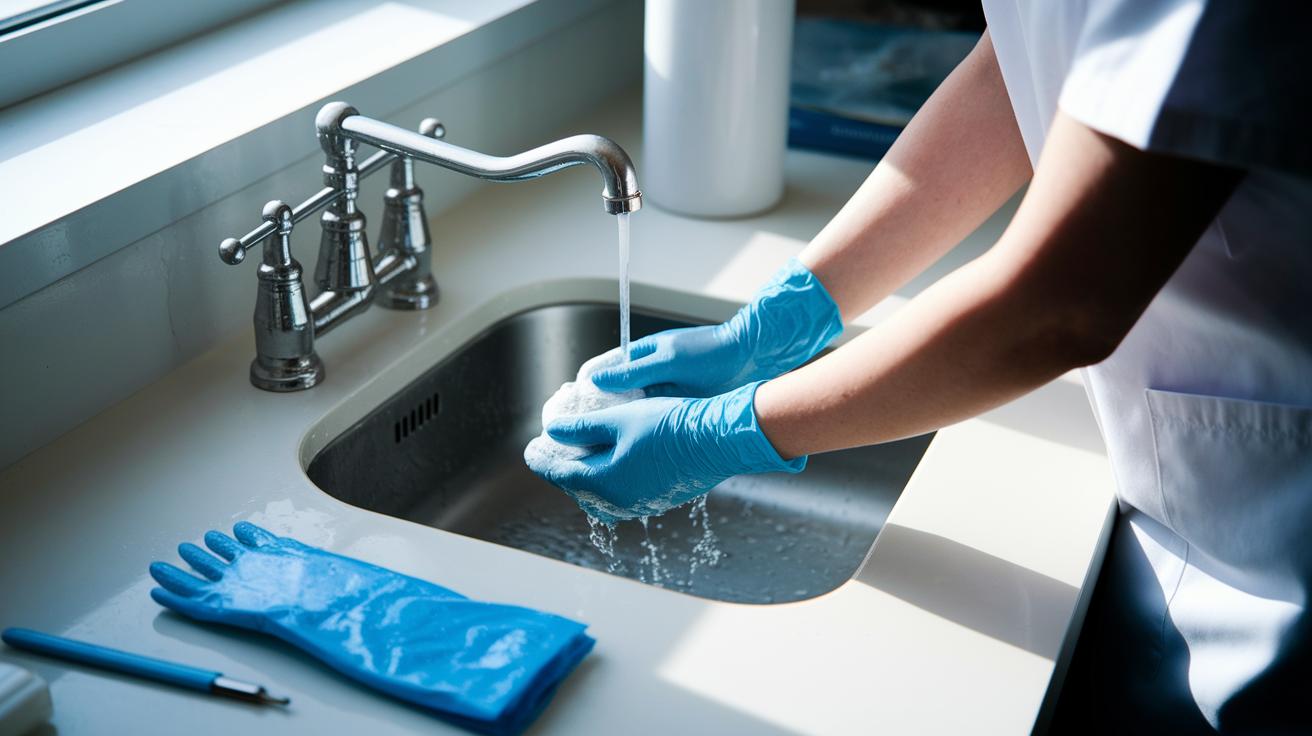
Start by washing your hands well with soap and water for 20 seconds. Use clean gloves if you have them. This keeps germs away from your incision.
Next, gently clean your wound with sterile saline (salt water made for wounds) as your surgeon advised. Then, cover the area with fresh, sterile gauze and secure it. Change the dressing every 24 hours or sooner if it gets wet or dirty.
Keep an eye out for signs like redness, swelling, a bad odor, or any discharge from the wound. When you shower, keep the area covered to protect it from water.
If you see any red flags or your pain and swelling increase, stop your home care and call your provider. If the wound does not show signs of improvement within a day, have a healthcare professional check it. Sticking to a clean routine can help your wound heal and keep complications away.
Nutrition and Hydration Strategies for Faster Healing
Fuel your recovery with a balanced diet. Every meal should have lean protein (like chicken, fish, beans, or tofu) to help rebuild tissue, plus fruits, vegetables, and whole grains for fiber that keeps you regular. Adding anti-inflammatory foods such as berries, leafy greens, and fatty fish can reduce swelling and boost healing.
Patients who eat balanced meals often regain energy faster and improve their mobility. Start your plate with a lean protein source, add a variety of colorful vegetables, and include whole grains. If your surgeon suggests a multivitamin, consider adding it as part of your plan.
If your appetite is low, try small, frequent meals. This way, you get steady nutrients without feeling too full. Also, drink about eight 8-oz glasses of water daily. Staying hydrated helps move nutrients where they’re needed and flush out waste. Keep an eye on salt intake to help reduce swelling.
If you have questions about your diet or need a custom meal plan, talk with a dietitian.
Gentle Mobility and Home Exercise Routines Post Surgery

Quick take: Start with small, gentle moves and slowly build up your strength while following your physical therapist's advice.
When you begin, try simple lower-body exercises. For example, do ankle pumps and circles (rotating your feet) to help blood flow and lower your risk of clots. Seated leg lifts and knee bends are also great for easing your leg muscles back into strength without overdoing it.
As you start to feel steadier, move on to short, supervised hallway walks with a gait aid (such as a walker or cane). These brief walks can boost your endurance and help you feel more safe moving around your home.
For your upper body, use gentle moves like slow shoulder rolls and arm raises. If you have had surgery on your upper body, these exercises can strengthen you without putting too much stress on your muscles. Practice moving from a standing to a sitting position using a sturdy chair to help improve your balance and core strength. If moving on your own is still hard, try a motorized scooter or walker for trips in your home, like going to the kitchen or living area.
Always talk to your physical therapist before you increase how hard you work or add new exercises. Their advice helps ensure you progress steadily and safely.
Rest, Sleep Hygiene, and Emotional Wellness During Recovery
You can sleep better when your room is calm. Keep your room cool and dark. Use supportive pillows or an adjustable bed if you need extra comfort.
Build a steady bedtime routine to signal your body that it is time to sleep. For example, turn off screens, lower the lights, and start a quiet activity like reading. You might say, “At 9 pm, I switch off my phone, dim the lights, and relax with a book.”
Add mindfulness to your evenings. Use a guided meditation or mindfulness app to ease racing thoughts. Try deep breathing exercises or listen to soft, ambient sounds. This helps calm your mind and lower stress.
During the day, try these simple steps to boost your mood:
- Keep a gratitude journal or scrapbook to note moments of joy.
- Take short breaks outdoors to enjoy some sunshine and boost vitamin D.
- If stress or sadness lingers, reach out to a mental-health professional.
These steps help ensure your mind and body get the rest they need to recover.
Monitoring Your Recovery and When to Seek Medical Help

Quick take: After surgery, keep a daily record of your symptoms so you can get help quickly if needed.
| Red Flags | Urgent Actions | Self-Care Steps |
|---|---|---|
|
If you see any of these signs, get urgent care right away. |
|
After your surgery, it’s very important to monitor how you feel every day. Use a notebook or a recovery app to track your temperature, blood pressure, and any new or unusual pain. These notes help your doctor see how you’re healing and decide if your care needs to change.
Keep a clear symptom journal, and share your updates with your care team during telehealth or in-person visits. This steady tracking helps catch small changes early so you can get treatment adjustments if needed. Stay on top of your recovery for a safe and smooth healing process.
Final Words
In the action, you explored how to build a solid post-surgery recovery plan by making your home safe, managing pain, caring for wounds, and boosting nutrition and mobility. You also learned simple ways to improve sleep and emotional well-being, along with tips to monitor progress and recognize red flags. These post surgery home recovery tips are practical steps to help you move forward confidently. Each adjustment brings you closer to a smoother, positive recovery.
FAQ
Q: What is a post surgery checklist?
A: The post surgery checklist includes preparing your home and gathering supplies for comfort and safety, such as securing cords, setting an accessible bed height, and arranging support for a smoother recovery.
Q: How can you heal surgery wounds or stitches faster naturally?
A: Healing surgery wounds or stitches faster naturally involves keeping the area clean, following care instructions, using gentle cleansing agents, and supporting healing with a balanced diet and possibly vitamin supplements as advised by your clinician.
Q: How can you speed up healing after surgery?
A: Speeding up healing after surgery means following your care plan closely, managing pain effectively, eating nutritious foods, staying as active as allowed, and monitoring for signs of infection to ensure a steady recovery.
Q: What does post surgery recovery mean?
A: Post surgery recovery means the gradual process of healing after an operation, which includes proper wound care, pain management, mobility exercises, nutritional support, and monitoring for any complications.
Q: Which supplements might help heal faster after surgery?
A: Supplements that may support faster healing include vitamin C, zinc, and protein shakes, as they can aid tissue repair. Always check with your healthcare provider before adding any supplements to your routine.
Q: What are some effective post surgery recovery tips?
A: Effective post surgery recovery tips include adhering to your care plan, keeping wounds clean, managing pain with prescribed methods, enjoying gentle mobility, eating a balanced diet, and ensuring your home environment is safe and clutter-free.
Q: What are the “5 W’s” after surgery?
A: The “5 W’s” after surgery usually refer to key questions: Who is your care team, What symptoms to watch for, When to take medications, Where to seek help, and Why each step in your recovery plan is essential.
Q: How can you keep busy and safely recover at home after surgery?
A: Keeping busy at home during recovery can involve light activities like reading, puzzles, or watching favorite programs. These activities help maintain mental wellbeing while allowing you to focus on healing safely.