
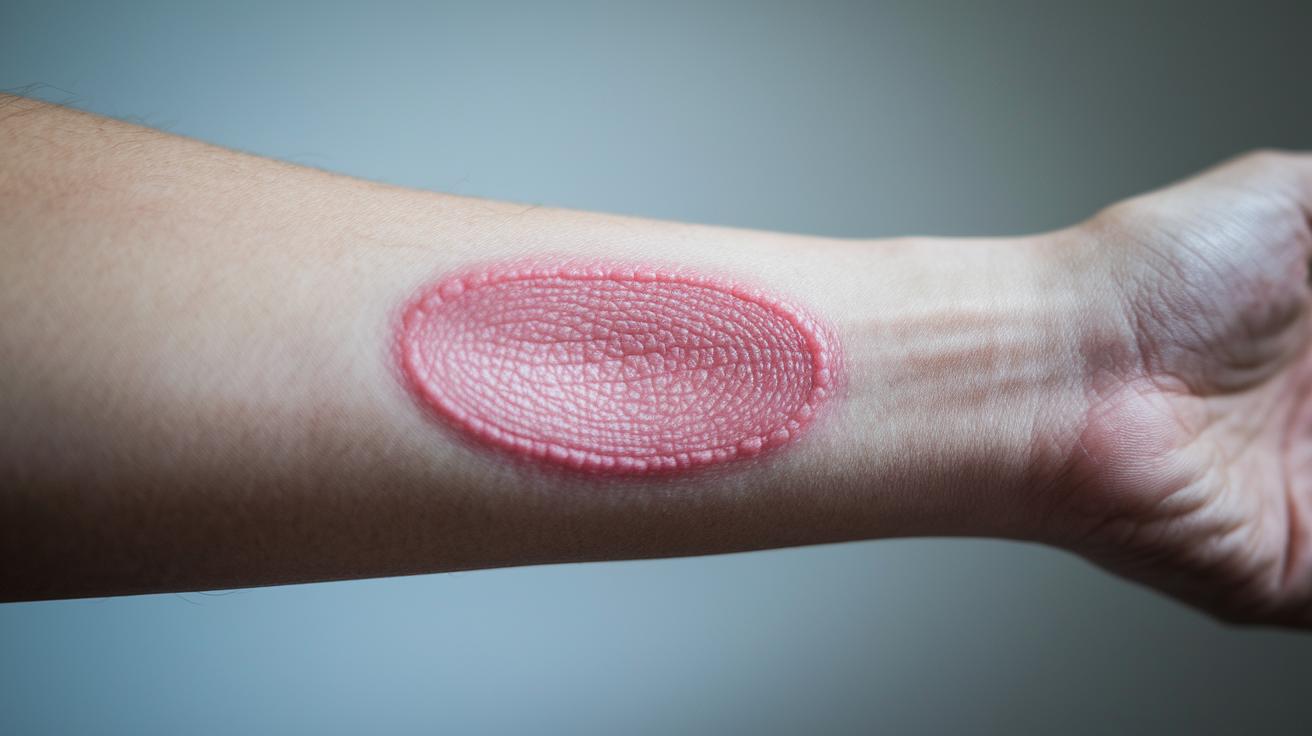

Quick take: A papule is a small, raised bump on your skin that could be a sign of a minor infection or blocked pore.
If you notice a papule, look for any signs of trouble. Call emergency services if you see sudden swelling, severe pain, or if the area becomes very red and hot. Otherwise, keep an eye on it and seek same-day care if it worsens.
A papule is more than just a simple mark. It might show up because of a tiny infection or clogged pore that can sometimes lead to acne. Knowing what a papule is and why it happens helps you understand what your body is telling you.
In this guide, you'll find clear explanations about papules, including common causes and steps you can take. Track any changes in size, color, or discomfort, and use this information to decide when to get help. By understanding papules better, you can feel more confident about taking care of your skin.
Defining Papule: A Clear Identification of the Skin Lesion Papule
A papule is a small bump on your skin. It is raised, solid, and less than 1 cm (0.4 in) wide. This bump does not have any liquid inside. It can feel soft or firm and might be smooth or a bit rough. The color can change from skin-tone to red, brown, or purple based on what is causing it and your skin tone.
Papules come straight from skin problems. They are called primary skin lesions because they form directly from an underlying condition, like blocked pores that cause acne.
- Size is under 1 cm (0.4 in)
- Texture can be soft or firm; the surface may be smooth or rough
- Colors vary; they might look skin-toned, red, brown, or purple
- The bump is solid with no fluid inside
- It has clear, defined edges
Unlike other skin bumps, papules are different from nodules, which are larger and extend deeper into the skin, and from cysts, which usually contain a liquid. Other lesions, such as pustules (bumps with pus) and wheals (temporary allergic bumps), have their own unique features.
Underlying Causes and Pathophysiology of Papule Formation
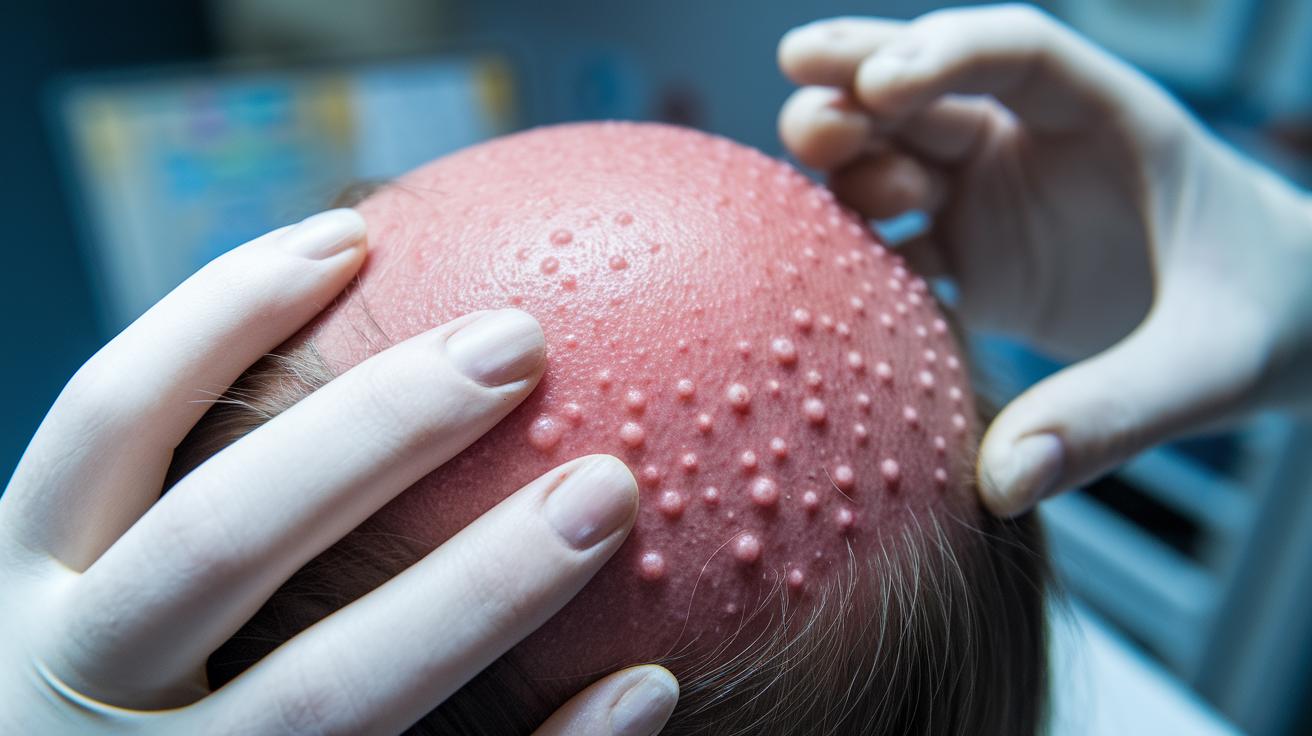
Papules are small, raised bumps that form when your skin becomes inflamed. This happens when an infection or an allergen irritates your skin. Your immune system sends cells to the spot, causing swelling (extra fluid) and thickening of the skin’s top layer. When these changes add up, you get a papule.
Many things can trigger these bumps. Bacterial, viral, or fungal infections set off your body’s defense system. Allergic reactions can do the same. For example, acne happens when blocked pores trap oil and dead skin cells, leading to local irritation and papule formation. Sometimes, conditions that affect your whole body can also produce these bumps.
A strong immune reaction can make papules more noticeable. When your body reacts quickly to irritants or infections, cells gather, the area swells, and the skin thickens. Conditions such as autoimmune (the body attacking itself) or metabolic disorders can increase how often you get papules or make them last longer. Noticing patterns, like recurring bumps after certain triggers, can help doctors decide on the right treatment.
Clinical Features and Presentation of Skin Lesion Papules
Papules are small raised bumps on your skin that measure less than 1 cm (about 0.4 inches). They can appear alone or in groups, and their look may give clues about what is happening with your skin.
Visual and Textural Characteristics
Papules may feel soft or firm depending on what is causing them. They are usually round or dome shaped and can have a smooth or slightly rough surface. Their small size makes them stand out, especially if other skin spots are nearby. For instance, a papule may feel firm if it comes from a deeper inflammation, while it feels soft if it is caused by minor irritation.
The color of these bumps can vary. You might notice skin-toned, red, brown, or even purple papules. These color differences can be linked to changes in local blood flow or irritation of the skin. Such clues help tell if a papule is inflamed, part of an acne outbreak, or due to another skin condition.
Symptom Profile and Distribution
Some papules may come with a mild itch or a light tickle, though many do not cause any discomfort. In some cases, the skin around a papule might feel slightly tender when touched. These bumps often appear on the face, neck, or back, which are common areas for acne.
They can show up by themselves or in clusters. Noticing changes in their size, texture, or discomfort over time is important if you need to get medical advice.
Differential Diagnosis: Comparing Papules with Other Skin Lesions
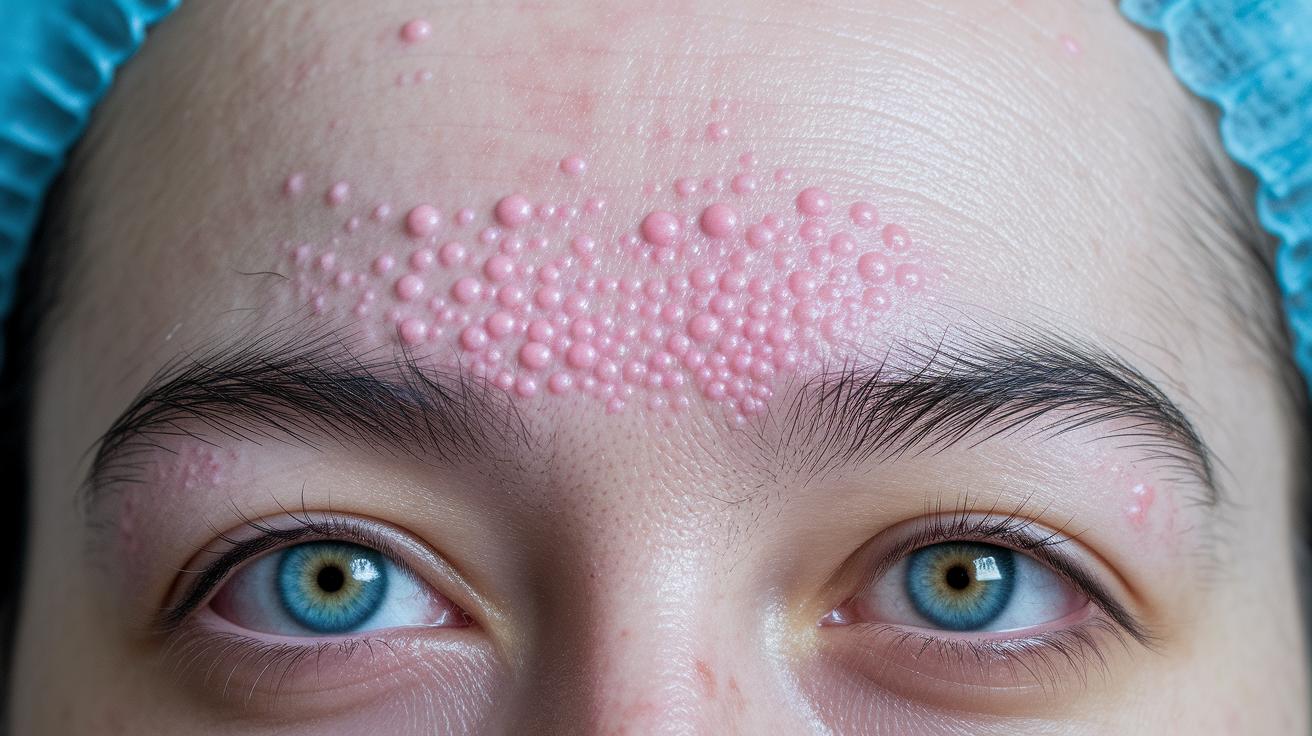
When you look at a skin bump like a papule, start by checking its shape, size, what it's made of, and how long it has been there. These details help you tell a simple papule from other types of bumps, guiding the best next steps for care. For example, a papule is a small, raised bump usually under 1 cm found near the skin’s surface, while a nodule is bigger and deeper, which can suggest a different cause. Noticing these differences can help you or a clinician decide if the bump is a papule or something else like a cyst (a sac filled with fluid), a pustule (a fluid-filled bump with pus), or a wheal (a raised, swollen area often from an allergic reaction).
| Lesion Type | Size | Content | Duration | Example Conditions |
|---|---|---|---|---|
| Papule | < 1 cm | Solid | Variable (often persistent) | Acne, inflammatory reactions |
| Nodule | > 1 cm | Solid | Long standing | Dermatofibroma, benign tumors |
| Cyst | Variable | Fluid-filled or semi-solid | Chronic | Epidermoid cyst |
| Pustule | < 1 cm | Pus | Acute | Acne, folliculitis |
| Wheal | Variable | Edematous (fluid) | Transient | Hives, allergic reactions |
Knowing the subtle differences between these skin bumps is very important. When you notice a bump is a papule rather than a nodule, cyst, pustule, or wheal, it gives you clear clues about what might be causing it and what to do next. Even small changes in size, what the bump is made of, or how long it lasts can be key in choosing the right treatment. By recognizing these details early, you help ensure that you receive the right care quickly and avoid possible complications later on.
Diagnostic and Examination Techniques for Papule Evaluation
Quick take: Start with a careful visual check and record what you see. If things look unusual, your doctor may use more detailed tools or order a biopsy.
Begin by looking closely at the papule with your eyes. Notice changes in size, shape, or color. Use a ruler or another measuring tool to note its size and record exactly where it is on your body. Taking clear photos in good light can help you and your doctor track any changes over time. This basic record helps decide if further testing is needed.
Dermoscopy and Imaging
Dermoscopy gives you a much closer look without needing to cut the skin. This simple tool shows important details like blood vessel patterns and the edge of the papule. High-resolution images highlight subtle color shifts and skin texture that you might not see otherwise. Doctors often use these detailed pictures to tell if a papule looks harmless or if it might need more tests.
Biopsy and Histopathology
If the visual check or images raise concerns, a biopsy might be needed. During a biopsy, a small piece of the lesion is removed and looked at under a microscope to check for abnormal cells. Histopathology (cell study under a microscope) confirms the diagnosis and helps rule out skin cancer. Although this method is more invasive, it is used only if the papule remains unusual or shows worrying features after initial checks.
Treatment and Management of Papular Skin Lesions
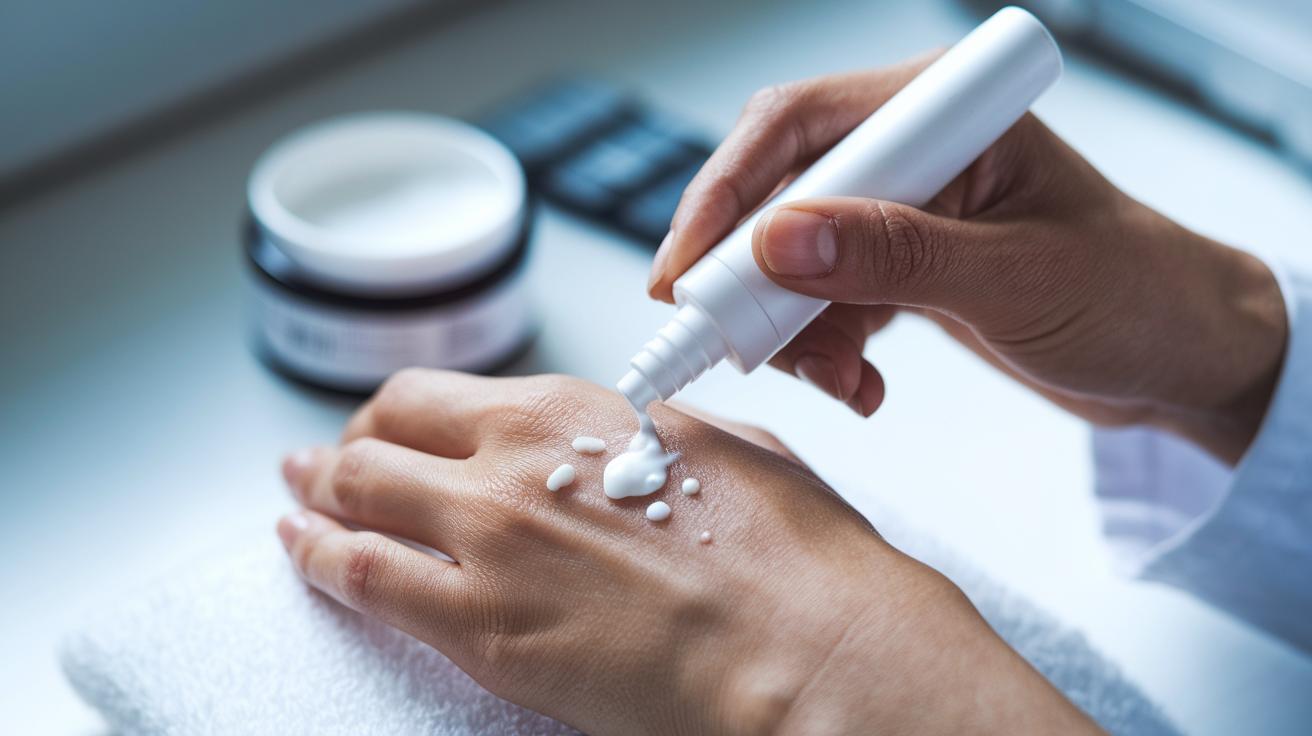
To manage these skin bumps, the first step is to find out what is causing them. Many times, you can treat papules with a mix of over-the-counter products and prescription medications. For a little redness or irritation, a cream like topical corticosteroid (a medicine that calms the skin) may help fast. If you have a bacterial infection behind the bumps, your doctor might prescribe an antibiotic cream that fights the germs. For acne-related bumps, topical retinoids (medicines that help unclog pores) work well to lower swelling and clear the skin. Remember, try not to scratch as this may lead to scars. Always follow the instructions on your product and watch out for any signs like your skin becoming too thin or more irritated.
Your treatment steps depend on why the bumps have appeared. If inflammation is the problem, your doctor might suggest anti-inflammatory creams like topical corticosteroids. For bacterial causes, antimicrobial creams or ointments are used to fight infection. Another option is cryotherapy, where controlled cold is applied to freeze and remove stubborn bumps. It is important to stick closely to your treatment plan and note any changes or reactions. Keeping track of your symptoms can help catch side effects early. If your bumps do not improve or get worse, it’s a good idea to see a dermatologist for more detailed care.
Prevention, Self-Care, and Patient Education for Papule Control
Quick take: Daily gentle care helps keep small, raised bumps (papules) in check.
Triage:
- If you have painful, fast-growing bumps, call emergency services now.
- If you notice new or changing bumps, seek same-day medical advice.
- Otherwise, stick to regular skin care and monitoring.
Taking care of your skin every day can help prevent papules. Use a mild cleanser to wash your face and body and choose a moisturizer that won’t clog your pores. Make sure to apply sun protection daily to block harmful rays that may trigger skin changes.
Drink plenty of water and maintain a balanced diet to support your skin’s natural barrier. Avoid substances that you know irritate your skin. When your skin feels aggravated, try a soothing home remedy like the ones recommended at how to calm skin irritation on face.
Watch your skin closely. Check for changes in the size, shape, or color of any bumps. Write down when you notice them, any discomfort you feel, and how they progress over time. Keeping a symptom diary can help you spot patterns early. If a papule changes or new bumps appear, contact your doctor promptly for evaluation.
Final Words
In the action of understanding your condition, this article covered the definition of a skin lesion papule, its causes, and how it differs from other skin findings. We explored what papules look like, examined diagnostic techniques, and discussed treatment methods along with self-care strategies. Keep track of any changes and follow simple steps at home. Staying alert to red flags can help you decide when to seek care. Embrace the knowledge shared here and take positive steps toward managing your skin health.
FAQ
Q: What type of skin lesion is a papule?
A: A papule is a small, solid, raised bump usually less than 1 cm in diameter. It is a primary skin lesion caused by an underlying process, and its appearance can vary with texture and color.
Q: What causes papules or papular lesions on the skin?
A: Papules or papular lesions develop from inflammatory responses, infections (bacterial, viral, or fungal), allergic reactions, or systemic conditions. For example, acne vulgaris can block follicles and cause inflammation.
Q: What does a skin papule look like?
A: A skin papule typically appears as a small bump with a smooth or rough feel. It may be skin-colored, red, brown, or purple, and can occur as a solitary spot or in clusters.
Q: What are the different types of skin lesions and how can they be identified?
A: Skin lesions include papules, nodules, plaques, and erosions. Papules are small and solid; nodules are larger and deeper; plaques are flat-topped; and erosions involve a loss of the top skin layer, making each distinct.
Q: How does the differential diagnosis of skin-colored papules work?
A: Differential diagnosis of skin-colored papules involves examining size, texture, and color while comparing them to conditions like acne or benign skin tags. This careful evaluation helps guide appropriate treatment and follow-up care.