
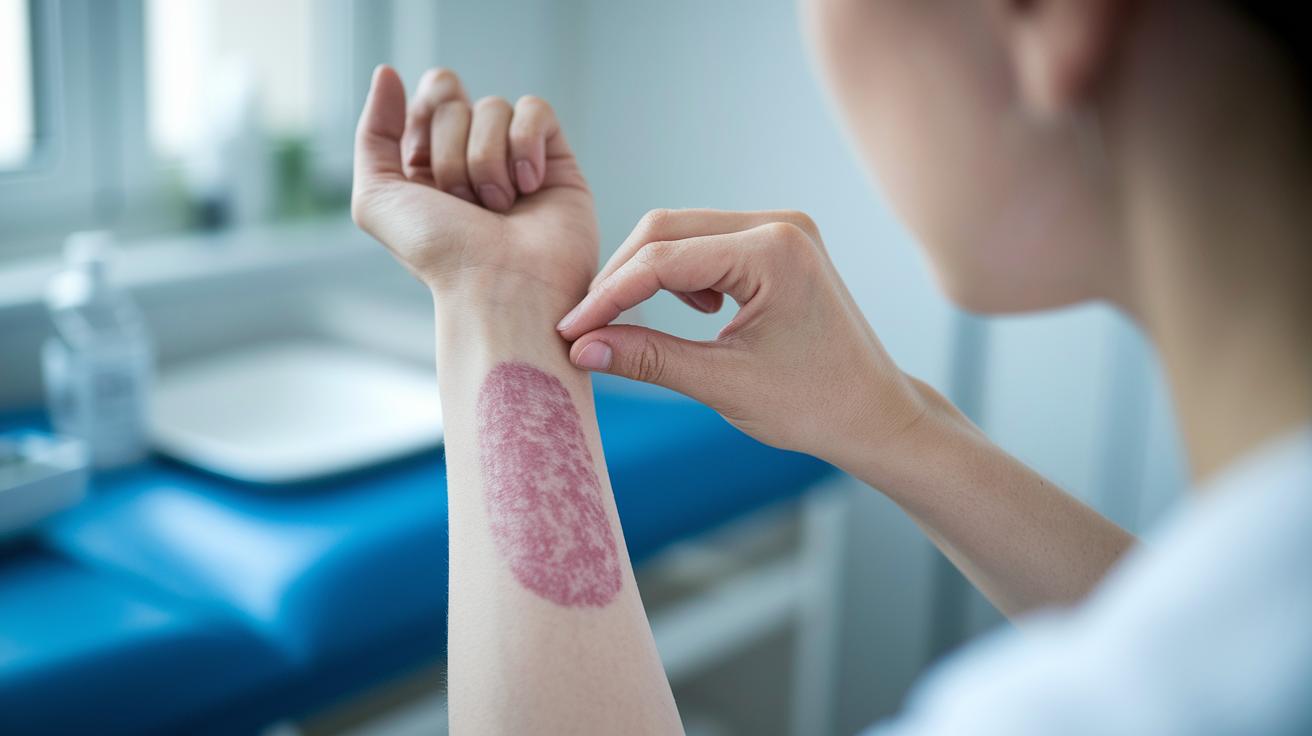

Quick Take: A changing skin spot can be a warning sign and might need prompt care.
If you have any of these signs, seek medical advice now:
• The spot grows quickly.
• It bleeds.
• Its color changes significantly.
Sometimes a mark on your skin is more than just a stain. If you notice it growing, bleeding, or changing color, it could be pointing to a problem that needs attention. It is important to check these changes early so you can act quickly and protect your health. Read on to see when you should have a skin spot examined and what signs mean you need urgent care.
Key Urgency Indicators for When to Get a Skin Lesion Checked
Quick take: Sudden changes in a skin spot can signal a serious issue and need prompt attention.
If you see any of these changes, seek a medical check-up right away:
- New growth: A bump or spot that wasn’t there before.
- Rapid change: A lesion that quickly changes in size, shape, or feel.
- Bleeding or oozing: A spot that bleeds, weeps, or forms a crust without healing.
- Persistent sore: An area that stays red or swollen and does not heal.
- New pain or itch: A spot that suddenly hurts or itches a lot.
- Changing color: A lesion showing several or shifting shades like brown, black, blue, or red.
- Irregular edges: A spot with uneven or jagged borders.
A skin lesion that changes fast deserves attention. Skin cancer is the most common cancer in the United States. Catching warning signs early can make treatment easier. Many people first find skin cancer because they notice a spot change after years of looking the same. Even if you are under 30, any sudden skin change is a reason to get it checked. Regular total body exams, especially after age 30, help you spot these changes from head to toe. Recognizing these signals can guide you to act quickly and protect your health.
Using the ABCDE Rule to Evaluate Suspicious Skin Lesions
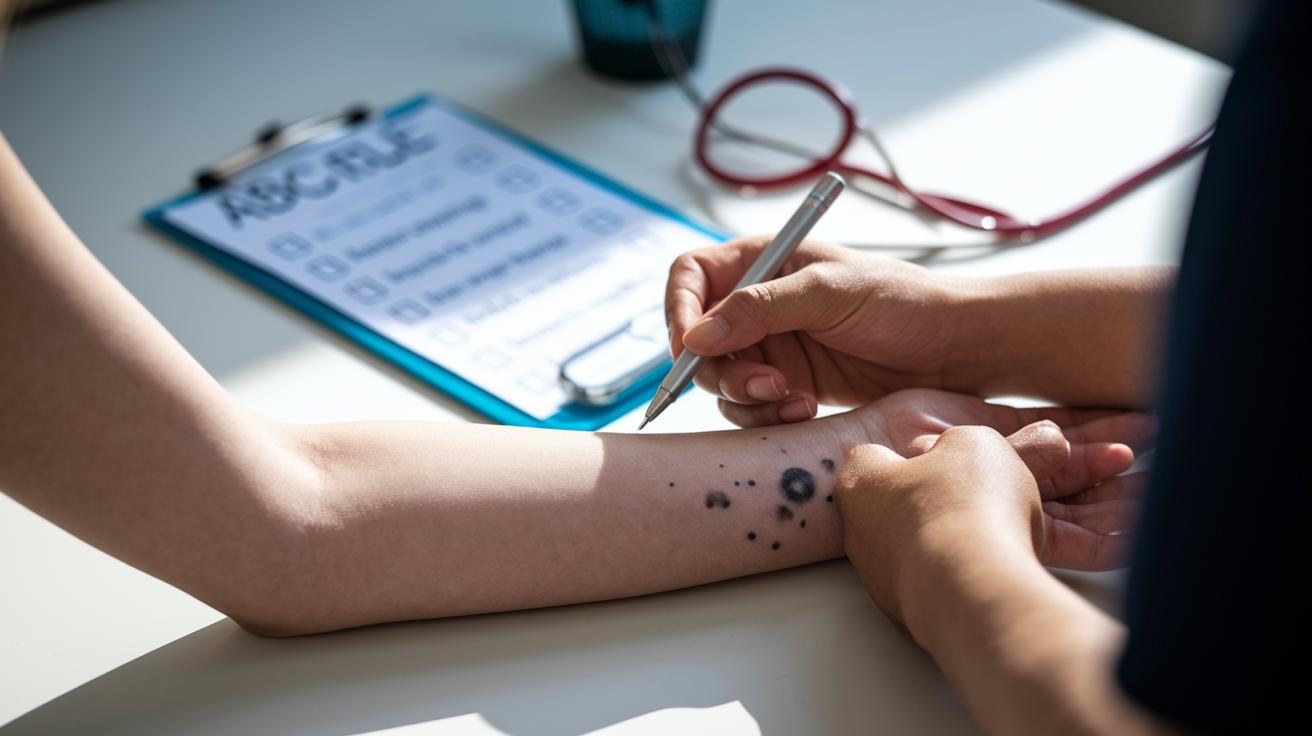
Quick take: Use the ABCDE rule to check for signs that a spot may need a quick review.
Triage Box:
• If one side of your spot is different from the other, call your doctor soon.
• If the spot’s edge is jagged or not smooth, seek a professional evaluation.
• If you see more than one color (brown, black, blue, or red) in the same spot, schedule an appointment.
• If the spot is bigger than 6 mm (about the size of a pencil eraser), get it checked.
• If the texture or shape of a spot starts to change, see your clinician immediately.
The ABCDE rule is a simple way to look at moles or spots. It stands for Asymmetry, Border, Color, Diameter, and Evolving. This tool helps you catch early changes that may signal skin issues and tells you when it might be time to talk with a dermatologist.
• Asymmetry: Look closely. One half of the spot should match the other. If it doesn’t, that is a red flag.
• Border: Check if the edges are uneven or scalloped. Jagged borders can be a warning sign.
• Color: Notice if your spot has different shades. A mix of colors is more concerning than one uniform tone.
• Diameter: Keep an eye out for spots larger than 6 mm. Size matters in spotting trouble.
• Evolving: Watch if the spot changes in texture or starts to rise. Changes over time can hint at a problem.
By following these steps, you have a clear way to decide when it’s time to get a professional opinion. Remember, any change you notice is important, so don’t hesitate to seek care when needed.
Self-Monitoring Techniques and Timing for Suspicious Lesions
Quick take: Watch your skin closely and act fast if you notice any sudden changes.
If you see any of these warning signs, call your doctor right away:
- A spot that grows fast or changes shape quickly
- An area that becomes very red, itchy, or painful
- A lesion that seems to bleed or not heal
Start by checking your entire body, including your scalp, feet, and even the areas between your toes. Use a mirror or ask someone you trust to check spots that are hard to see.
Try these steps each month:
- Look over your skin carefully. Keep an eye on any new spots or spots that seem different.
- Snap a clear photo with your phone of any lesion that looks unusual. Write the date on the picture to help compare it later.
- Pay attention if the spot stays red, becomes itchy, or its texture changes over a few weeks.
- Keep a simple log: write down the date, describe what you see, and note if the spot looks bigger or different. For example, "April 5: Noticed a small red spot on my lower back. April 12: The spot looks larger and itchier."
Keeping track like this helps you see changes early. If a spot continues to change, even after watching it for a few weeks, get a professional evaluation right away. Your regular self-checks are a great way to help keep your skin healthy.
Scheduling Dermatologist Evaluations for Skin Lesions
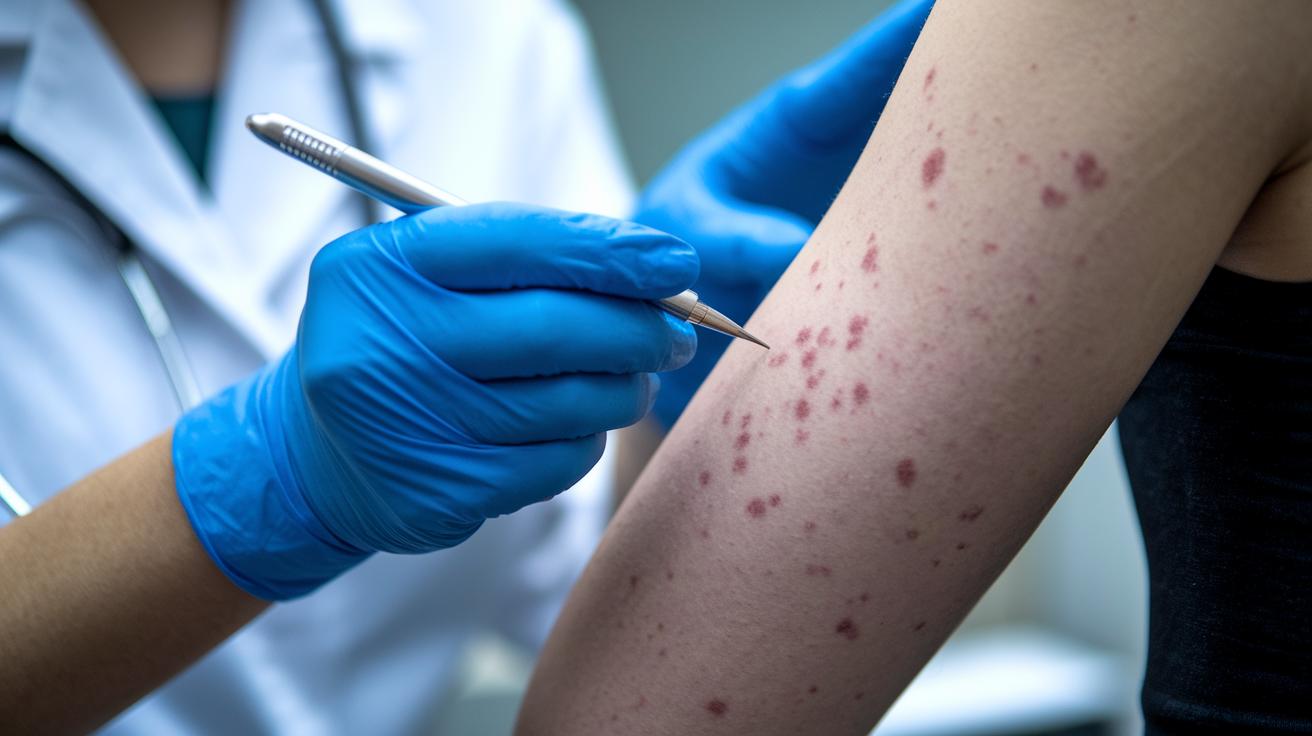
Quick take: If you notice new or changing spots on your skin, it’s a good idea to see a dermatologist.
Triage box:
• Red flags: A spot that bleeds, oozes, itches, or doesn't heal within 1 month.
• Urgent: A lesion that changes size, color, or shape very quickly.
• Monitor: Note any new marks or changes and track them with photos or notes.
You don’t have to wait for a certain age. Anyone who sees changes in their skin should talk to a doctor. Adults over 30 are usually advised to get a full-body skin exam every year, especially if you or your family have a history of skin cancer.
During your visit, the dermatologist will check your whole body, from head to toe. They might take photos or note measurements of any spots that look odd. This helps them see even small changes over time.
Even if you’re under 30, get checked if a spot grows, changes color, or shows rapid changes. Early detection is key in keeping your skin healthy and catching any issues early so treatment can start on time.
Follow-Up Procedures: Biopsy and Monitoring Suspicious Skin Lesions
Quick take: A biopsy or careful monitoring can help catch skin cancer early.
If your doctor thinks a spot might be dangerous, they may recommend a biopsy. In this procedure, your skin is numbed first. Then, a tiny sample of the tissue is removed for lab testing. Most people feel little discomfort. You can usually expect the results in 1–2 weeks. If the biopsy shows skin cancer, treatment might include cutting out the lesion (excision), freezing the spot (cryotherapy), or using a cream. Early treatment of basal and squamous cell cancers is very effective, with cure rates over 95%.
If the spot seems low-risk, your dermatologist may suggest watching it closely rather than removing it right away. You would keep track of its size, shape, color, and texture over time. For example, you might record, "June 10: The spot is a little darker and larger than before." Writing down these changes with dates makes it easier for you and your doctor to decide if more action is needed.
If you notice any obvious changes or if the lesion starts to grow or alter its look, call your doctor right away for a recheck.
Preventive Strategies and Sun Protection for Skin Lesion Risk Reduction

Quick take: Protecting your skin each day helps lower your risk of harmful lesions.
If you notice any new spots, color changes, or sores that do not heal, call your doctor right away.
Protect your skin by using a broad-spectrum sunscreen with at least SPF 30 every morning. Apply it to all skin that is exposed and reapply every 2 hours if you are outdoors.
Wear long-sleeved shirts and wide-brim hats to block out the sun’s rays. Try to stay in the shade and avoid the sun when it is strongest between 10 a.m. and 4 p.m.
Simple steps to protect your skin:
- Apply sunscreen every morning and after swimming.
- Wear protective clothing when you are outside.
- Limit your time in the direct sun during peak hours.
- Schedule regular skin check-ups with your doctor.
By combining these sun-safe habits with regular check-ups, you can keep your skin healthier over the long term.
Reviewer: Dr. Smith, Dermatologist | Last Reviewed: October 2023
Final Words
in the action, this guide broke down urgent signs to watch for and explained the ABCDE rule for spotting suspicious moles. It detailed self-monitoring techniques and what to expect from a dermatologist visit, including follow-up steps like biopsy and home care. We also shared sun protection tips to help reduce risk. Taking clear, decisive action is key. Remember, if you are uncertain about when to get a skin lesion checked, trust these steps and seek prompt professional advice for your peace of mind.
FAQ
Where can I get a free skin cancer screening?
Free skin cancer screenings can be found at community health centers, local clinics, or during special health events. In Houston, look for free screening events sponsored by hospitals or local health departments.
How to check for skin cancer at home?
Checking for skin cancer at home involves using the ABCDE rule. This means looking for asymmetry, irregular borders, different colors, a diameter over 6 mm, and any evolving changes during monthly self-exams.
How often should you get a skin cancer screening?
Skin cancer screening is recommended annually, especially for adults over 30. Additionally, any new or changing skin lesions should prompt an earlier evaluation by a healthcare professional.
What should you expect during a full body skin cancer screening?
A full body screening includes a head-to-toe visual exam by a dermatologist. You will likely change into a gown so the doctor can thoroughly inspect all skin areas for unusual lesions.
What are the key details of an MD Anderson skin cancer screening?
An MD Anderson skin cancer screening offers a detailed full body exam conducted by expert dermatologists. It is designed especially for high-risk individuals and focuses on early detection to improve treatment outcomes.
Does insurance cover skin cancer screening?
Insurance often covers skin cancer screening if your doctor deems it necessary. However, coverage can vary by plan, so it is best to verify with your insurance provider about your specific benefits.
Who should get a skin cancer screening?
Anyone with new, changing, or unusual skin lesions should get a screening. People with high sun exposure, a family history of skin cancer, or previous skin cancers are advised to have regular exams.
When should you see a doctor about a skin lesion?
You should see a doctor if a skin lesion changes rapidly, bleeds, or fails to heal after several weeks. Early evaluation is key to identifying potential skin cancer before it advances.
What is the 2 week rule for skin cancer?
The 2 week rule means you should contact a healthcare provider within two weeks if a lesion shows concerning signs such as rapid growth, bleeding, or significant changes. Quick action can be crucial for early treatment.
What does a pre-cancerous skin lesion look like?
A pre-cancerous lesion may appear as a rough, scaly patch or an irregular mole. These lesions often show changes in color, border, or size over time, signaling the need for professional evaluation.
What makes a skin lesion suspicious?
A skin lesion becomes suspicious when it shows asymmetry, irregular borders, multiple colors, or a diameter over 6 mm. Rapid changes, bleeding, or persistent itching are also red flags that require prompt medical review.