
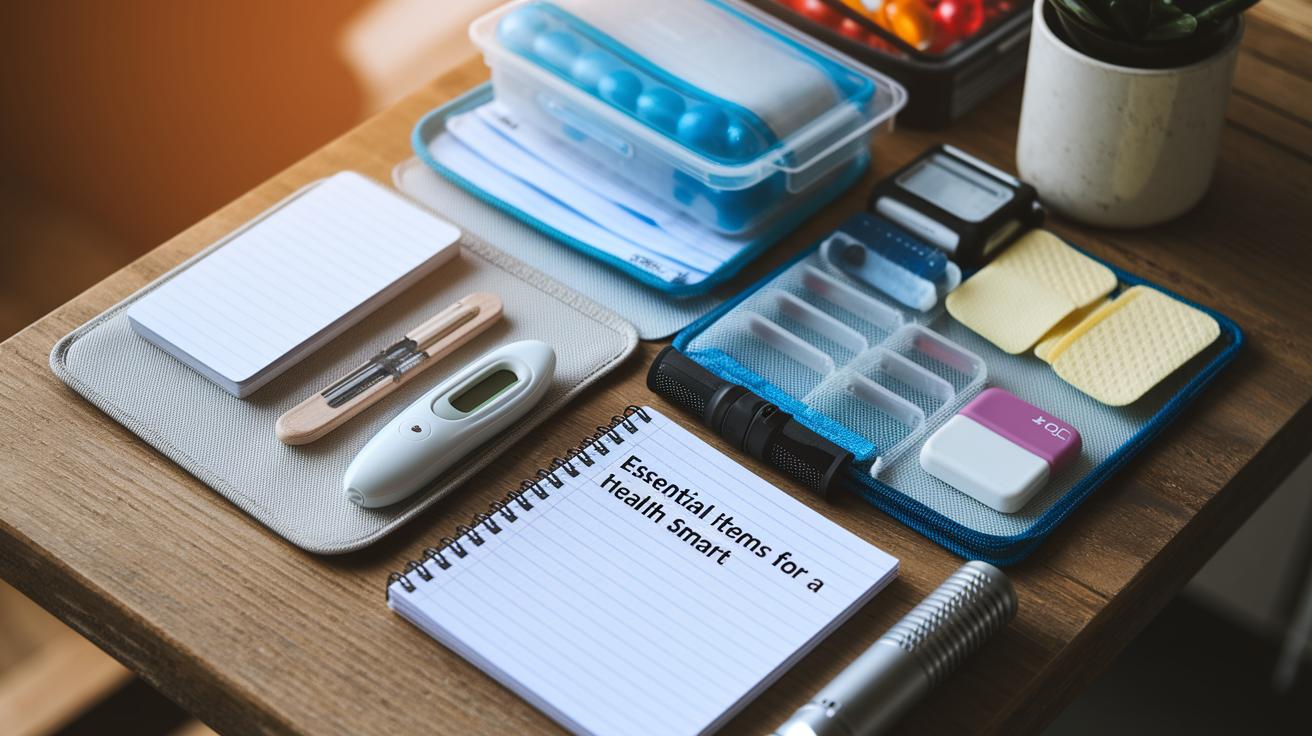

Quick take: A well-stocked health kit can help you act fast in an emergency.
Ever wonder if a simple kit can change the outcome of a crisis? Being prepared often makes the difference between a small mishap and a major problem. A health kit filled with trusted supplies lets you manage injuries quickly at home, at work, or when you’re out and about.
This guide breaks down the key items you need to protect yourself and your loved ones. Build your kit with reliable tools so you can take fast, smart actions when it matters most. Start your safety plan today with these essential items that help you handle unexpected situations.
Core Components of a Health Toolkit
A good health toolkit is a ready-to-use set of supplies for quick action. It comes in different versions for home use, travel, or work. For example, vehicle first aid kits and AAA roadside emergency kits can help if you have a travel accident. Bulk first aid kits are great for larger groups in offices or community settings.
There are also special kits for specific needs. Consider a sports and trauma kit like the Team Sports Coach’s First Aid Kit with 134 pieces. This kit is made for sports injuries in fast-moving situations. Similarly, the X-PAK Expeditionary First Aid Kit is perfect for backpacking or hunting trips. It is lightweight and has many important supplies.
To build your toolkit, start with a simple risk check. Look at common hazards in your daily life and choose medical-grade supplies that match those risks. This way, your toolkit will work for both everyday problems and emergencies. Follow a clear plan to review your options and pick the supplies that make sense for you.
- Check your environment for risks.
- Pick quality, specific supplies.
- Check your kit often and replace items that are expired.
First Response Supplies and Emergency Equipment for a Health Toolkit
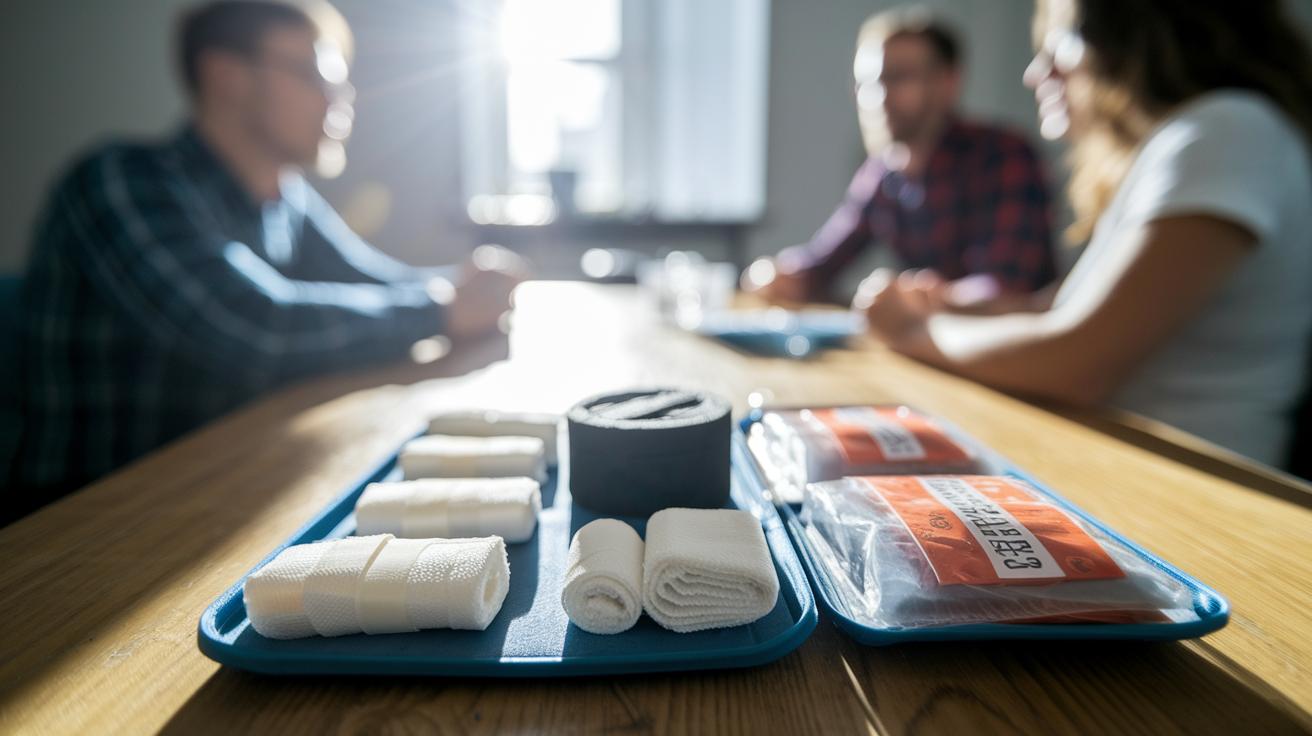
Your health kit should have trusted tools ready for use when accidents happen. You might need these supplies whether you’re playing sports, driving, or at work. Items like bandages, tourniquets (tools that tighten around an injured limb to slow bleeding), and bleeding-control gauze help stop cuts and heavy bleeding right away. Airway tools keep breathing clear and burn treatment packs help ease painful skin injuries.
When you pick your supplies, make sure each one meets high quality standards. Check expert-approved lists and refer to emergency management definitions for clear ideas on what each item does. This way, you know your first response kit will work when you need it most.
Special kits for sports or outdoor trips pack extra items for quick action. Sports kits may have more supplies for stopping bleeding and stabilizing injuries during high-impact activities. In workplaces with hazards, special rescue kits can be very helpful.
Keep your emergency equipment organized too. Use strong, labeled containers with labeled sections so you can find what you need fast. Check your supplies often and keep them maintained so they are always ready to use.
| Item | Purpose |
|---|---|
| Bandages | Cover and protect wounds |
| Tourniquets | Control severe bleeding |
| Bleeding-control Gauze | Absorb blood and help clot formation |
| Airway Tools | Keep breathing channels open |
| Burn Treatment Packs | Soothe burns and prevent infection |
| Rescue Kits | Cover other urgent emergency needs |
Health Monitoring Devices and Clinical Apparatus in Your Health Toolkit
Quick take: These easy-to-use tools help you check your vital signs and alert you to changes.
If you experience a sudden high fever, irregular heartbeat, chest pain, or trouble breathing, seek medical help right away.
• Digital thermometers give you a quick body temperature in about 5 seconds.
• Automatic blood pressure cuffs measure your heart’s work by reading both the systolic (upper number) and diastolic (lower number) pressures.
• Wrist pulse oximeters check your blood oxygen levels, which is useful if you have lung concerns.
• Cardiac rhythm trackers watch for irregular heartbeats and can alert you if you need to seek medical advice.
• Smartwatches now bundle these functions into everyday wear, even reminding you if the battery is low or if sensor readings need attention.
Using these devices gives you a simple way to log your readings. Keeping track of your numbers can guide your next steps when managing conditions like high blood pressure or diabetes. Always review your device data and check with a clinician if you notice any worrying changes.
Digital and Documentation Tools for a Health Toolkit

Smart devices and simple paper logs can help you keep track of your daily health. Apps and wearables monitor everyday activities like steps, sleep, and heart rate (your pulse). They take your movements and turn them into information that can guide you in making healthier choices.
Printed checklists and symptom diaries are easy ways to record how you feel. Write down any changes in a notebook. This simple log helps you notice trends or side effects if you adjust your diet or medication. For more detailed tips, visit our step-by-step guide on keeping a symptom diary.
Digital inventory apps make it simple to track your long-term supplies. They alert you when items run low so your health kit is always ready.
Using both digital tools and written records gives you a complete picture of your health and helps you stay organized while making informed decisions.
Antiseptic Solutions and Sanitation Tools for a Health Toolkit
Antiseptic wash is a must-have for your first aid kit. It cleans wounds and skin to keep germs (tiny bugs that cause infection) at bay. Sterile wipes offer a quick clean when you have small cuts or scrapes. They remove dirt and bacteria fast, which helps lower your risk of infection.
Cleansing sprays work well on larger skin areas or equipment. They spray a fine mist of disinfecting liquid that fights germs quickly. Alcohol-based sprays also disinfect fast when you need to clean before putting on a bandage.
Disinfection granules can be mixed with water to create a strong cleaning solution for surfaces and tools. Wound treatment gels can be applied directly to injuries to block out germs and ease discomfort. Burn-soothe ointments calm minor burns and help protect the skin.
These sanitation tools play an important role in emergencies. They quickly reduce the risk of infection by cleaning wounds, skin, and surfaces. Here are some quick tips:
- Store items in clearly labeled, easy-to-reach containers.
- Check supplies often and replace any that have expired.
- Use each product as directed to keep infections at bay.
Organizing and Maintaining Your Health Toolkit
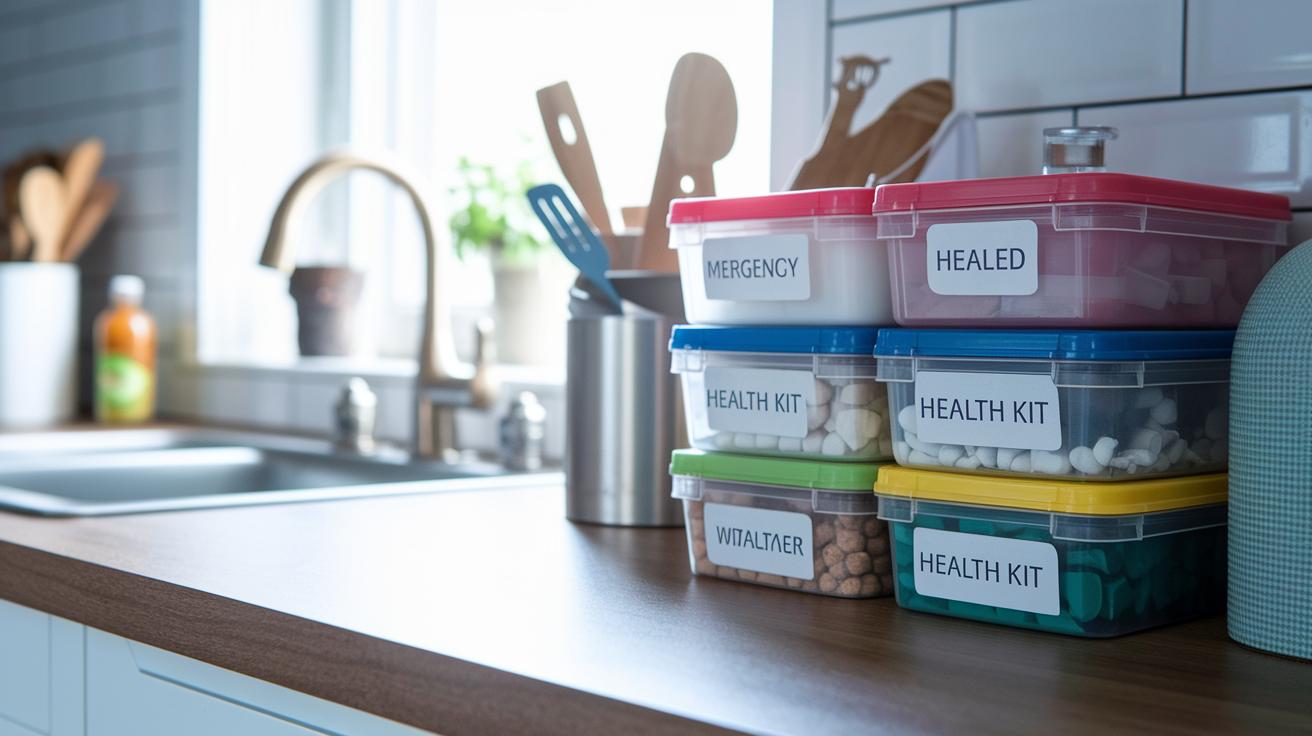
Keep your health kit neat and ready for emergencies. Use strong, color-coded containers with clear sections so you can quickly grab what you need. If you belong to an organization, check your kit every month. At home, review it every 3 months to make sure nothing is missing or expired.
Replace medicines, batteries, and other items as soon as they near their expiry date. Regular checks help you avoid delays when time is short. You can even use an inventory app that sends refill alerts to keep things simple.
Make sure everyone who might use the kit knows where everything is. Hold practice drills that mimic real emergencies. This training ensures everyone understands their role and can locate supplies fast.
Following these steps creates a solid health toolkit for homes and organizations. Keeping it up to date helps you act quickly and confidently in an emergency.
Final Words
In the action, the post breaks down a range of health toolkit components from first aid supplies to digital tracking tools. It outlines proper first response equipment, clinical apparatus, antiseptics, and smart organization tips.
Each section guides you in selecting essential items for a health toolkit and maintaining readiness for any situation.
Stay prepared and confident with these clear, step-by-step insights that empower you to take control of your safety every day.
FAQ
Q: What are 10 items in an emergency kit and what are 10 items in an earthquake emergency kit?
A: The 10 items in an emergency kit include water, nonperishable food, a first aid kit, flashlight, batteries, multi-tool, radio, personal documents, cash, and extra clothing. For earthquake kits, secure storage and sturdy shoes are additional essentials.
Q: What are the 10 essential survival kit items?
A: The 10 essential survival kit items include water, food, first aid supplies, a multipurpose knife, a flashlight with extra batteries, fire-starting tools, an emergency blanket, a whistle, a portable radio, and basic sanitation items.
Q: What does a survival kit list include and what are their uses?
A: A survival kit list includes items like medical supplies, shelter materials, food and water, communication tools, and hygiene products. Each item supports your immediate needs during an emergency.
Q: Are free government survival kits available?
A: Free government survival kits are sometimes available through local emergency management programs. These kits help residents prepare for disasters, so check with your local authority for eligibility and distribution details.
Q: What should be included in an emergency medical kit?
A: An emergency medical kit should include first aid supplies, bandages, antiseptics, pain relievers, wound cleaners, and any personal prescription medications to handle minor injuries and common ailments.
Q: Where can I find an emergency preparedness checklist PDF?
A: An emergency preparedness checklist PDF is available on various government and emergency management websites. They provide detailed lists and steps to help you stay ready for unexpected situations.
Q: What basic tools and essentials should be in an emergency or health kit?
A: Basic tools and essentials in an emergency or health kit include flashlights, batteries, a multi-tool, a first aid kit, portable communication devices, and for a health kit, personal medications and antiseptics to prevent infection.