


Quick take: Triage quickly sorts patients so that those who need help most get it right away.
Have you ever wondered how nurses decide who needs help first? In an emergency, triage acts like a fast puzzle that sorts out the most urgent cases from those who can safely wait. Every second matters. Nurses start by checking vital signs (heart rate, breathing, temperature) and then look for clear signs of severe pain or injury. This step-by-step process turns chaos into clear, organized care. Remember, when you see signs like extreme pain, trouble breathing, or sudden weakness, those are red flags that need immediate attention.
Fundamentals of the Triage Decision Making Process
Triage comes from the French word trier, which means to sort or select. In emergency care, triage means quickly checking a patient when they first arrive.
A trained nurse starts by checking important signs such as heart rate, blood pressure, and breathing rate. They also look at symptoms, review past health records, and understand how the injury happened. For example, if a person falls and shows an irregular heartbeat and signs of internal injury, the nurse will act immediately.
Triage is a step-by-step process that helps decide who needs urgent care. Nurses use tools like the Emergency Severity Index (ESI) and the Canadian Triage and Acuity Scale (CTAS) to score how severe the situation is. These scales help make it clear who needs life-saving treatment and who can safely wait. The goal is simple: get immediate help to those in critical condition without delaying care for others.
The triage process works in clear steps:
- Check vital signs (heart rate, blood pressure, breathing rate).
- Look at the severity of symptoms and review medical history.
- Understand the injury cause to spot potential internal damage.
Hospitals use these standard steps so every patient is assessed the same way. For example, if a patient arrives with a high fever (over 102 F) and rapid breathing, the nurse may worry about sepsis. The nurse writes down these signs and treats the case as urgent for further evaluation. This clear record-keeping helps make sure that limited resources are used where they are needed most.
Every step in the triage decision process is designed to quickly sort patients so that those in real danger are seen first. This organized approach cuts down on confusion and makes sure every minute counts when saving lives.
triage decision making process: Swift Clarity in Crisis

Doctors follow clear rules, but in a crisis they adjust these basics to match the situation. In large events with many injuries, standard limits like heart rate or blood pressure are reviewed to make the best use of available resources.
Advanced triage means checking patients again to spot new warning signs. For example, in a chemical or germ event, cleaning (decontamination) can change how a patient looks and feels. When injuries overlap from severe trauma, doctors must go beyond a simple check of vital signs.
Consider a 40-year-old patient from a bus accident who shows a moderate fast heart rate and stable blood pressure. In a big event, this patient might be placed in a different group since early signs may not reveal hidden injuries. Continuous monitoring is key to adjust care priorities.
Key steps for refining triage in a crisis:
- Recheck patients regularly to notice any new symptoms.
- Follow special rules that match the crisis you face.
- Use flexible criteria that look at both obvious signs and potential hidden problems.
By focusing on these simple yet important ideas, doctors can make safe and clear decisions even in the toughest situations.
Risk Stratification Techniques and Algorithmic Triage Models
Quick take: EMS teams use smart methods and digital tools to quickly spot patients who need urgent care.
When emergencies happen, EMS teams follow rules like the START and SALT protocols. These methods sort patients fast and help decide who needs help first. Digital flowcharts and scoring systems make care decisions more uniform by reducing guesswork.
Digital tools collect live data such as heart rate, blood pressure, and oxygen levels. They combine this information to suggest care levels. This means responders can focus on patients who show signs of serious problems. When using these systems, EMS teams quickly identify those at high risk.
Decision trees in triage flowcharts guide EMS staff to assign the right care category. These tools work with traditional methods to check every patient in the same way. The mix of digital aids and skilled judgment speeds up decisions in emergencies.
Using these methods, responders manage care even in chaotic scenes. Objective data helps cut down errors and lets clinicians focus on critical actions. This blend of technology and clear guidance saves lives when every second counts.
triage decision making process: Swift Clarity in Crisis

In crisis situations, every minute matters. First responders have about 60 minutes (the Golden Hour) to spot life-threatening problems and decide who needs help immediately.
The ABCDE method is a clear and fast way to check a patient:
• Airway: Make sure the airway is open by looking for any blockages.
• Breathing: Check if the person is breathing easily or has trouble.
• Circulation: Feel the pulse and look for any active bleeding.
• Disability: Quickly see if the person is awake and responsive.
• Exposure: Look over the body for any hidden injuries while keeping the person’s privacy in mind.
Modern tools like portable monitors give real-time data on heart rate, oxygen levels, and blood pressure. This helps responders quickly sort patients by how urgent their care is.
Teamwork is key. When one team member finds a worrying sign, like a weak pulse or pale, cold skin, the team immediately focuses on treating circulatory shock.
This process mixes clear, step-by-step checks with modern digital tools. It starts with the basic ABCDE check and then uses real-time information to decide who needs urgent care fast.
| Assessment Step | Focus |
|---|---|
| Airway | Check for blockages |
| Breathing | Look at breathing patterns |
| Circulation | Feel the pulse and check for bleeding |
| Disability | Quickly assess consciousness |
| Exposure | Inspect for hidden injuries |
Resource Allocation Strategies and Treatment Prioritization Guidelines
Quick take: Fast, clear triage saves lives by matching care to need.
Triage Box:
• If a patient has severe bleeding or can't breathe well, call emergency services immediately.
• If a patient shows urgent signs but is not in immediate danger, seek quick stabilization.
• For less urgent cases, monitor and care as resources allow.
Every second counts in an emergency. Hospitals sort patients by how urgent their needs are. Limited staff, equipment, and beds go first to those who need them most.
Immediate life-saving steps come first. For example, if someone has severe bleeding or an airway problem, act fast to save their life. Next, patients who need speedy help to stop their condition from getting worse receive care promptly. Finally, patients who can wait safely are treated once the most critical cases are managed.
Hospitals follow clear frameworks. Dedicated teams work 24/7 and care for patients from admission until about 30 days after leaving the hospital. This round‑the‑clock care cuts delays and moves patients smoothly through treatment.
To allocate resources well:
- Check vital signs and overall stability.
- Sort cases by urgency.
- Give available resources to the most critical cases first.
This simple, clear method helps hospitals use limited resources wisely while boosting patient survival and clear, confident decision-making in high-pressure moments.
Triage Decision Making Process in Disaster and Mass Casualty Situations
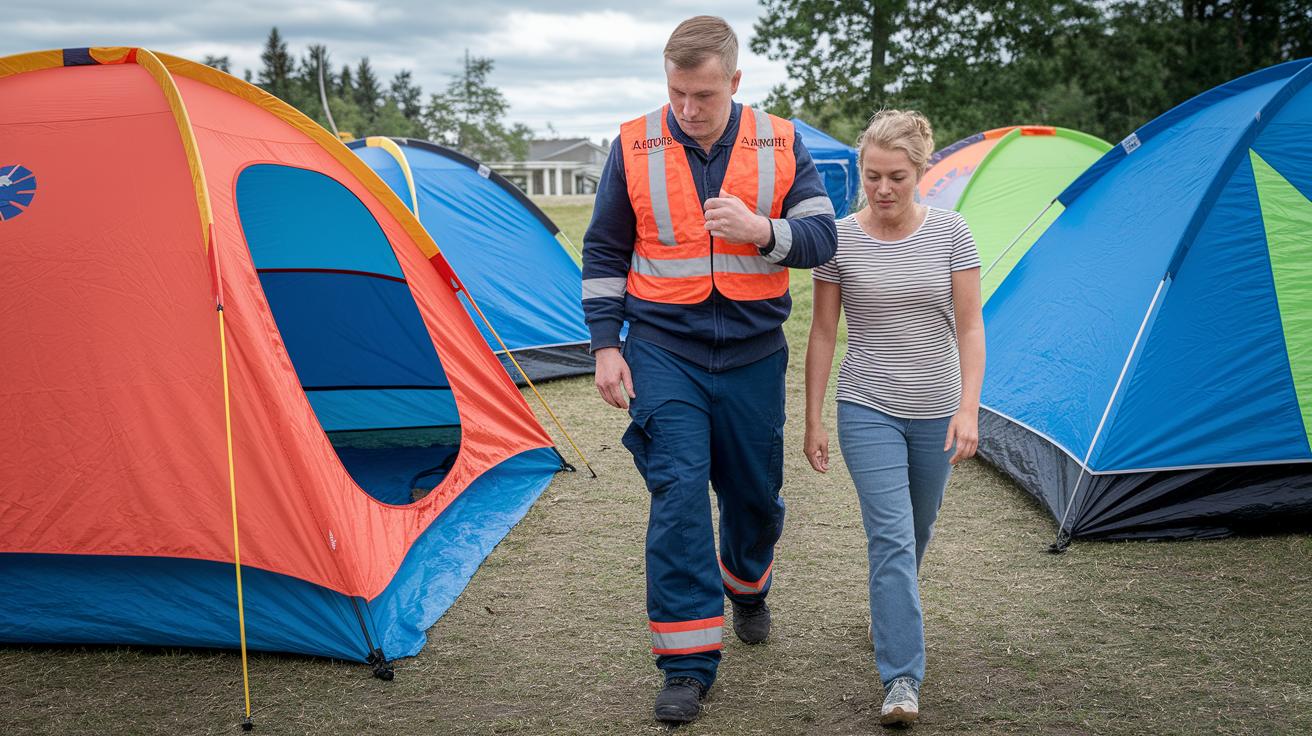
When a disaster happens, responders work quickly using clear steps so no one is missed. They use a system called START to sort people fast. This method checks if you can walk, your breathing, your pulse (how strong your heartbeat is), and if you are alert.
If you can walk and answer simple questions, you usually don’t need immediate help. But if you have trouble breathing, a weak pulse, or seem confused, you are marked for urgent care. Responders practice these steps often so they can move fast when many people need help at once.
Here’s what they do:
- Check if the person can walk.
- Look at breathing speed and depth.
- Feel for a strong or weak pulse.
- See if the person is alert and can answer questions.
During drills, teams have shown that following these steps can cut the time needed to assess patients. Digital tools and flowcharts also support quick decisions in busy, high-pressure situations, making sure that each person gets the right care as soon as possible.
Final Words
In the action of emergency response, we broke down the key elements of the triage decision making process from its origins to how it guides rapid patient sorting. We touched on fundamental evaluation techniques, risk stratification methods, and resource allocation in both everyday and mass casualty situations. This approach helps you understand which signs need urgent attention and how to track care steps effectively. Stay informed, keep practicing these steps, and remain confident in handling emergencies.
FAQ
How to perform a triage assessment and what is triage?
The triage assessment is the process by which patients are quickly sorted based on vital signs, symptoms, and medical history to determine who needs immediate care and who can safely wait.
What are the triage guidelines in emergency departments and where can I find PDF resources?
The triage guidelines in emergency departments use evidence-based tools like the Emergency Severity Index (ESI) to classify patient urgency. You can find PDF resources from trusted clinical sources and hospital guidelines.
What is the triage decision-making model?
The triage decision-making model is a structured approach that evaluates patient symptoms, vital signs, and risk factors using established scales and algorithms to rapidly assign treatment priority.
What are the five steps, stages, or S’s of triage?
The five steps of triage involve initial assessment, categorization of urgency, risk stratification, resource allocation, and continuous reassessment—this systematic process ensures patients receive timely and appropriate care.