


Quick take: Chest tightness may warn you of heart trouble, know the signs, act fast.
If you have any of these emergency signs, call emergency services now:
• Severe chest pain, especially if it lasts more than a few minutes
• Trouble breathing or shortness of breath
• Pain spreading to your arm, neck, or jaw
If you notice these signs, seek same-day medical care. For milder symptoms that persist, talk with your doctor.
Have you ever felt a strange tightness in your chest and wondered if it might be more than just stress? Heart attack signs can be loud and clear or very subtle, and they may show up suddenly or sneak up on you. In this post, we explain both the common signs and the quiet clues your body might give. Understanding these life-saving signals can help you act quickly to protect your heart. Keep reading to see what you should watch for and when it’s time to get help.
Recognizing Typical and Atypical Heart Attack Symptoms
Quick take: Heart attack signs can be obvious or subtle, so act fast if you notice any unusual changes.
If you have any of these emergency signs, call emergency services now:
- Severe chest pressure or pain (a heavy, squeezing feeling)
- Pain spreading to your left arm, back, neck, or jaw
- Shortness of breath even if your chest doesn’t hurt
Also watch for these concerning symptoms:
- Dizziness, lightheadedness, or feeling like you might faint
- Nausea, indigestion, or vomiting
- Sudden cold sweats that feel unusual for you
- Overwhelming tiredness or weakness without a clear cause
- Intense anxiety or a feeling that something is very wrong
Heart attack symptoms show up in different ways. Some people get strong chest pain, while others only notice mild or odd signs. These early signals are your body’s way of saying something isn’t right. Don’t brush them off, even if they seem less serious than pain in the chest. Early detection is key to protecting your heart. Trust your instincts and get help right away if you feel off.
heart attack symptom profile: Life-Saving Clues
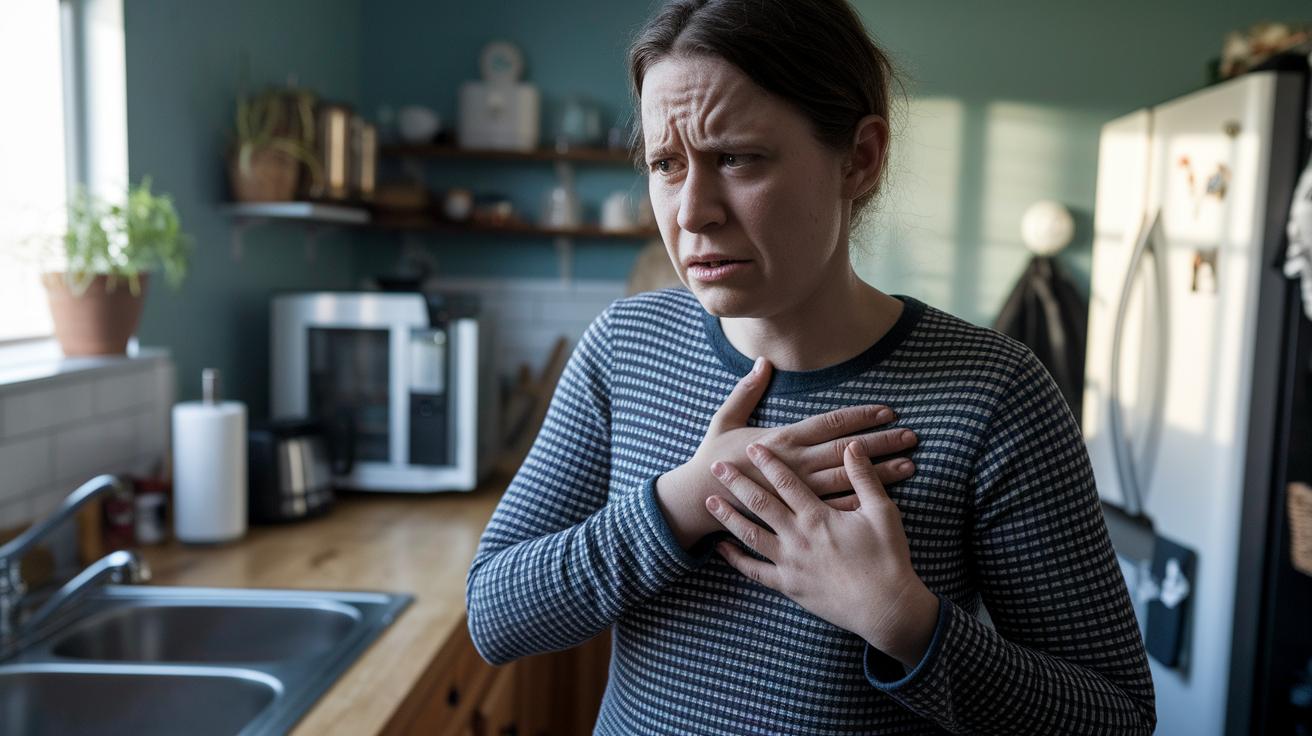
If you have a heart attack, you may feel a heavy pressure or squeezing in your chest that lasts more than 20 minutes. This pain is strong and does not go away on its own. You might also notice that the pain moves from the middle of your chest to other parts of your upper body. It can spread to your left arm, shoulder, back, neck, or jaw.
| Area Affected | How It Feels |
|---|---|
| Left Arm | A heavy, tight pain that doesn’t ease quickly |
| Shoulder | A steady, dull ache starting from the chest |
| Back | A deep, squeezing pain between the shoulder blades |
| Neck/Jaw | A spreading tightness or pressure that raises concern |
It is important to tell the difference between angina (mild chest pain that gets better with rest) and a heart attack. Angina brings milder pain, but a heart attack shows strong, long-lasting pain. The severe, spreading chest pain means your heart may be under stress from blocked blood flow. If your pain does not go away or gets worse, seek medical help right away. Note how long the pain lasts and where it moves; this will help doctors decide how urgently you need care.
Atypical Presentations and Demographic Variations in Heart Attack Symptom Profile
Quick take: Heart attack signs can look different from person to person.
If you have any of these emergency signs, call emergency services now:
- Crushing chest pain that does not go away
- Pain spreading to your arm, neck or jaw
- Trouble breathing or severe shortness of breath
- Sudden cold sweat or fainting
If you notice any of these urgent signs, seek help the same day:
- New or unexplained fatigue
- Feeling very confused or lightheaded
- Upset stomach or sudden nausea
- Unusual anxiety or problems sleeping
Otherwise, it is still important to track your symptoms and talk with a clinician.
Heart attacks do not always look as textbooks say. Sometimes you get clear chest pain. Other times, the signs are more hidden. Different people may show different symptoms. Knowing what is normal for you can be life-saving if things change fast.
Women often do not have the strong chest pain many expect. They might feel anxious, have trouble sleeping, feel sick, or get an upset stomach. These signs are easy to miss and might seem like less serious issues. Men, in contrast, more often have pain in the left arm, cold sweats, or a burning feeling around the stomach area. Both men and women should pay close attention to any strange signs, even if they do not seem like classic chest pain.
Older adults and people with diabetes may have even subtler signs. Instead of the heavy chest pain, they might feel suddenly very tired, have trouble breathing, or even get confused. Sometimes they may not feel any pain at all, a silent heart attack. They might also report dizziness, an upset stomach, or a pressing feeling in the head. These nontraditional symptoms can be mistaken for other conditions, so it is important to note any changes and get help if needed.
Symptom Timeline Analysis and Severity Evaluation in Heart Attack Symptom Profile

Heart attack symptoms may begin as a mild pressure or tightness in your chest. You might notice this small discomfort hours or even days before more serious signs appear. Over time, that slight pain can turn into a strong, heavy squeezing feeling that lasts longer than normal chest discomfort. Even small changes in your symptoms are important and could mean your heart is struggling.
A simple way to keep track is by rating your pain on a scale from 1 to 10. Write down what you feel and when you feel it. This record can help you and your healthcare provider notice if the pain starts to get worse so you can act quickly.
Diagnostic Tools and Biomarker Insights in Heart Attack Symptom Profile
The ECG is usually the first test done when a heart attack is suspected. It checks how your heart is working by showing if certain parts are not getting enough blood. Red flags on an ECG include raised segments (ST elevation), flipped signals (T-wave inversion), or new Q waves. These clues mean your heart muscle may be under stress.
Blood tests for heart enzymes support what the ECG shows. One common test measures CK-MB. This test checks for chemicals that leak into the blood when heart cells are damaged. If these enzyme levels rise, it means heart tissue is hurting. Doctors use this information to decide how quickly you need care.
Troponin is another key test. This protein is released when your heart muscle is injured. Its levels start to rise between 3 and 6 hours after symptoms begin and usually peak around 24 hours. This clear timeline helps confirm a heart attack and tracks how serious the damage may be.
Imaging tests also play a big part in evaluating a heart attack. Doctors use echocardiograms (ultrasounds for the heart) to see how well your heart is pumping and coronary angiography to spot any blockages in your blood vessels. When these images are combined with enzyme test results and your risk factors, like high blood pressure or diabetes, they form a complete picture of your heart’s condition. This thorough check helps doctors make quick and precise decisions for immediate treatment.
Emergency Response Triggers and Triage Guidance in Heart Attack Symptom Profile
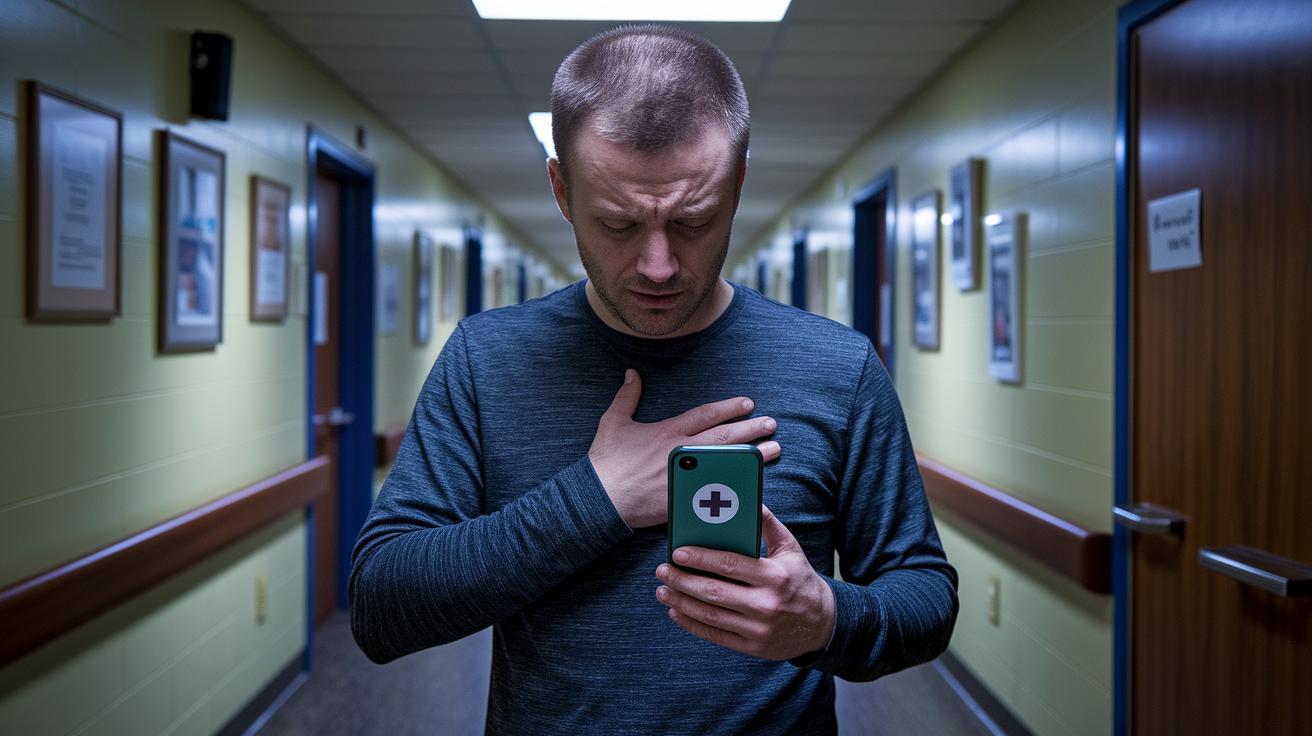
Quick take: If you have chest pain with other warning signs, call 911 right away.
If you have any of these emergency signs, call emergency services immediately:
- Chest pressure lasting longer than 5 minutes
- Pain spreading to your arm, back, or jaw
- Sudden cold sweat
- Shortness of breath
- Feeling dizzy or lightheaded
- Nausea
These symptoms are urgent messages from your body. They mean your heart might not be getting enough blood because of a blockage. A heavy, lasting chest pressure or pain that spreads, especially with a sudden cold sweat, signals that waiting could make things worse. Acting at the first hint of these symptoms can save your life.
Emergency medical services (EMS) are trained to spot these signs fast. They work quickly to reduce delays so you can get treated right away. The first hour after symptoms start is called the golden hour. Getting care during this time lowers the risk of severe damage.
Even if your symptoms seem mild or unusual, like unexplained anxiety or lightheadedness, treat them as red flags if you also have risk factors like high blood pressure or a history of heart issues. Always follow clear emergency action steps and call 911 if you’re unsure.
Risk Factors and Preventive Lifestyle Advice in Heart Attack Symptom Profile
Quick Take: Simple, healthy changes can lower your risk of a heart attack.
Triage:
• If you have sudden, severe chest pain, shortness of breath, or feel faint, call emergency services immediately.
• If your symptoms get worse quickly, seek urgent medical help.
• If your signs are mild, focus on improving your daily lifestyle.
Certain things like high blood pressure, diabetes, high cholesterol, smoking, obesity, or a family history of heart issues can raise your risk for a heart attack. You can lower that risk by changing your habits. Try eating more fruits, vegetables, and lean proteins, and cut back on salt and heavy fats. Even a brisk 30-minute walk each day can boost your heart health. Stopping smoking and managing stress through deep breathing or meditation are also important steps. These changes help keep your blood vessels healthy and reduce strain on your heart.
Regular check-ups are key too. Annual tests like cholesterol panels and blood pressure checks can catch problems early. If you have risk factors or worrisome symptoms, your doctor might recommend a stress test. Keeping a simple symptom diary can help you notice changes. This diary is especially useful during telemedicine visits, as it provides clear details about what you’re feeling. For more help
Final Words
In the action, we covered both typical chest pain and atypical signs, explained key diagnostic tests and emergency triggers, and broke down how to manage risk factors. You now have a clear heart attack symptom profile, along with warning signs to act on immediately. We provided practical steps and self-monitoring tips to support informed care decisions. Stay alert and trust your instincts when symptoms arise. Remember, your safety matters, and taking action now can lead to a healthier tomorrow.