


Quick Take: Nurse triage lines help you decide if you need to go to the ER or manage your symptoms at home.
If you have severe chest pain, trouble breathing, or feel very weak, call emergency services now. For other urgent signs, get same-day medical help from your doctor or urgent care.
Sometimes getting sick is confusing and scary. A nurse triage line can help clear up your uncertainty. These free services connect you with a licensed nurse who listens carefully and checks your symptoms over the phone. They quickly guide you on whether you need urgent care or can take care of yourself at home.
In this guide, we highlight key signs to watch for and explain how nurse triage lines turn worry into clear, actionable steps.
When to Call the Nurse Triage Line: Key Triggers and Available Services
Quick take: Use the free nurse line when you’re unsure if your symptoms need urgent care.
If you notice any of these red flags, call emergency services or seek urgent care:
- High fever that spikes quickly or lasts 3+ days
- Severe, persistent pain like in the chest or belly
- A rash that spreads or changes fast
- Repeated vomiting that raises the risk of dehydration (watch young children closely)
- Trouble breathing or marked congestion
The Ask-A-Nurse hotline at (615) 514-0757 is available 24/7. Licensed nurses deliver prompt advice whether you have insurance or not. They quickly check your symptoms and guide you on next steps. They may tell you to manage your condition at home, visit an urgent care center, or head straight to the emergency room.
These nurses help cut the guesswork. By assessing your condition over the phone, they steer you to the right care. This not only saves time but also reduces stress with clear, step-by-step advice.
Symptoms That Warrant a Nurse Triage Line Call

Quick take: Some common signs, severe stomach pain, high fever, worsening rash, or heavy vomiting in a child, may need immediate nurse advice.
If you have any of these emergency signs, call emergency services now (in the US, 911):
- A child who is vomiting repeatedly, looks weak, or shows signs of dehydration.
- A fever above 102°F that lasts over 3 days.
- A rash that comes with trouble breathing or noticeable swelling.
If these urgent symptoms aren’t present, a nurse triage line can help you decide if you need a telehealth review or if you can manage your symptoms at home.
Sometimes, stomach pain tops the list of reasons people visit the emergency room. It might be from a virus, food poisoning, a gallbladder attack, colitis (inflammation in your colon), or problems with the pancreas. High fevers, especially in kids, are often viral, but you should call for advice if the fever spikes or lasts more than 3 days.
Repeated vomiting can lead to dehydration, which is risky even if it seems small. For example, just a 1% drop in body water can be dangerous for an infant. If a child is vomiting a lot and appears weak, get help right away by calling a nurse triage line.
A sudden rash or one that gets worse over time can result from infections, allergies, or immune issues. When a rash comes with breathing problems or swelling, it may signal a severe allergic reaction that needs prompt attention. Similarly, if you have a persistent cough, heavy congestion, or trouble breathing, these could be signs of bronchitis, pneumonia, or RSV bronchiolitis in young children. In such cases, a nurse triage call can help quickly determine if you need urgent care.
What Nurse Triage Lines Can Do, and What They Can’t
Quick take: Nurse triage hotlines help you decide fast if you need emergency care or a regular doctor visit.
When you call a nurse hotline, a registered nurse quickly listens to your symptoms. They ask simple questions about your pain, fever, or other signs and then guide you on what to do next, whether it means heading to the emergency room, visiting urgent care, or calling your primary care provider.
They also answer everyday health questions. This helps you cut through confusing advice on the internet. Their help is available for everyone, whether you’re calling about a child’s fever, an adult’s persistent pain, or pregnancy issues like morning sickness, tiredness, swelling, or Braxton-Hicks contractions (practice contractions).
Keep in mind what nurse triage lines do not do:
• They cannot prescribe medications.
• They do not perform in-person physical exams.
• They cannot offer treatments that need a face-to-face check.
Their advice helps you decide your next steps based on your symptoms. If your condition worsens or you notice new, worrisome signs, be sure to see your healthcare provider for a full evaluation.
How to Access the Nurse Triage Line and Prepare for the Call

Quick Take: Gather your symptom details and personal info, then call the nurse triage line for clear next steps.
If you have any emergency signs like sudden, severe pain, trouble breathing, or loss of consciousness, call emergency services now before calling the nurse line.
Before you call:
• Write down your symptoms (for example, pain, fever, or discomfort), when they started, and how severe they feel.
• Record your age, medical history, and any medications you are taking.
• Note any allergies or recent exposures that could matter.
The nurse triage line is available anytime at (615) 514-0757. This free service does not require insurance, so you can call whenever you need help.
When you speak with the nurse, they will ask clear, quick questions to understand your condition. They might ask if the pain came on suddenly or if your fever is constant. This helps them decide if you need home care, urgent care, or to head straight to the emergency room. For an example of a step-by-step method, see “What is a triage flowchart” at https://thequickesttips.com?p=1435.
Once the nurse finishes the assessment, they will tell you exactly what to do next. You may be advised to manage your symptoms at home or seek care right away. Sometimes, they will arrange a follow-up with your healthcare provider. Following their advice will help you get care quickly and safely.
Nurse Triage Line vs Urgent Care and Emergency Room
A nurse triage line can help you decide what care you need when symptoms appear. A quick call can show if you require emergency help, urgent care, or just some self-care at home. Nurses ask a set of standard questions to check your symptoms. They decide if you should go to the ER or if a less urgent option is better. For example, signs like a stroke (sudden weakness or trouble speaking) or heavy bleeding mean you should head to the ER right away. Other symptoms may be safely watched with a nurse's advice.
| Scenario | Triage Line Advice | Urgent Care Recommendation | ER Trigger |
|---|---|---|---|
| Sudden, severe chest pain | Call the nurse quickly for an assessment. | If the pain is moderate with no other serious signs, urgent care might be enough. | If the pain comes with shortness of breath, heavy sweating, or spreads to the arm, go to the ER now. |
| High fever with extra symptoms | Tell the nurse your fever details and any other symptoms. | If the fever starts gradually with mild dehydration, urgent care may be enough. | If you feel confused, have a stiff neck, or severe dehydration, head to the ER. |
| Repeated vomiting with dehydration risk | The nurse checks your fluid loss and overall condition. | If your dehydration is moderate and vital signs are stable, urgent care might help. | If you show signs of severe dehydration or confusion, go to the ER immediately. |
| Sudden severe allergic reaction | Tell the nurse about any rash or trouble breathing. | For a mild reaction, urgent care may be enough. | If the reaction worsens quickly or you have trouble breathing, head to the ER now. |
These guidelines are here to help you choose the right care path. A nurse triage line can quickly review your symptoms and guide you on the next steps. They help you know when to use urgent care and when the ER is needed. Following these tips can save time and ensure you get the proper care.
Expanded Scope: Specialized Support via Nurse Triage Line
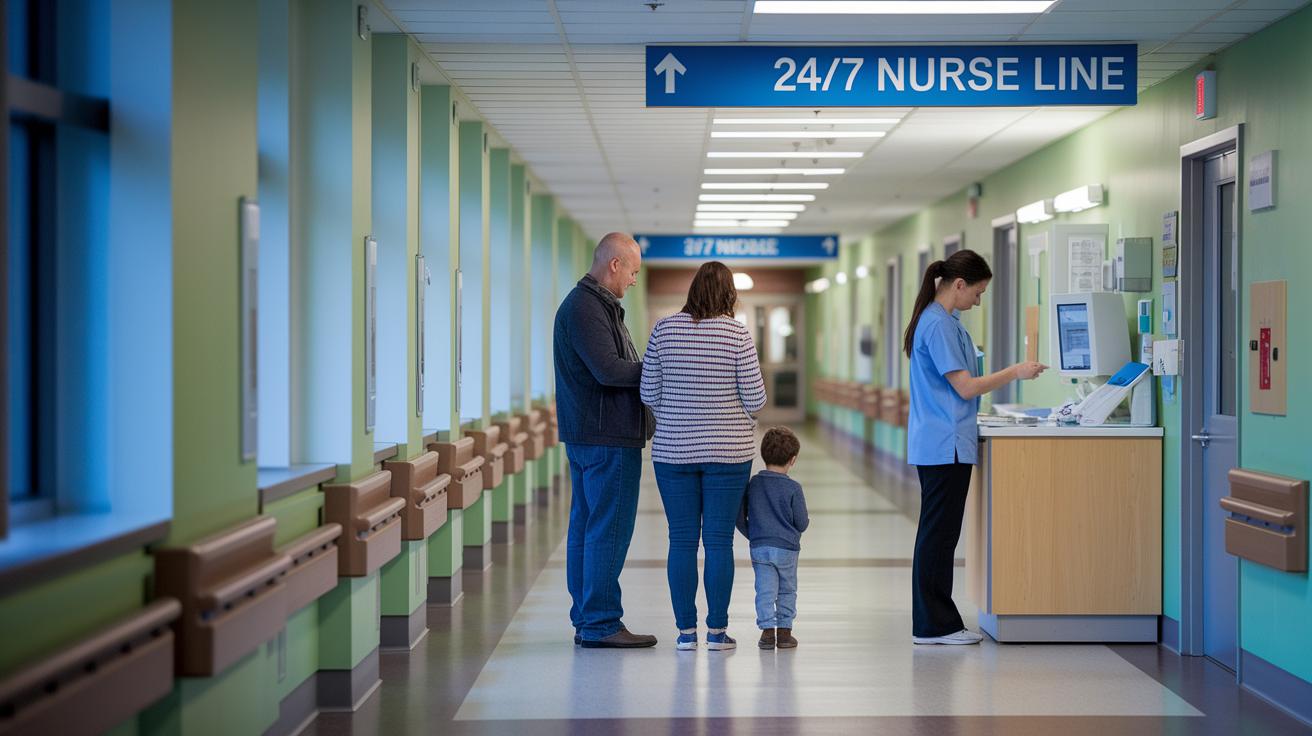
This nurse triage line connects you with skilled registered nurses who provide clear guidance for health concerns at any age. For children, it offers quick advice on common issues like fever, cough, ear pain, and vaccination questions. For adults, especially those experiencing pregnancy challenges like morning sickness, swelling, or Braxton-Hicks contractions (practice contractions), the line gives straightforward, timely support. Older adults can also call for help with medication management or concerns about falling. This focused, age-specific approach eases caregiver worries and helps you get the right care when it matters most.
In addition to age-specific care, the nurse triage line covers many other topics. It offers virtual assessments for burn care, mental health concerns, bone and joint injuries, and nutritional advice. The system is designed so you get prompt, no-cost advice 24/7. This clear, step-by-step process quickly helps you understand your situation and decide whether to seek further evaluation or use home care strategies.
Final Words
In the action, this article showed you when to call the nurse triage line: key triggers and available services. We broke down common symptoms that need a call and explained what nurse-led phone-based care can do to help. You learned how to prepare for the call and what to track before seeking advice. Knowing when to call and what they can do guides you from self-care to urgent evaluation. Keep your notes handy, trust your instincts, and know professional help is right there when you need it. Stay safe and informed.
FAQ
Frequently Asked Questions
What is the nurse triage hotline contact info from Mayo Clinic and similar services?
The nurse triage hotline info shows there are free, 24/7 services available. Mayo Clinic, for example, offers phone numbers in locations like Rochester MN and Eau Claire to provide rapid health advice.
When should you call a nurse triage line?
You should reach out if you experience symptoms like a high fever, worsening pain, repeated vomiting, sudden rash, or breathing difficulties, as these may require immediate guidance.
What do phone triage nurses do?
They assess your symptoms, offer clear advice on self-care, and direct you to the proper care setting—whether it’s the ER, urgent care, or a primary care visit.
What are the 5 levels of ER triage?
Medical staff rank patients from immediate, life-threatening conditions down to less urgent cases, ensuring those in critical need receive faster care.
What questions can you ask a nurse hotline?
You may inquire about your symptoms, the best self-care steps, when to seek further medical attention, and any concerns about medication or potential side effects.