
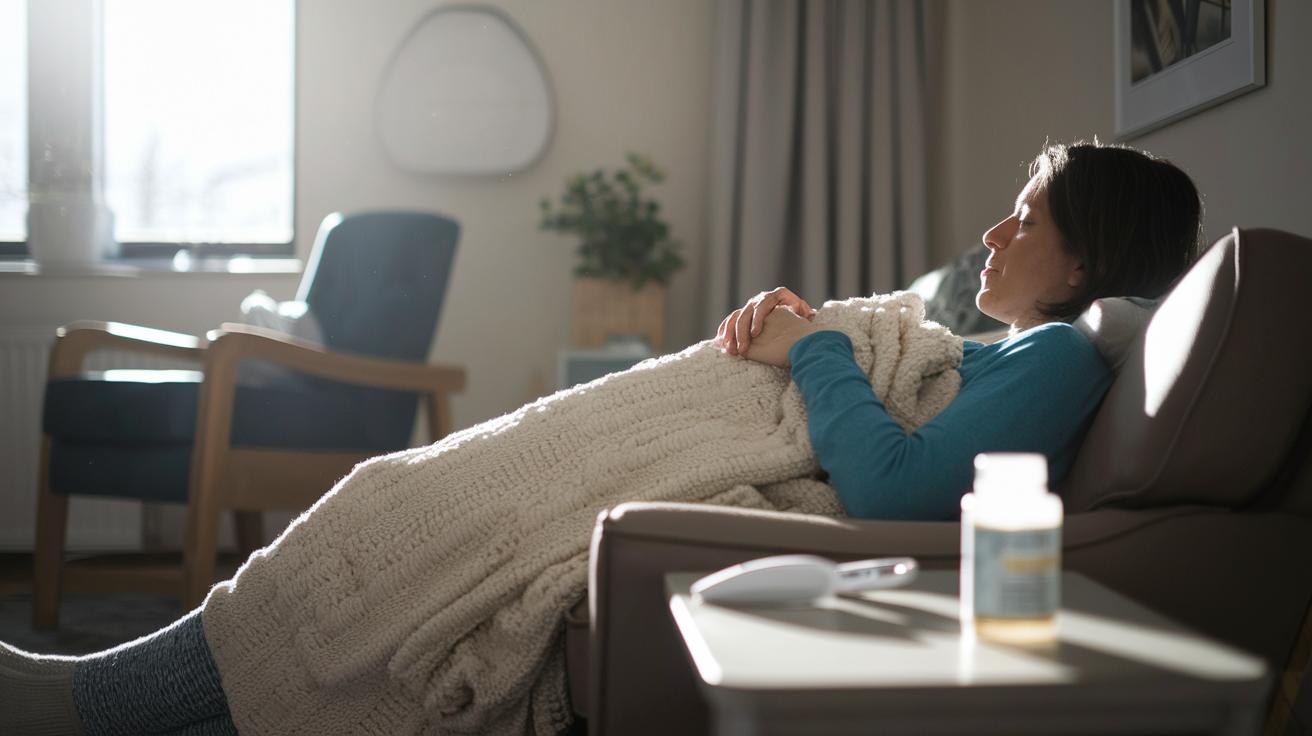

Quick Take: Recovery at home after anesthesia might feel unsteady, but knowing what to expect can help you stay safe.
Triage Box:
• If you feel extreme confusion or can’t keep your balance, call emergency services now.
• If you have trouble breathing or a severe headache, seek urgent help.
• Otherwise, follow the steps below and rest safely.
Coming home after anesthesia can be tricky because your body is still waking up. You might feel drowsy, confused, or off balance even after a smooth surgery. This guide gives you clear tips for the first 24 hours at home.
Follow these steps:
- Rest in a safe, comfortable spot where you can sit or lie down.
- Keep plenty of water nearby and sip slowly.
- Avoid activities that could lead to injury while you’re still groggy.
- Ask a friend or family member to be with you during this time.
Remember, these feelings are common as your body heals. But if you notice any red flags like worsening symptoms or trouble breathing, don’t hesitate to get help. Your safety is the top priority.
Home Anaesthesia Recovery: First 24 Hours Overview
Quick take: Plan to have a trusted person with you at home until you feel fully alert.
Triage: If you have any of these signs, call emergency services now:
- Sudden, severe pain
- Trouble breathing or irregular heartbeats
- Worsening dizziness or confusion
- High fever or signs of infection near your surgery site
After your procedure, make sure you have help at home for several hours. When the anesthesia wears off, you might feel drowsy, confused, or off-balance. These effects can lower your judgment, so avoid driving or using heavy machinery.
Different types of anesthesia fade at different speeds. General anesthesia can leave you feeling sedated longer, while monitored sedation usually fades more gently. Local anesthesia wears off quickly, but be cautious if you are on other medications. Knowing which type you had can help you take the right steps at home.
Keep your home calm and safe. Place items you might need nearby to reduce extra movement. It can help to jot down how you feel, note your energy, pain level, and any changes. This simple record can guide your care team if you need follow-up care.
Follow all the specific instructions from your surgical or anesthesia team. Taking care in these first 24 hours helps ensure a smoother, safer recovery.
Managing Common Side Effects in Anaesthesia Recovery at Home

After anesthesia, you might notice changes that vary with the type of medicine you received. If you had general anesthesia, you could feel nauseous, get chills, vomit, or have a sore throat from the breathing tube. If you received sedation, you may feel very sleepy with only brief moments of clarity. One patient said, "I was in a daze, and simple questions took extra effort, even though my body felt fine." That can be unsettling, but these side effects are common.
If you experience any of these signs, here’s what you can do at home:
- Sip clear fluids slowly to calm nausea.
- Rest in a cool room if you feel dizzy or lightheaded.
- Place a cold washcloth on your head if you develop a headache.
- Keep a notepad nearby to record any symptoms, noting the time and how severe they are.
- Watch for any ongoing confusion and share your notes with your care provider if needed.
Side effects may last for different times. Nausea from general anesthesia might hang around a bit longer, while drowsiness from sedation may fade more quickly. If your symptoms worsen or if you develop new concerns, contact your care team right away.
Each small step can help you feel more like yourself again.
Pain Management Strategies for Home Anaesthesia Recovery
Quick take: A mix of pain medications and simple home remedies can help ease your pain after surgery. Follow these steps and know when to call your clinician if things change.
If you experience any of these signs, call emergency services now:
- Pain that gets much worse despite taking your medicine.
- Severe side effects like intense dizziness or stomach pain.
- Signs of infection at the surgery site (redness, swelling, fever).
Common causes of post-surgery pain can include tissue healing and the effects of anesthesia. Using both medications and self-care methods helps balance pain relief with recovery.
Here's what you can do now:
- Take your medications exactly as directed. Write down the time and dose each time.
- Keep a simple pain diary. Record your pain on a scale from 1 to 10 and note any side effects.
- Use non-drug pain relief options:
- Apply a cold pack or a warm cloth to the painful area.
- Try gentle stretching or relaxation exercises if your clinician has approved them.
- Keep an eye on any warnings from your medications, such as stomach upset or dizziness, and report these to your clinician immediately.
These steps help you track your pain and adjust your plan if needed. Combining your medications with non-drug options creates a safer and smoother recovery. Always check the labels on your medicine and stay alert to any changes in how you feel.
Activity and Mobility Guidelines During Anaesthesia Recovery at Home

After your anesthesia, your body needs time to fully wake up. You shouldn’t drive or use heavy machinery until the sedative effects are completely gone. Different types of anesthesia affect your movement. If you had local anesthesia, you might be ready to move faster. But if you had general anesthesia or heavy sedation, you need to take it slow.
Start with gentle movements. Begin by walking slowly around your home and take breaks when you need them. Overdoing it can increase side effects like dizziness or fatigue. Listen to your body; if you feel unsteady, stop and rest until you feel better.
For safe recovery, follow these steps:
- Walk short distances inside first and slowly lengthen your route.
- Don’t lift heavy objects or bend sharply in the first 24 hours.
- Rest between activities so you don’t become too tired.
- Use a cane or a sturdy chair if you feel shaky.
- Gradually add simple exercises as your balance improves.
Match your activity level with how alert you feel. It might be tempting to go back to your usual routine, but easing in helps prevent falls and strain. Stick to light, daily activities and give yourself extra time if you’re still feeling drowsy or unsteady. Follow any advice from your care team to ensure a safe recovery at home.
Wound Care and Infection Prevention in Post-Anaesthesia Home Recovery
Quick take: Keeping your wound clean is vital for a safe recovery.
If you see any of these warning signs, contact your clinician right away:
- Severe redness spreading beyond the wound
- Marked swelling or warmth
- Increasing pain or pus-like discharge
After surgery, taking good care of your wound helps prevent infection. Follow your care team’s advice and change your bandage exactly as instructed. Always wash your hands well before you touch the wound or any dressings.
Clean the area gently with plain, clean water and any solution your clinician recommended. Use a soft, clean cloth to pat the area dry, avoid rubbing, as this can irritate your healing wound.
Here’s a simple checklist to follow:
- Change your dressing when told by your care team.
- Dispose of used dressings in a sealed bag.
- Keep the wound covered unless your clinician says otherwise.
Keep an eye on the wound. If you notice red skin, swelling, more pain, or any discharge, write down the time and details. This record helps your clinician spot any complications quickly.
Stick to your cleaning and dressing routine. Your care team might suggest over-the-counter pain relief, but if things worsen, contact your clinician immediately.
Nutrition and Hydration Recommendations for Anaesthesia Recovery at Home
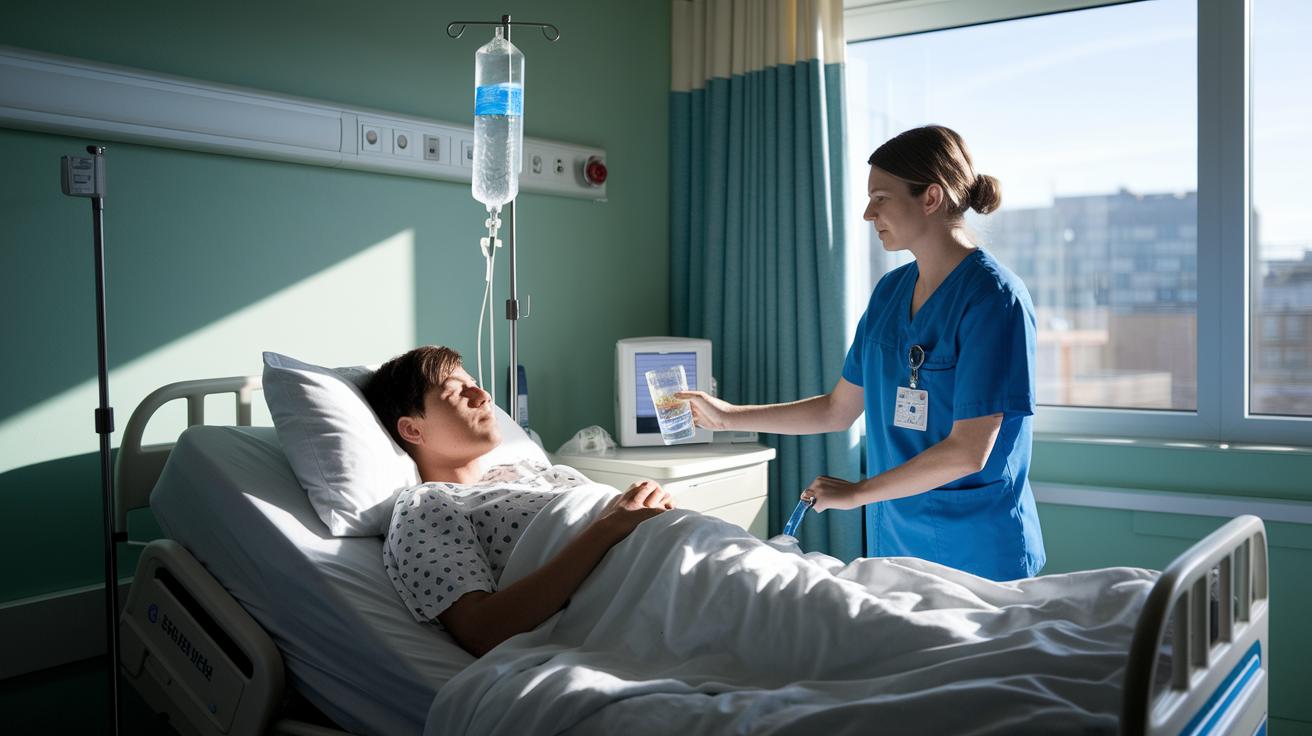
Quick take: After anesthesia, your body needs extra fluids and gentle foods to help clear out drugs and ease recovery.
If you experience severe dizziness, fainting, or trouble breathing, call emergency services now. If you have ongoing nausea, extreme fatigue, or signs of dehydration like very little urine, seek same-day medical care. Otherwise, follow these simple self-care tips.
After anesthesia, your body works hard to remove leftover medications and heal. Drinking plenty of water and clear fluids like broth or herbal tea can help reduce dizziness and tiredness. One patient shared, "I started my recovery with a cup of warm broth, and it really helped me feel more settled."
To support your recovery, choose light meals that are easy on your stomach. Begin with small portions of simple foods like clear soups, crackers, toast, rice, or applesauce. As you feel more alert, start adding a variety of nutritious foods to your diet. Following a simple step-by-step eating plan can make it easier to transition back to regular meals.
- Sip water or clear fluids every 30 minutes.
- Enjoy small, light meals at first.
- Gradually add more solid foods as you become more alert.
- Keep a diary of your food and drink to track your progress.
These nutrition and hydration steps help your body recover faster, reduce dehydration, and lessen fatigue during your first hours at home.
Monitoring Vital Signs and When to Seek Help in Home Anaesthesia Recovery
Quick take: After surgery, keep a close eye on your temperature, pulse, and breathing at home. If you see any worrisome changes, call your clinician right away.
Your care team watched your breathing and heart after your surgery. Now, at home, you need to check these signs too. Use a thermometer to see your temperature, a watch to count your pulse for 1 minute, and note how many breaths you take in 1 minute. This helps you know if you're recovering well.
Check these vital signs a few times during the day and write down your numbers. For example, look out if your temperature goes over 101°F, if your pulse is over 100 beats per minute, or if your breathing changes a lot. One patient shared that tracking their pulse and temperature on a simple chart helped spot a problem early.
If you notice any of these red flags, act now:
- Severe or worsening pain that doesn't get better
- A very high fever or signs of infection
- An irregular or very fast heartbeat
- Difficulty breathing or shortness of breath
Write down each reading and the time you take it. This record can be very useful for your clinician if further care is needed.
Optimizing Rest and Mental Well-being During Anaesthesia Recovery at Home
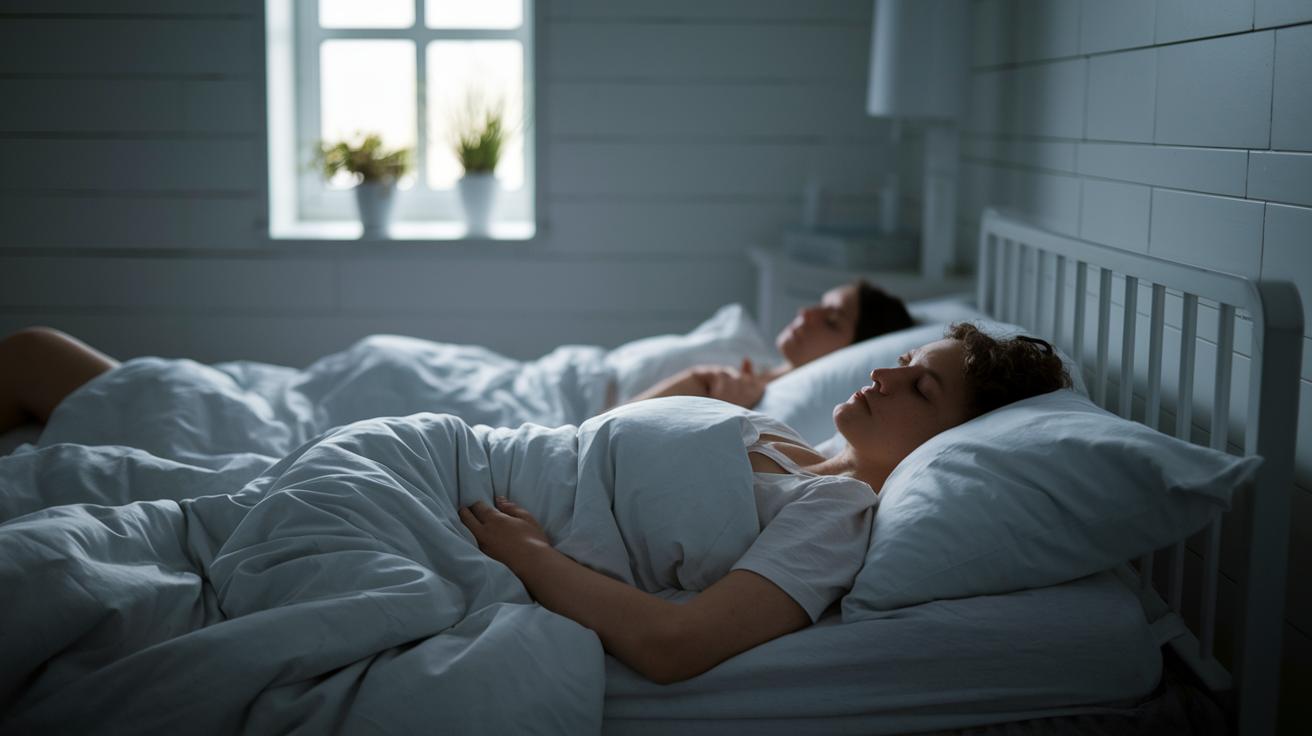
Quick Take: Use calm, simple steps to help your body and mind wake up safely after anesthesia.
If you feel very confused, have trouble breathing, or your drowsiness worsens, call emergency services immediately. If you become extremely chilly or unsettled, seek urgent care.
After anesthesia, you may not feel fully awake. You might feel confused, sleepy, or a bit cold. A quiet and comfortable space helps your brain wake up slowly. Create a peaceful rest area with dim lights, soft bedding, and little noise. One person shared that a short nap in a quiet room helped clear their mind.
To get the best sleep:
- Dim the lights.
- Use comfortable bedding.
- Reduce noise.
- Try a sleep mask or earplugs if needed.
It is also important to manage stress. Keep your mind calm with gentle activities:
- Practice slow, deep breathing.
- Listen to soft music or nature sounds.
- Write down your feelings in a journal.
Ease back into activities gradually. Start with simple tasks like making a cup of tea or reading a short article. As you feel steadier, try light chores or have gentle conversations.
Remember, it is normal to feel changes in mood after surgery. If you feel frustrated or sad for a long time, talk with a trusted friend or family member. Keeping a regular schedule and a peaceful sleep space supports both your body and mind as you recover.
Timeline Milestones for Domestic Healing After Anaesthesia
After your procedure, your recovery speed depends on the type of anesthesia you received. With local anesthesia, you usually feel better almost right away. Sedation (twilight sedation) fades faster, but general anesthesia can leave you feeling drowsy for up to 24 hours.
Check your progress every day during the first 24 hours. Write down how energetic you feel, any moments of confusion, and even little wins like getting out of bed or walking a few steps. This helps both you and your care team see how your healing is going.
Key milestones to watch for:
- In the first hour after you get home: See if you’re stable enough to sip fluids and move gently.
- Later in the day: Notice if your balance and alertness improve. If you stay very drowsy or have trouble waking up, call your clinician.
- The next day: Check if the effects are fading and if you can slowly start doing simple tasks again.
Keep a short journal or a note on your phone with the time and any changes you notice. If your recovery does not follow these milestones or you have new concerns, contact your clinician right away.
Setting Up a Supportive Home Environment for Anaesthesia Recovery
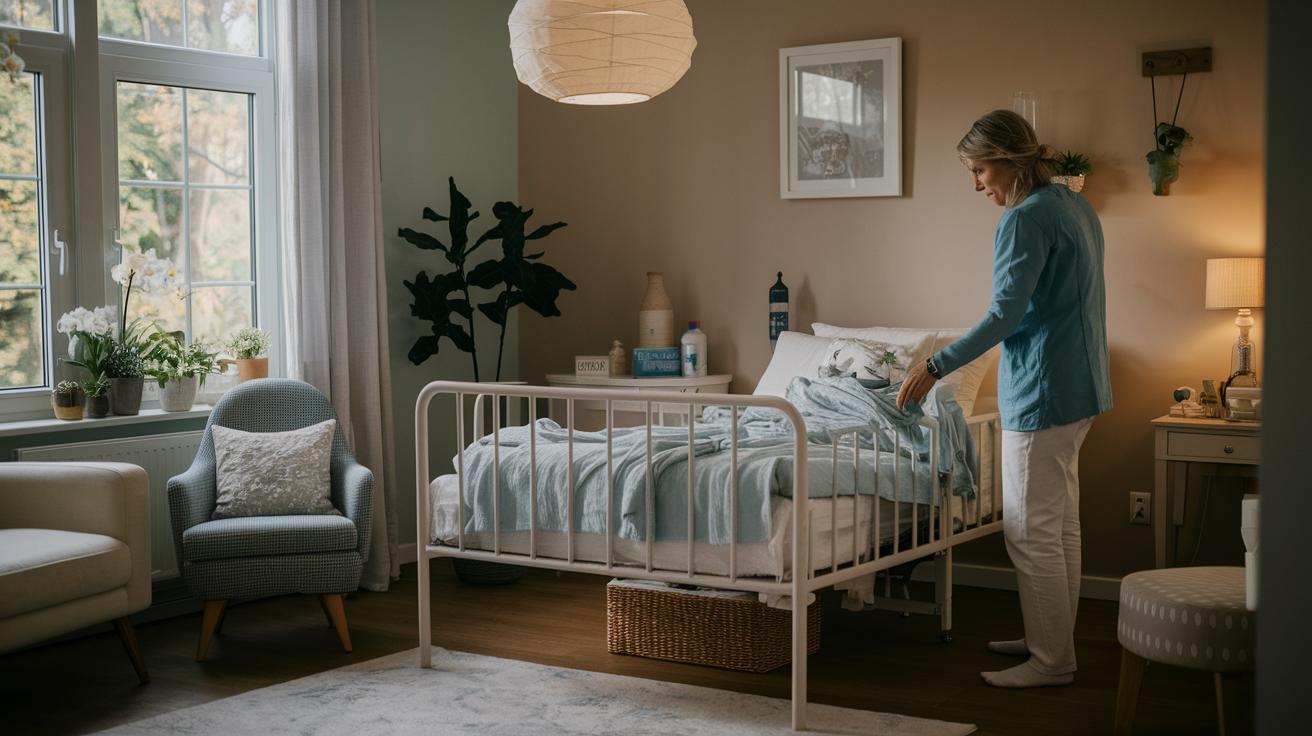
Quick Take: Create a safe, calm space with everything close at hand and have someone you trust with you for a few hours after your procedure.
If you experience severe confusion, extreme weakness, or trouble breathing, call your Anesthesia Care Team right away.
After your procedure, set up your home so it helps you recover. Have a trusted friend or family member stay with you for at least a few hours. Their presence makes you safer and more comfortable as your body wakes up from the anesthesia.
Start by making your recovery space as comfy as possible. Get your bedroom or living area ready to limit movement. Place your water, medications, and phone next to your bed on a small table. This way, you don’t need to get up until you truly feel steady.
Having someone look after you is a game changer. They can get you things, offer reassurance, and check on you if you feel confused or weak. Jot down any questions or concerns so you can talk about them with your Anesthesia Care Team later.
Here are a few steps to customize your space for a smooth recovery:
- Turn down bright lights to create a calm atmosphere.
- Remove loose rugs or any furniture that might block your path.
- Keep everyday items within easy reach.
- Arrange a cozy spot with a supportive chair or cushion for resting.
Plan for short rest breaks between moving around. Break up tasks into small steps to avoid getting too tired. This helps protect you from trips or overexertion and lets you recover more smoothly.
If you notice any problems or feel unsafe, contact your Anesthesia Care Team immediately. Taking these steps makes your move back home smoother and speeds up your recovery.
Final Words
In the action, the post outlined what to expect during your recovery from anesthesia at home. It explained how to handle lingering sedation, manage common side effects like nausea and pain, and safely resume activity. We touched on wound care, nutrition, vital signs monitoring, and setting up a comforting, supportive space.
Each step offers practical tips and clear instructions to guide you. Remember, with careful planning and support, anaesthesia recovery: what to expect at home becomes a manageable process. Stay positive and focused on your healing.
FAQ
How to recover from anesthesia faster?
The question on recovering faster from anesthesia means a safe recovery involves rest, hydration, and light movement. Following your doctor’s guidelines and avoiding strenuous tasks can help your body clear the drugs more quickly.
How long does it take for anesthesia to wear off and affect the body?
The question on anesthesia duration means most general anesthesia effects fade within 24 hours, although recovery varies based on surgery type, anesthesia used, and individual factors. Always follow your care team’s advice.
How do they wake you up from anesthesia?
The question on waking from anesthesia means your care team stops the drug infusion, allowing your body to clear the medication gradually while you are monitored until you regain alertness.
What are the common post-anesthesia side effects?
The question about post-anesthesia side effects means patients may experience nausea, dizziness, or drowsiness. Such effects usually lessen within a few hours to a day, but contact your doctor if they become severe or prolonged.
What is the postoperative position after general anesthesia?
The question on postoperative positioning means it’s best to maintain a comfortable, supported posture. Often, keeping your head slightly elevated is advised, but follow the specific instructions provided by your healthcare team.
What should you do at home while recovering from anesthesia?
The question on at-home recovery measures means you should rest, stay hydrated, manage pain as directed, and monitor your symptoms. Avoid activities such as driving until you’re fully alert and have a companion if possible.
Can you be home alone after anesthesia?
The question about being home alone means it is best not to be alone after anesthesia. Having a companion for the first few hours can help ensure safety and provide assistance if any complications occur.