
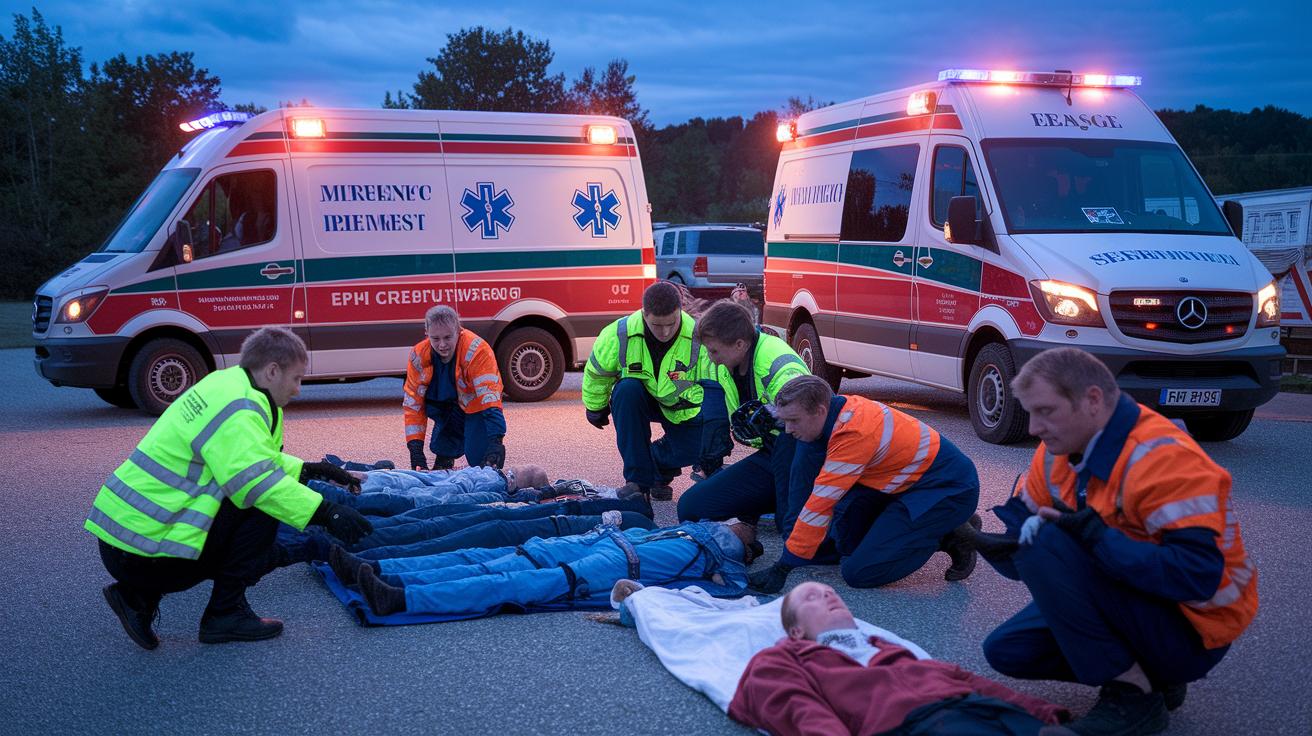

Quick Take: EMS teams quickly sort patients so everyone gets care as fast as possible.
When you think about how emergency responders decide who needs help first, it all comes down to a simple, fast process. When responders arrive, they check for injuries, measure vital signs (such as temperature or heart rate), and assess how alert someone is. They use a straightforward color code to decide priorities. This clear system lets them act fast, ensuring that every patient gets the care they need right away.
Defining the Pre-hospital Triage Process in EMS
Quick take: EMS uses simple, clear steps to quickly decide who needs help first.
When EMS arrives, they sort patients by checking injuries and vital signs. They follow set rules and use color codes to decide priority.
First, responders quickly look for obvious injuries. For example, a deep cut with heavy bleeding gets more urgent care than a small scrape.
Next, they check vital signs like breathing, heart rate, and awareness (how awake you are). This quick check, usually done in 1-2 minutes, helps spot serious problems fast.
They follow a clear list:
- Check airway, breathing, and circulation.
- Look at mental status (confusion or disorientation).
- Use color codes: red means help now, yellow means a short wait, green means minor issues, and black means expectant care.
This clear, step-by-step approach makes sure that even in busy, chaotic scenes, each patient is quickly and accurately sorted for the care they need.
Core Protocols for Field Assessment in the Pre-hospital Triage Process
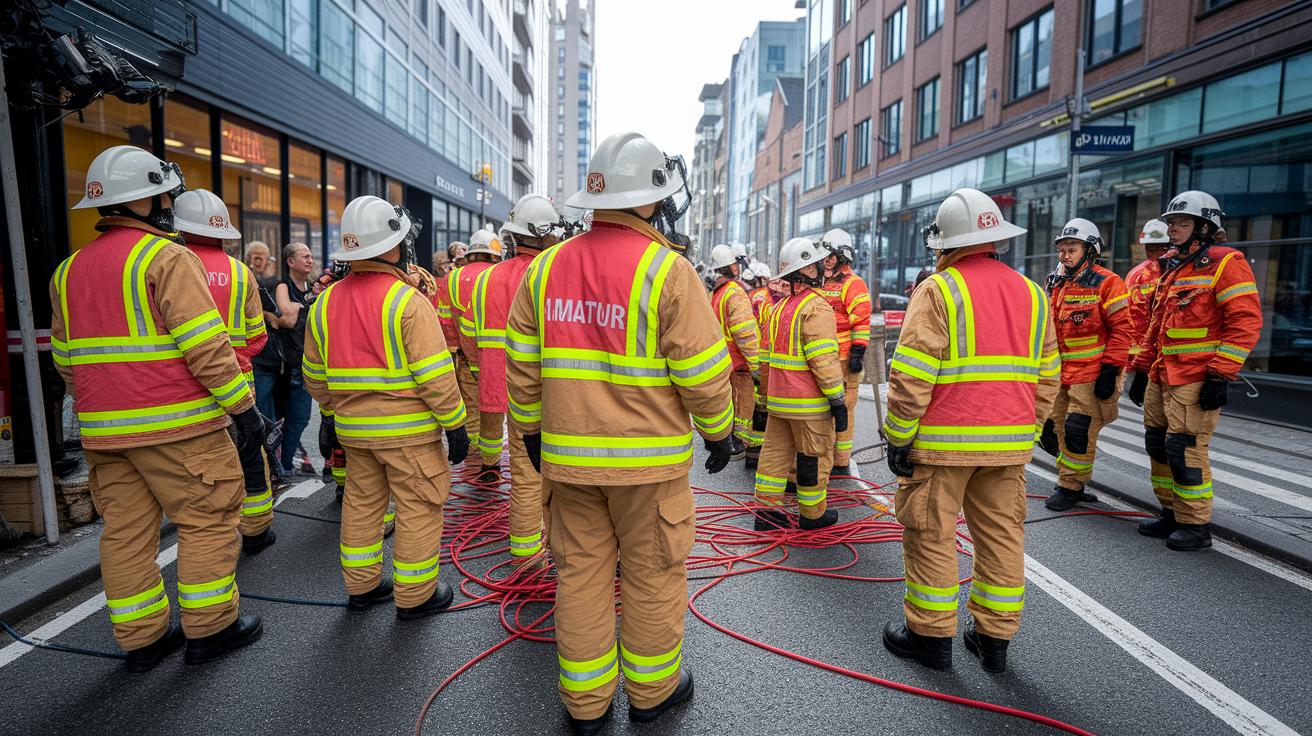
Quick take: Emergency responders use a fast color-tag system to decide which patients need care right away.
If any of these emergency signs are present, act immediately:
- If the patient has trouble breathing, no pulse, or can’t follow simple commands, tag them red for immediate care.
- If the patient is slightly confused or has mild breathing issues, they may need urgent attention.
Before helping anyone, responders first check that the scene is safe. They wear personal protective gear and look for hazards like fire, unstable structures, or dangerous chemicals. This safety check keeps everyone protected while help is on the way.
Each patient is assessed in about 1 to 2 minutes. Here are the key steps they follow:
- Check the airway to make sure it is open.
- Look at breathing to spot signs of distress.
- Feel for a pulse to assess blood circulation.
- Test mental status by seeing if the patient responds to simple questions or commands.
Imagine a responder at a busy scene. After confirming the area is safe, they quickly check a patient’s airway, note shallow breathing, and feel a weak pulse. This speedy evaluation tells them to treat the patient as a high priority.
These clear, structured steps help emergency teams deliver fast and effective care under pressure.
Triage Decision-making Criteria and Color-coded Categorization in EMS
Make sure you check airway, breathing, pulse, and mental status as explained before. EMS teams use these quick checks to decide how to tag a patient based on how they appear. They also consider details like medical history or the type of injury, which can change the tag if the situation might improve with early care. For example, even if a patient shows a very weak pulse after a blunt injury, extra signs may lead a responder to act fast with aggressive treatment.
The color-coded system helps guide care:
- Green: Minor injuries. The patient can walk and respond normally.
- Yellow: Delayed care. The patient is stable but needs treatment soon.
- Red: Immediate care. The patient has severe injuries or critical symptoms.
- Black: Expectant. The patient has a very low chance of surviving despite care.
| Category | Description |
|---|---|
| Green | Minor injuries; patient is ambulatory |
| Yellow | Delayed care; stable but requires intervention soon |
| Red | Immediate care required for severe conditions |
| Black | Expectant; low survival probability despite interventions |
Workflow Integration: Dispatch, Communication, and Rapid Transport in Pre-hospital Triage
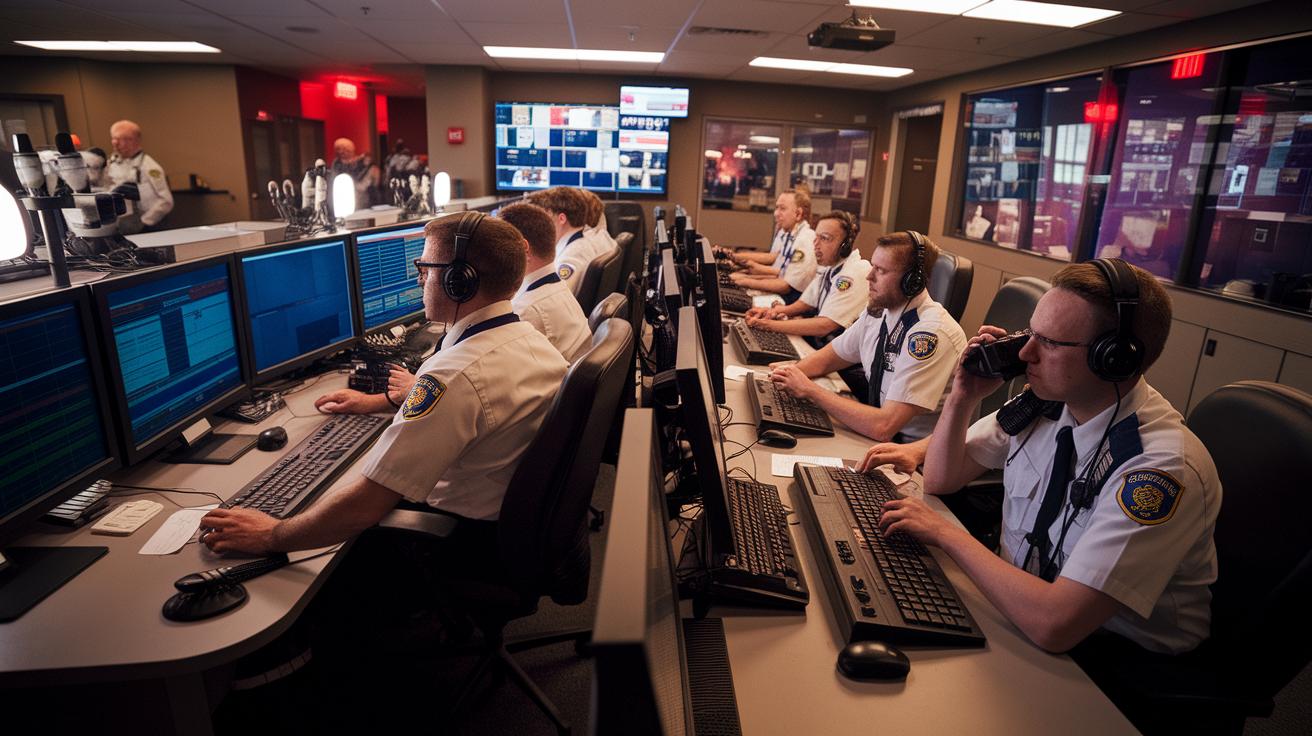
Quick take: Fast, clear communication and smart decisions help get patients the care they need quickly.
If you see any emergency signs like severe breathing trouble or a very weak pulse, call emergency services now.
Dispatch centers start with a quick call check using set protocols. They match the details from the call to the correct EMS team. They also use pre-dispatch tools to estimate what resources might be needed before anyone arrives.
When responders reach the scene, they use radios to send patient details and vital signs directly to the hospital. This lets trauma teams get ready with the right equipment. For example, a responder might report a patient flagged as red with severe breathing issues and a weak pulse. This urgent update kicks the hospital’s trauma response into gear right away.
For transport, EMS weighs the patient’s condition, how far the hospital is, and what resources are available. If a patient is very sick, they get moved fast, even if it means leaving the closest hospital. When there are many patients, those with less urgent needs might wait at a designated collection point until a transport wave starts.
Key steps include:
- Use structured call checks to decide which EMS team to send.
- Keep hospitals updated with patient status.
- Make fast transport choices based on condition, distance, and resources.
Constraints and Environmental Challenges in the Pre-hospital Triage Process for EMS
Quick take: EMS teams work fast in risky scenes with limited tools.
If you face these hazards, act safely:
- Call for backup when fire, heavy traffic, or dangerous terrain put you at risk.
- Stay alert if your equipment is limited, simple checks may be all you can do.
- Be ready to re-assess patients fast if more responders arrive.
EMS teams often work in tough conditions. In chaotic scenes, things like fire, traffic, or risky ground can slow care and endanger responders. Limited tools mean teams must rely on quick and basic checks rather than full diagnostics. High stress can make following procedures harder too.
In mass casualty events, the number of patients grows fast. As more crews join, responders must quickly sort patients to adjust to the situation. This surge pushes EMS workers to make fast decisions while managing many tasks at once.
Harsh weather and poor lighting add to the challenge. Heavy rain, fog, or darkness can delay checks and make it hard to mark patients correctly. These conditions increase the chance that serious problems might be missed early on.
Key challenges include:
- Facing hazards like fire, traffic, or unsafe terrain.
- Working with few tools that limit detailed checks.
- Dealing with weather extremes and low light that slow down care.
Pre-hospital Triage in Action: START Method Case Study for Mass Casualty Incidents
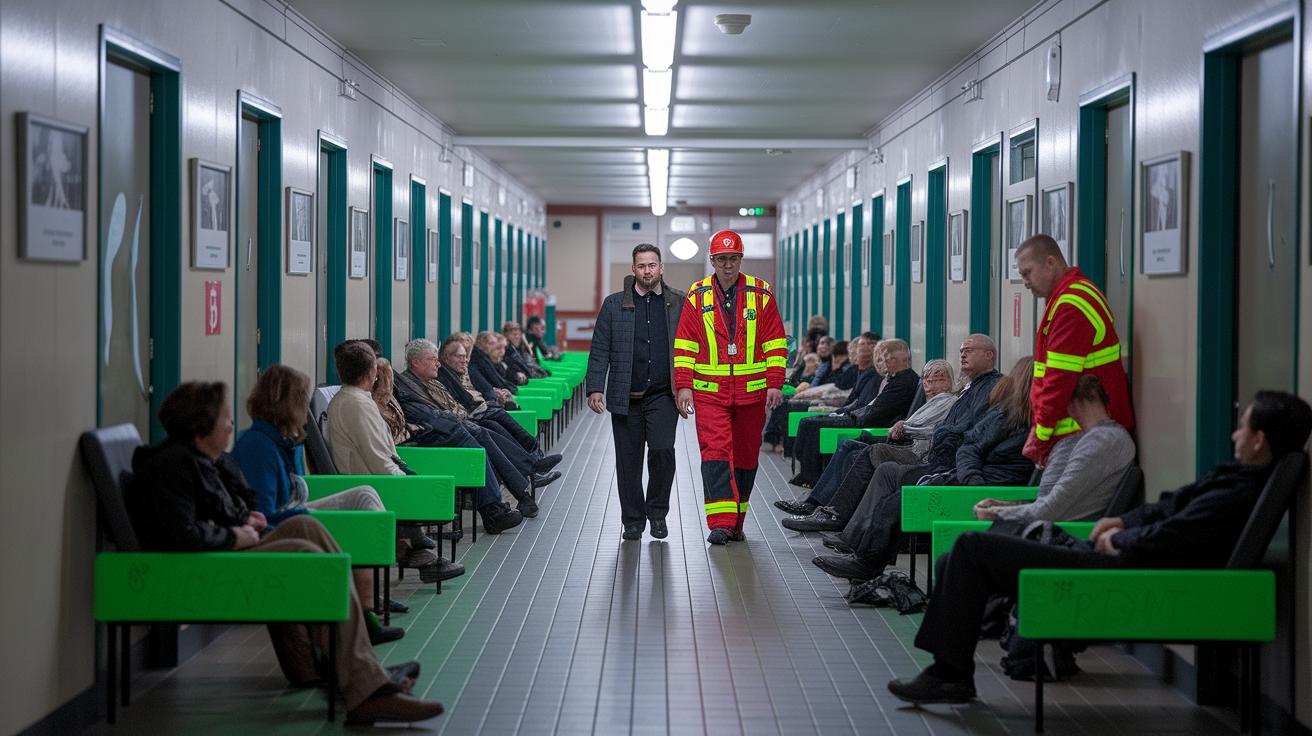
Quick take: In a 4 a.m. apartment fire, responders used the START method to quickly sort patients and get them the care they needed.
Triage Box:
• Emergency: Patients who do not respond normally, show weak breathing or pulse.
• Urgent: Those unable to follow commands or with unclear injuries.
• Minor: Walking wounded who can move to safe, marked points.
At 4 a.m., a fire in an apartment building affected over 10 people. Responders first asked the walking wounded to move to clearly marked collection points. They tagged these patients green to show they needed only minor care.
Then, the team quickly moved on to patients who could not follow simple commands. They checked breathing, felt for a pulse (to test blood flow), and used easy questions to assess mental status. One responder explained, "I saw someone barely reacting to questions, so I tagged them red right away."
They kept detailed records of each tag. These logs gave branch directors real-time updates on resource levels and alerted them if any patient’s condition might worsen. When there was any doubt about how bad an injury might be, responders played it safe by tagging the patient as red. Later, when more help arrived, they checked everyone again and found injuries that had become more obvious.
This case study shows how an organized mobile triage system can save precious minutes in a disaster. Every quick check and careful record helps guide responders through a chaotic scene while keeping patient care safe and effective.
Building EMS Capability: Training, Simulation, and Continuous Improvement in Pre-hospital Triage
Quick take: Hands-on practice, realistic drills, and constant review sharpen EMS triage skills.
If any red flags appear during training, like repeated delays in patient reassessment, act now by reviewing protocols and simulation results with your team.
EMS teams boost their readiness with simulation drills that mimic real events, like multi-vehicle accidents. These drills help you practice sorting patients quickly and accurately. In one scenario, responders decide fast which patients need help immediately and which can wait safely.
Regular audits of triage records are key. You will review simple metrics such as:
- Over-triage (sending too many patients for urgent care)
- Under-triage (missing urgent patients)
- Time spent on assessments
- Transport delays
Each simulation and real event gets logged digitally. For example, you might note: "simulation on 3/15: high over-triage rate, adjust mental status evaluation criteria." This clear record helps identify where improvements are needed.
Digital tools are also part of the process. Decision-support software standardizes assessments and collects real-time data. This data then helps update drill scenarios and training methods. For instance, if you notice longer delays when re-checking patients, the next drill will have a shorter time limit for reassessment.
Key actions include:
- Run regular simulation drills.
- Audit triage performance methodically.
- Update protocols based on clear data insights.
- Use digital tools for consistent patient assessments.
Every round of training and review makes your EMS team better prepared, ensuring you are ready to act fast and accurately in real emergencies.
Final Words
In the action, we reviewed how the pre-hospital triage process (EMS) sets the stage for quick patient evaluation. We covered field assessment protocols, decision-making based on vital signs, and the use of color-coded tags to prioritize care.
The article also detailed how EMS integrates dispatch, transport, and training to improve outcomes even in challenging settings. Every part plays a role in saving lives. Stay informed and act promptly.
FAQ
What is JumpSTART triage?
The JumpSTART triage is a pediatric version of the START method. It quickly sorts children in emergencies using simple checks of breathing, circulation, and mental status.
What does the triage color code in emergencies mean?
The triage color code uses colors to signal urgency. Red means immediate care, yellow is for delayed treatment, green indicates minor injuries, and black refers to expectant or deceased patients.
What is a START triage PDF?
A START triage PDF is a downloadable guide that outlines the START method with a clear flowchart. It details step-by-step instructions for emergency responders to prioritize patients in mass casualty incidents.
What is SALT triage?
SALT triage is a method that groups patients based on severity, assessing lifesaving interventions, and treatment or transport needs, which helps streamline sorting during mass casualty events.
What are mass casualty triage guidelines?
Mass casualty triage guidelines offer a standard approach for assessing and prioritizing patients. They ensure that responders tag patients based on breathing, pulse, and mental status to treat the most urgent cases first.
What examples illustrate triage red tags?
Triage red tag examples include patients who are breathing but show signs of shock or confusion. These patients need immediate intervention due to their unstable vitals.
What are the START triage priority levels?
START triage priority levels group patients into red for immediate, yellow for delayed, green for minor, and black for expectant. This system ensures the best use of available resources during emergencies.
What are examples of black tag triage?
Black tag triage examples refer to patients who are non-responsive or have injuries too severe for survival, indicating that resources should be redirected to those more likely to benefit from urgent care.